Skip to content
Start My 3 Free Days $0 today · cancel anytime

Poetry Activities

11 poetry activities. Teacher favorites: Apple Shape Book Activity and Barn Shape Book Activity. How teachers use these

Poetry Activities

11 poetry activities. Teacher favorites: Apple Shape Book Activity and Barn Shape Book Activity. How teachers use these

Activity
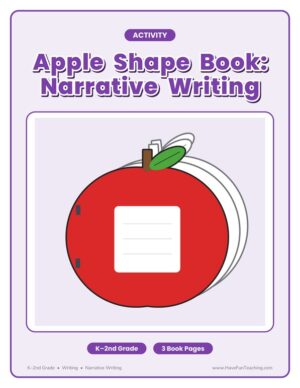
ActivityKindergartenApple Shape Book Activity

This apple shape book activity lets K-2nd grade children color, cut out and write their own apple story on cover, picture and writing pages with kid-sized lines.

Activity
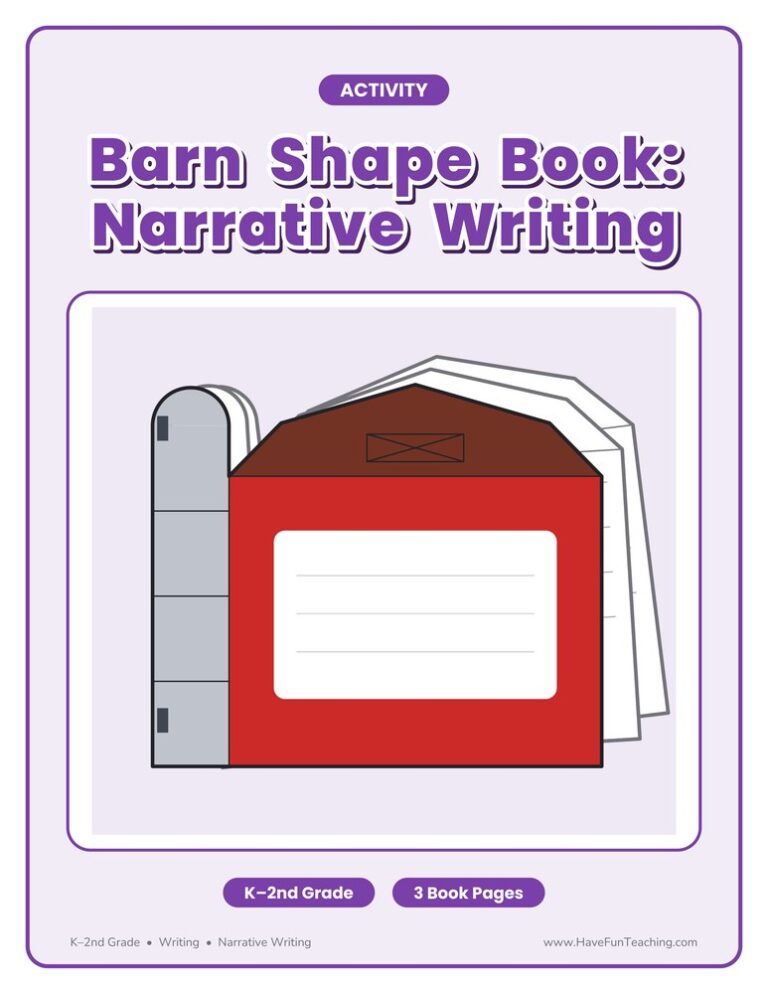
ActivityKindergartenBarn Shape Book Activity

This barn shape book activity helps K-2nd Grade children color, draw and write their own farm story, then cut out and staple the barn pages into a book to share.

Activity
Activity1st GradeApple Themed Writing Activity

This apple themed writing activity has 1st and 2nd grade children order apple life cycle cards, write the steps, compare apples and oranges, and write a poem and story. Answer key included.

Activity
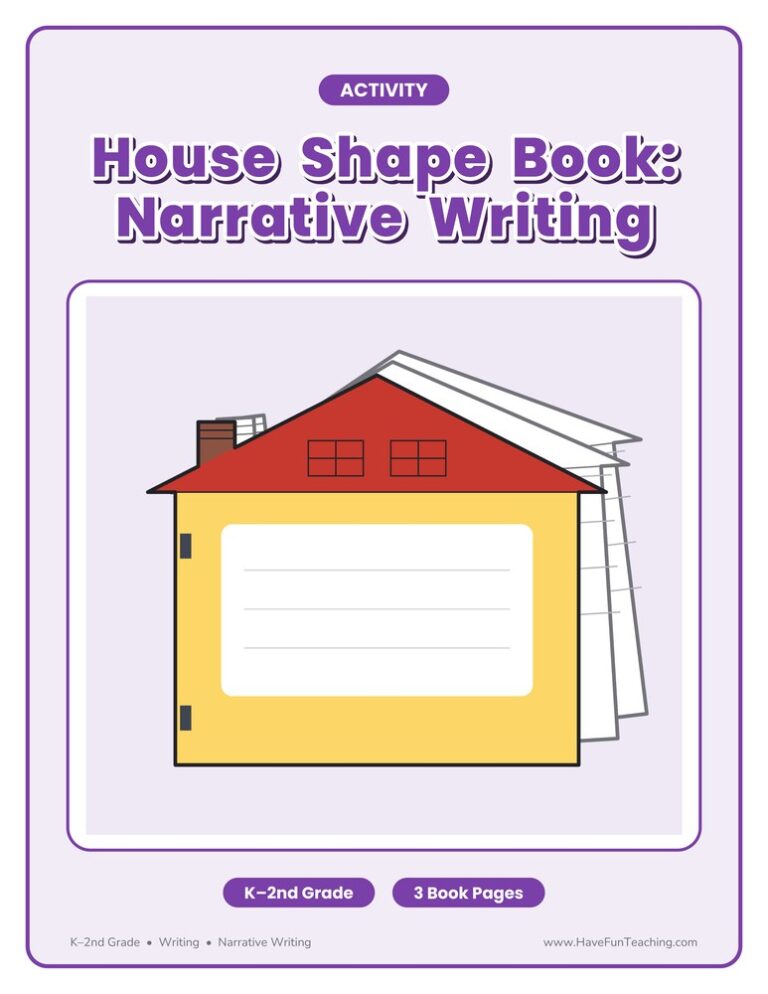
ActivityKindergartenHouse Shape Book Activity

This house shape book activity helps K-2nd Grade children color, draw and write their own story about home, then cut out and staple the house pages into a book to share.

Activity
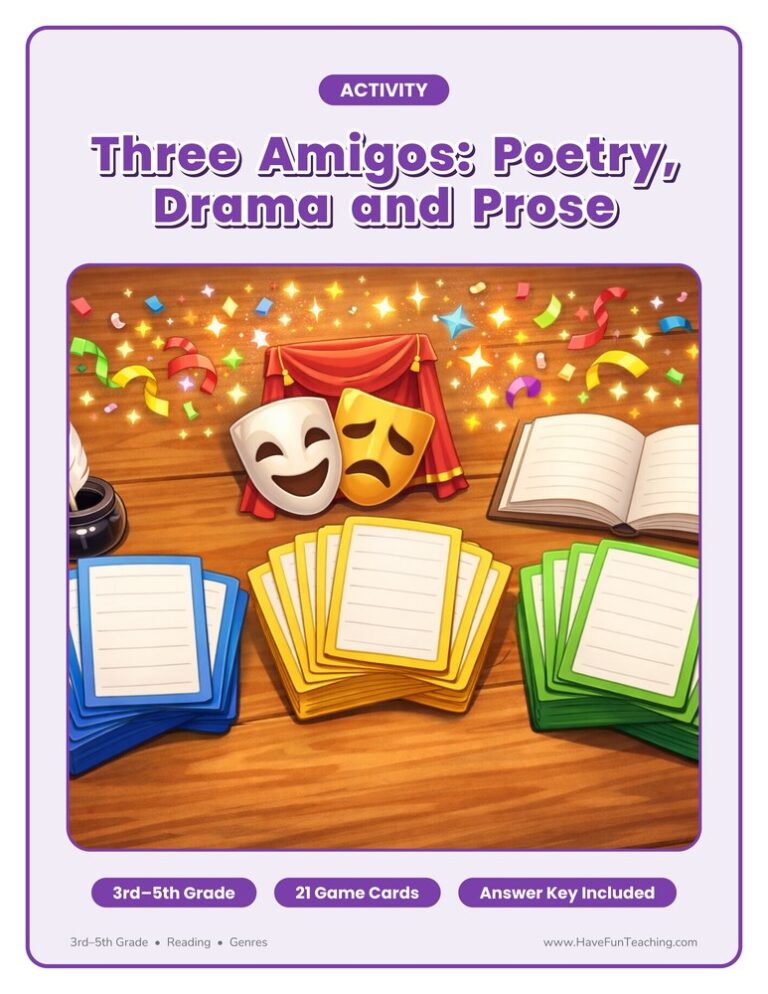
Activity3rd GradeThree Amigos Poetry Drama Prose Activity

This three amigos poetry drama prose activity has 3rd to 5th grade students sort short texts by how they are written: poem, play, or prose. Answer key included.

Activity
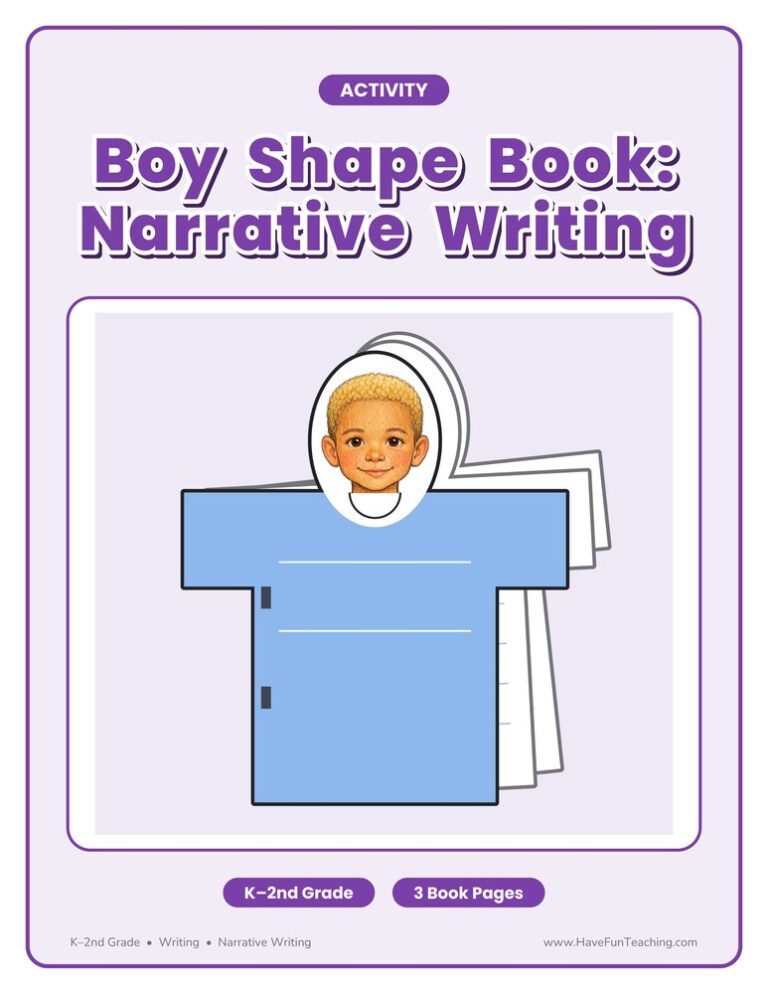
ActivityKindergartenBoy Shape Book Activity

This boy shape book activity helps K-2nd Grade children color, draw and write their own story, then cut out and staple the boy-shaped pages into a book to share.

Activity
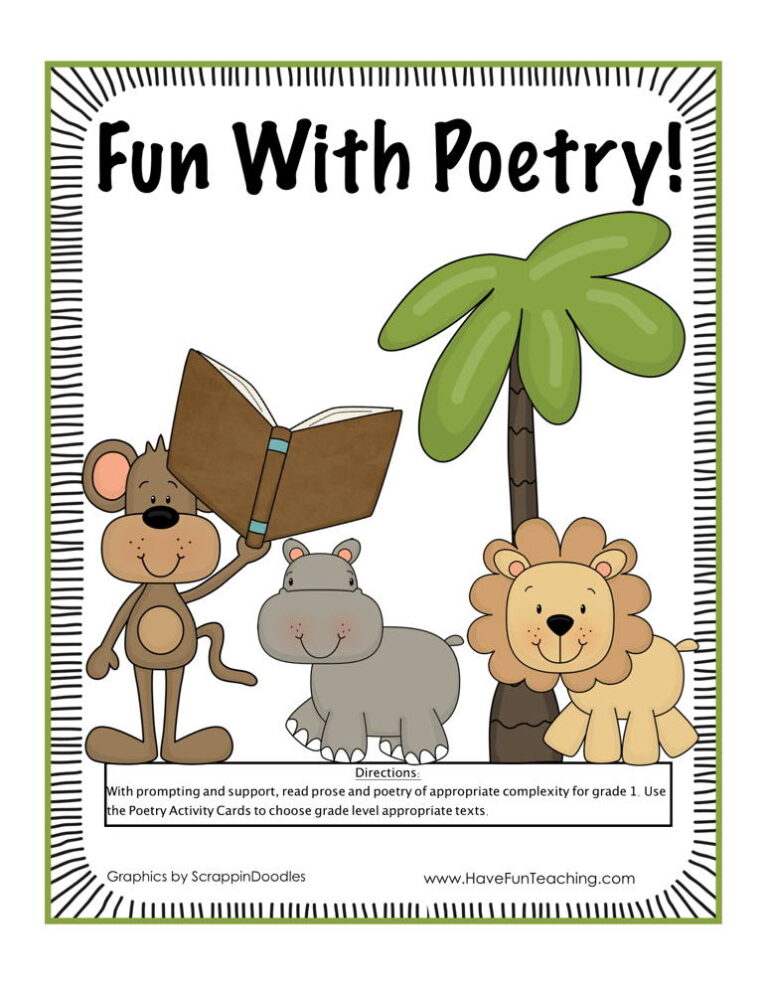
ActivityKindergartenFun With Poetry Activity

Using Fun With Poetry Activity, students read prose and poetry of appropriate complexity for grade 1. to build reading comprehension skills.

Activity
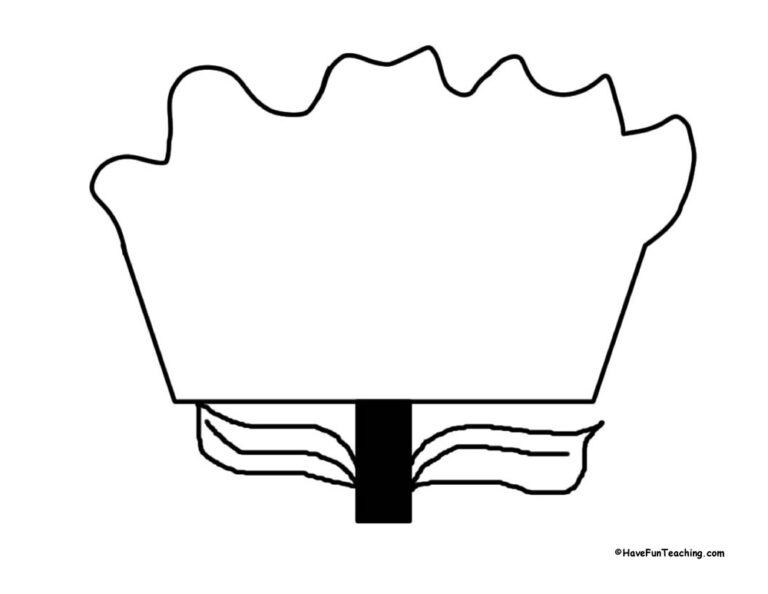
ActivityPreschoolFlower Shape Book Activity

Using this Flower Shape Book Activity, your students can create quick and simple books about themselves or stories about flowers or Springtime.

Activity
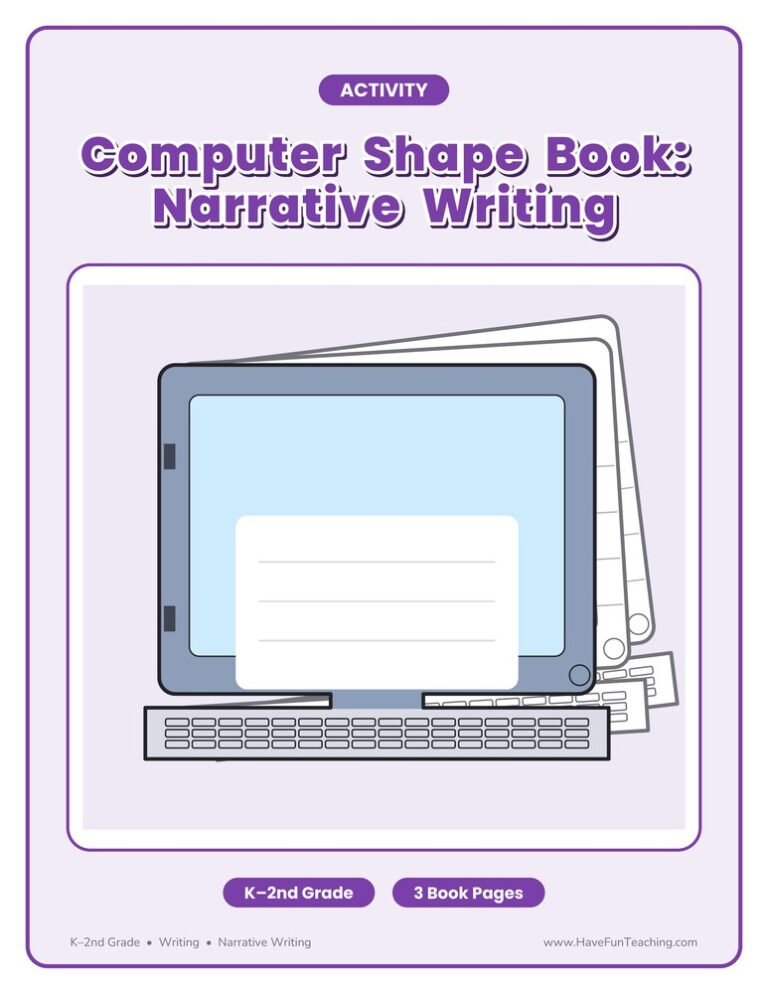
ActivityKindergartenComputer Shape Book Activity

This computer shape book activity helps K-2nd Grade children color, draw and write their own story about computers, then cut out and staple the pages into a book to share.

Activity
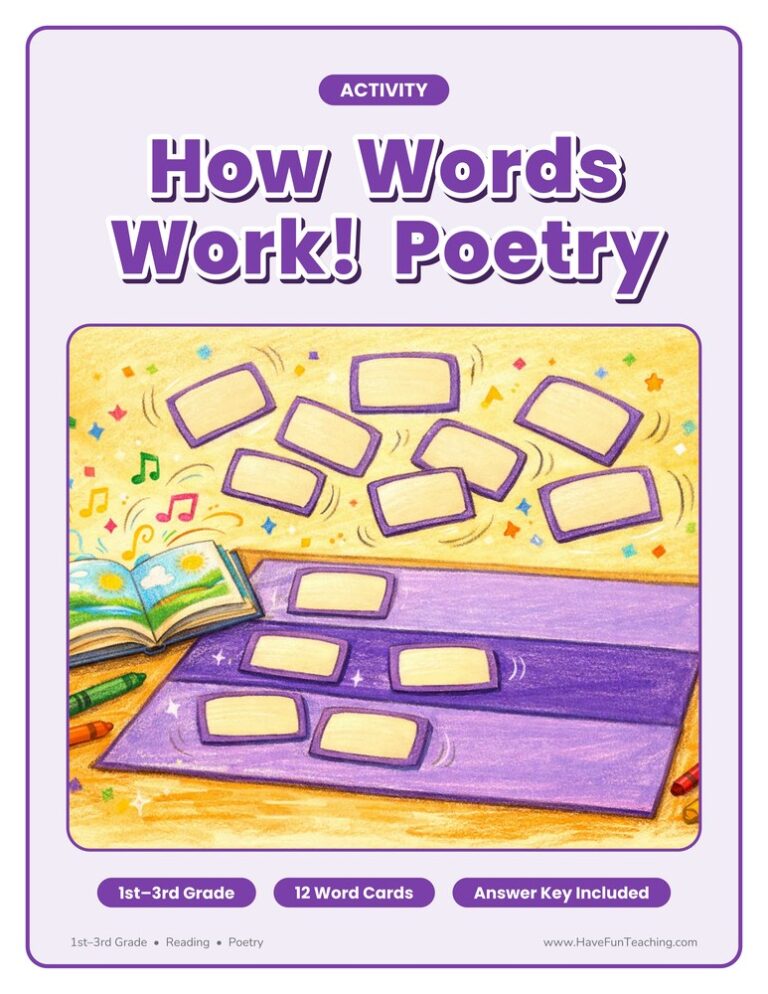
Activity1st GradeHow Words Work Poetry Activity

This how words work poetry activity has 1st-3rd grade students sort rhyming words, same-sound words, and repeated words from a fun poem. Answer key included, so kids hear the beat of every poem.

Activity
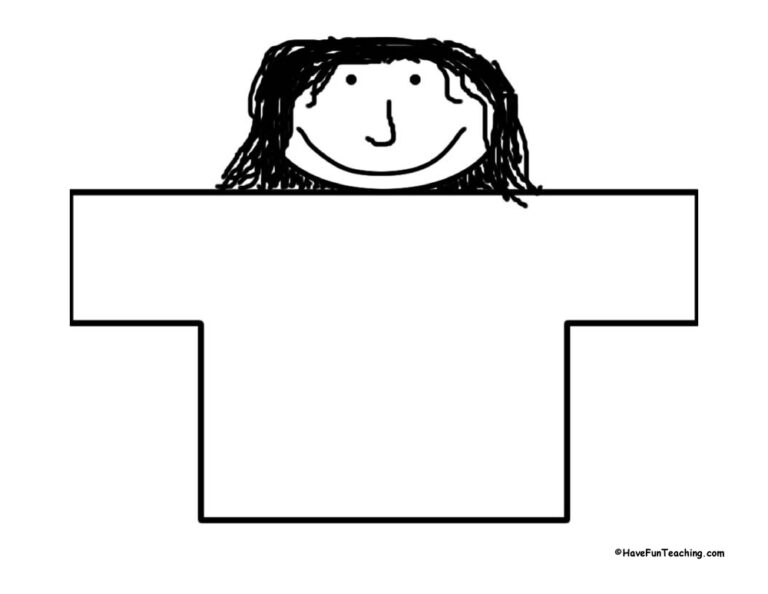
ActivityPreschoolGirl Shape Book Activity

Using this Girl Shape Book Activity, your students can create quick and simple books about themselves or stories about girl main characters.

From our teachers' playbook

Rhyme, rhythm and a little magic

What do kids learn about poetry?

Poetry is writing that plays with sound, rhythm and feeling. Young kids start by hearing rhymes and clapping the beat in songs and nursery rhymes. In 2nd and 3rd grade they learn about lines and stanzas, and they find words that rhyme, repeat or sound like what they mean, like buzz and splash. They write their own poems in fun forms: acrostics, shape poems, limericks and haiku with 5-7-5 syllables. In 4th and 5th grade they talk about imagery and figurative language. The click comes when a child reads their own poem out loud and the whole class snaps!

Our favorite ways to teach poetry

Poetry is meant to be heard. These moves get kids reading, clapping and writing.

Read it out loud first

Read a short poem aloud twice, then let kids tap the rhythm on their desks the second time. Ask, "Which words rhyme? Which words did you love?" Hearing the music of a poem before analyzing it keeps poetry fun.

Why it works: showing first, practicing together, then letting kids try alone is the "gradual release" model teachers have relied on for decades (Pearson and Gallagher, 1983).

Poetry Rhyme and Rhythm WorksheetTry it withPoetry Rhyme and Rhythm WorksheetWorksheetsOpen it →

Shape it up

Have kids pick an object, like a kite or a raindrop, and write describing words that follow its outline. Shape poems are perfect for reluctant writers because there is no rhyme to worry about and every word counts.

Why it works: kids understand an idea best when they touch it, then draw it, then write it, the order the U.S. Department of Education recommends for elementary math.

Shape Poem WorksheetTry it withShape Poem WorksheetWorksheetsOpen it →

A poem a week

Write one short poem every week all year, rotating forms: haiku, acrostic, list poem, limerick. By spring kids have a whole poetry book, and they look forward to poem day.

Why it works: the brain holds on to what it meets again and again over time; spaced practice was rated among the very best methods (Dunlosky and colleagues, 2013).

My Haiku WorksheetTry it withMy Haiku WorksheetWorksheetsOpen it →

Questions parents and teachers ask about poetry

How do you teach poetry to kids?

Start by reading poems aloud and enjoying the sound. Then explore one feature at a time, like rhyme or rhythm, and let kids write in simple forms like acrostics or shape poems.

What kinds of poems are good for kids?

Acrostic poems, shape poems, haiku, limericks and list poems are great for kids. They have simple rules and leave lots of room for creativity.

What is a haiku?

A haiku is a short poem with three lines that have 5, 7 and 5 syllables. Haiku usually describe nature or a single moment. Clapping the syllables helps kids count them.

Do poems have to rhyme?

No! Many poems do not rhyme at all. What makes a poem a poem is careful word choice, rhythm and feeling, so kids can write great poems without any rhymes.

What is a stanza?

A stanza is a group of lines in a poem, like a paragraph in a story. Stanzas are separated by a blank line.