
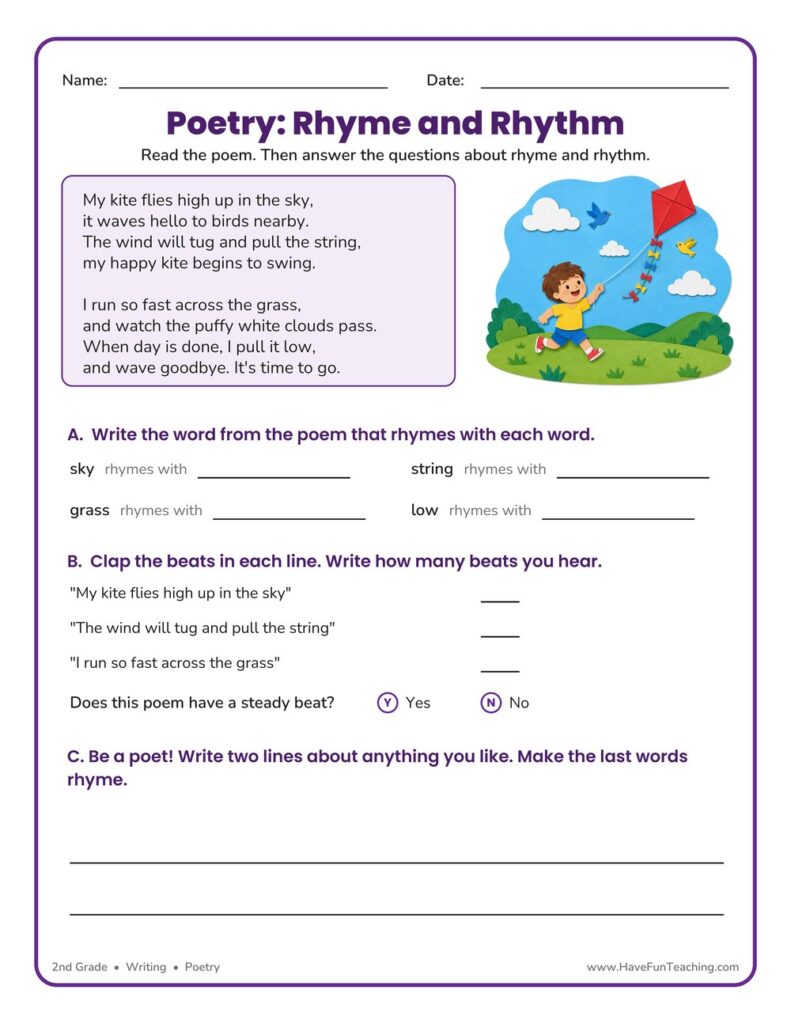
Poetry Rhyme and Rhythm Worksheet
A kite-themed Poetry Rhyme and Rhythm Worksheet where 2nd graders read a poem, find rhyming words, clap out the beat, and write their own rhyming lines. Includes an answer key for quick, no-prep poetry practice.
$6.97
Or free with a membership — members pay $3.33/mo for all 10,000+ resources. See plans
Want this one free?
Tell us where to send it and it’s yours — no card, no catch.
One free resource per teacher. We’ll also send free teaching ideas each week — unsubscribe anytime.
Teaching is easier with a membership
Unlimited printables, games & videos for PreK–6th — for your classroom or homeschool. Cancel anytime.
Start your 3-day free trial$0 today · cancel anytime · Instant access to 10,000+ resources
About this resource
Description
Poetry comes alive when children can hear the music hidden inside the words. This Poetry Rhyme and Rhythm Worksheet helps 2nd grade students discover the two ingredients that give a poem its bounce and song: rhyme, the matching sounds at the ends of lines, and rhythm, the steady beat you can clap as you read. By reading a short, playful poem and answering focused questions, young readers learn to notice how poets pick words that rhyme and arrange them so every line keeps the same beat.
This 2nd grade poetry worksheet is built around a fun poem about flying a kite on a breezy day. Students first read the poem aloud, then complete three activities: they find the word from the poem that rhymes with a given word, clap and count the beats in several lines to feel the rhythm, and decide whether the poem keeps a steady beat. Finally, they become poets themselves and write two of their own rhyming lines. Use it as a whole-class read-aloud, a literacy-center task, or quiet independent practice.
What’s Included
- 1 print-ready PDF worksheet
- Answer key
- A rhyming poem with rhyme, rhythm, and write-your-own-poem activities
There are three big reasons this Poetry Rhyme and Rhythm Worksheet helps children learn. First, reading the poem aloud and clapping the beats turns an abstract idea — rhythm — into something students can physically hear and feel. Second, matching rhyming words strengthens phonemic awareness and word-family knowledge that also support spelling and reading fluency. Third, writing their own rhyming couplet lets children apply what they noticed, moving from reader to writer and building real confidence with poetry.
To extend the lesson, invite children to clap or drum the beat of a favorite song and notice how songs, like poems, use rhythm and rhyme. Challenge students to brainstorm as many words as they can that rhyme with a target word, then turn the best pair into a silly two-line poem. At home, families can read nursery rhymes together and pause to predict the rhyming word at the end of each line. Displaying finished poems on a classroom wall celebrates every young poet’s work.
Related Resources
What teachers say
Reviews
You must be logged in to post a review.
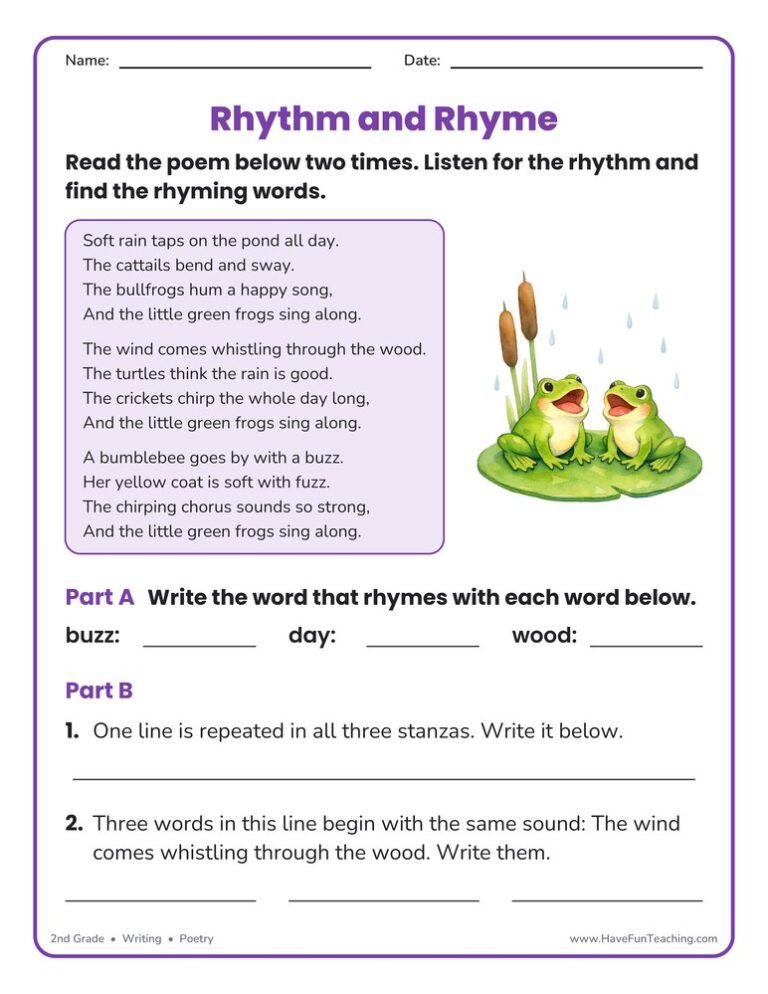
This RL.2.4 Common Core Worksheet gives 2nd graders an original rain-and-pond poem, then asks for its rhyming words, its repeated line, and three alliteration words. Answer key included for quick poetry practice.

Using Jingle Bells Lyrics, students can follow along with the memorable song in order to know the which words to sing!

This dozen donuts reading comprehension worksheet gives 2nd grade students a short bakery story, four multiple-choice questions, and a written response. An answer key is included, so checking the work is quick.
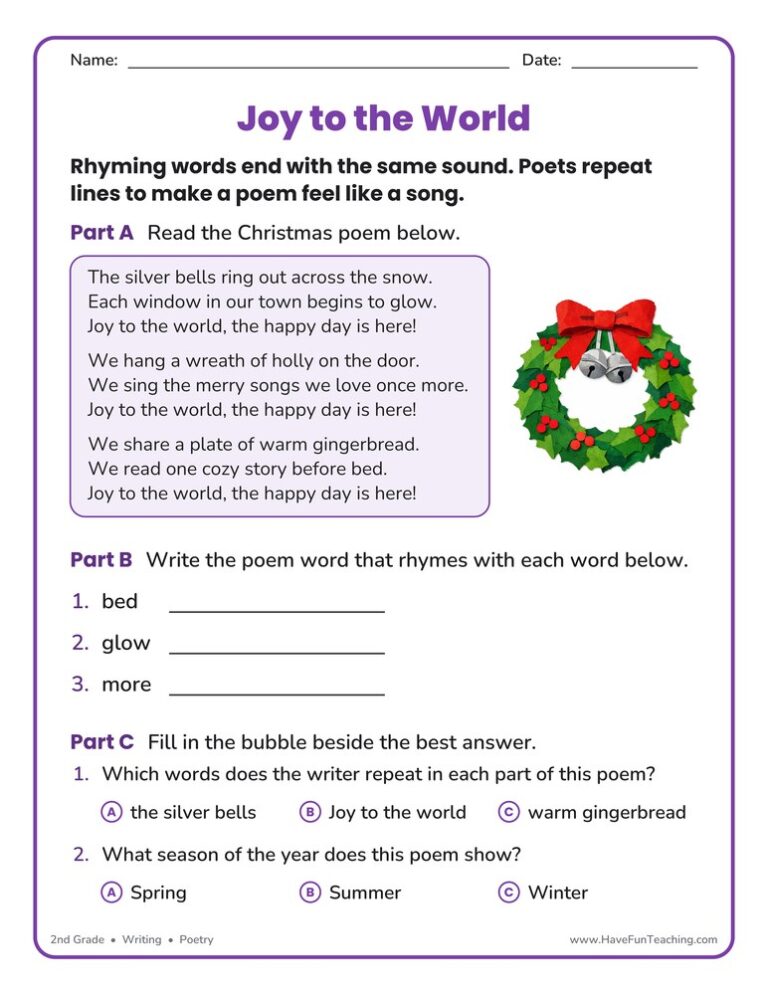
A Joy to the World Lyrics page where 2nd graders read an original Christmas poem, find its rhyming pairs, and spot the repeated refrain. Answer key included, so practice checks itself.
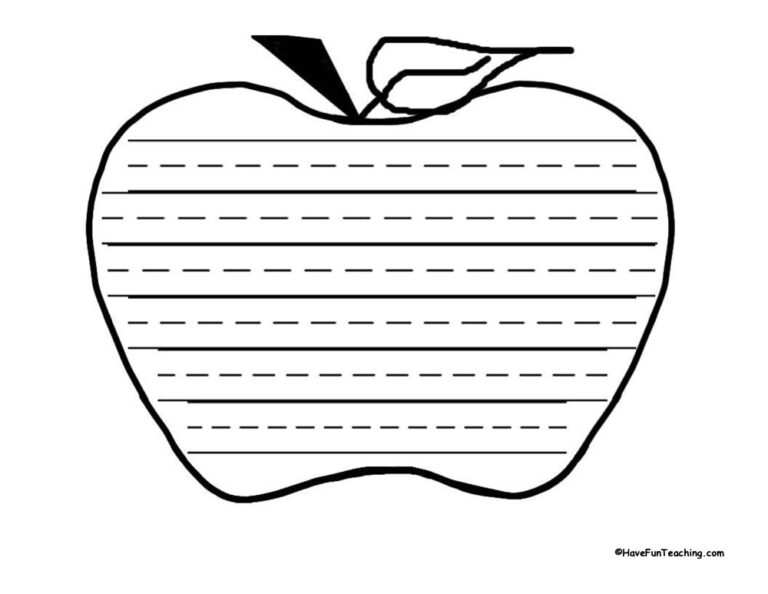
Using thisApple Shape Book Activity, students will enhance their apple writing when they write in this apple shaped book.

Using Reading Prose and Poetry Worksheet, students keep track of the stories they read this year by writing the title and the rating each book.
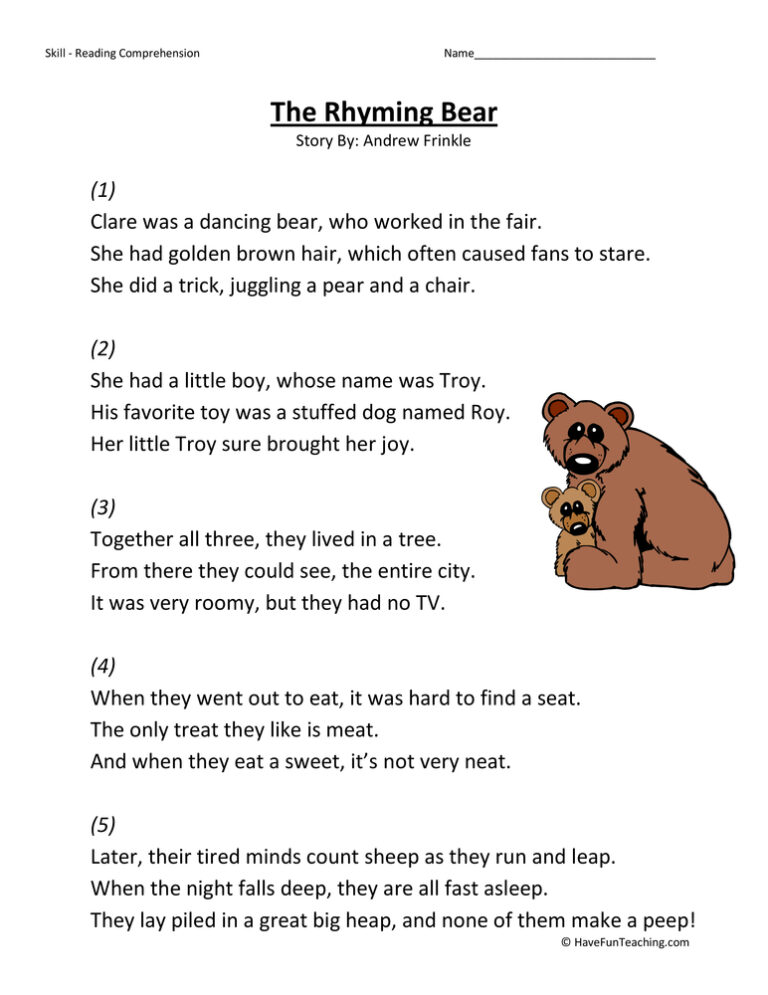
This Rhyming Bear Reading Comprehension Worksheet gives 2nd grade readers an original five-stanza poem plus four multiple-choice questions and a written response. An answer key is included, so students build reading stamina and teachers grade in seconds.
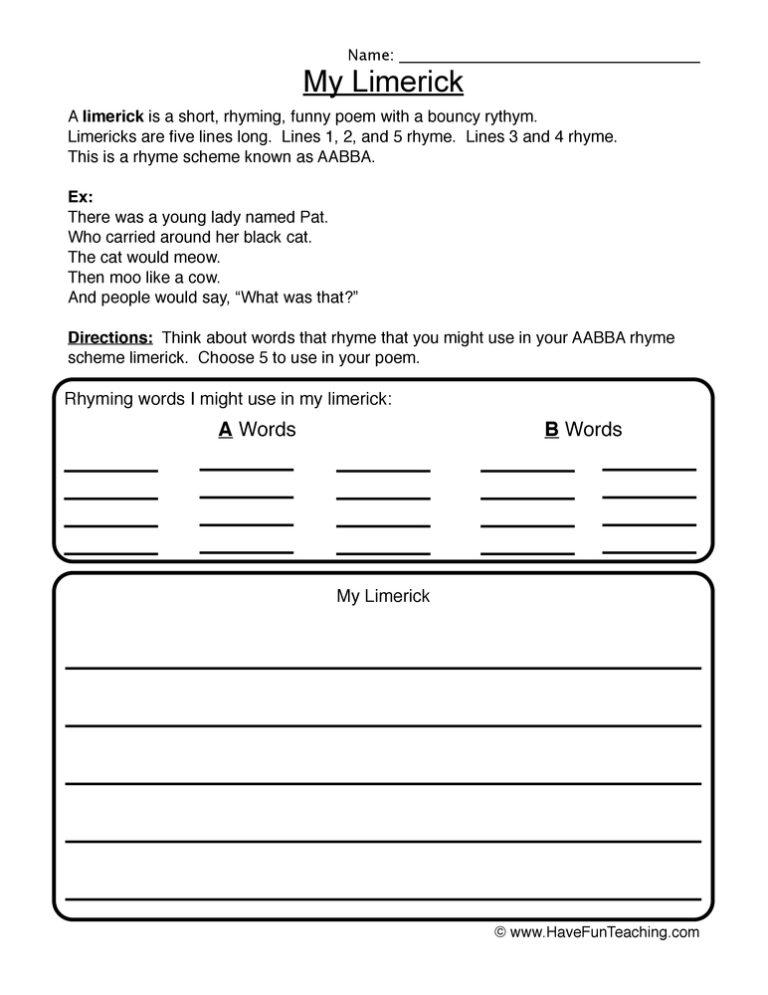
My Limerick Worksheet gives 4th graders a five-line poem to label, two rhyming word columns to fill, and space to write a limerick of their own. Answer key included for fast, no-prep poetry practice.
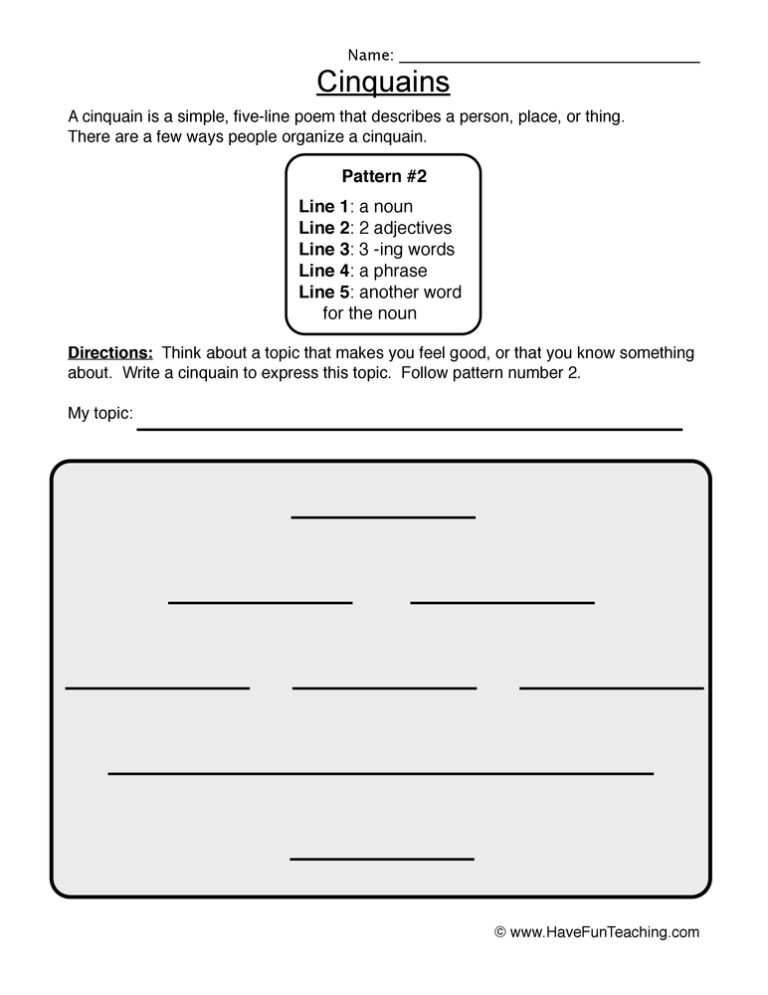
This Cinquain Worksheet - Pattern 2 walks 3rd grade writers through a model poem and then a five-line frame of their own. An answer key is included, so students leave with a finished poem and real confidence.
Using this Flower Shape Book Activity, your students can create quick and simple books about themselves or stories about flowers or Springtime.
Using thisApple Themed Writing Activity, students practice their comparing, sequencing, and poem writing skills while writing all about apples!

Using this Computer Shape Book Activity, your students can create quick and simple books about stories or what they know about computers.

Reviews
There are no reviews yet