Skip to content
Start My 3 Free Days $0 today · cancel anytime

Living and Non-Living Things Activities

13 living and non-living things activities. Teacher favorites: Fish Parts Activity and Things That Grow Activity. How teachers use these

Find the perfect resource in seconds

Living and Non-Living Things Activities

13 living and non-living things activities. Teacher favorites: Fish Parts Activity and Things That Grow Activity. How teachers use these

Activity
ActivityKindergartenFish Parts Activity

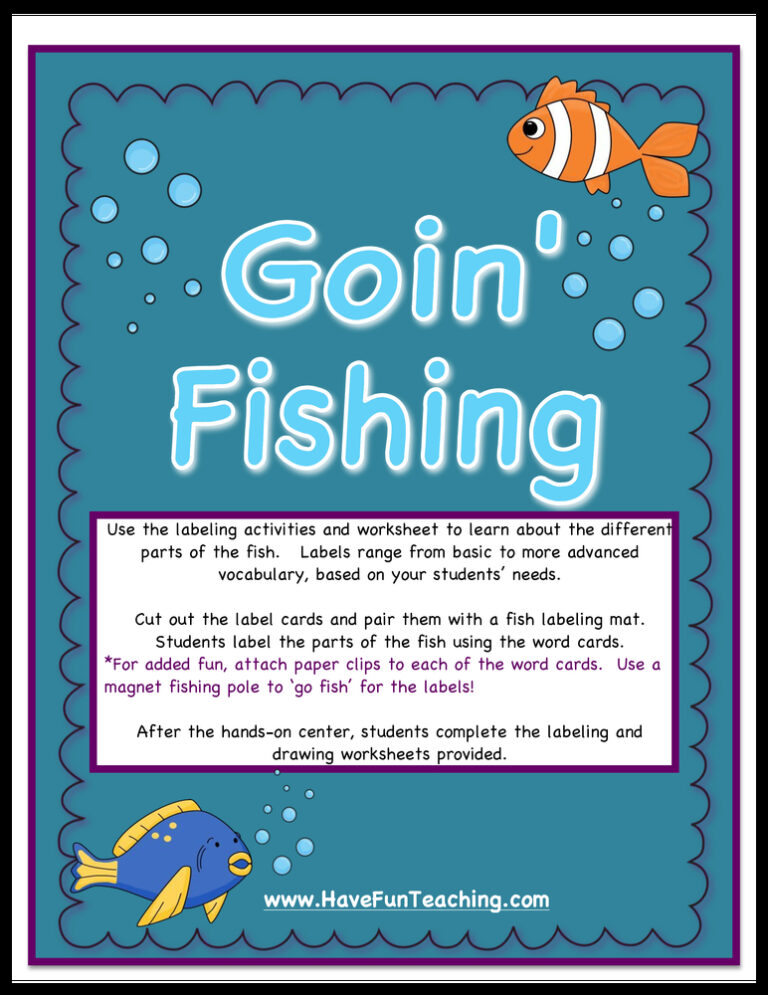
This fish parts activity has kindergarten and 1st grade children catch picture cards and label the eye, mouth, gills, fin, scales and tail, with an answer key included for quick checking.

Activity
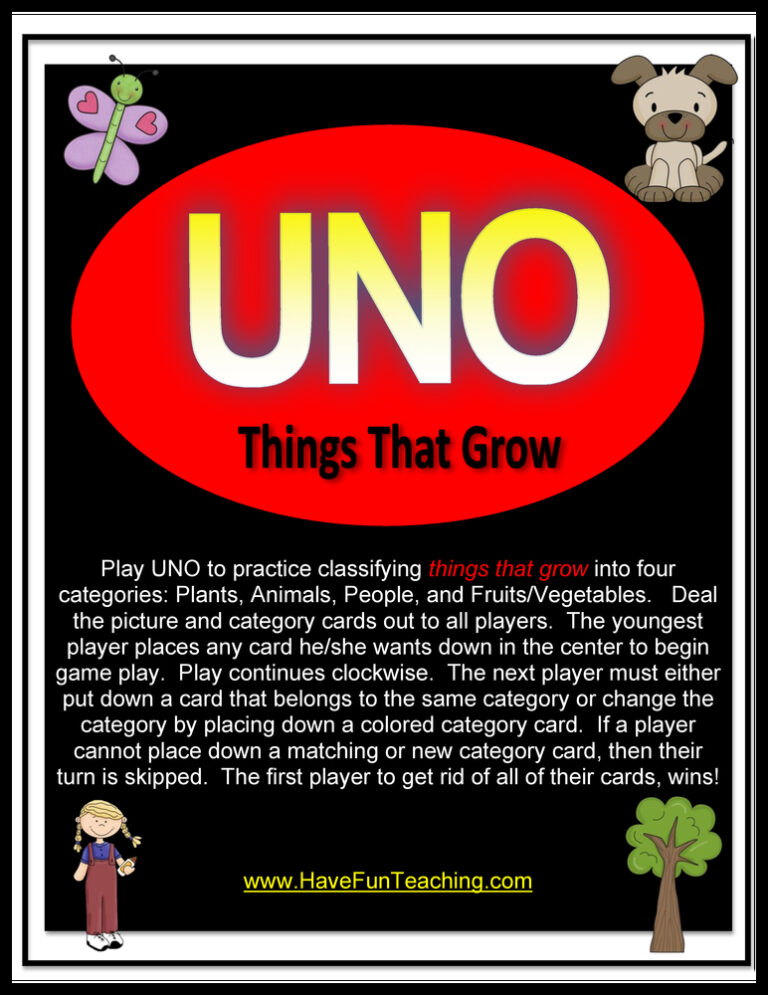
ActivityKindergartenThings That Grow Activity

Using Things That Grow Activity, students play UNO to practice classifying things that grow into four categories.

Activity
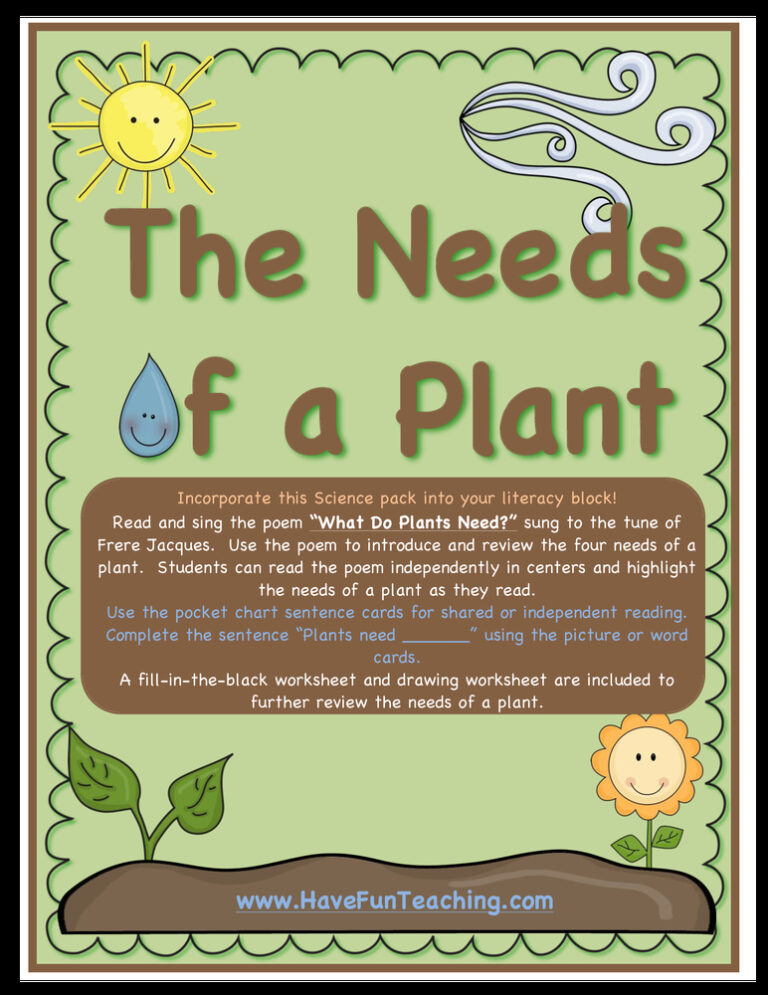
ActivityKindergartenWhat Does a Plant Need Activity

This what does a plant need activity has kindergarten and 1st grade children sing, sort picture cards and write about sunlight, water, air and soil. Answer key included.

Activity
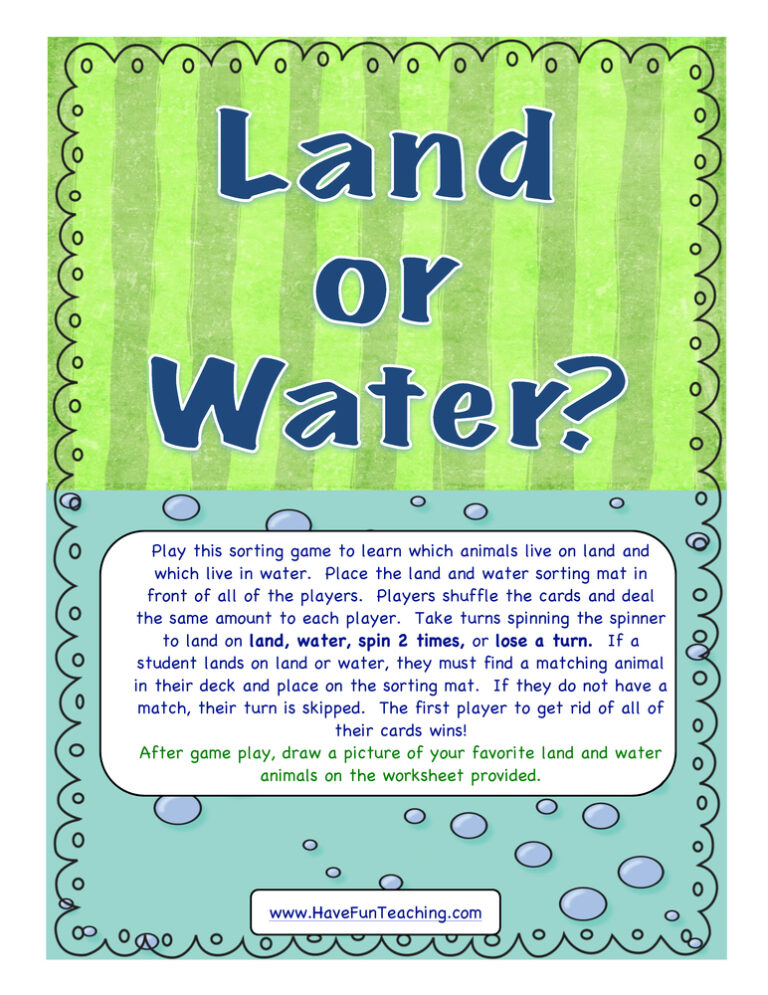
ActivityKindergartenLand or Water Activity

This land or water activity is a K-2nd grade animal sorting card game with a spinner and sorting mat. Children classify animals by where they live, and an answer key is included.

Activity
ActivityKindergartenFrog Facts Activity

This frog facts activity has children sort 12 fact cards onto TRUE and FALSE lily pads. Made for Kindergarten to 3rd Grade, with a practice page and answer key included.

Activity
Activity3rd GradeFlorida Wildlife Animal Project

This Florida wildlife animal project activity has 3rd to 5th grade students sort ten Florida animals by habitat, then research and present one animal, answer key included.

Activity
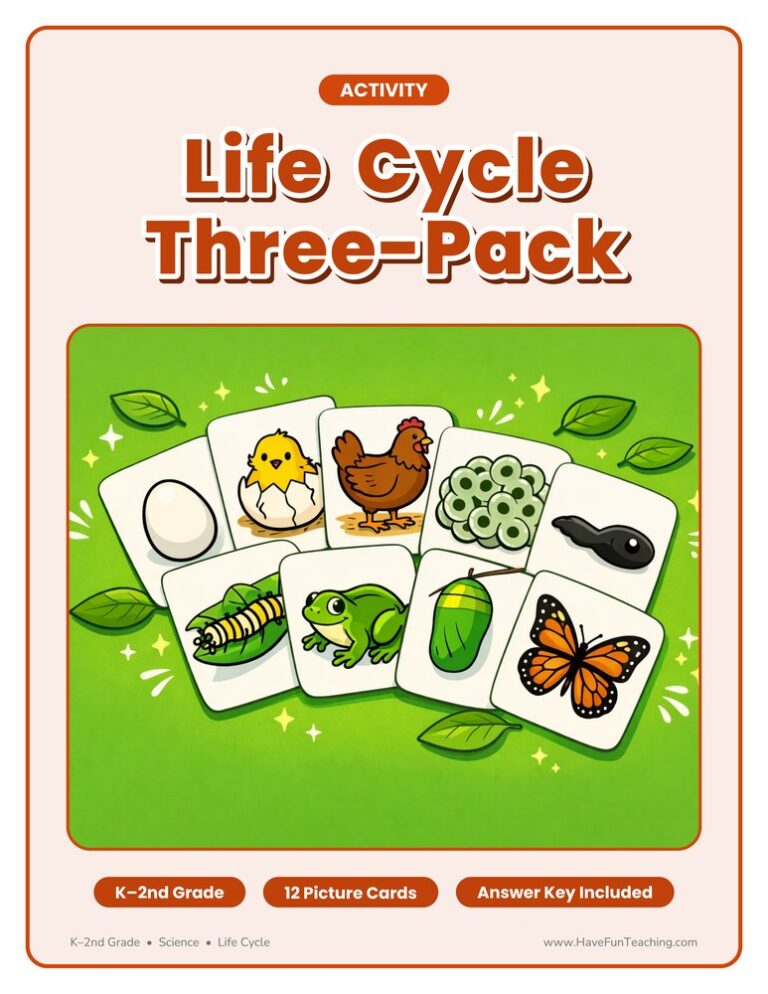
ActivityKindergartenLife Cycle Three Pack Science Life Cycles Activity

Try this life cycle three pack science life cycles activity with kindergarten to 2nd grade students. Kids sequence chicken, frog and butterfly picture cards; an answer key is included.

Activity
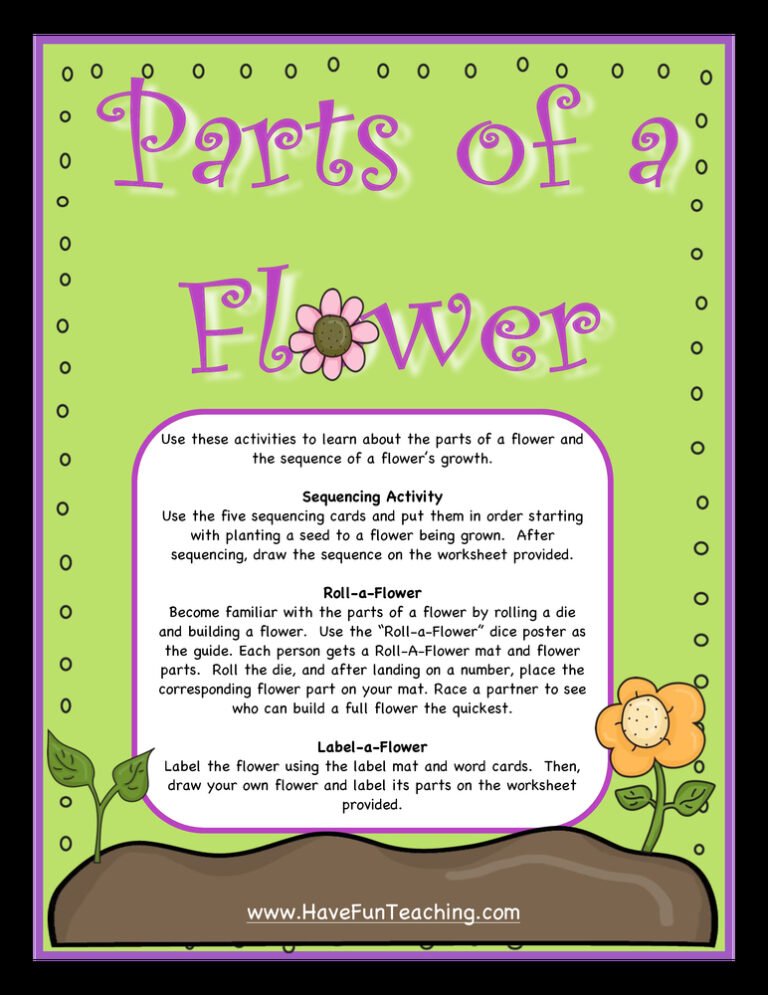
ActivityKindergartenParts of a Flower Activity

Explore this parts of a flower activity with kindergarten to 2nd grade students. Kids order life cycle cards, spin and color flower parts, and an answer key is included.

Activity
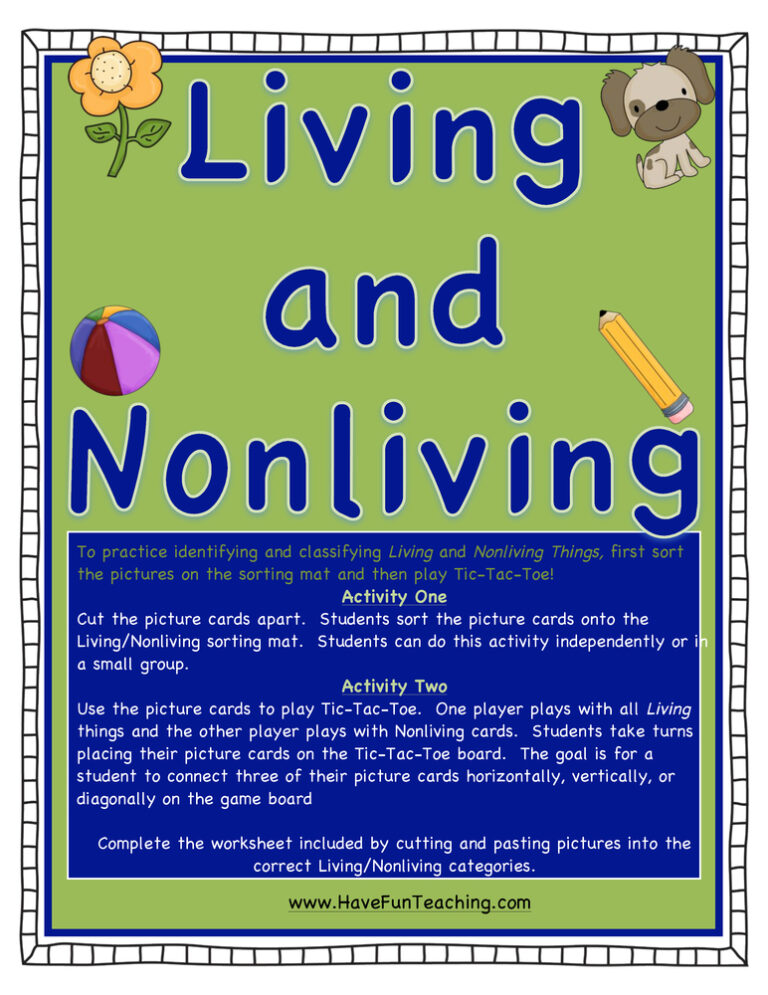
ActivityKindergartenLiving and Nonliving Activity

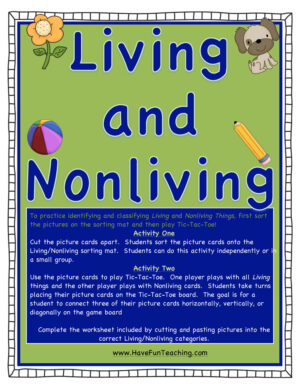
This living and nonliving activity gives kindergarten to 2nd grade students 12 picture cards and a sorting mat to classify things that are alive. A practice page and answer key are included.

Activity
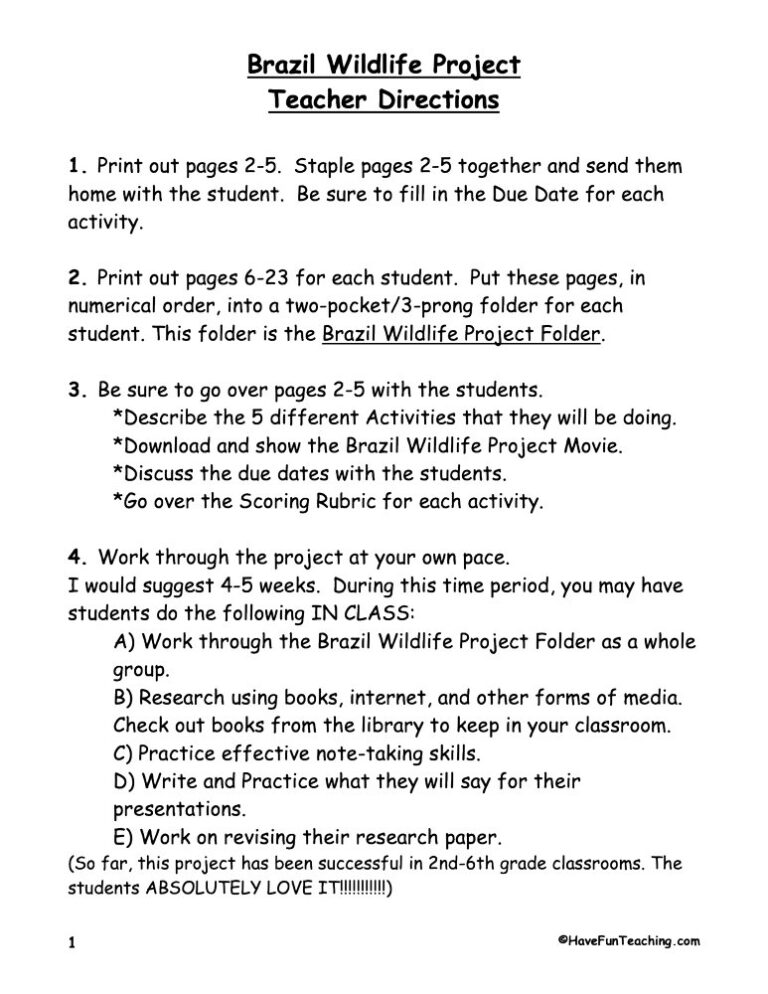
Activity3rd GradeBrazil Wildlife Animal Project

This Brazil wildlife animal project activity has students sort ten rainforest animals by layer, then research one animal and share it. Made for 3rd to 5th grade, answer key included.

Activity
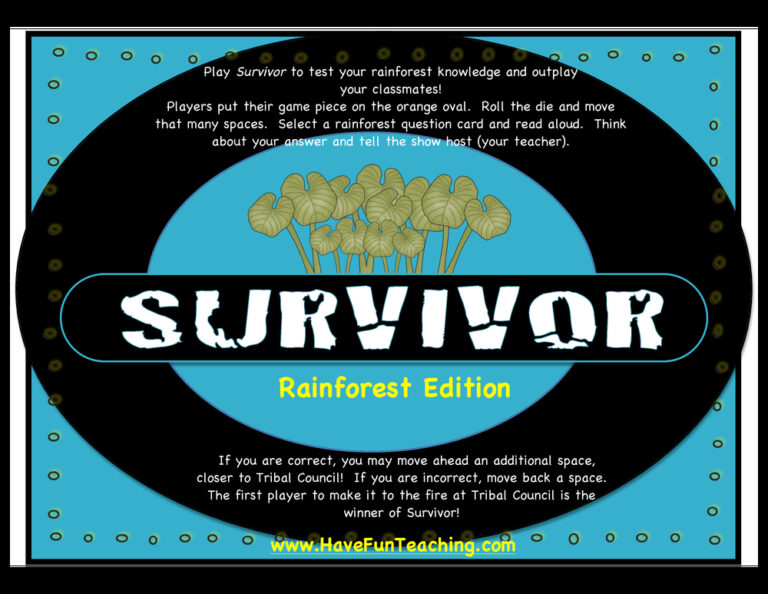
Activity2nd GradeSurvivor Rainforest Edition Activity

Using this Survivor Rainforest Edition Activity, students play the survivor board game to test your knowledge of animals and their habitats.

Activity
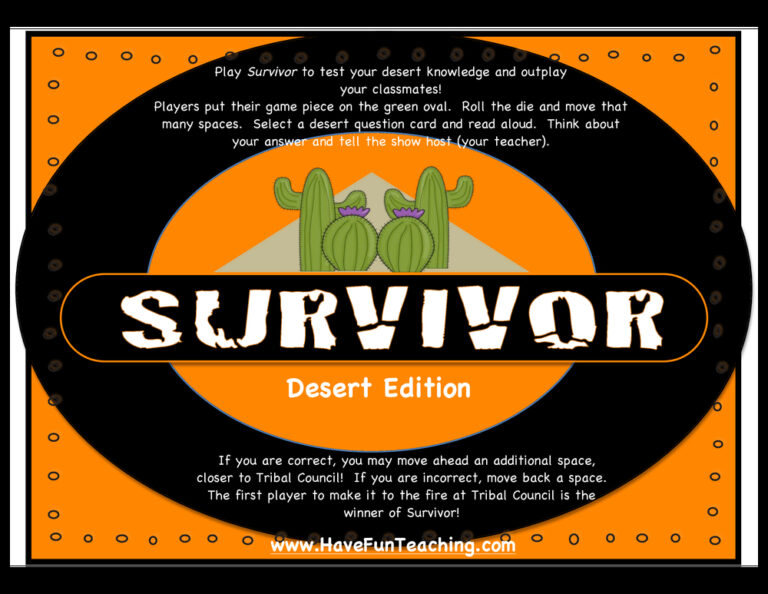
Activity2nd GradeSurvivor Desert Edition Activity

Using this Survivor Desert Edition Activity, students play the survivor board game to test your knowledge of animals and their habitats.

Activity
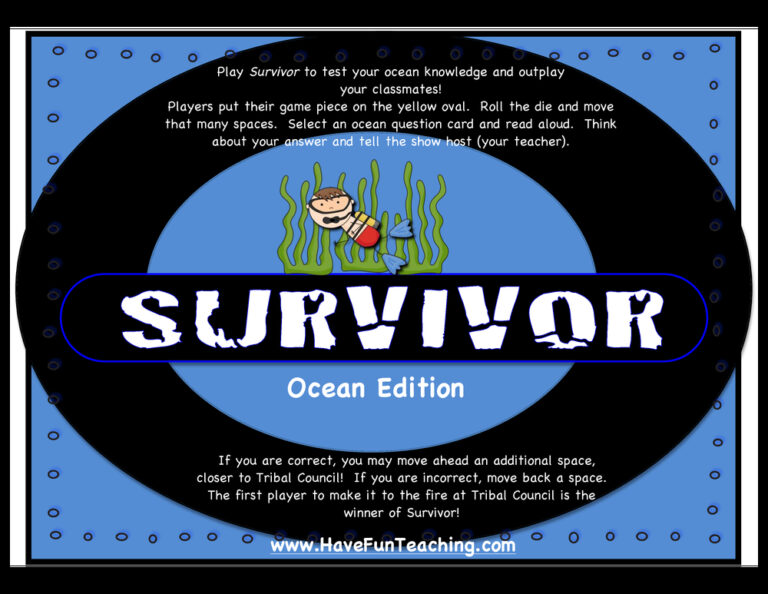
Activity2nd GradeSurvivor Ocean Edition Activity

Using this Survivor Ocean Edition Activity, students play the survivor board game to test your knowledge of animals and their habitats.

From our teachers' playbook

Is it alive? Let's find out!

What do kids learn about living and non-living things?

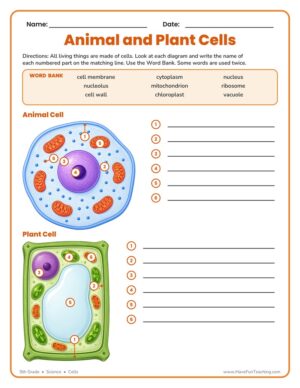
Kids learn that living things share a few big traits: they grow, need food, water and air, respond to the world around them, and reproduce. A dog, a tree and a mushroom are living; a rock, a cloud and a toy car are not. Young kids sort objects and pictures into two groups and explain why. The tricky part is things that move but aren't alive, like wind or a car, and living things that don't seem to move, like a seed or a tree. Older kids learn that all living things are made of cells, compare plant and animal cells, and classify living things into groups. The click is when a child argues that a seed is alive, and proves it.

Our favorite ways to teach living and non-living things

This topic sparks great debates. These moves turn those debates into learning.

Sort and defend

Give pairs a pile of picture cards and two hoops. They sort living and non-living, but every card needs a reason: "It grows, so it's living." Mix in tricky ones like fire, a seed and the sun. The arguing is where the real learning happens.

Why it works: the U.S. Department of Education's guide for teaching elementary math recommends moving from hands-on objects to drawings to numbers.

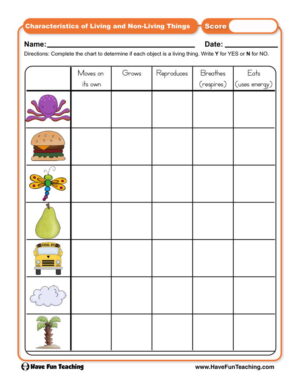
Living and Non-Living Things Sort WorksheetTry it withLiving and Non-Living Things Sort WorksheetWorksheetsOpen it →
Alive or not?

Hold up an object or picture and kids show thumbs up for living and thumbs down for non-living. Pause on the ones that split the class and let kids explain. Fast checks show you which ideas still need work.

Why it works: researchers who compared ten study methods found practice testing is one of the two that work best (Dunlosky and colleagues, 2013).

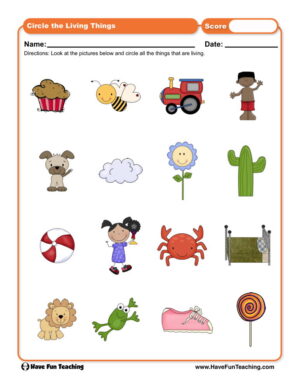
Circle the Living Things WorksheetTry it withCircle the Living Things WorksheetWorksheetsOpen it →

Living and non-living things: your questions

What are the characteristics of living things?

Living things grow and change, need food, water and air, respond to their environment, and reproduce. They are also made of cells.

Is fire a living thing?

No. Fire grows, moves and needs air, but it isn't made of cells, doesn't reproduce like living things and doesn't eat food. It's a great example for a class discussion.

Are seeds living or non-living?

Seeds are living. They're resting, but inside is a tiny plant that will grow when it gets water and warmth.

What grade learns about living and non-living things?

Kids usually explore this in preschool through 1st grade, sorting objects and describing what living things need. Older grades revisit it when they study cells and classification.