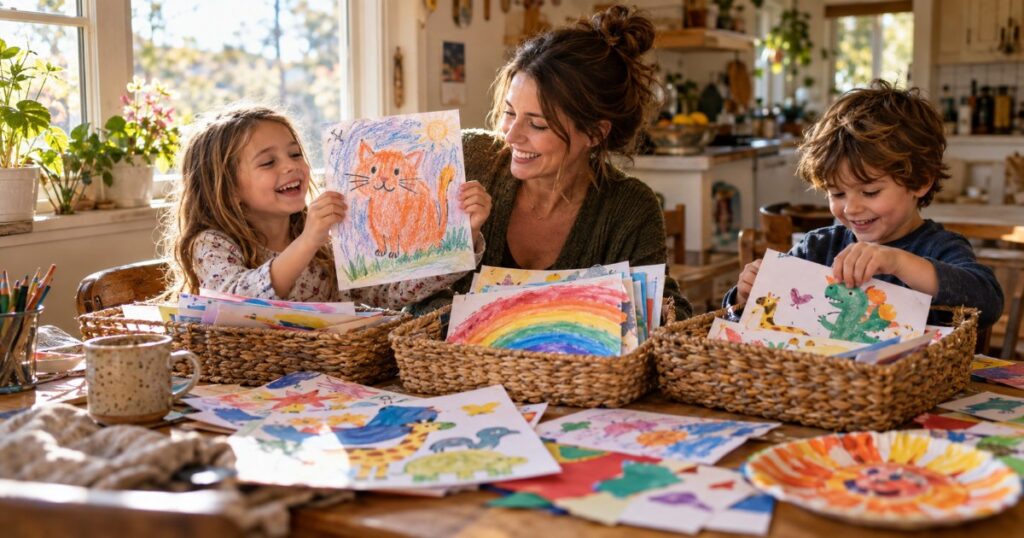
It starts innocently. A phonics page on Monday, two math sheets on Tuesday, a drawing of a very round cat on Wednesday. By October the kitchen counter has vanished, and you’re staring down the question every homeschool family eventually asks: what do I actually do with all this homeschool paper clutter?
Here’s the good news. You don’t have to keep it all, and you don’t have to feel guilty about the recycling bin. A little sorting, a quick way to write down what happened, and a handful of pages saved on purpose will cover you. Here’s the whole system, the way I’d set it up at my own table.
The short version
3 days free
Ready for the whole library?
You’ve had your freebie — but members download 10,000+ resources for every grade, all year long. Try it free — $0 today, cancel anytime.
Free for teachers
Pick your grade. We’ll send 10 free resources.
Worksheets, activities and a video — picked for your classroom, ready to print tonight.
One free bundle per teacher. We’ll also send free teaching ideas each week — unsubscribe anytime.


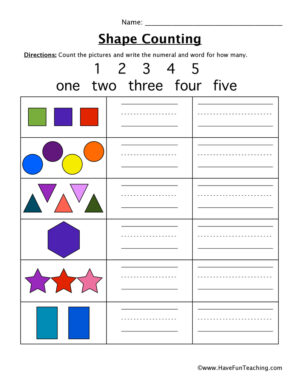

- Most finished worksheets have done their job once your child has done them. Write down what was learned, then let most of them go.
- Sort every stack into three piles: Keep, Log, and Let Go.
- Save a few pages on purpose, especially the same page done at the start and end of the year.
- Swap some paper for songs and videos. The best lessons don’t leave a pile behind.
Why homeschool paper clutter piles up so fast
A classroom teacher sends papers home at the end of the day. You are the home, so everything stays. Every worksheet, every craft, every half-finished story lands somewhere in your house.
Add a few kids at different grades and the pile doubles every week. It isn’t a sign you’re disorganized. It’s a sign your children are doing a lot of work, which is exactly what you wanted.
The trouble is that paper hangs around long after its job is done. A worksheet’s real value is the ten minutes a child spends thinking through it. Once that’s happened, the page itself is mostly a receipt.
What should you keep from a year of homeschooling?
Keep less than you think, but keep it on purpose. The goal is a small, meaningful stack you’d actually enjoy flipping through, plus a simple written record of the year. Everything else can go.
The three-pile sort: Keep, Log, Let Go
Once a week, or once a month if that’s more realistic, grab the stack and sort it into three piles.
- Keep: pages that show growth or personality. The first story they wrote on their own. A math page they were so proud of. Anything that makes you smile.
- Log: pages that prove a skill was learned. Write one line about it (for example, “Finished two-digit subtraction, needs more practice with regrouping”) and then move the page to the recycling pile.
- Let Go: practice pages, coloring sheets, and anything that was just a warm-up. Recycle them without a second thought.
Pick keepers that tell a story
The best keepers show change over time. A shaky name written in September next to a confident one in May says more about the year than fifty finished pages ever could. Aim for two or three pages per subject per term. That’s enough to remember the year without needing a spare room.
If a page is sweet but bulky, snap a photo and recycle the original. Kids often love scrolling through a photo album of their own work more than digging through a box.

Learning that leaves no paper behind
The easiest way to shrink the pile is to print a little less in the first place. Not every lesson needs a worksheet. Some of the best learning happens while kids are singing along, dancing around the living room, or watching a short video over breakfast.
Have Fun Teaching isn’t only printables. The library has hundreds of skill songs and matching videos. Browse them on the homeschool songs page or the educational videos page, and find even more on the Have Fun Teaching YouTube channel. Start with the one kids already know by heart. The Alphabet Song has been played more than 392 million times.
Try this rhythm: learn the skill with a song, practice it out loud or with a game, then print one worksheet to check it. That’s one page instead of three, and it’s usually the one worth keeping.
5 worksheets worth keeping forever
Some pages are made to be saved. These five work like a time capsule. Have your child do them once at the start of the year and again at the end, then clip the two copies together. It’s the most satisfying before-and-after you’ll ever file.
-
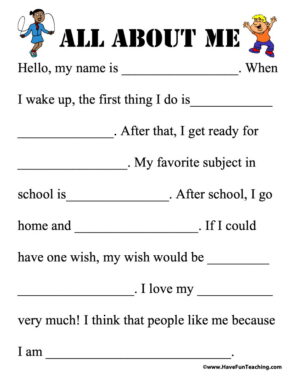
1st Grade · Back to School
A self-portrait plus five friendly sentence starters about their favorite things. The answers change more in a year than you’d expect, and that’s what makes it a keeper.
-
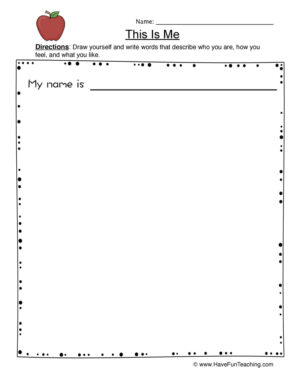
Kindergarten · Back to School
Three easy sentence starters and a big self-portrait box for your youngest learners. Compare the September drawing with the May one and watch those stick arms turn into real hands.
-

Kindergarten · Writing
Write and Draw Your Name Worksheet
Three handwriting guides for their name and a frame to draw themselves in. Nothing shows a year of fine-motor practice quite like a name that finally fits on the line.
-
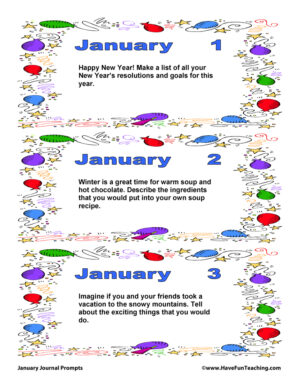
3rd Grade · Writing
Sixteen cozy winter writing starters, from New Year goals to snow days. Keep one favorite entry and let the rest go. It’s a snapshot of how your child thinks, in their own words.
-

2nd Grade · Writing
You Write the Story Rabbit Picture Worksheet
Kids name three playful rabbits and write their own story with a beginning, middle, and end. The fall version might be two sentences and the spring one a whole page.
Homeschool tip: Print two copies of each keeper page at the start of the year. Tuck the spare in an envelope marked “May” so the end-of-year version is ready and waiting.
Ready-to-print
Journal pages worth keeping
Daily prompts, writing paper, and story starters for every season. Pick the pages that show how your child thinks, and let the practice pages go.
Get the Journal Prompts Browse free resourcesNo login needed to browse · Preschool–6th · Print in seconds
Write it down, then let it go
Here’s the secret that makes recycling feel safe: once you’ve written down what your child learned, the paper itself stops mattering. A few lines of notes can stand in for a whole stack of practice pages.
Keep it simple. Jot down which days you did school, and every few weeks write a short note about how each subject is going. Many families also like to pair their notes with a journal page the child writes themselves.
Full disclosure: the same person who owns Have Fun Teaching also owns a sister company, Homeschool Reports, which was built for exactly this part. You can log each school day in a couple of clicks, write a quick progress note for every subject, and later turn those notes into a tidy year-end report card without starting from scratch. It keeps all of your records in one place, so the paper can go into the recycling bin with a clear conscience. It has a free-forever plan for one child if you’d like to see how it feels.
📋 Track it
Homeschool Reports
Records that practically keep themselves
6 reports on every planFree forever for 1 child
- Attendance, report cards & progress reports
- Transcripts, certificates & diplomas
- No card needed to start
Requirements differ from state to state, so always check what yours asks for. HSLDA’s state-by-state guide is a helpful place to start.
The worksheet did its job the moment your child finished it. Keep the story, write down the learning, and let the rest of the stack go.
How Have Fun Teaching helps you print less and keep more
A library that mixes paper with songs and videos gives you more ways to teach and fewer pages to manage. Here’s how families use it to keep homeschool paper clutter under control. For the bigger picture, visit the Have Fun Teaching homeschool hub.
- Print only what you need. Every resource is sorted by grade and subject, so you grab one page for tomorrow instead of a whole packet.
- Teach without paper. Songs and videos cover the same skills as the worksheets, so a lot of practice can happen out loud.
- Save the pages that matter. Back-to-school and journal pages like the ones above were made to be kept and compared.
Want to see the whole library? Check out the membership plans.
Homeschool paper clutter: your questions answered
How long should I keep homeschool papers?
Keep your written records, like attendance and progress notes, for as long as your state requires, and many families keep them for good. Everyday practice pages can usually go once you’ve written down what was learned. Rules differ by state, so check yours before you recycle anything official.
Should I scan my kids’ schoolwork?
Scanning or photographing work is a great middle ground. Snap a picture of anything sweet but bulky, like a big art project or a long story, and store the photos in a folder for each child and year. You keep the memory without the box, and kids love scrolling back through it.
How do I stop feeling guilty about throwing away schoolwork?
Remember that the learning lives in your child, not in the paper. Once a page has been finished and noted, it has done its job. Keeping a small stack of favorites on purpose makes it much easier to let the rest go, because you know the best pieces are safe.
Can songs and videos replace some worksheets?
Yes, for a lot of practice they can. A song is a quick, fun way to review letters, counting, or skip counting without printing anything. Many families use a song to introduce a skill, practice it out loud, and then print just one worksheet to check understanding.
Less paper, more learning
Get the whole Have Fun Teaching library: worksheets worth keeping, plus songs and videos that don’t add to the pile.
- 10,000+ ready-to-teach resources
- Preschool–6th grade
- Loved by 2M+ teachers & homeschoolers
$0 today · Cancel anytime
3 days free
Ready for the whole library?
You’ve had your freebie — but members download 10,000+ resources for every grade, all year long. Try it free — $0 today, cancel anytime.
Free for teachers
Pick your grade. We’ll send 10 free resources.
Worksheets, activities and a video — picked for your classroom, ready to print tonight.
One free bundle per teacher. We’ll also send free teaching ideas each week — unsubscribe anytime.