
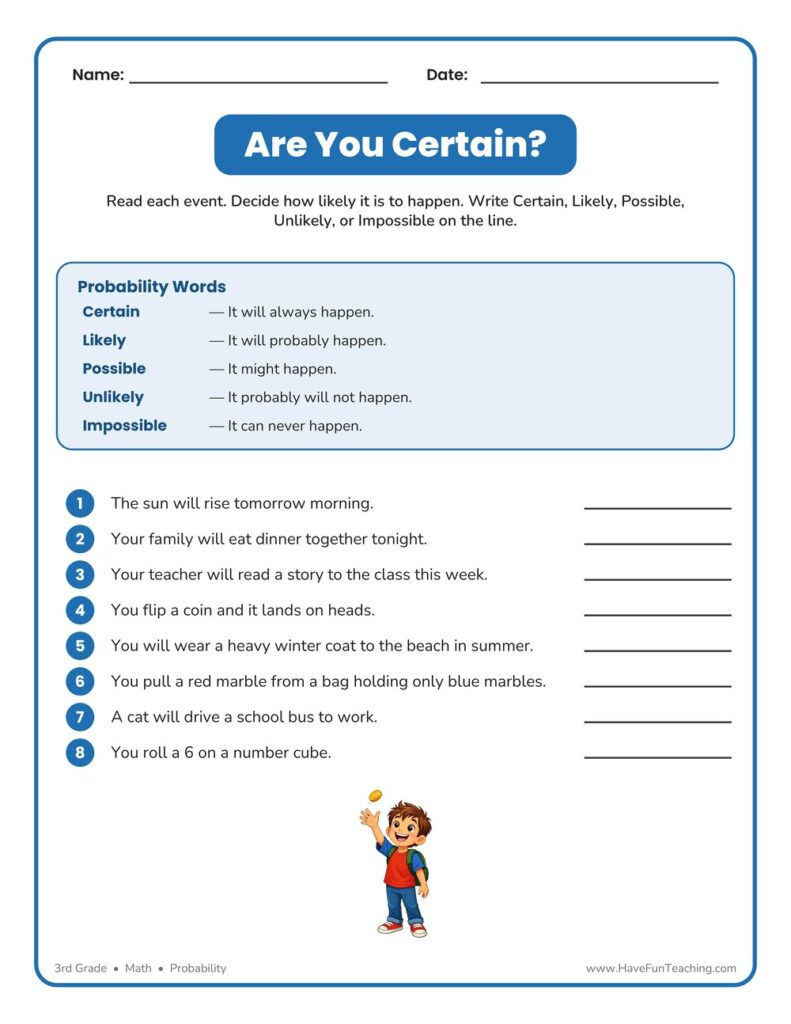
Are You Certain? Probability Worksheet
The Are You Certain? Probability Worksheet gives 3rd graders playful, real-world practice deciding whether everyday events are certain, likely, possible, unlikely, or impossible. Includes a complete answer key for fast, no-prep probability review.
$6.97
Or free with a membership — members pay $3.33/mo for all 10,000+ resources. See plans
Want this one free?
Tell us where to send it and it’s yours — no card, no catch.
One free resource per teacher. We’ll also send free teaching ideas each week — unsubscribe anytime.
Teaching is easier with a membership
Unlimited printables, games & videos for PreK–6th — for your classroom or homeschool. Cancel anytime.
Start your 3-day free trial$0 today · cancel anytime · Instant access to 10,000+ resources
About this resource
Description
Probability is all about how likely an event is to happen, and the Are You Certain? Probability Worksheet gives 3rd grade students a friendly, real-world way to explore it. Instead of numbers and fractions, kids read everyday events and decide whether each one is certain, likely, possible, unlikely, or impossible. This vocabulary-first approach helps young learners build a strong foundation in probability before they ever calculate odds, and it connects a big math idea to situations they already understand.
This probability practice worksheet opens with a handy reference panel that defines all five probability words, then asks students to read eight short events and write the best word on the line beside each one. From “the sun will rise tomorrow morning” to “a cat will drive a school bus to work,” the events are playful and easy to picture, so children can focus on reasoning about likelihood rather than decoding hard text. A complete answer key is included so checking work is quick and simple.
What’s Included
- 1 print-ready PDF worksheet
- Answer key
- A five-word probability reference panel and 8 read-and-label events
The Are You Certain? Probability Worksheet helps kids learn this skill in three important ways. First, the reference panel keeps the five probability words in front of students, so they learn the vocabulary through repeated, meaningful use. Second, the everyday scenarios build reasoning skills, asking children to judge how likely something is instead of simply memorizing a rule. Third, the mix of certain, likely, possible, unlikely, and impossible events gives balanced practice across the whole probability scale, so no single answer becomes an easy default.
Teachers and parents can extend this skill in lots of fun ways. Try sorting real classroom events into “certain,” “possible,” and “impossible” piles, or spin a spinner and predict the outcome before each turn. Flip a coin or roll a number cube and talk about why heads and tails are equally possible. Ask students to invent their own silly impossible events, or to survey friends and decide which outcomes are likely. Pair this worksheet with hands-on games so children hear and use probability words all week long.
Related Resources
What teachers say
Reviews
You must be logged in to post a review.
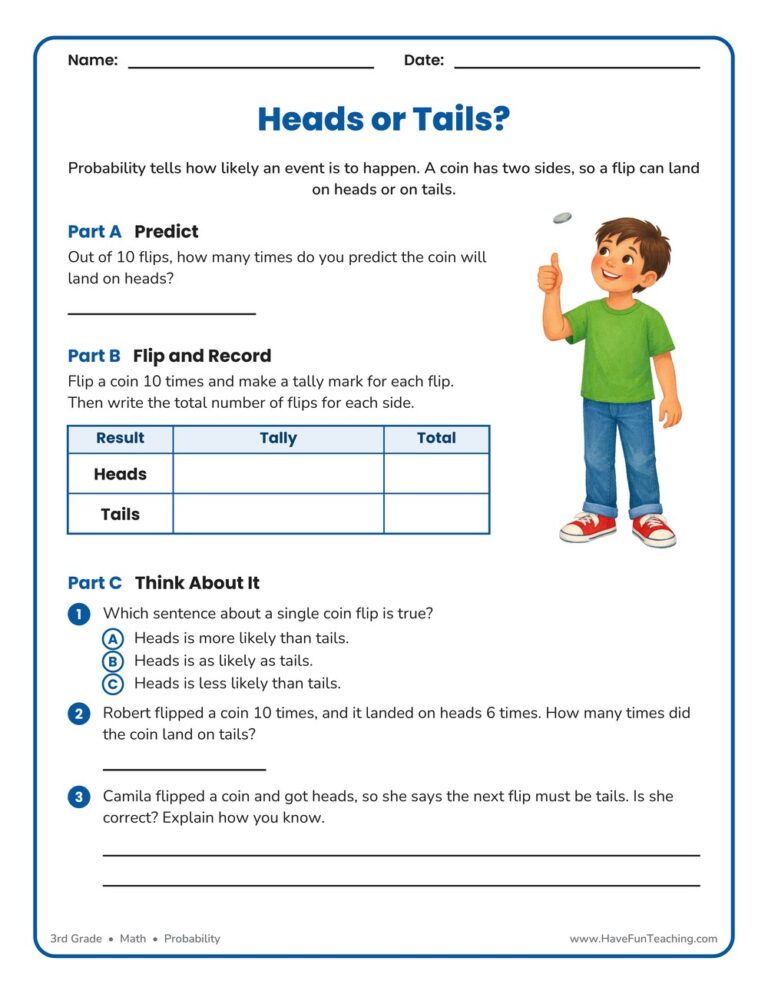
This Heads or Tails Probability Worksheet has 3rd graders predict, flip a coin ten times, and tally the results, then explain why each flip is equally likely. Answer key included.
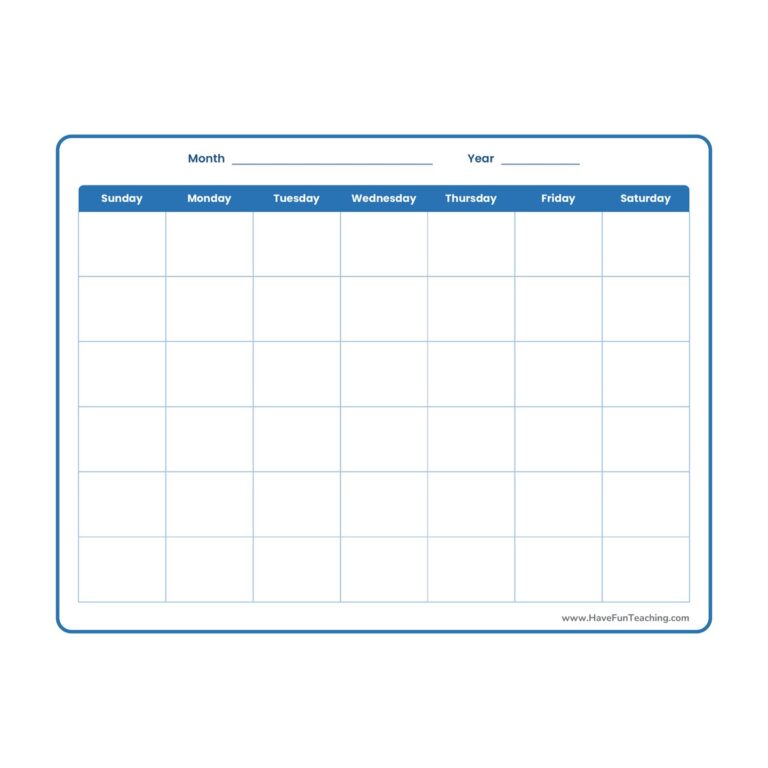
A printable, ready-to-use blank calendar with a landscape monthly grid and labeled day columns. Great for Kindergarten through 5th grade classrooms to map out lessons, holidays, and daily routines—just add the month and the dates.
Using the Counting Songs (Classic Video Collection), students practice skip counting by all of the numbers by singing and counting along to these thirteen videos.
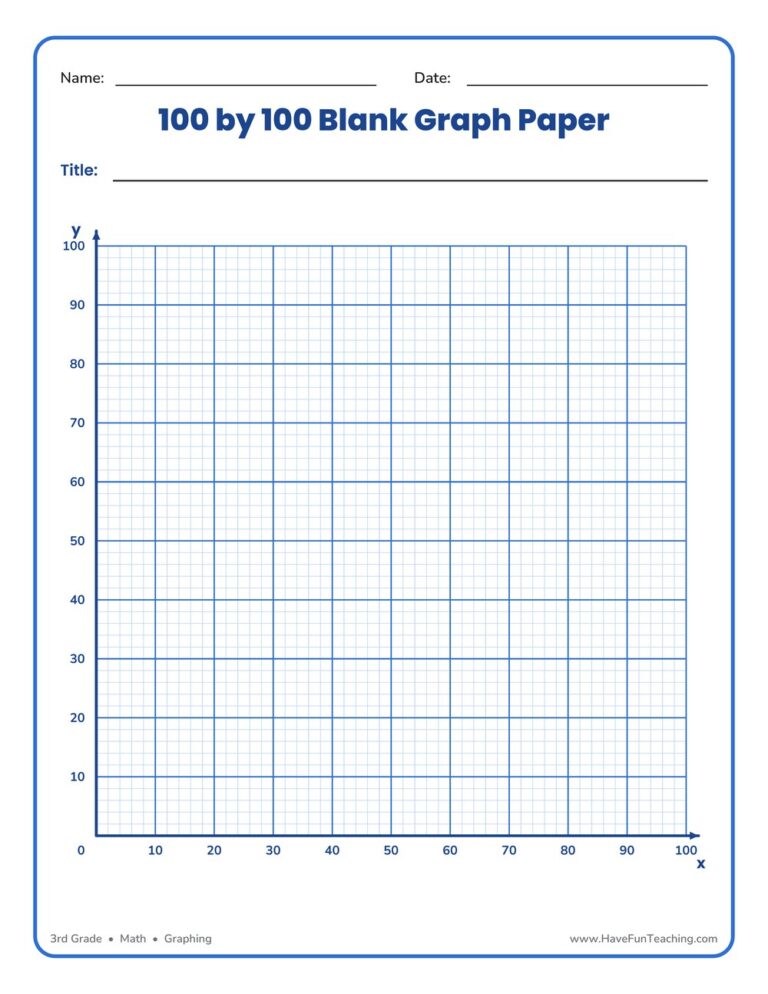
This 100 by 100 blank graph paper worksheet gives 3rd graders a ready-made coordinate grid numbered to 100 by tens — perfect for plotting points, building bar graphs, and organizing data with no prep required.
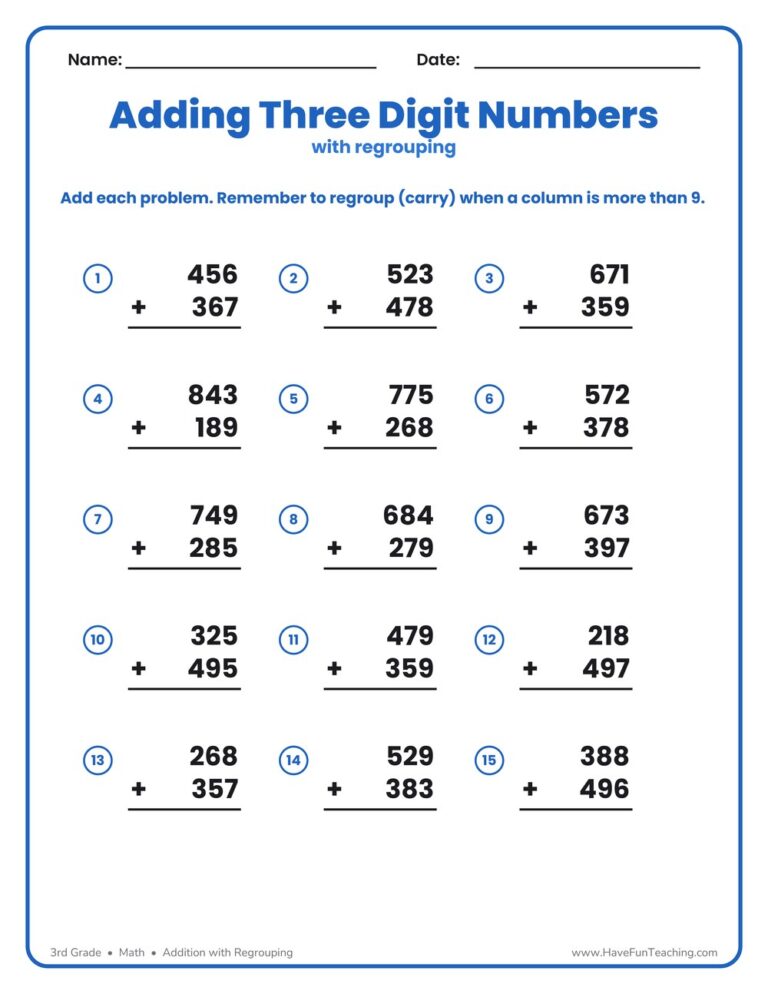
This triple digit addition regrouping worksheet gives 3rd graders fifteen three-digit column addition problems that all practice carrying across places. A complete answer key is included for fast, no-prep math review.

This Third Grade Math Test Practice Worksheet gives students 10 multiple-choice questions on place value, addition, and subtraction, with a complete answer key for fast, no-prep review.
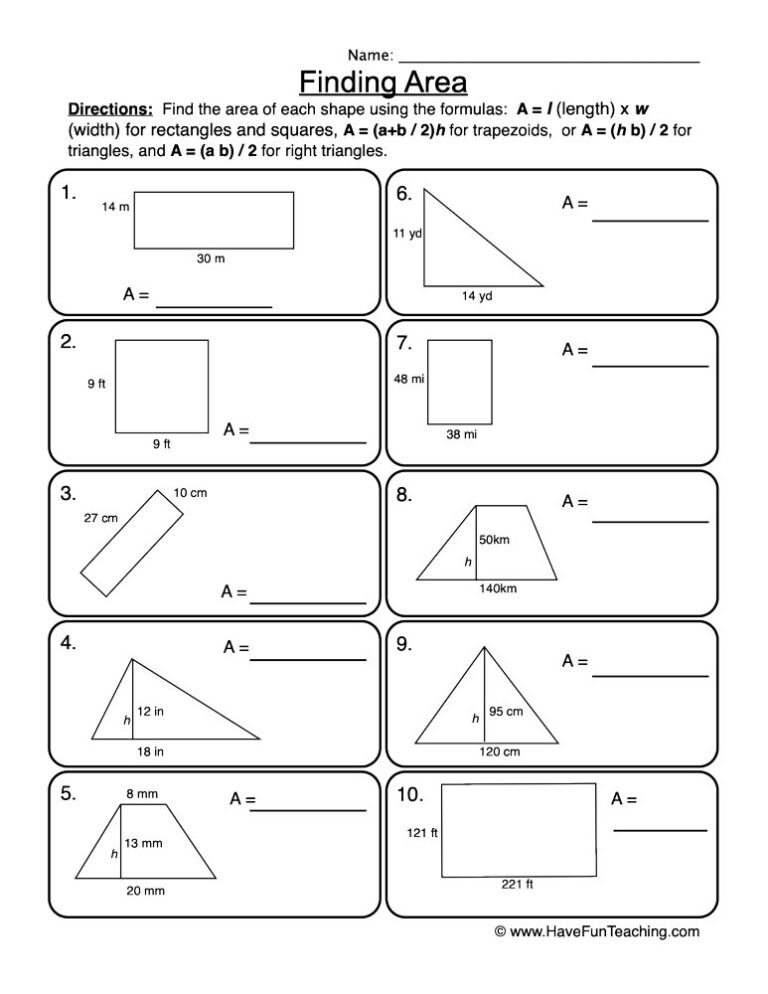
A Finding Different Shapes Area Worksheet where 3rd graders find the area of rectangles, squares, and composite shapes in square units. Answer key included—great for no-prep area practice.

Third graders round three-digit numbers to the nearest hundred to estimate each sum on this Adding and Estimation Worksheet, then add to find the actual total. Includes an answer key—great for quick, no-prep math practice.

Using the Counting By Fives Song (Original Music Video), students practice skip counting by 5s by singing and counting along to this fun and engaging video!

This 3rd grade Finding the Area of Grid Shapes Worksheet has students count unit squares to find the area of rectangles and L-shapes. Answer key included.
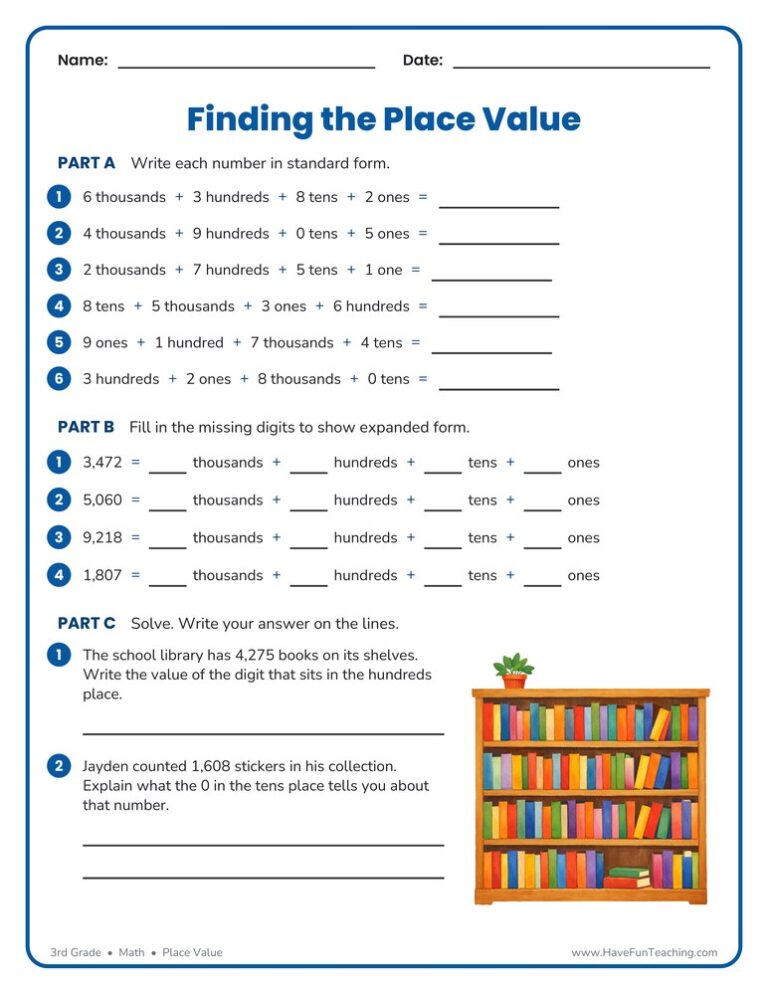
This Place Value Thousands, Hundreds, Tens, Ones Worksheet gives 3rd Grade students practice moving between expanded form and standard form, with an answer key included, so four-digit numbers finally click.

This third grade multiplication and division test practice worksheet gives students twelve multiple-choice problems that mix facts with word problems. Includes a complete answer key — perfect for quick, no-prep review before a quiz or test.
Reviews
There are no reviews yet