
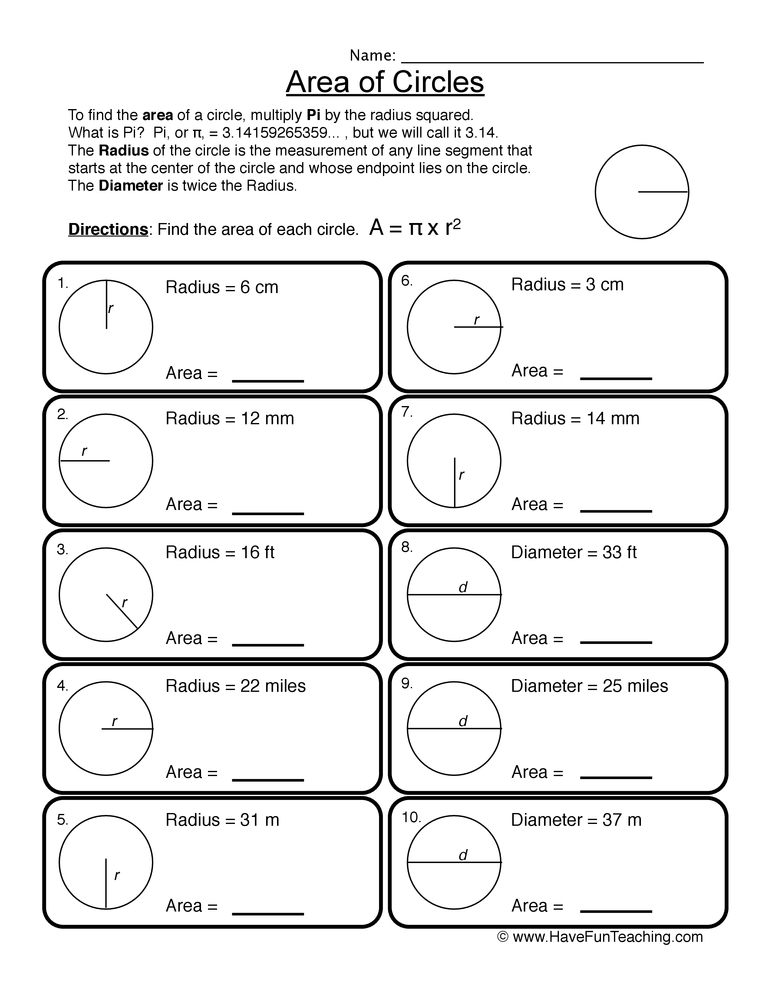
Area of Circles Worksheet
This area of circles worksheet gives 6th graders six labeled circle diagrams and two multi-step word problems using A = pi x r squared. An answer key is included, so students can check their own reasoning right away.
$6.97
Or free with a membership — members pay $3.33/mo for all 10,000+ resources. See plans
Want this one free?
Tell us where to send it and it’s yours — no card, no catch.
One free resource per teacher. We’ll also send free teaching ideas each week — unsubscribe anytime.
Teaching is easier with a membership
Unlimited printables, games & videos for PreK–6th — for your classroom or homeschool. Cancel anytime.
Start your 3-day free trial$0 today · cancel anytime · Instant access to 10,000+ resources
About this resource
Description
Finding the area of a circle is the moment geometry stops being about straight edges and starts being about curves, and it is one of the most useful measurement skills a middle school student learns. Once students know that the radius is the distance from the center to the edge, and that pi is the constant that connects a circle’s width to the space inside it, they can calculate the area of anything round — a garden bed, a pizza, a rug, a fountain, a bike wheel. This area of circles worksheet gives students focused practice with the formula A = π × r², including the extra step of halving a diameter before squaring it.
This 6th grade area worksheet is a two-page, print-ready PDF that moves from straightforward computation to real-world reasoning. Part A gives six clearly labeled circle diagrams — three that supply the radius and three that supply the diameter — so students practice recognizing which measurement they have been handed before they start multiplying. Part B adds two multi-step word problems that ask students to show their work and justify a comparison. Use it as guided practice after a lesson, as independent classwork, as homework, or as a quick formative check before a unit test.
What’s Included
- 1 print-ready PDF worksheet
- Answer key
- 6 labeled circle diagrams (radius or diameter given) plus 2 multi-step word problems
There are three reasons this resource helps students master the skill. First, it separates the two cases that trip students up most: half of the diagrams give the radius and half give the diameter, so students have to stop and decide instead of applying one habit to every problem. Second, every diagram is labeled and drawn cleanly, so students spend their thinking on the formula rather than on decoding a cluttered picture. Third, the word problems in Part B require students to explain and compare, which is exactly the constructed-response reasoning that state assessments ask for. Because this area of circles worksheet includes a complete answer key, students can also check their own work and find their own mistakes.
Teachers and parents can extend this skill well beyond the page. Hand students a tape measure and let them find the area of a real circle — a trash can lid, a clock face, a round table, a hula hoop — and compare their answers. Cut a paper circle into narrow wedges and rearrange them into a near-rectangle so students can see for themselves why the formula works. Challenge students to work backward from a known area to find the radius, or to calculate how much more pizza is in a 16-inch pie than in two 8-inch pies. Small investigations like these turn a memorized formula into something students genuinely understand.
Related Resources
What teachers say
Reviews
You must be logged in to post a review.
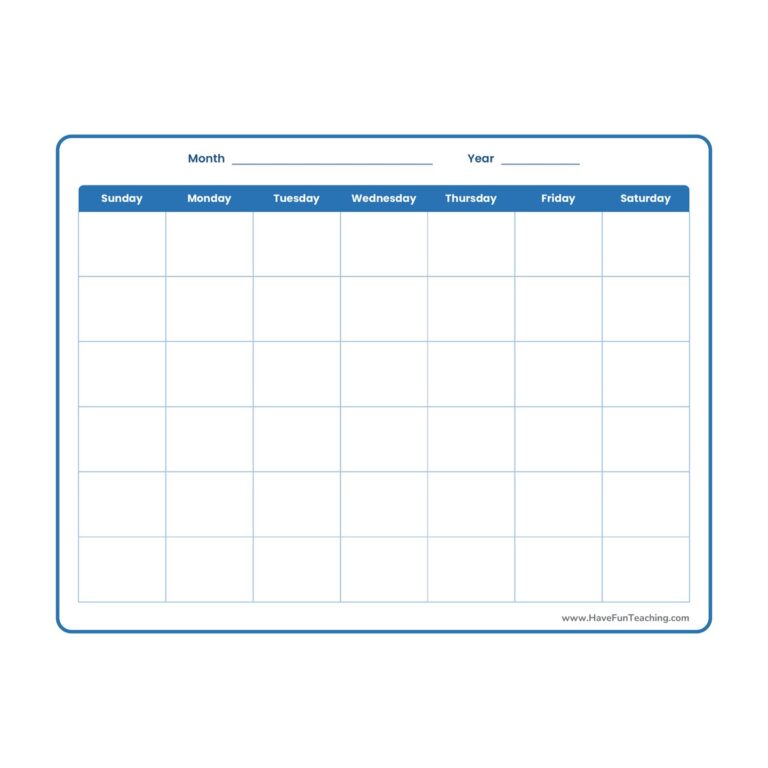
A printable, ready-to-use blank calendar with a landscape monthly grid and labeled day columns. Great for Kindergarten through 5th grade classrooms to map out lessons, holidays, and daily routines—just add the month and the dates.
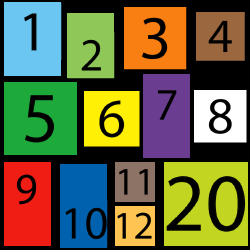
Using the Counting Songs (Classic Video Collection), students practice skip counting by all of the numbers by singing and counting along to these thirteen videos.
Using the Counting By Ones Song (Original Music Video), students practice counting by 1s by singing and counting along to this fun and engaging video!

Using the Counting By Fours Song (Original Music Video), students practice skip counting by 4s by singing and counting along to this fun and engaging video!

Using the Counting By Threes Song (Original Music Video), students practice skip counting by 3s by singing and counting along to this fun and engaging video!

Using the Counting By Twos Song (Original Music Video), students practice skip counting by 2s by singing and counting along to this fun and engaging video!

These Circle Cut Outs will quickly give you templates for classroom decoration or student activities.

Using the Counting Down From Twenty Song (Original Music Video), students practice counting down from 20 by singing and counting along to this fun and engaging video!
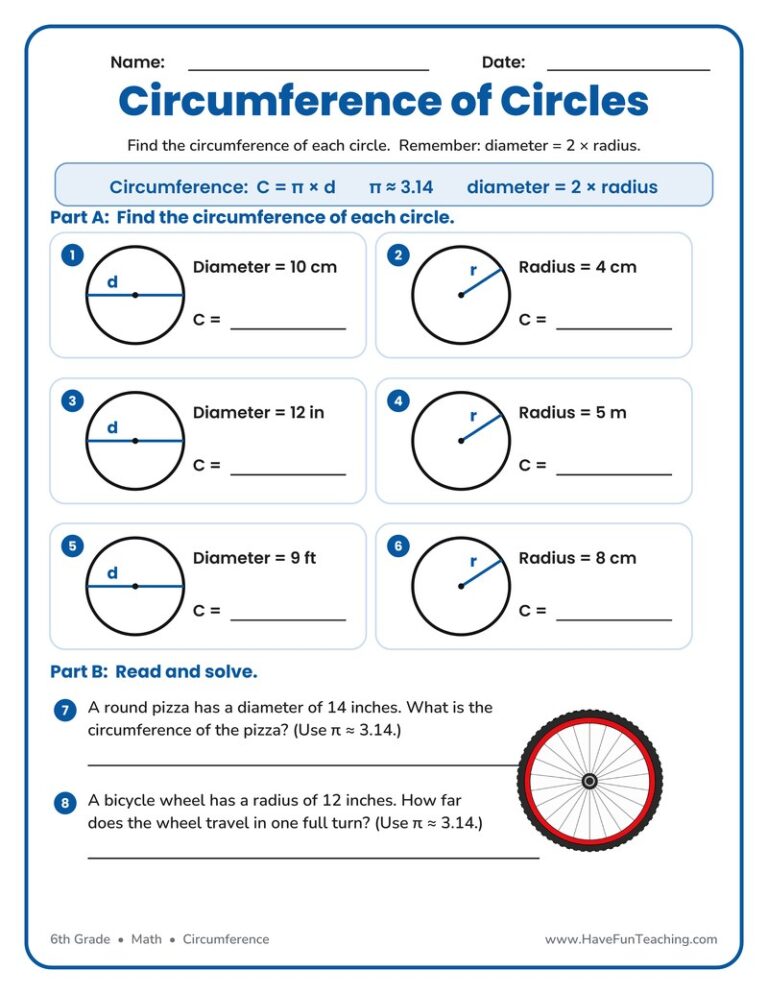
This Circle Circumference Worksheet helps 6th graders find the circumference of circles using the radius or diameter, with clear diagrams and two real-world problems. A complete answer key is included for quick, confident practice.
These Star Cut Outs will quickly give you templates for classroom decoration or student activities.
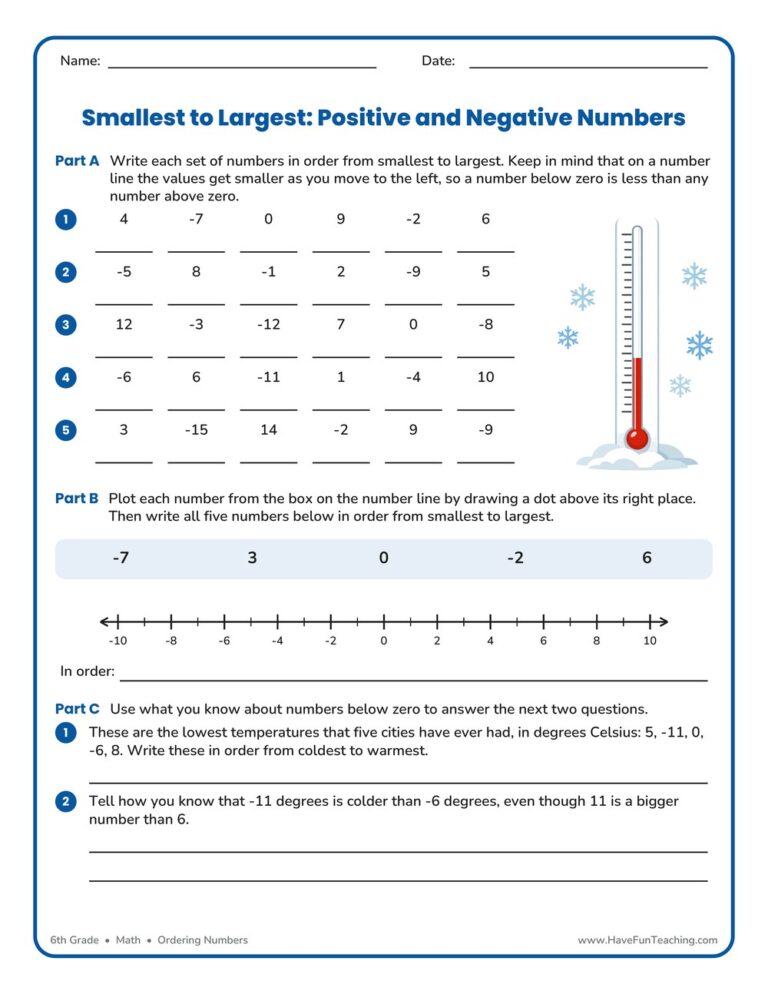
This ordering positive and negative numbers worksheet gives 6th graders five integer sets, a number line, and a real-world temperature task. Answer key included for fast, no-prep integer practice.

Using the Counting By Sixes Song (Original Music Video), students practice skip counting by 6s by singing and counting along to this fun and engaging video!




Reviews
There are no reviews yet