

Blends CL, CR Worksheet
Blends CL, CR Worksheet asks 1st graders to name six pictures and print the missing cl or cr blend, then finish two sentences. Answer key included for quick, no-prep phonics practice.
$6.97
Or free with a membership — members pay $3.33/mo for all 10,000+ resources. See plans
Want this one free?
Tell us where to send it and it’s yours — no card, no catch.
One free resource per teacher. We’ll also send free teaching ideas each week — unsubscribe anytime.
Teaching is easier with a membership
Unlimited printables, games & videos for PreK–6th — for your classroom or homeschool. Cancel anytime.
Start your 3-day free trial$0 today · cancel anytime · Instant access to 10,000+ resources
About this resource
Description
A consonant blend is two letters that keep both of their sounds and slide together at the start of a word, and cl and cr are two of the first pairs a first grader meets. They look almost the same on the page, so a reader who is not listening closely will say crock for clock or clab for crab. Blends CL, CR Worksheet slows that moment down: the child says the picture name out loud, listens for the two sounds at the front, and decides which blend is really there. Hearing the difference comes first, and spelling it follows.
This first grade consonant blends worksheet gives six picture cards, each with the end of the word already printed and the blend missing. The child names the picture, stretches the first two sounds, and prints cl or cr on the line to finish the word. Three pictures take cl and three take cr, so a student who guesses one blend all the way down the page will be wrong half the time. Two sentences at the bottom bring the words back in context, where the child writes the whole word rather than just the blend.
What’s Included
- 1 print-ready PDF worksheet
- Answer key
- 6 picture cards to finish with cl or cr, plus 2 fill-in-the-blank sentences
Blends CL, CR Worksheet helps in three ways. First, the printed word ending means the child only has to solve the part the lesson is about, so the task stays on the blend instead of on spelling a whole word from scratch. Second, the pictures make the sheet readable for a child who is still building sight vocabulary, because the name comes from the picture and not from decoding. Third, the two sentences at the end move the skill from single words into reading, which is where blends actually have to work.
A few more ways to practise at home or in class. Say a word and have the child show cl or cr with two fingers before writing anything. Set out picture cards and sort them into two piles by their first sound, then check each pile by saying the words in a row. Go on a hunt through a favourite book for words that start with cl or cr and list them on a chart. Play a quick game where you say clock and the child says crab, trading a cl word for a cr word until someone runs out. Two or three minutes a day is plenty.
Related Resources
What teachers say
Reviews
You must be logged in to post a review.
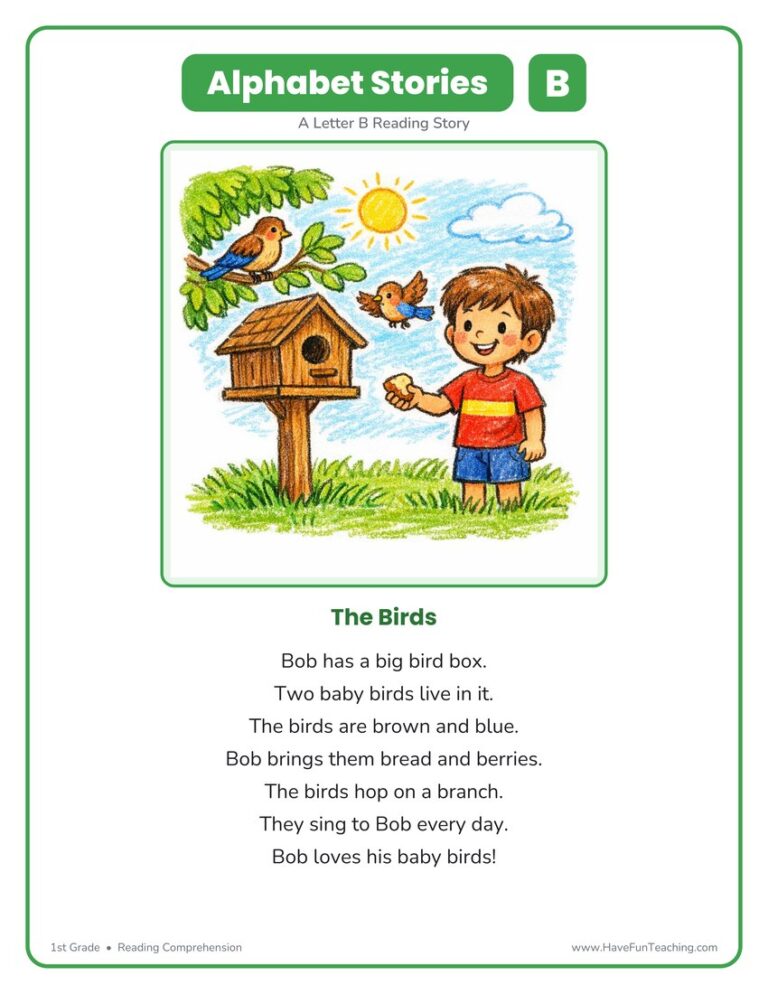
A first grade Alphabet Stories Letter B Reading Comprehension Worksheet built around a short story about Bob and his birds. Includes an answer key — perfect for no-prep letter B reading practice at home or school.
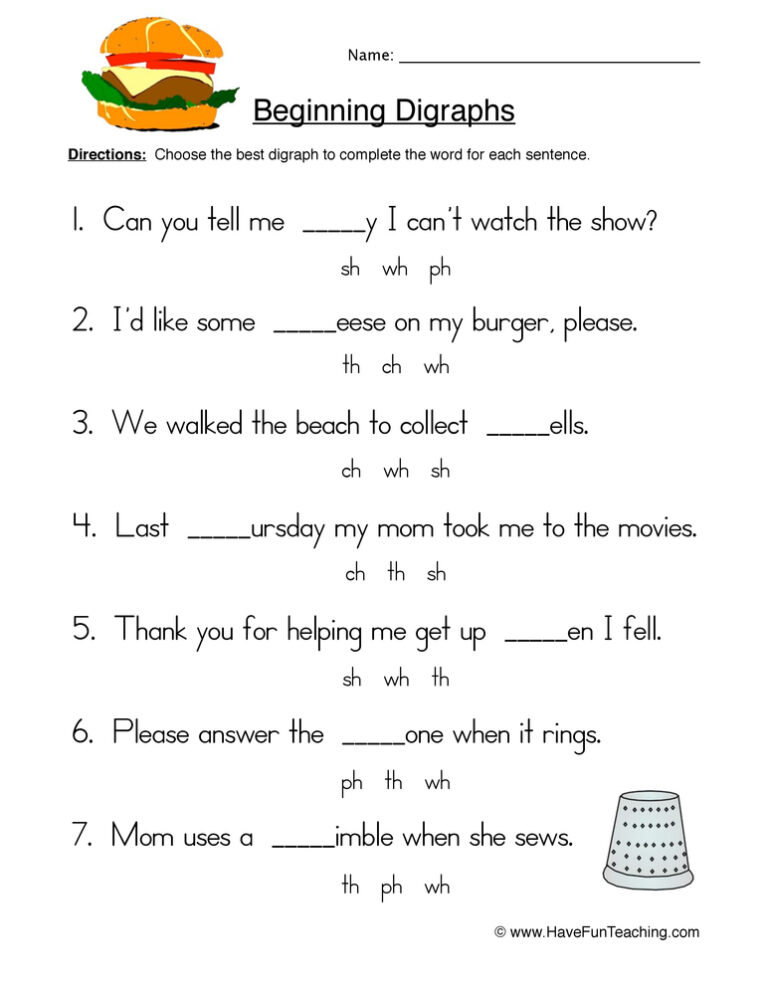
This beginning digraphs fill in the blank worksheet has 1st graders write ch, sh, th or wh to finish words in sentences and under pictures. Answer key included, so it grades itself in seconds.

This Blends SC, SK Worksheet gives 1st graders six picture clues and a word sort for the beginning blends sc and sk. An answer key is included, so blend practice takes no prep.
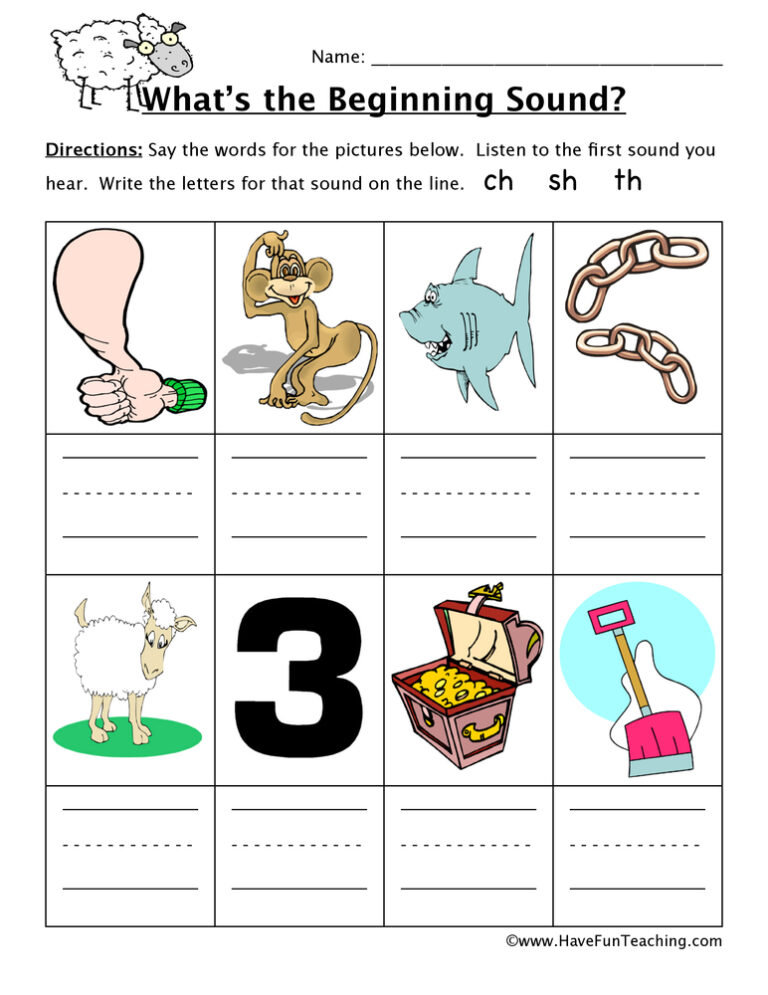
This ch, sh, th beginning sounds worksheet gives first grade students nine picture cards to say, listen to, and finish by writing the missing digraph. An answer key is included, so practice is quick to check.
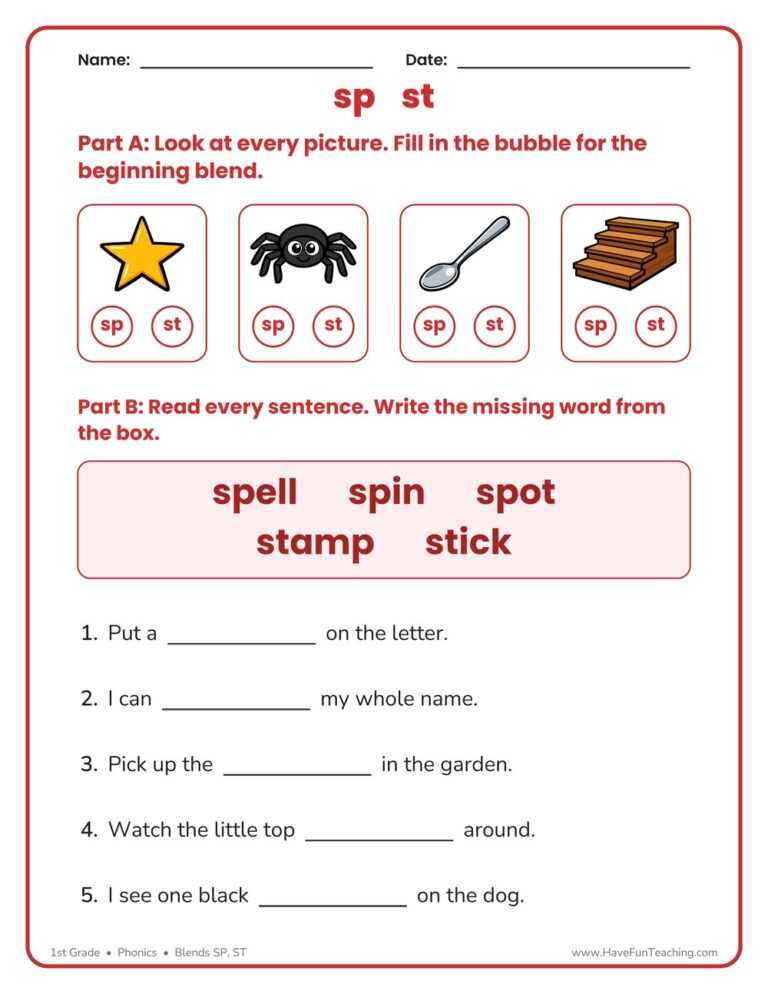
Practice the Blends SP, ST Worksheet with picture bubbles and word-box sentences made for 1st Grade readers. An answer key is included, so beginning blends turn into quick, confident reading.

This Blends BL BR Worksheet has 1st graders write the missing blend under six pictures, then spell two whole words. An answer key is included for quick, no-prep phonics practice.
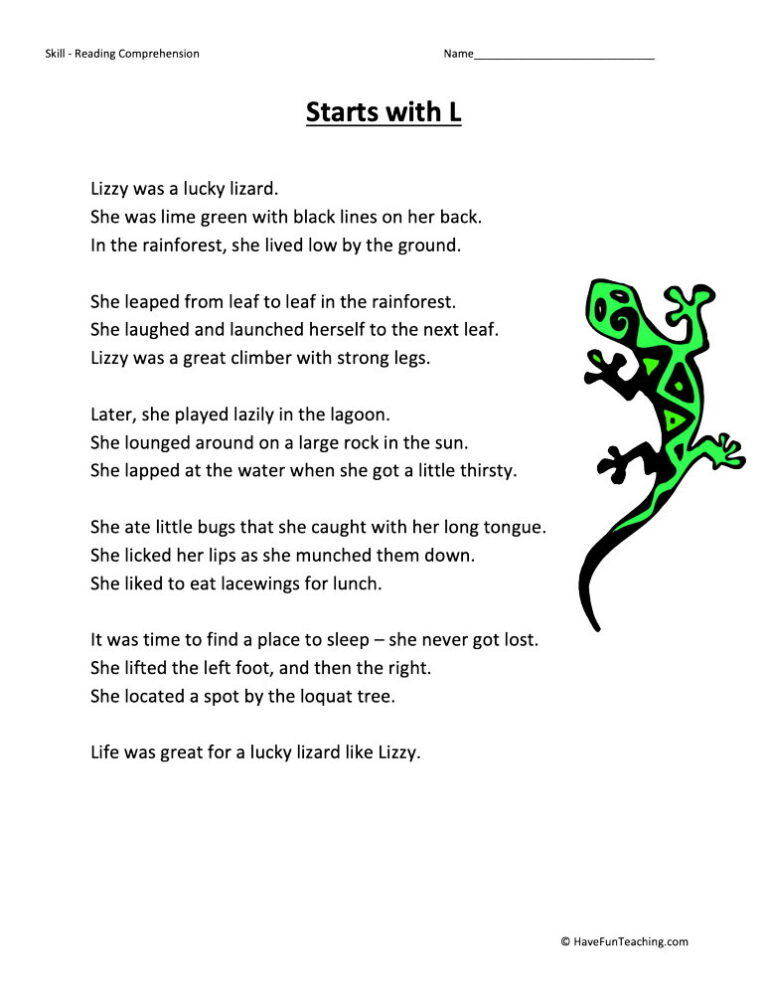
This Starts With L Reading Comprehension Worksheet gives 1st Grade students a short story packed with beginning-L words plus five questions and an answer key, so phonics and reading practice happen on one page.

This beginning sounds fill in the blank worksheet gives 1st graders six pictures to finish with m, p or r, then write the whole word. Answer key included for quick, no-prep phonics practice.
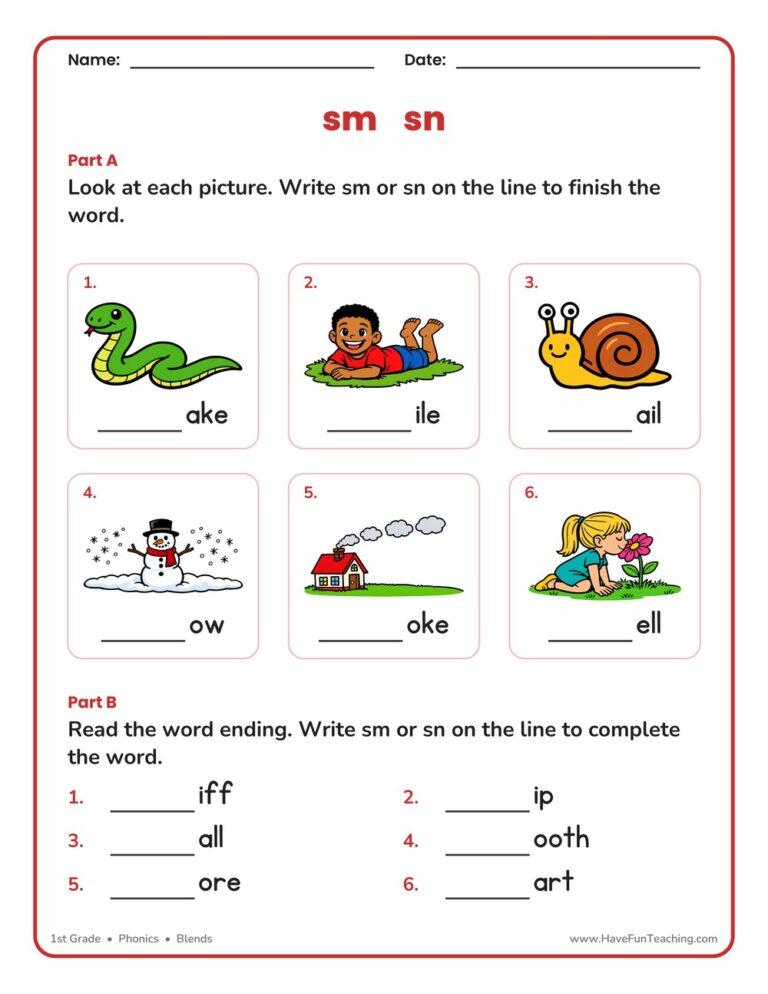
This Blends SM, SN Worksheet asks 1st graders to listen for the beginning blend, then write sm or sn to finish twelve words. An answer key is included, so checking takes only seconds.
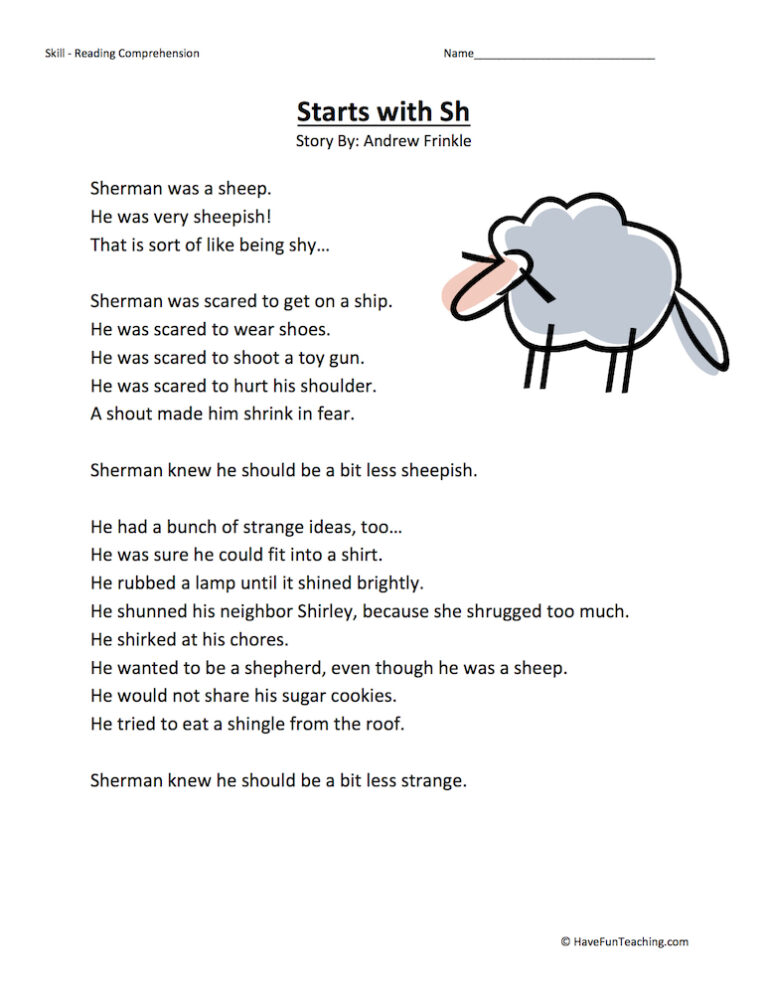
This Starts With SH Reading Comprehension Worksheet gives 1st graders a short beach story full of sh words plus five bubble-in questions. An answer key is included, so phonics practice and reading comprehension happen in one no-prep activity.
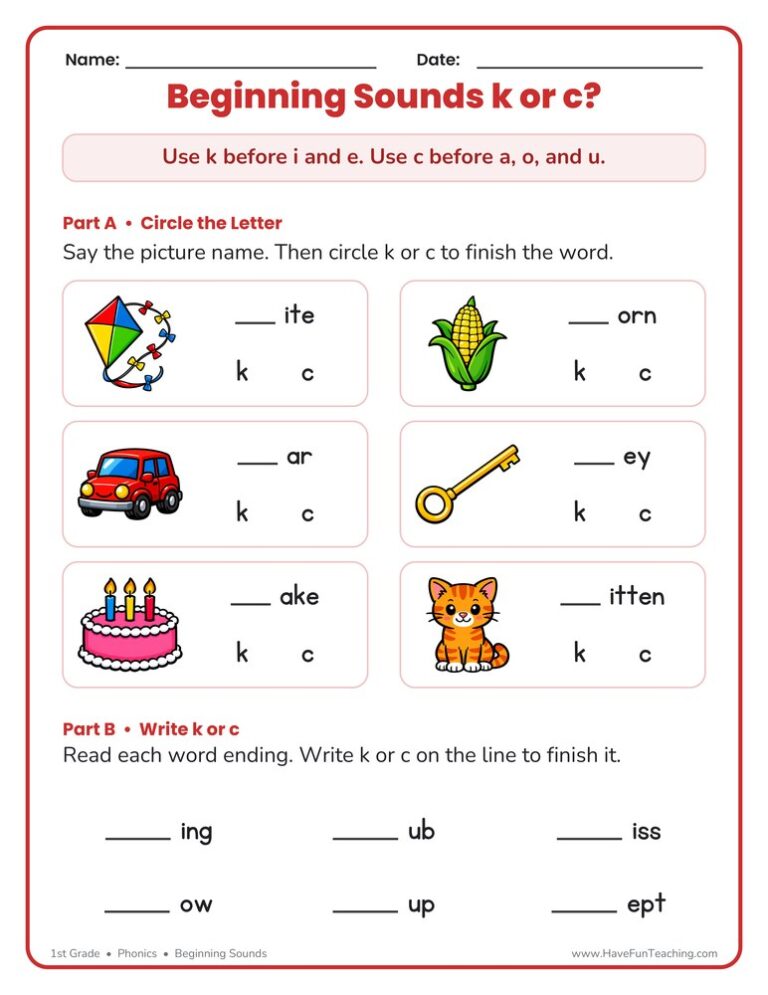
The Circle Beginning Sounds K-C Worksheet has 1st grade students say each picture name, circle k or c, then write the correct letter to finish six more words. Answer key included, so a tricky spelling rule finally clicks.
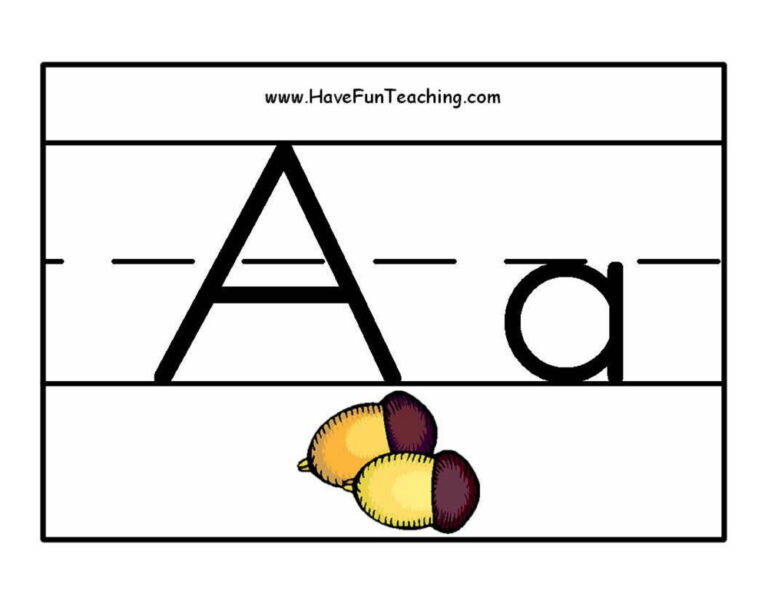
These Beginning Sounds Alphabet Letter Posters support students' recognition of both upper and lower case ABC letters using this print font.
Reviews
There are no reviews yet