

Finishing Work Problem Solution Worksheet
This Finishing Work Problem Solution Worksheet helps Kindergarten students name what stops them from finishing, then draw and write their own fix. A no-prep life skills page that builds independence and persistence.
$6.97
Or free with a membership — get this and 10,000+ resources. See plans
Teaching is easier with a membership
Unlimited printables, games & videos for PreK–6th — for your classroom or homeschool. Cancel anytime.
Start your 3-day free trialNo commitment · Cancel anytime · Instant access to 10,000+ resources
About this resource
Description
Finishing what you start is one of the first real work habits a child builds, and it has to be taught as deliberately as letters and numbers are. Young children rarely stop working because they are unwilling. They stop because something got in the way: they are tired, they are stuck on a step nobody explained, or the room around them is too noisy to think in. This Finishing Work Problem Solution Worksheet gives a five-year-old words for those moments and a simple plan for what to do next, so a small obstacle stops being a reason to give up.
This kindergarten life skills worksheet works like a guided conversation on paper. Three friendly picture cards show a child who is tired, a child who is stuck, and a child who is bothered by noise, and the student circles the one that matches the problem they meet most often. In the wide open box below, they draw how they will fix it: moving to a quieter spot, asking a friend for help, or taking a short stretch break. On the writing lines at the bottom they put that plan into their own words. Every response comes from the child’s own school day, so there is nothing to score here. The value sits in the thinking and the talking that happen around the page.
What’s Included
- 1 print-ready PDF worksheet
- 3 picture cards showing common work problems
- A full-width drawing box for the child’s own solution
- Two handwriting lines for writing the plan
Three things make this Finishing Work Problem Solution Worksheet work with young learners. First, it names the problem in one readable word, so a child who cannot yet explain a feeling in a full sentence still has language for it. Second, it asks for a drawing before it asks for writing, which lets a student who is still forming letters show a complete idea. Third, it moves the child from complaining to planning. The page never stops at the problem; it always asks what comes next, and that habit carries straight over to reading groups, clean-up time and homework.
Teachers can use the page early in the year as a whole-class lesson, filling one out together on chart paper before students complete their own, then posting the finished sheets near the work table as a reminder. Run it again mid-year and compare the two. At home, parents can keep a completed copy on the refrigerator and point to it when a puzzle or a chore stalls. Older siblings can act out each problem card while the younger child calls out a solution, and a quick classroom sort, with problems in one basket and fixes in another, turns the same idea into a movement game.
Related Resources
What teachers say
Reviews
You must be logged in to post a review.



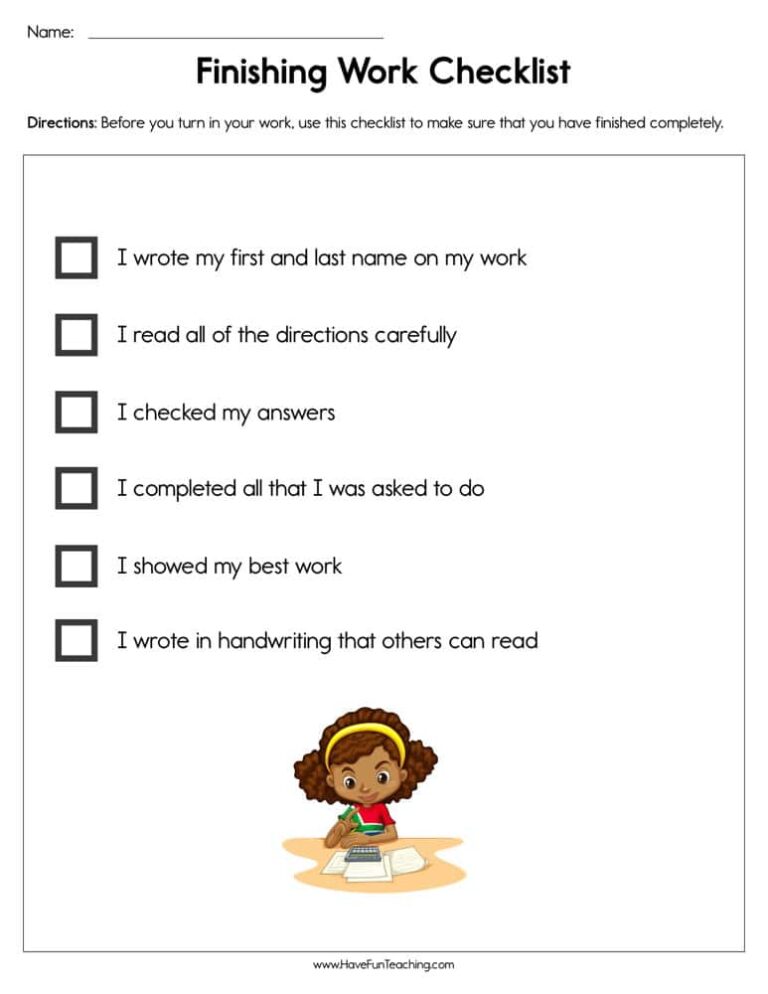
This Finishes Work Checklist Worksheet gives Kindergarten students six simple steps to check before they turn in a paper, so finishing carefully becomes a habit they own.

This Problem Solving Reflection Worksheet helps Kindergarten students choose good solutions to three everyday classroom problems and draw one they solved themselves. An answer key is included, so it is ready to print and teach.
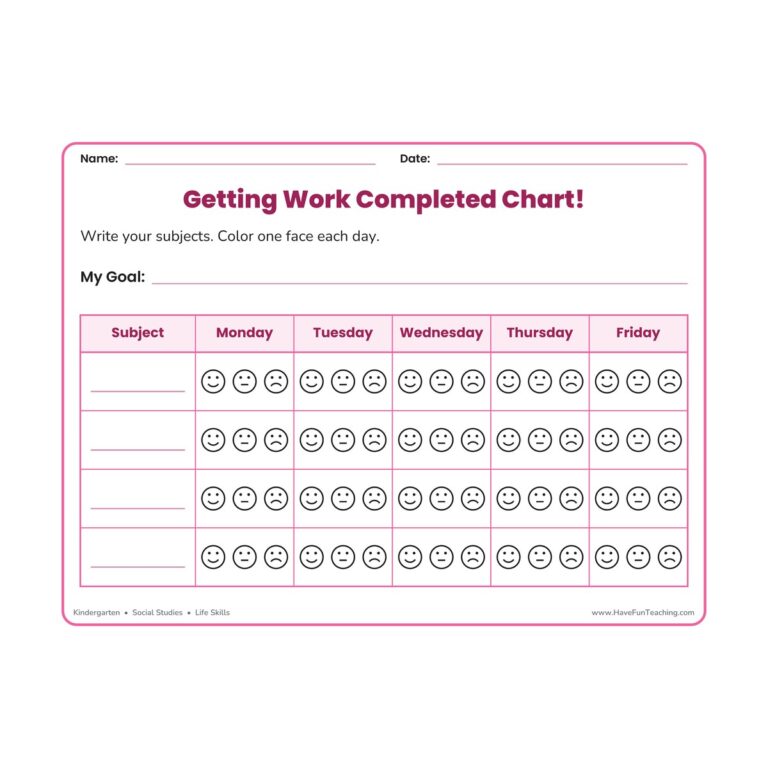
With the Getting Work Completed Chart Worksheet, Kindergarten students set a weekly goal and color a face for each subject every day, building the habit of finishing what they start.

This helpful vs hurtful problem solving worksheet asks Kindergarten students to judge seven everyday phrases as kind or unkind. Answer key included, so kids leave with words they can actually use.

This How to Solve a Problem Worksheet asks kindergarten students to pick the kindest fix for three everyday classroom mix-ups, then draw a problem of their own. An answer key is included for quick checking.

Using this Problem Solving Discussion Cards Activity, students can role play social situations that they might face at home or school.
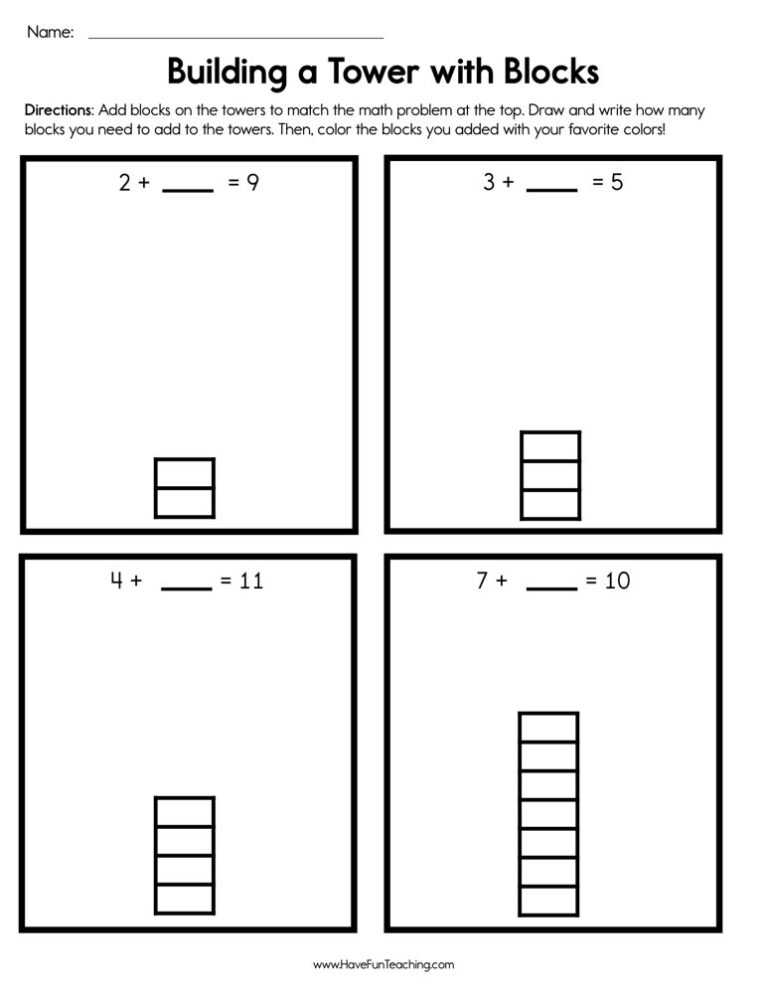
Using this Building a Tower with Blocks Worksheet, students add blocks to build a block tower to find the missing addend.

Using this Learning from Our Mistakes Worksheet, students write or draw about mistakes that were made in order to reflect and plan for the future.

Using Writing Phone Number Activity, students practice writing your phone number on the worksheet and then color in the phone with the correct numbers.
Reviews
There are no reviews yet