
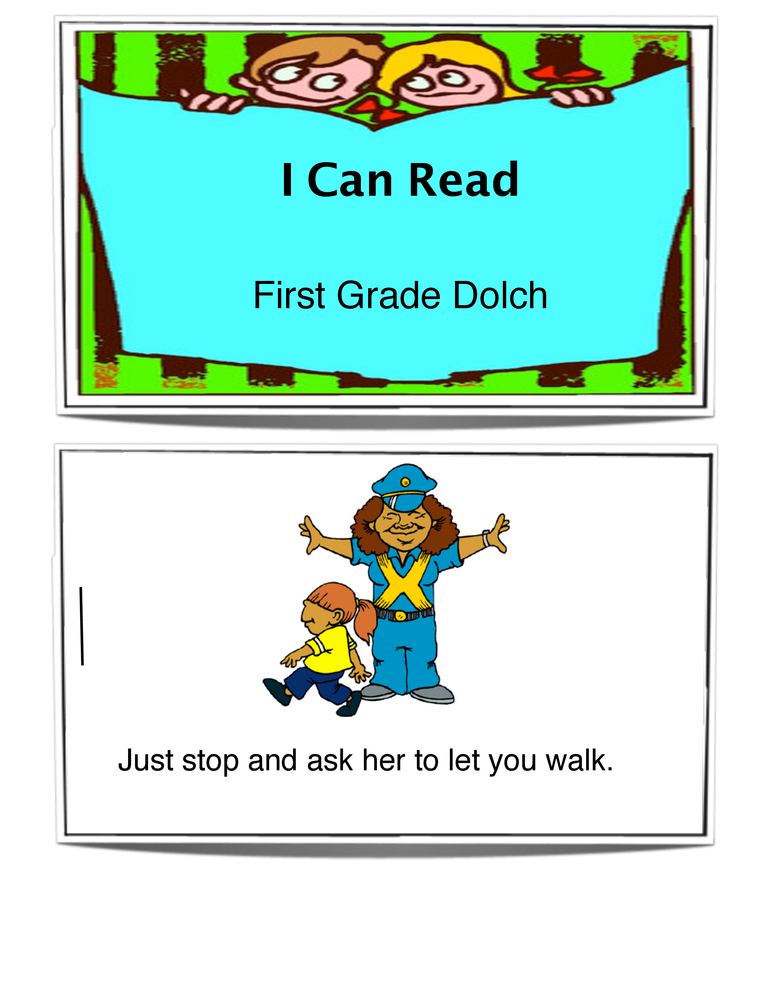
First Grade Sight Words Book
This First Grade Sight Words Book has children read, trace and write six Dolch first grade words. An answer key is included, making it an easy way to build fast, confident reading.
$6.97
Or free with a membership — members pay $3.33/mo for all 10,000+ resources. See plans
Want this one free?
Tell us where to send it and it’s yours — no card, no catch.
One free resource per teacher. We’ll also send free teaching ideas each week — unsubscribe anytime.
Teaching is easier with a membership
Unlimited printables, games & videos for PreK–6th — for your classroom or homeschool. Cancel anytime.
Start your 3-day free trial$0 today · cancel anytime · Instant access to 10,000+ resources
About this resource
Description
By first grade, the words that trip a reader up are no longer the tiny ones like the and and. They are words such as could, know and once, which break the phonics rules a child has just learned. This First Grade Sight Words Book takes six of those words from the Dolch first grade list — over, could, know, once, think and were — and gives each one its own card to read, trace and write. A silent k, an ou that says a short oo, a once that starts with a /w/ sound: none of them can be sounded out, so they have to be known on sight.
This first grade dolch words worksheet works in the same three steps on every card. Your child reads the word printed at the top, traces over the dotted letters on the first line, then writes the whole word on the empty line below it. Say each word out loud every time it comes up, because sight words are stored by sound and shape together. The writing lines are sized for first grade handwriting, so there is room to form every letter neatly. The answer key on page two shows all six words written out.
What’s Included
- 1 print-ready PDF worksheet
- Answer key
- 6 read-trace-write sight word cards
- Dolch first grade words: over, could, know, once, think, were
Three things make this First Grade Sight Words Book more useful than a plain spelling list. First, reading the word before tracing it means your child meets it as a whole word, not as a string of letters to copy. Second, tracing builds the hand memory that helps the word come out correctly the next time it is written. Third, the empty line at the bottom asks your child to write the word again without the dotted guide, which is the first step toward writing it from memory.
Keep the six words in front of your child for the rest of the week. Write them on index cards and play a quick game of memory or go fish. Read a favorite picture book together and ask your child to spot could or were on each page. Take turns making up a silly sentence that uses two of the words at once, such as I think it could fly over the house. A few minutes of play each day turns these tricky words into words your child reads without stopping.
Related Resources
What teachers say
Reviews
You must be logged in to post a review.
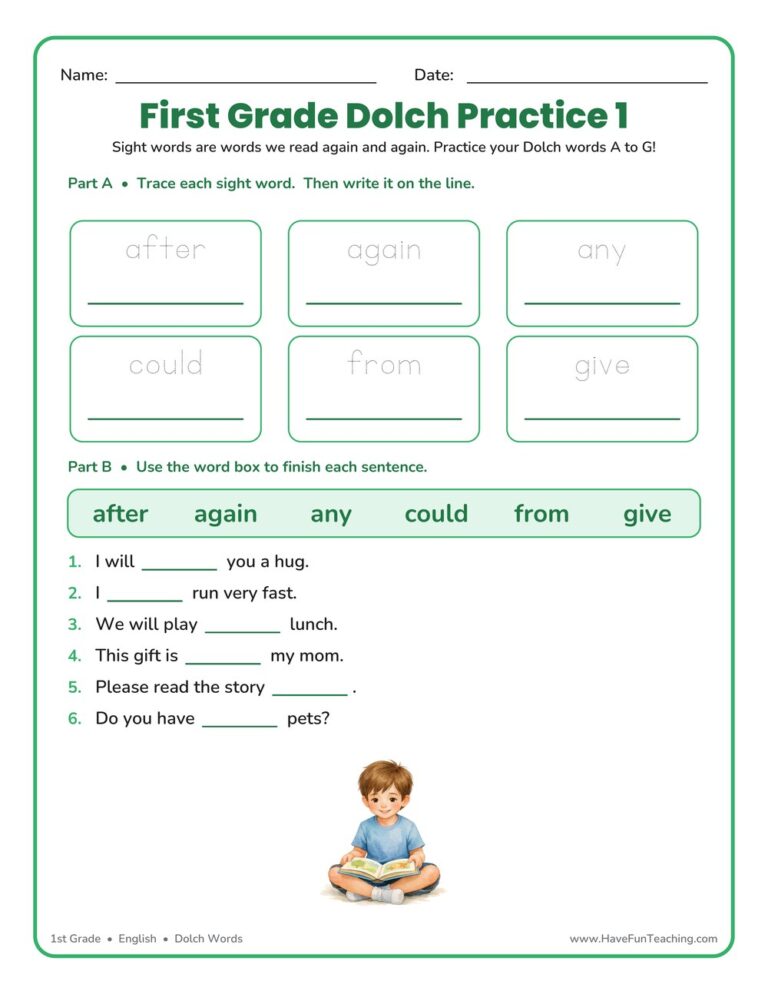
The First Grade Sight Words A to G Worksheet gives 1st grade students tracing, writing, and sentence practice with common Dolch words. An answer key is included to build confident, fluent early readers.
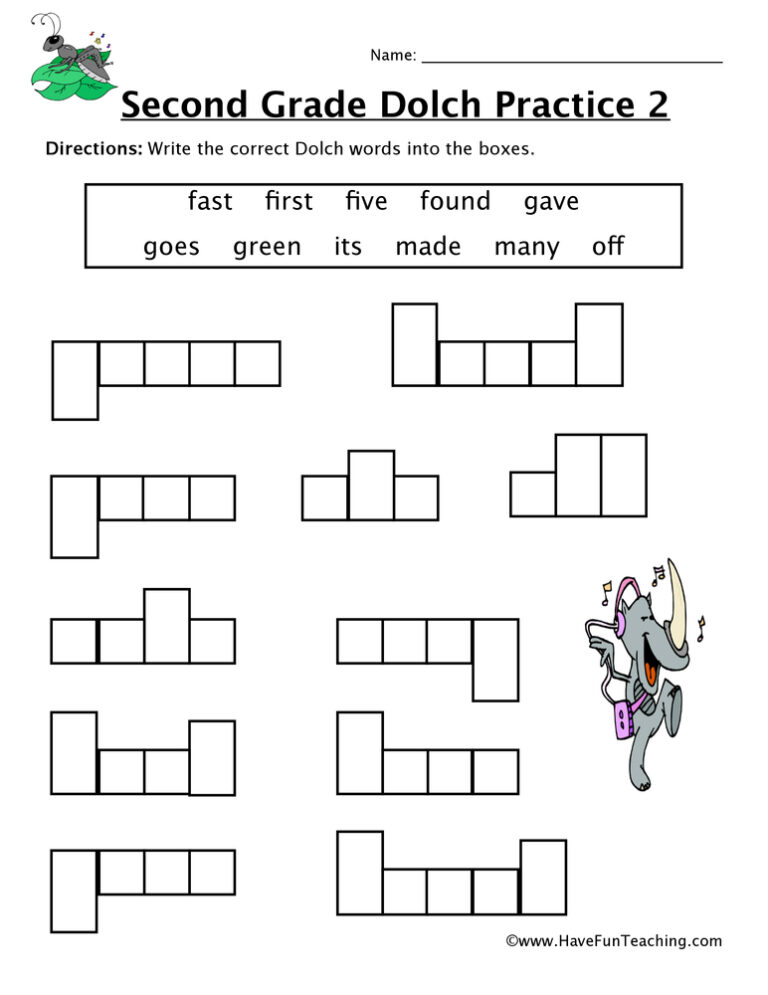
This Second Grade Sight Words F to O Worksheet gives 2nd graders eleven Dolch words in a word box and eleven sentences to complete. An answer key is included for fast, no-prep sight word practice.
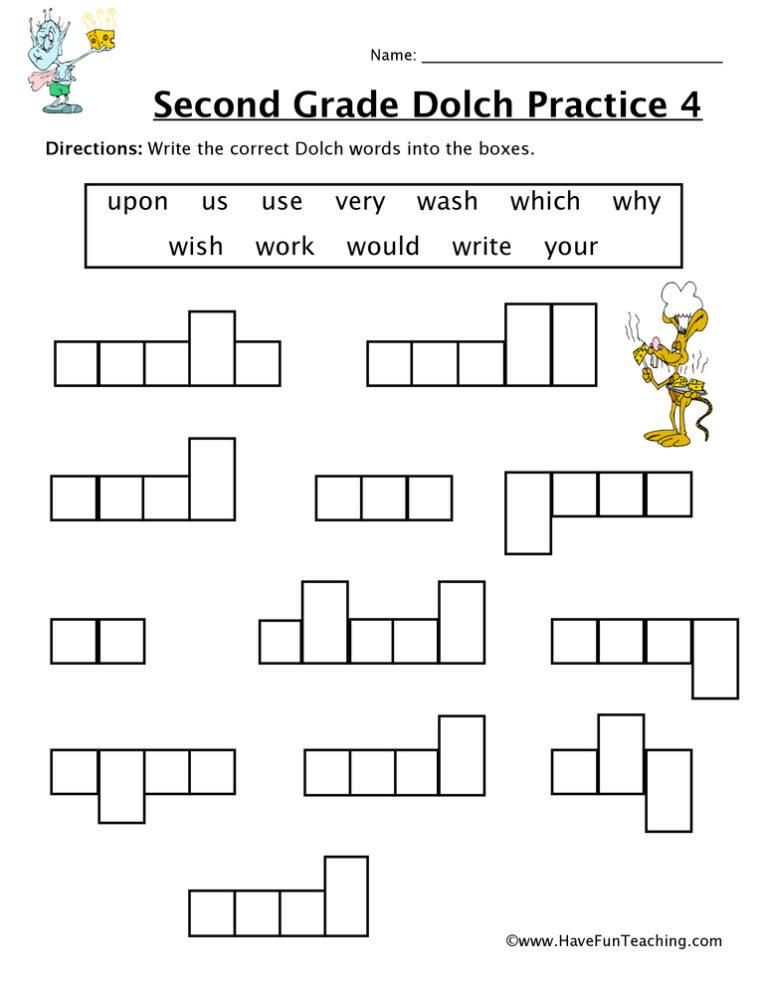
This Second Grade Sight Words U to Y Worksheet has 2nd graders read twelve sentences and fill in the missing Dolch word from a word box. An answer key is included for easy checking.
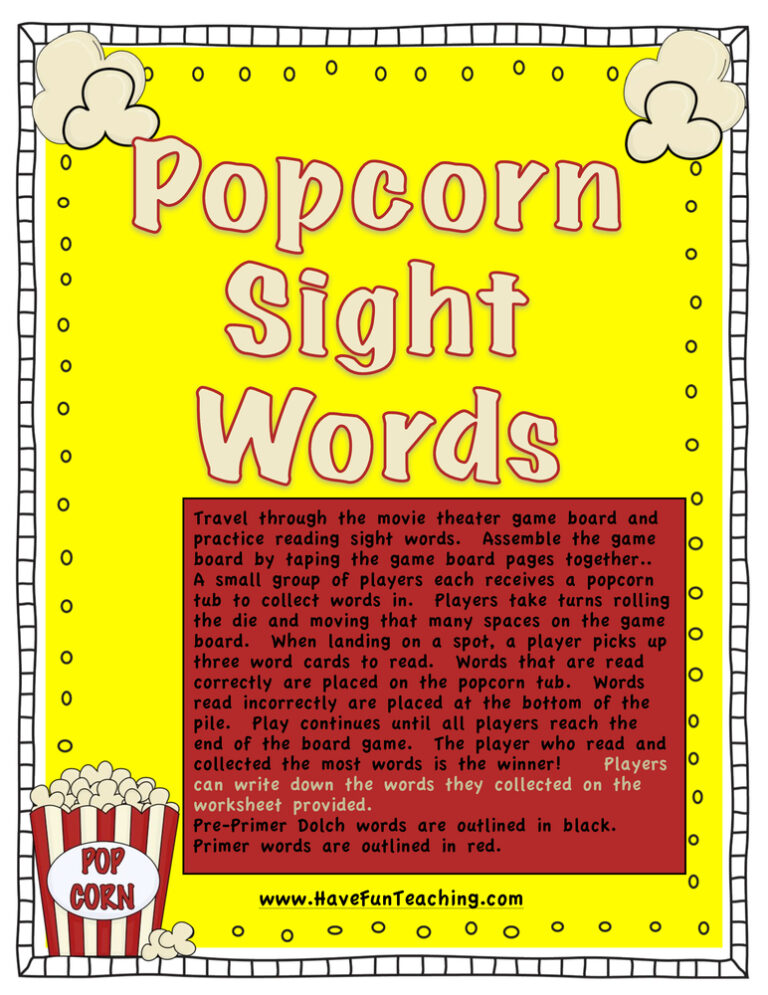
Using Word Recognition Activity, students travel through the movie theater game board and practice reading sight words.
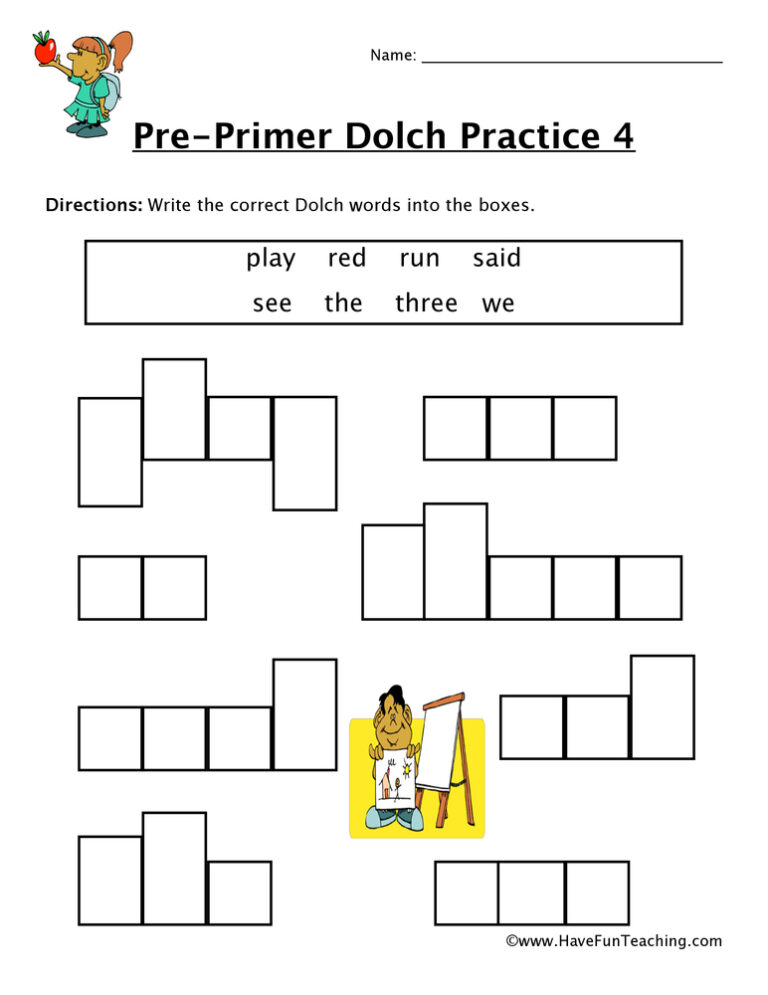
Using Pre-Primer Sight Words P to W Worksheet, students write the correct Dolch words into the boxes to build sight word fluency.
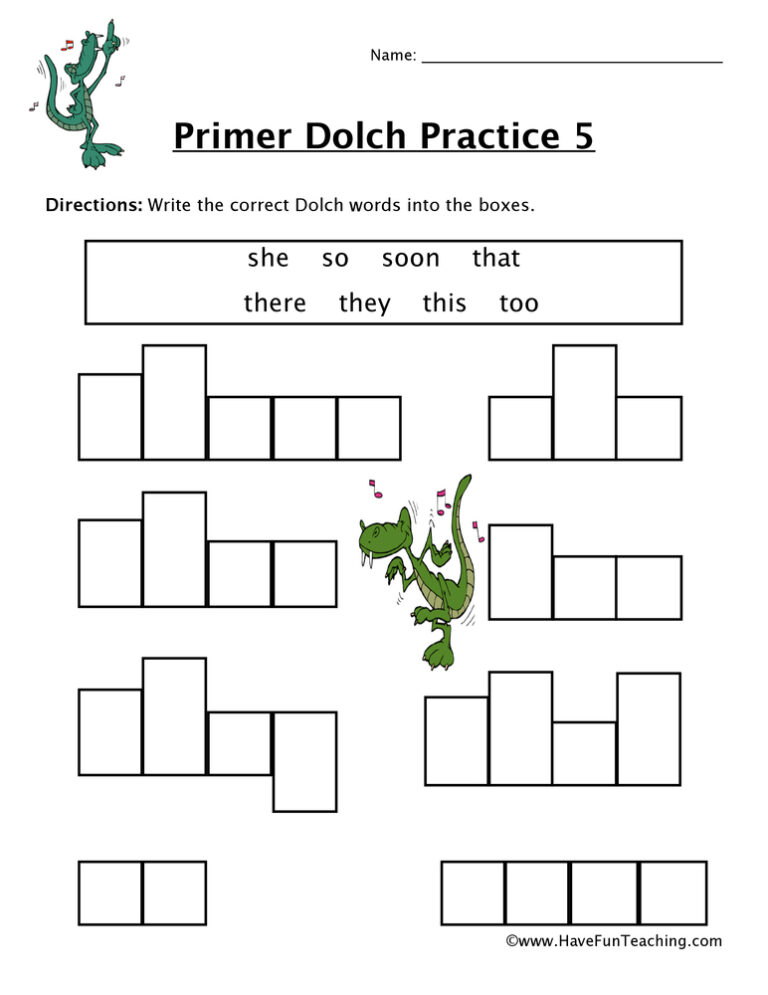
Using Kindergarten Sight Words S to T Worksheet, students write the correct Dolch words into the boxes to build sight word fluency.
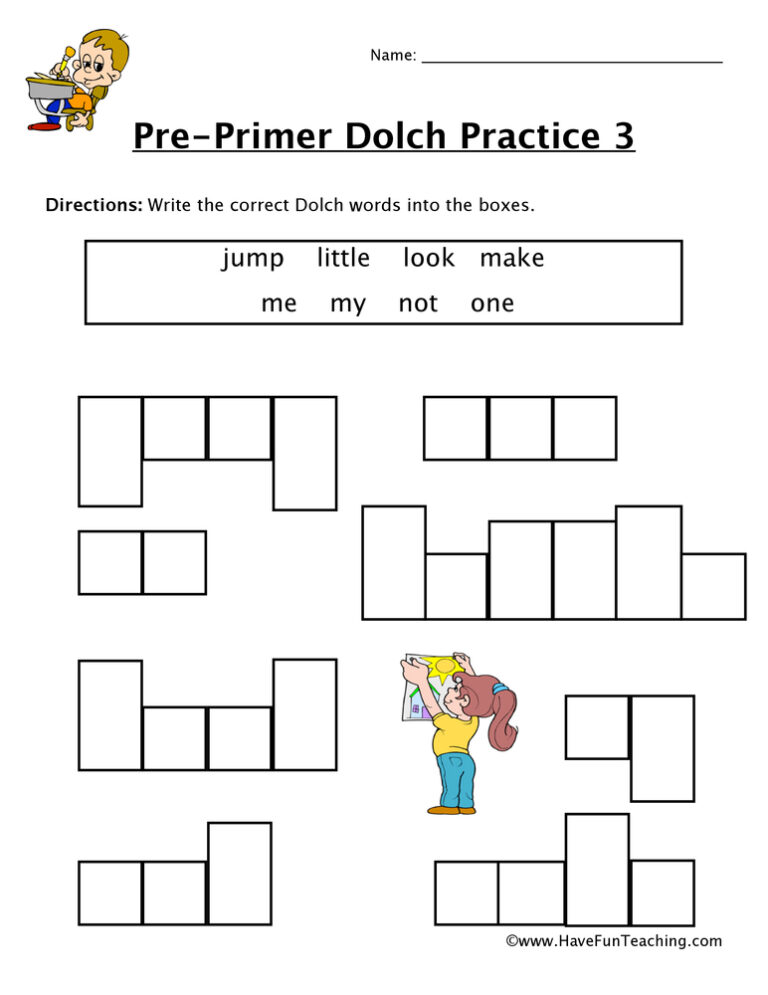
Using Pre-Primer Sight Words J to O Worksheet, students write the correct Dolch words into the boxes to build sight word fluency.
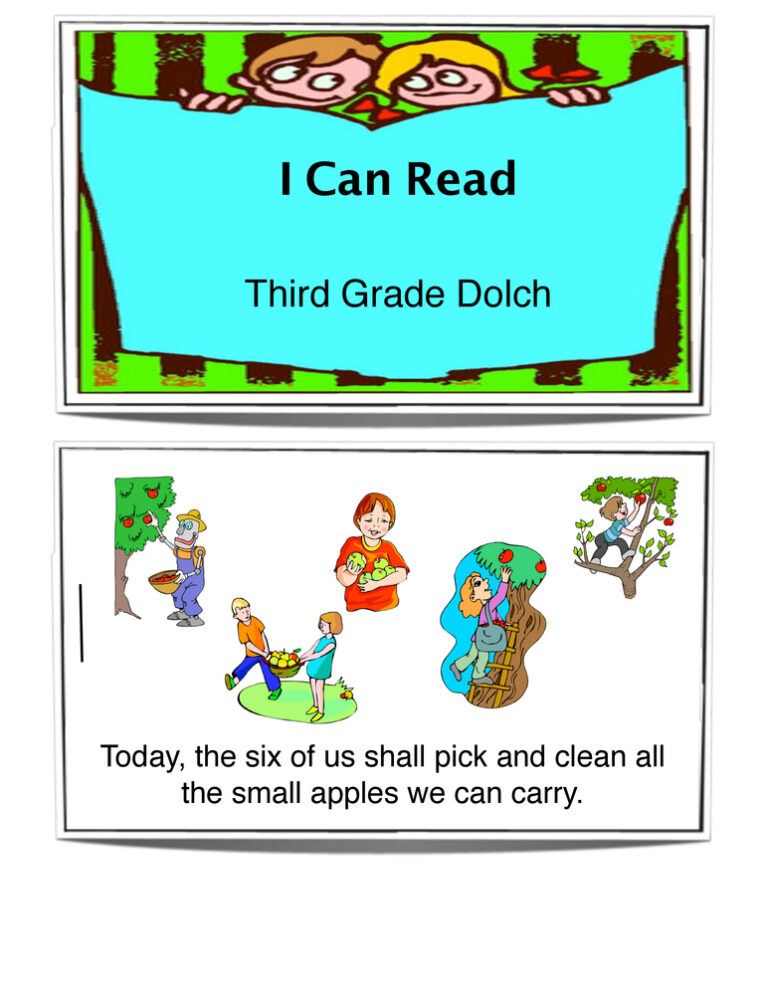
Using Third Grade Sight Words Book, students practice sight words as they read this Third Grade Dolch Sight Word Book.
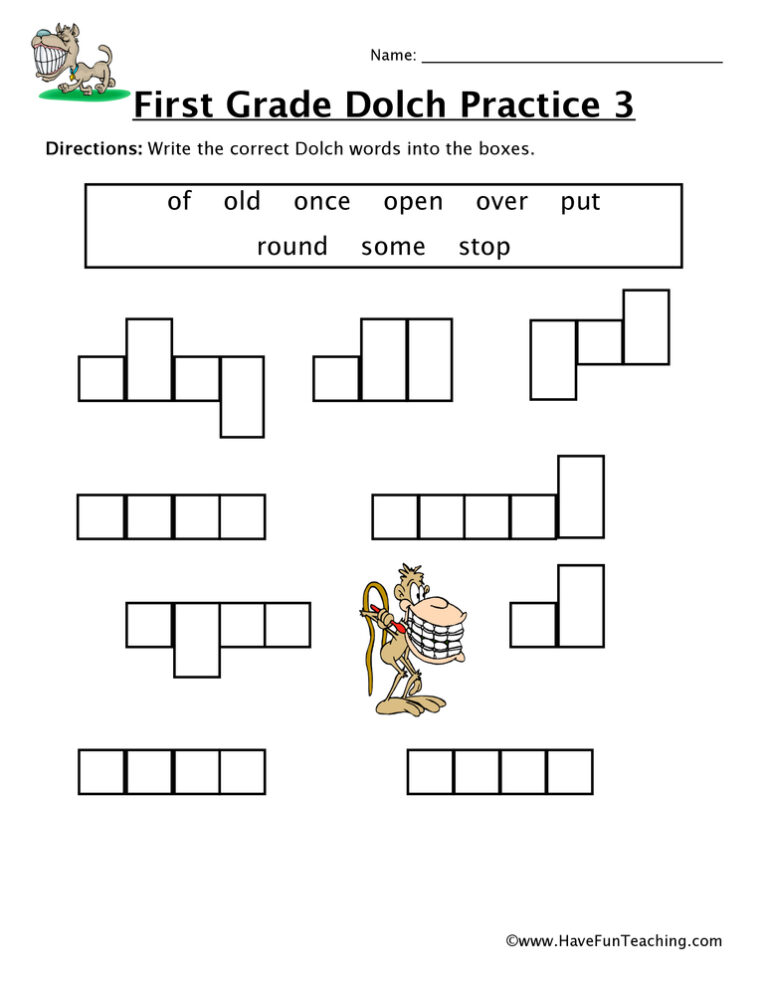
This first grade sight words o to s worksheet has 1st Grade readers finish nine sentences with Dolch words from a word box. An answer key is included, so every child gets quick, meaningful reading practice.
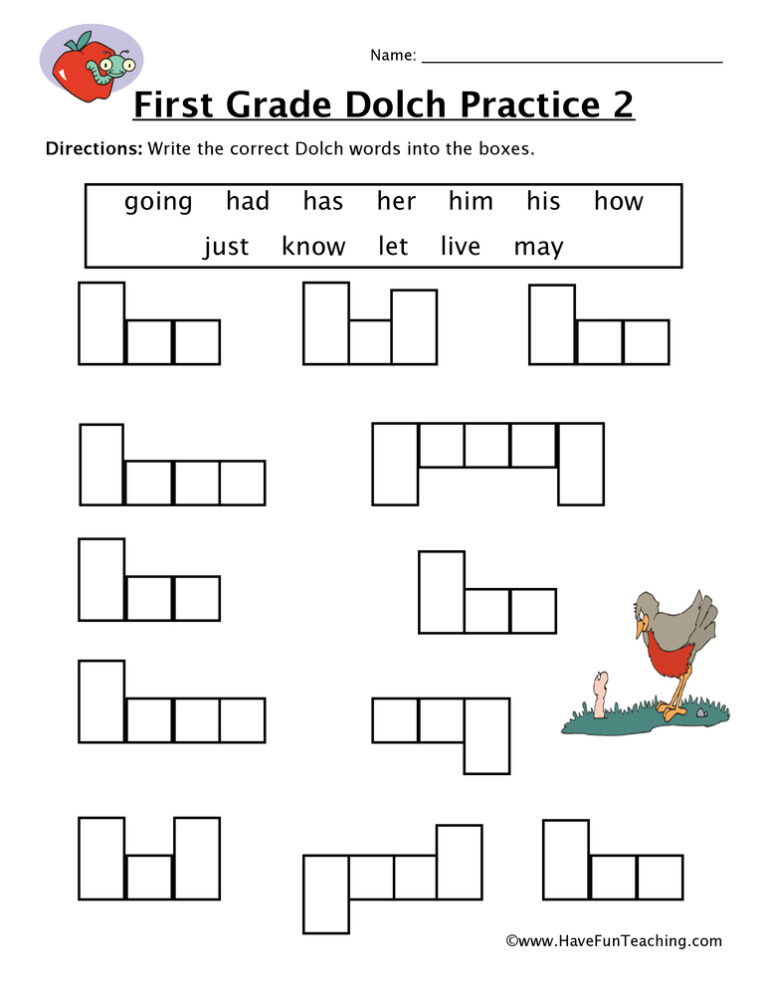
This first grade sight words g to m worksheet has 1st Grade readers complete twelve sentences with Dolch words from a word box. An answer key is included, and every word gets real reading practice.
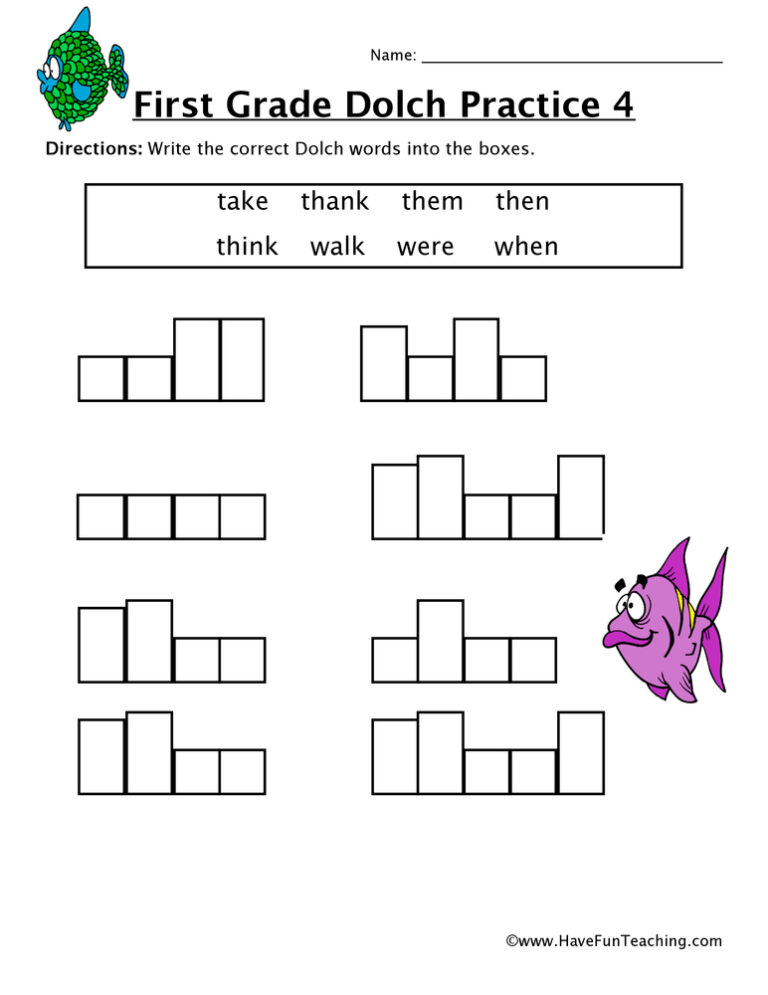
This first grade sight words t to w worksheet has 1st Grade readers finish eight sentences with Dolch words from a word box. An answer key is included, and each word gets real reading practice.
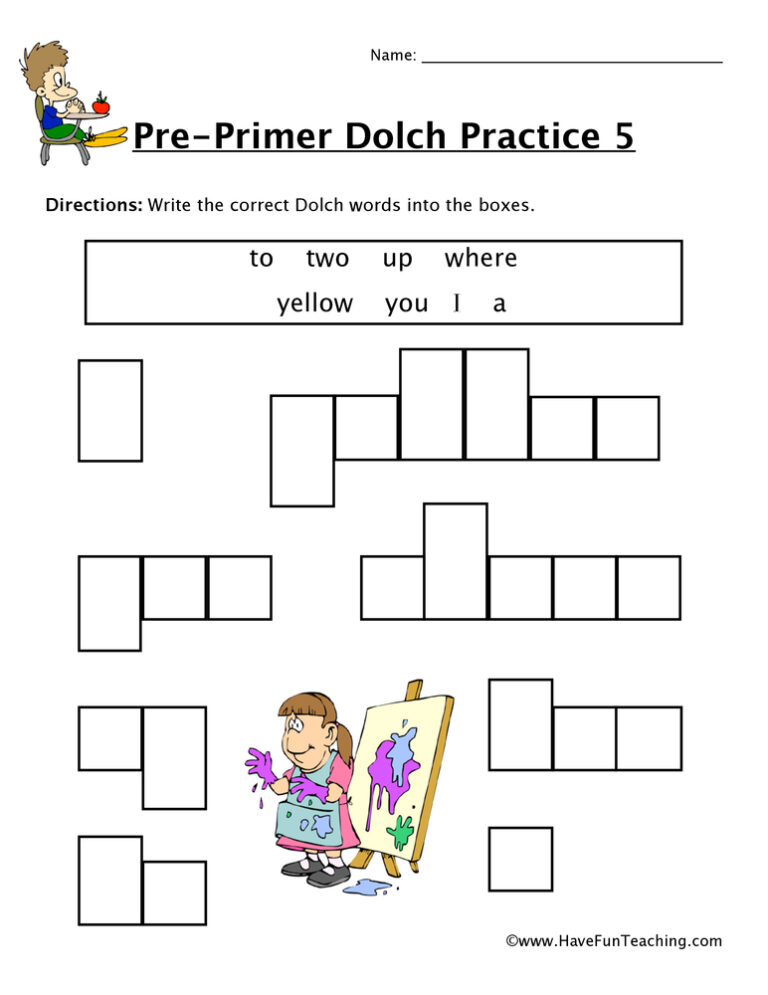
Using Pre-Primer Sight Words T to Y Worksheet, students write the correct Dolch words into the boxes to build sight word fluency.




Reviews
There are no reviews yet