

First Grade Sight Words G to M Worksheet
This first grade sight words g to m worksheet has 1st Grade readers complete twelve sentences with Dolch words from a word box. An answer key is included, and every word gets real reading practice.
$6.97
Or free with a membership — members pay $3.33/mo for all 10,000+ resources. See plans
Want this one free?
Tell us where to send it and it’s yours — no card, no catch.
One free resource per teacher. We’ll also send free teaching ideas each week — unsubscribe anytime.
Teaching is easier with a membership
Unlimited printables, games & videos for PreK–6th — for your classroom or homeschool. Cancel anytime.
Start your 3-day free trial$0 today · cancel anytime · Instant access to 10,000+ resources
About this resource
Description
Sight words are the small, everyday words a young reader should know at a glance, without stopping to sound them out. This First Grade Sight Words G to M Worksheet practices twelve words from the first-grade Dolch list: going, had, has, her, him, his, how, just, know, let, live, and may. Seeing each word inside a real sentence helps a child connect the word to its meaning, which is what turns a flash-card word into a word they can read anywhere.
This 1st grade dolch words worksheet keeps to one clear task so a beginning reader can focus. All twelve words sit together in a word box at the top of the page. Below the box are twelve numbered sentences, and each one is missing a single word. The child reads the sentence, chooses the word that makes sense, and writes it on the line. Every word is used exactly once, so students can cross words off as they go and use the words that are left to check their work. A full answer key is included on page two.
What’s Included
- 1 print-ready PDF worksheet
- A word box with twelve first-grade Dolch words from G to M
- Twelve fill-in-the-blank sentences with roomy writing lines
- A complete answer key
Here are three reasons this First Grade Sight Words G to M Worksheet helps kids. First, it asks for meaning, not just matching: the look-alike words her, him, and his, or had and has, can only be chosen by reading the whole sentence. Second, writing each word by hand builds spelling memory alongside reading. Third, the sentences use familiar family and school moments, so children can picture what they read and stay motivated.
Teachers can use the page for morning work, a literacy center, or a quick check after a sight word lesson. Parents can read the finished sentences aloud with their child and point to each sight word. Turn the twelve words into flash cards for a matching game, or ask early finishers to write a new sentence with a favorite word from the box.
Related Resources
What teachers say
Reviews
You must be logged in to post a review.
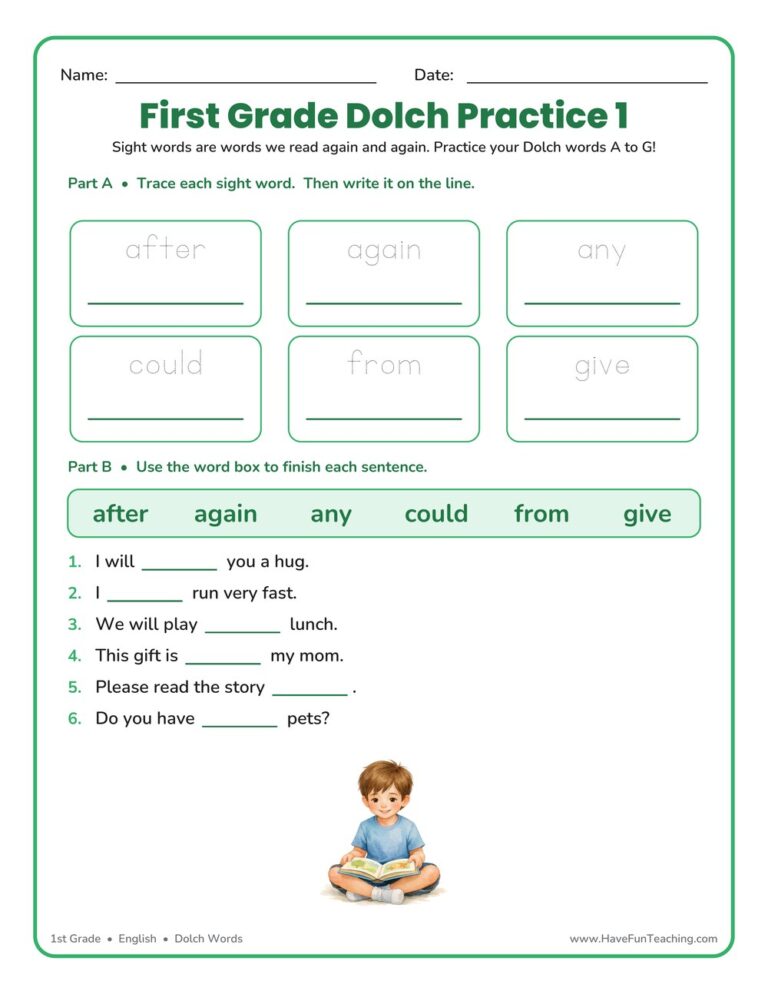
The First Grade Sight Words A to G Worksheet gives 1st grade students tracing, writing, and sentence practice with common Dolch words. An answer key is included to build confident, fluent early readers.
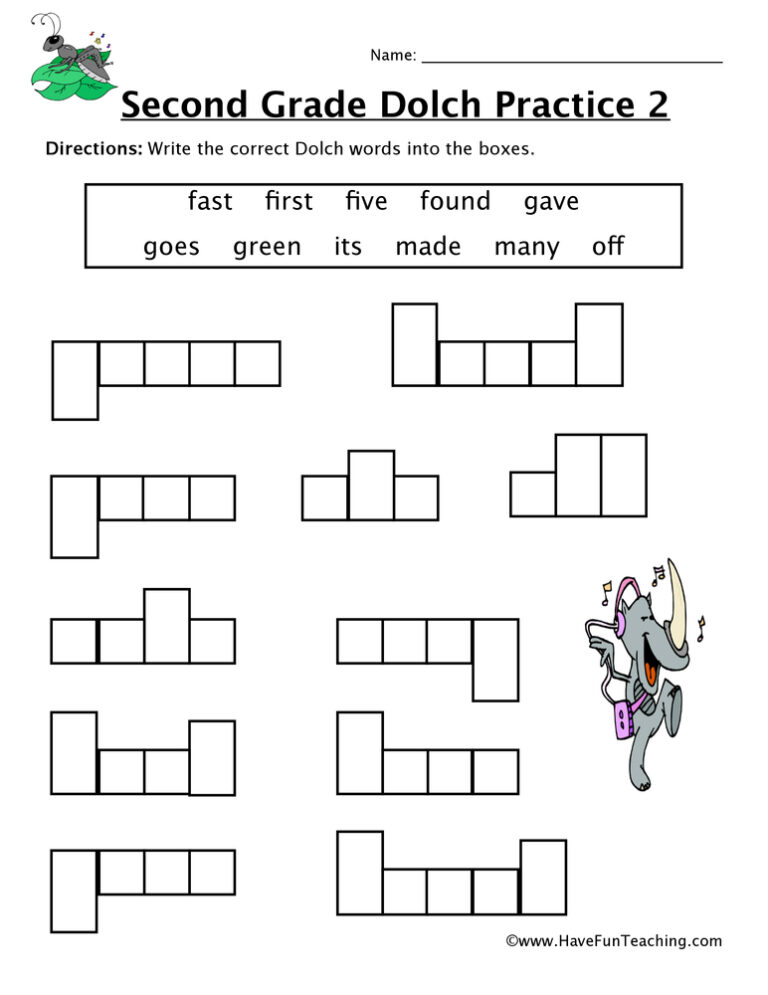
This Second Grade Sight Words F to O Worksheet gives 2nd graders eleven Dolch words in a word box and eleven sentences to complete. An answer key is included for fast, no-prep sight word practice.
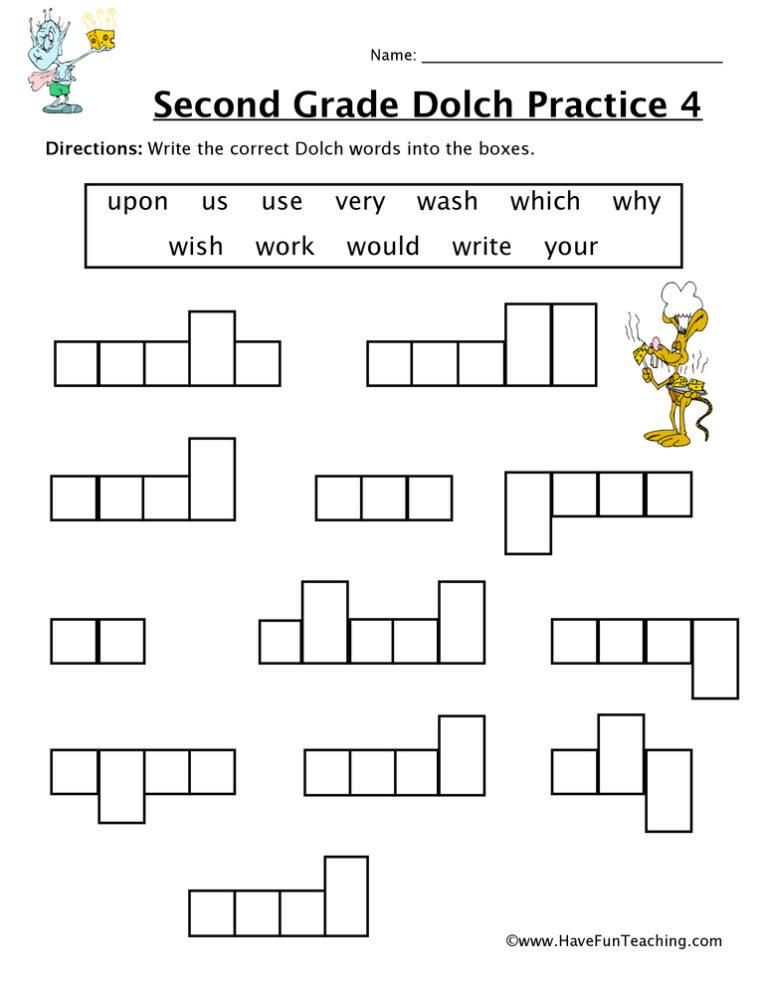
This Second Grade Sight Words U to Y Worksheet has 2nd graders read twelve sentences and fill in the missing Dolch word from a word box. An answer key is included for easy checking.
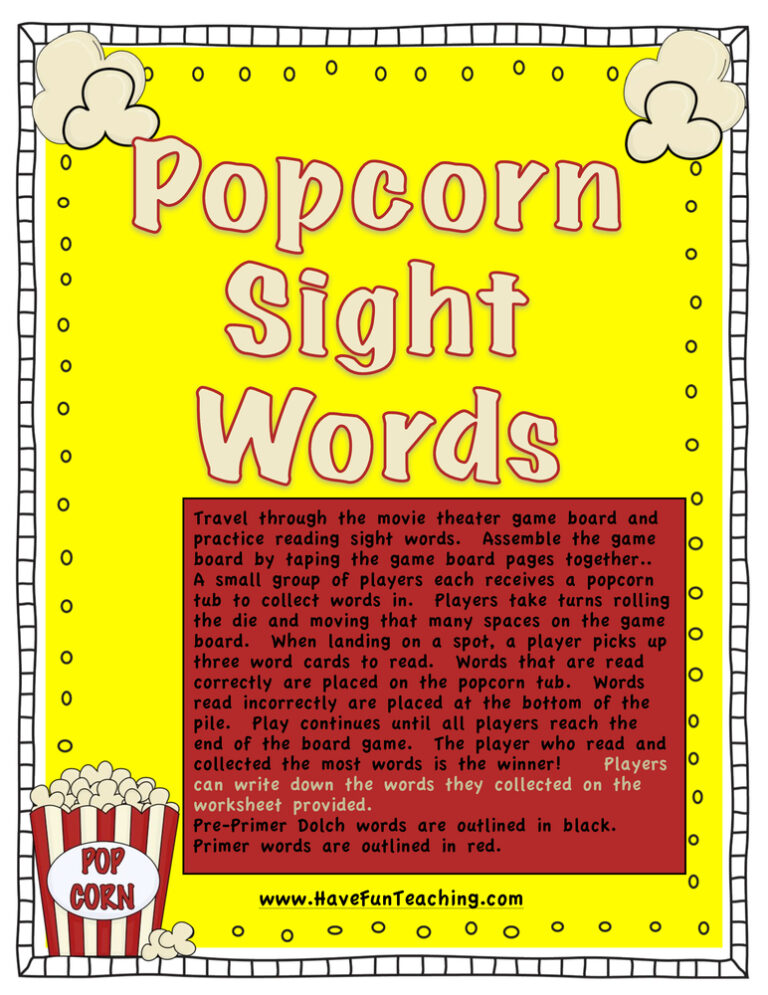
Using Word Recognition Activity, students travel through the movie theater game board and practice reading sight words.
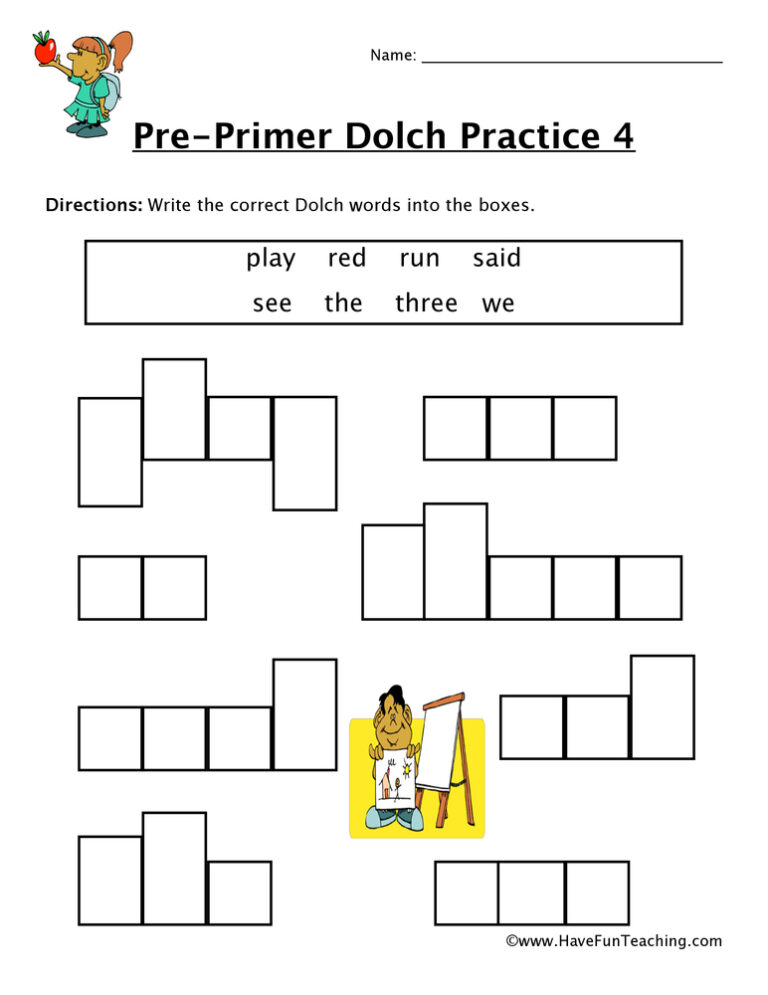
Using Pre-Primer Sight Words P to W Worksheet, students write the correct Dolch words into the boxes to build sight word fluency.
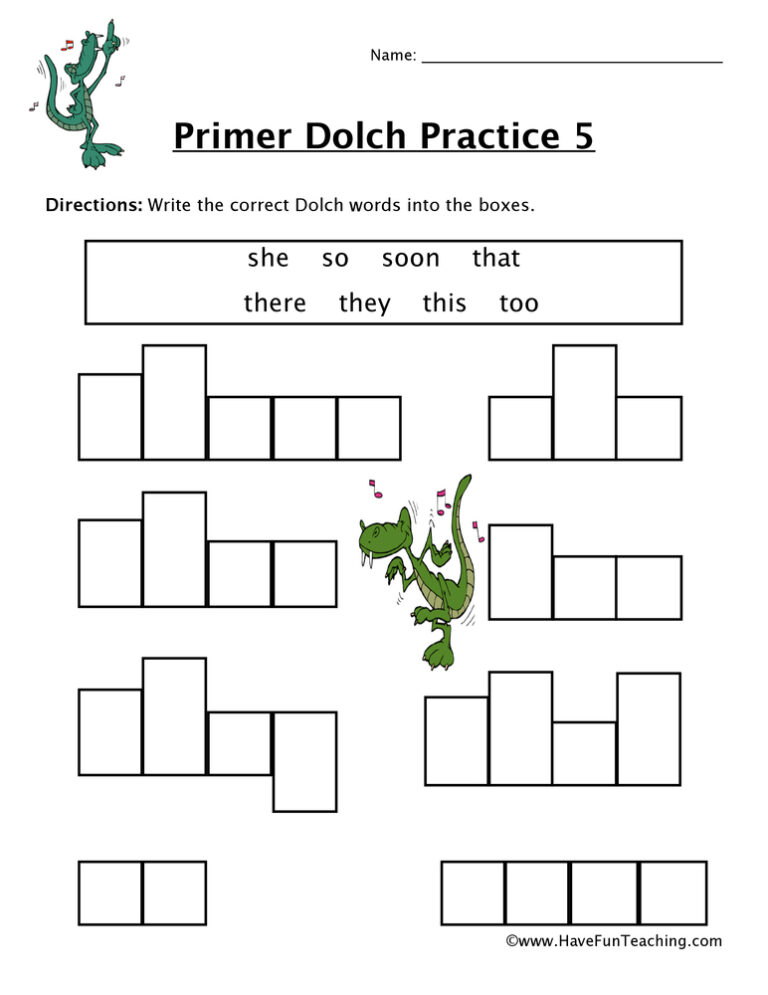
Using Kindergarten Sight Words S to T Worksheet, students write the correct Dolch words into the boxes to build sight word fluency.
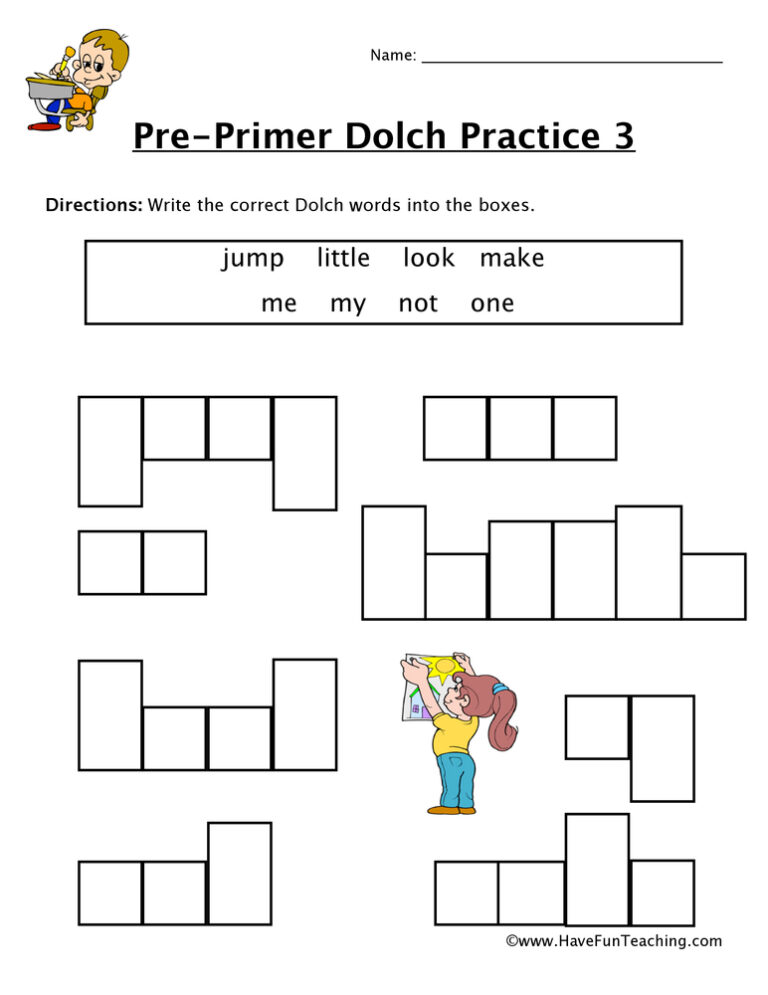
Using Pre-Primer Sight Words J to O Worksheet, students write the correct Dolch words into the boxes to build sight word fluency.
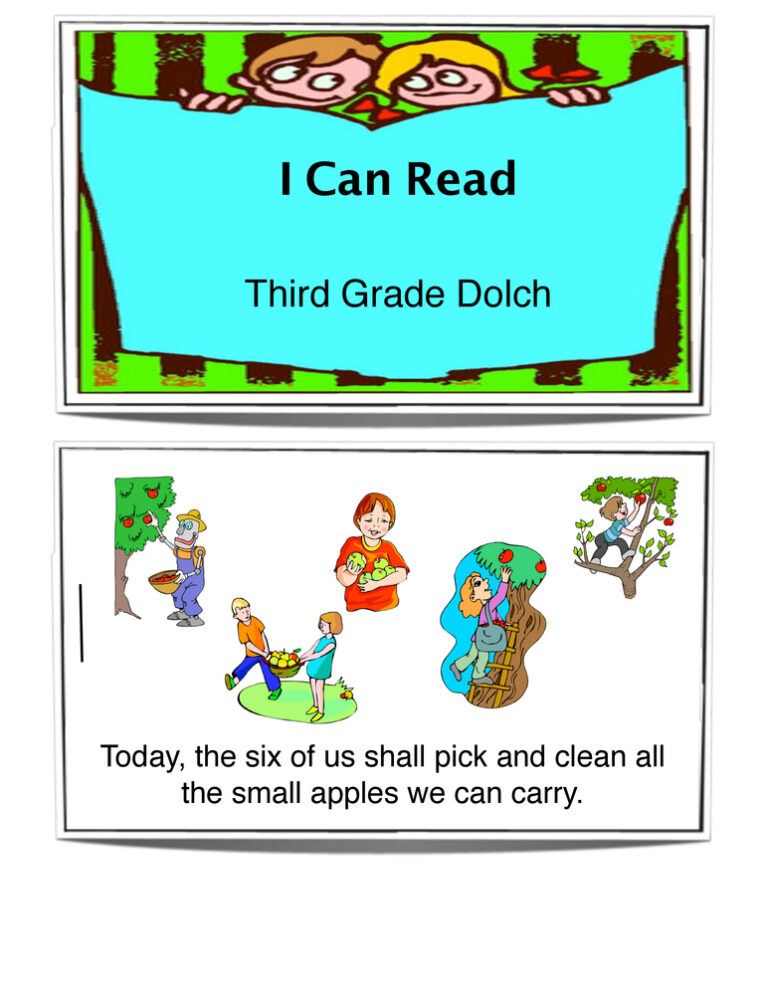
Using Third Grade Sight Words Book, students practice sight words as they read this Third Grade Dolch Sight Word Book.
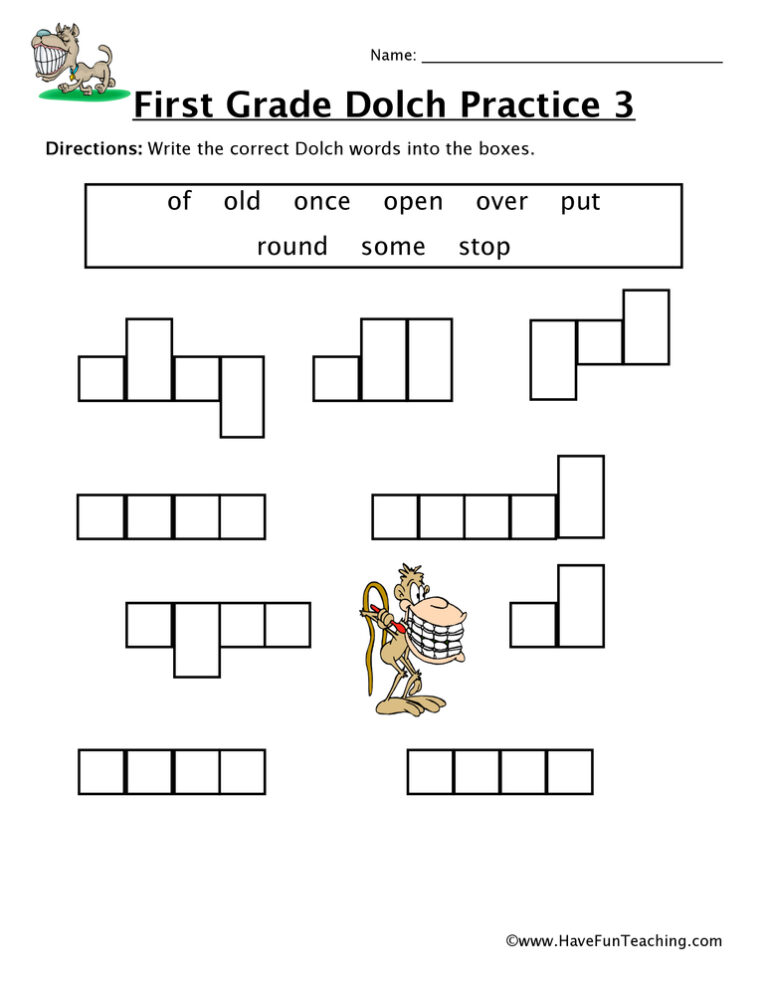
This first grade sight words o to s worksheet has 1st Grade readers finish nine sentences with Dolch words from a word box. An answer key is included, so every child gets quick, meaningful reading practice.
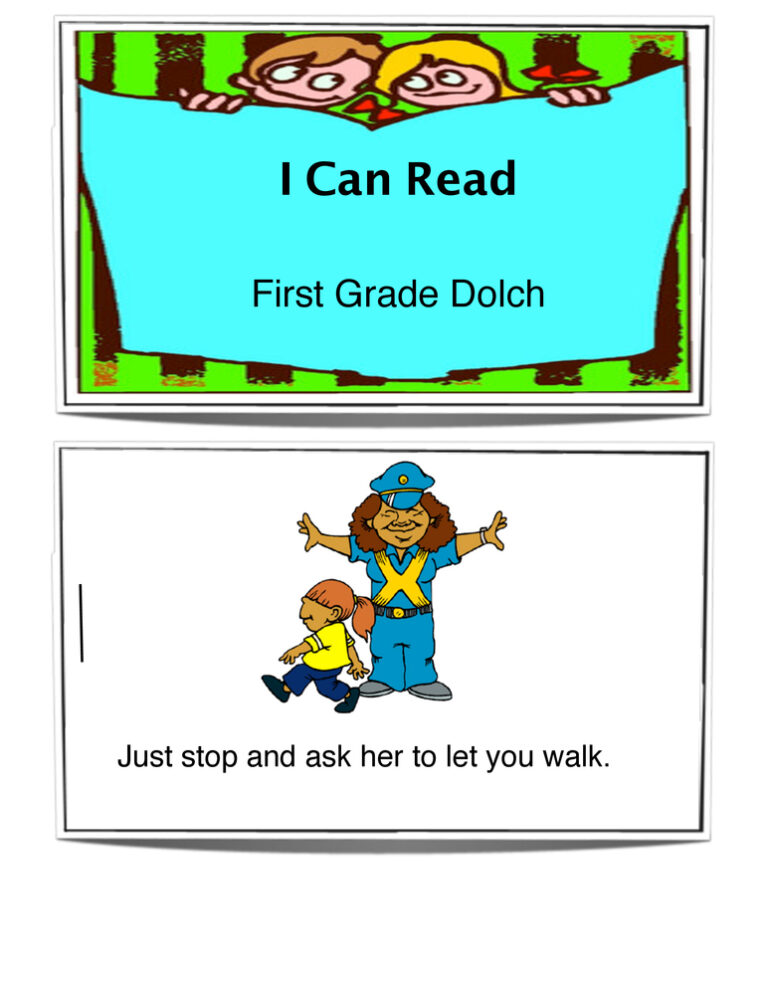
This First Grade Sight Words Book has children read, trace and write six Dolch first grade words. An answer key is included, making it an easy way to build fast, confident reading.
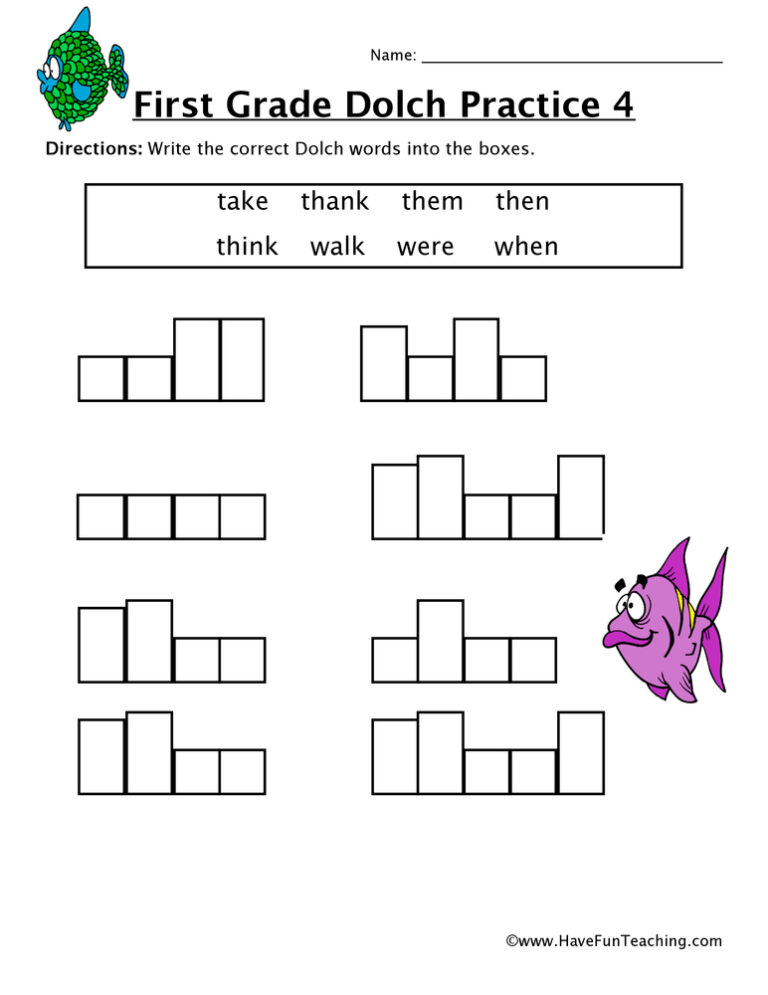
This first grade sight words t to w worksheet has 1st Grade readers finish eight sentences with Dolch words from a word box. An answer key is included, and each word gets real reading practice.
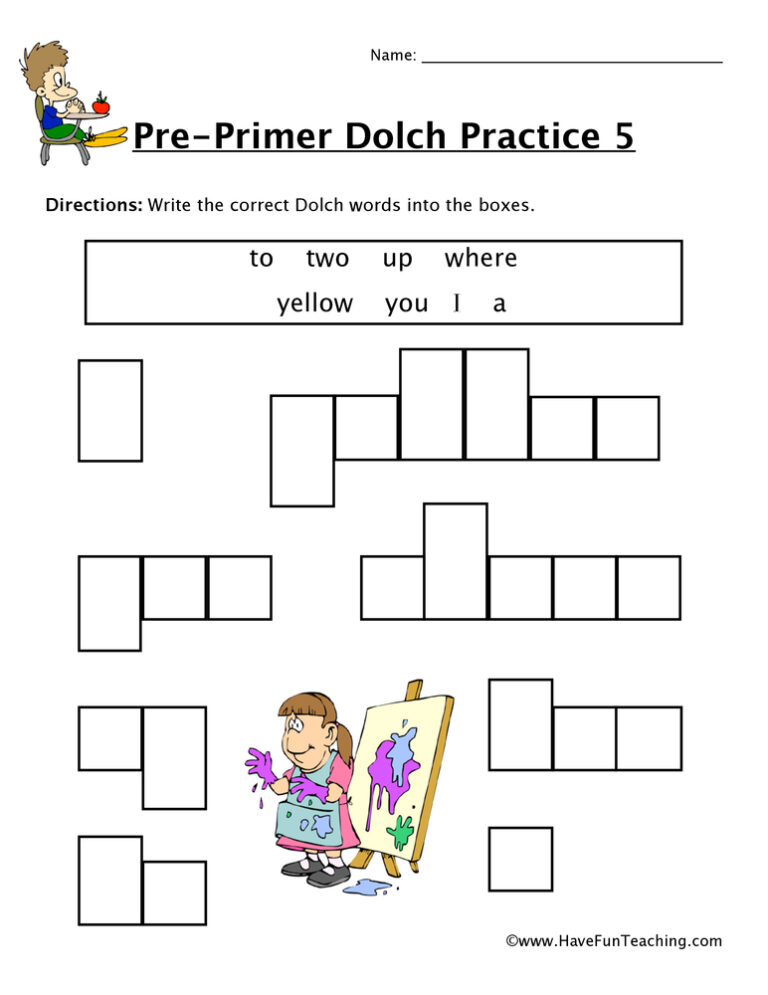
Using Pre-Primer Sight Words T to Y Worksheet, students write the correct Dolch words into the boxes to build sight word fluency.
Reviews
There are no reviews yet