
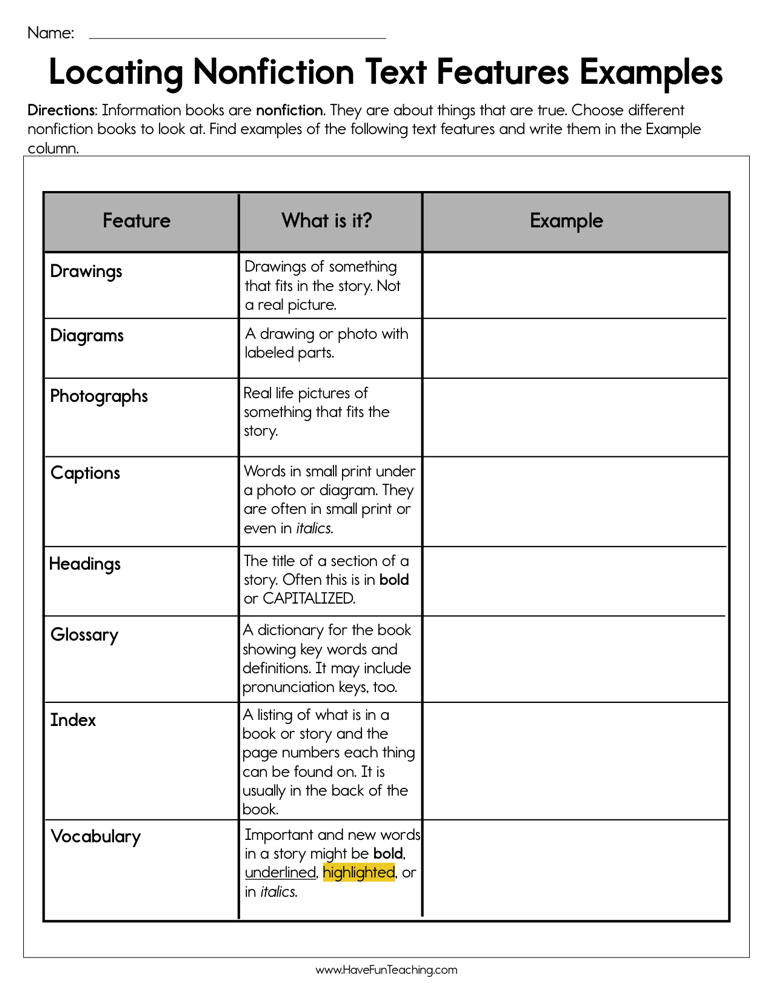
Locating Nonfiction Text Features Examples Worksheet
A locating nonfiction text features examples worksheet that has 2nd graders name the heading, caption, index, and bold word in four real book snippets. Answer key included for fast, no-prep nonfiction reading practice.
$6.97
Or free with a membership — members pay $3.33/mo for all 10,000+ resources. See plans
Want this one free?
Tell us where to send it and it’s yours — no card, no catch.
One free resource per teacher. We’ll also send free teaching ideas each week — unsubscribe anytime.
Teaching is easier with a membership
Unlimited printables, games & videos for PreK–6th — for your classroom or homeschool. Cancel anytime.
Start your 3-day free trial$0 today · cancel anytime · Instant access to 10,000+ resources
About this resource
Description
Nonfiction books are packed with helpful signposts, and readers who know how to spot them find facts far faster than readers who do not. Headings announce what a section is about, captions explain the pictures, bold words flag brand-new vocabulary, and an index sends a reader straight to the right page. This locating nonfiction text features examples worksheet gives second graders steady practice at naming those signposts on sight, which is exactly what the standards expect of them: know and use text features to locate key facts and information in an informational text.
This 2nd grade text features worksheet keeps the task refreshingly concrete. Instead of asking children to define a term in the abstract, it shows them four real snippets lifted from the kind of nonfiction book they read every day — a section title above its paragraph, a photo with small print beneath it, an alphabetical list of animals with page numbers, and a sentence with one new word printed in heavy type. A word box supplies the four feature names, so children spend their thinking on recognition rather than spelling. Read the directions together, look at box one as a class, then let students work through the rest independently, in partners, or at a literacy center. Because the whole page fits on one side, it also works as a warm-up, an exit ticket, or a quick review before a nonfiction unit assessment.
What’s Included
- 1 print-ready PDF worksheet
- Answer key
- 4 identify-the-text-feature boxes with a four-word word box
Three things make this locating nonfiction text features examples worksheet effective. First, it teaches by example rather than by definition, so children build a mental picture of each feature they can carry into any book they open. Second, the four features chosen here — heading, caption, index, and bold word — do genuinely different jobs, so students learn to sort by purpose instead of guessing. Third, the word box removes the spelling barrier, which keeps struggling readers in the thinking part of the task and lets the teacher see what a child actually understands.
Once the page is finished, keep the momentum going. Hand every child a nonfiction library book and start a two-minute scavenger hunt: who can find a caption first, then a heading, then a bold word? Build an anchor chart together and add a sticky-note example under each feature as the class discovers it during read-aloud. Ask students to write their own index for a favorite chapter book, or to add a caption to a photograph from a class field trip. For an easy home connection, invite families to hunt for headings and bold words in a cookbook, a magazine, or a museum brochure and report back on what they found.
Related Resources
What teachers say
Reviews
You must be logged in to post a review.

This Using Non-Fiction Text Features Worksheet helps 2nd graders spot the title, subheadings, captions, bold words, and glossary on a real nonfiction page. Answer key included for quick, no-prep reading practice.

This Nonfiction Text Features Worksheet helps 2nd graders match key text features and use a Table of Contents and Index to find information. An answer key is included for quick, no-prep reading practice.
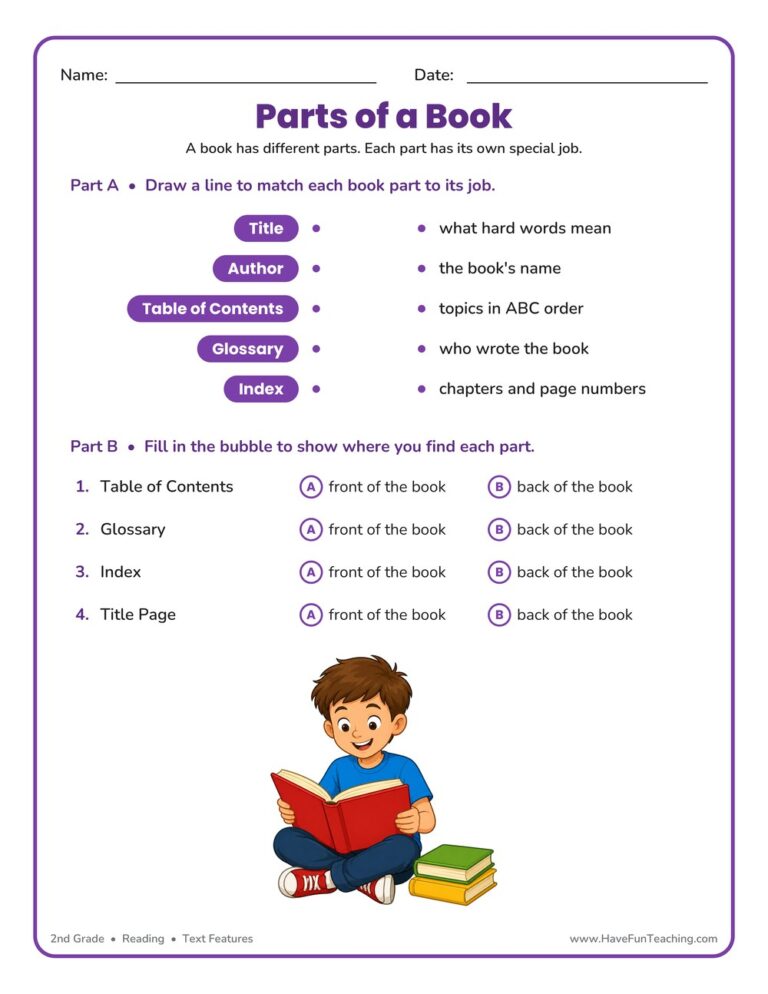
This Book Parts Worksheet helps 2nd graders identify the title, table of contents, glossary, and index, and where to find each part of a book. An answer key is included for quick, no-prep reading practice.
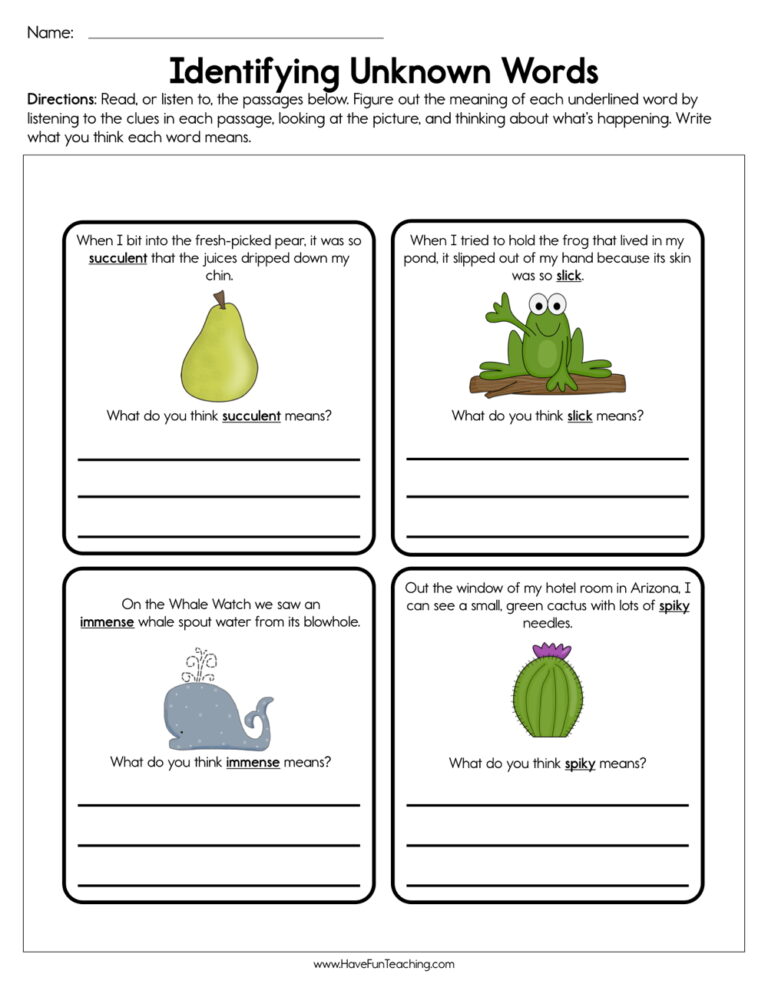
This Identifying Unknown Words Worksheet gives 2nd graders four illustrated passages and asks them to use context clues to choose what each underlined word means. Answer key included for fast, confident vocabulary practice.

This Using Text or Pictures to Find Information Worksheet asks 2nd graders to decide whether each fact came from the words or the picture. An answer key is included, so nonfiction practice takes no prep.
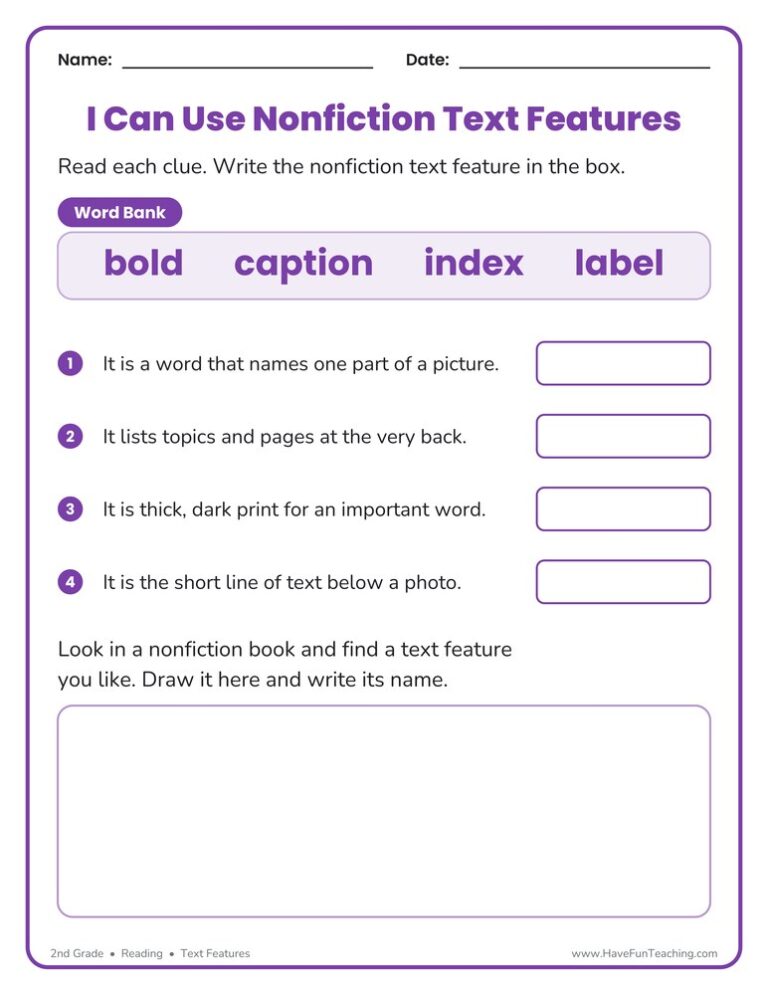
This I Can Use Nonfiction Text Features worksheet helps 2nd grade students name bold print, captions, labels, and the index, then find one in a real book. An answer key makes checking easy.

This informational text vocabulary worksheet gives 2nd grade students a short passage about how a seed grows, four bubble questions and one written response. An answer key is included.

This Images in Text Worksheet gives 2nd graders a short lighthouse passage with a full-width picture, then four questions on detail, text features, vocabulary and main idea. Answer key included.

Using Text Features Scavenger Hunt Activity, studentsidentify text features in the books they are reading to gather information about what they will read.
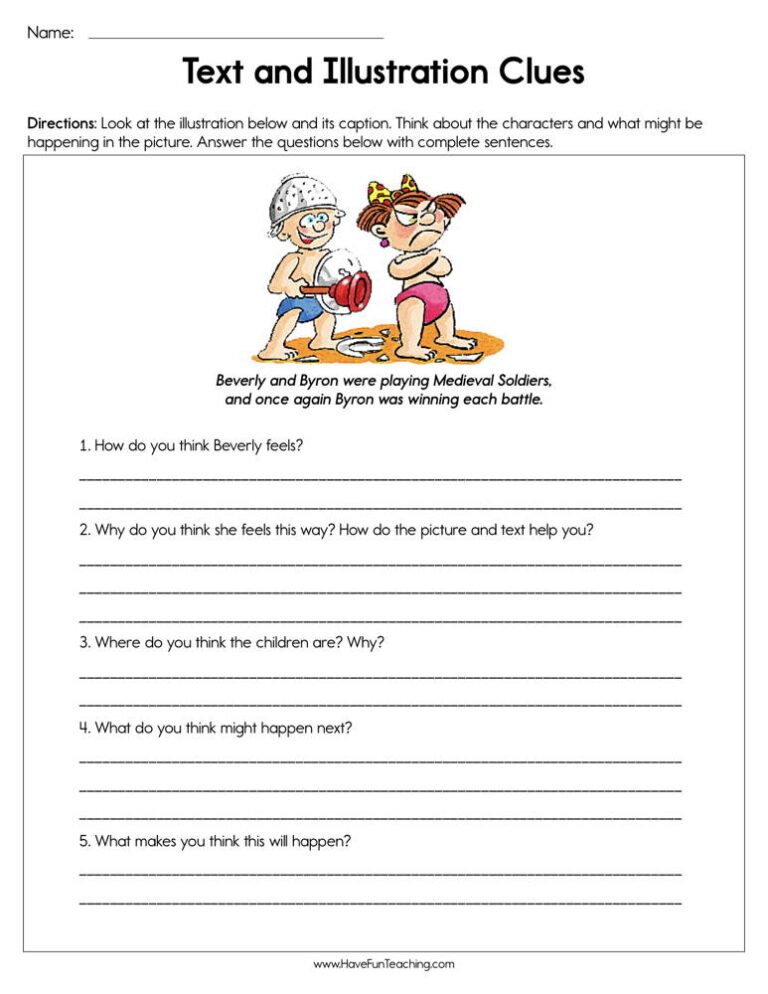
This Text and Illustration Clues Worksheet asks 2nd graders to read one picture and its caption together, then answer four questions with evidence. An answer key is included for quick checking.

Using Images to Understand the Information Worksheet, students explain how the illustrations contribute and clarify a text to build their understanding of what has been read.

Using Compare Contrast Book Covers Worksheet, students compare two books using information from the book cover to determine how they are alike and different.
Reviews
There are no reviews yet