
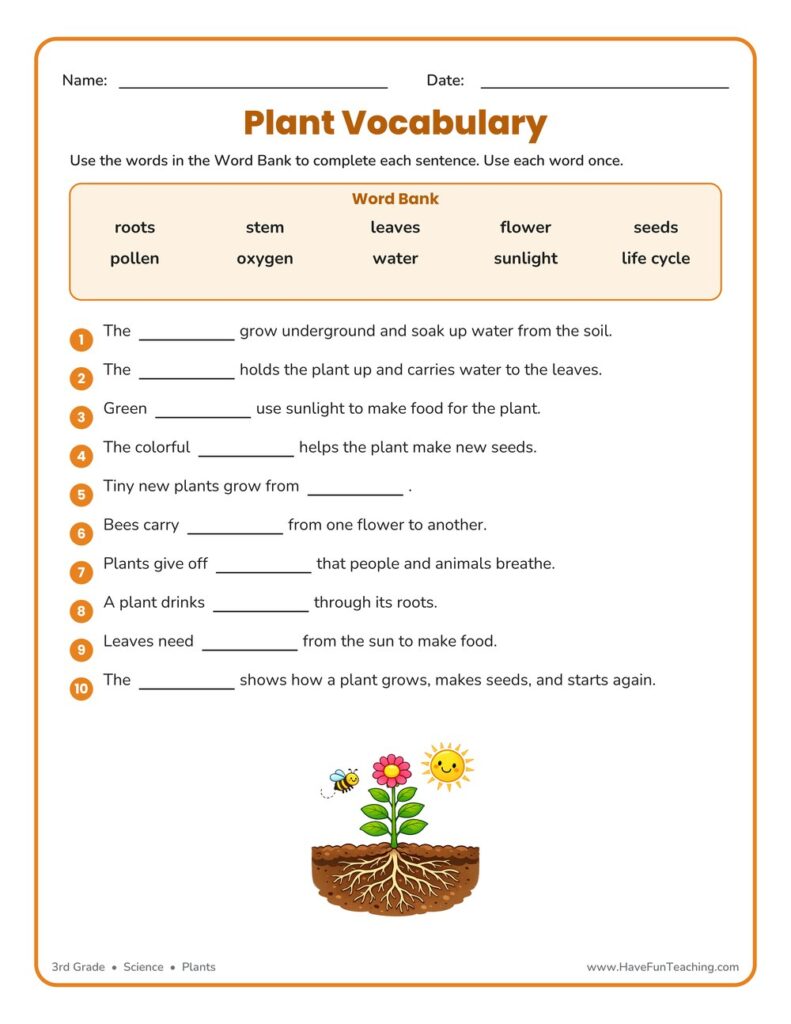
Plant Vocabulary Worksheet
This plant vocabulary worksheet gives 3rd graders a word bank of ten plant terms to complete ten science sentences about how plants grow. Answer key included for easy, no-prep practice.
$6.97
Or free with a membership — members pay $3.33/mo for all 10,000+ resources. See plans
Want this one free?
Tell us where to send it and it’s yours — no card, no catch.
One free resource per teacher. We’ll also send free teaching ideas each week — unsubscribe anytime.
Teaching is easier with a membership
Unlimited printables, games & videos for PreK–6th — for your classroom or homeschool. Cancel anytime.
Start your 3-day free trial$0 today · cancel anytime · Instant access to 10,000+ resources
About this resource
Description
Learning the words that name and describe plants gives young scientists the language they need to talk about how living things grow. This plant vocabulary worksheet introduces third graders to key plant terms—roots, stem, leaves, flower, seeds, pollen, oxygen, water, sunlight, and life cycle—and asks them to match each word to the sentence where it belongs. It turns a list of vocabulary into real understanding.
This 3rd grade plants worksheet pairs a ten-word Word Bank with ten short sentences about how plants live and grow. Students read each sentence, choose the plant word that fits, and write it on the line, using each word exactly once. Because the sentences describe what each part actually does, children connect the word to its meaning instead of just memorizing a definition. Use it as a science center, homework, review before a quiz, or a quick check after a plants lesson.
What’s Included
- 1 print-ready PDF worksheet
- Answer key
- 1 word bank with 10 plant vocabulary words and 10 sentences
There are three clear reasons this plant vocabulary worksheet helps students master plant terms. First, the fill-in-the-blank format builds comprehension because each word only makes sense in the correct sentence, so children must think about meaning. Second, writing the words reinforces spelling of science vocabulary. Third, the colorful plant diagram gives visual learners a picture of the roots, stem, leaves, and flower they are reading about, plus a bee and sun that show pollination and sunlight.
Teachers and parents can extend the lesson in hands-on ways. Grow a bean seed in a clear cup so children watch roots and a stem appear, then label the parts with the vocabulary words. Go on a nature walk and name the parts of real plants, or have students draw their own plant and write a sentence about each part. These activities turn plant vocabulary into lasting science knowledge.
Related Resources
What teachers say
Reviews
You must be logged in to post a review.
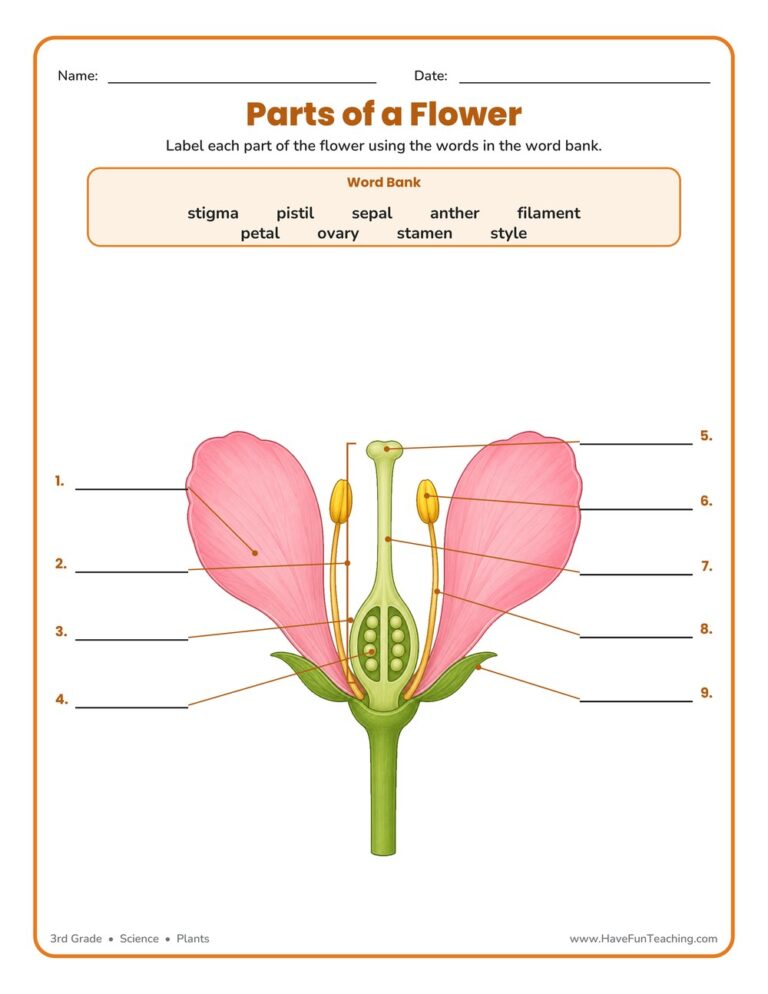
A third grade flower parts of a plant worksheet where students label the nine parts of a flower — petal, sepal, stamen, pistil, and more — using a word bank. Includes a complete answer key for quick, no-prep life science practice.

This life cycle of plants matching worksheet has 3rd grade students match four pictures to the seed, sprout, seedling, and adult plant stages, then answer three questions in writing. Answer key included.
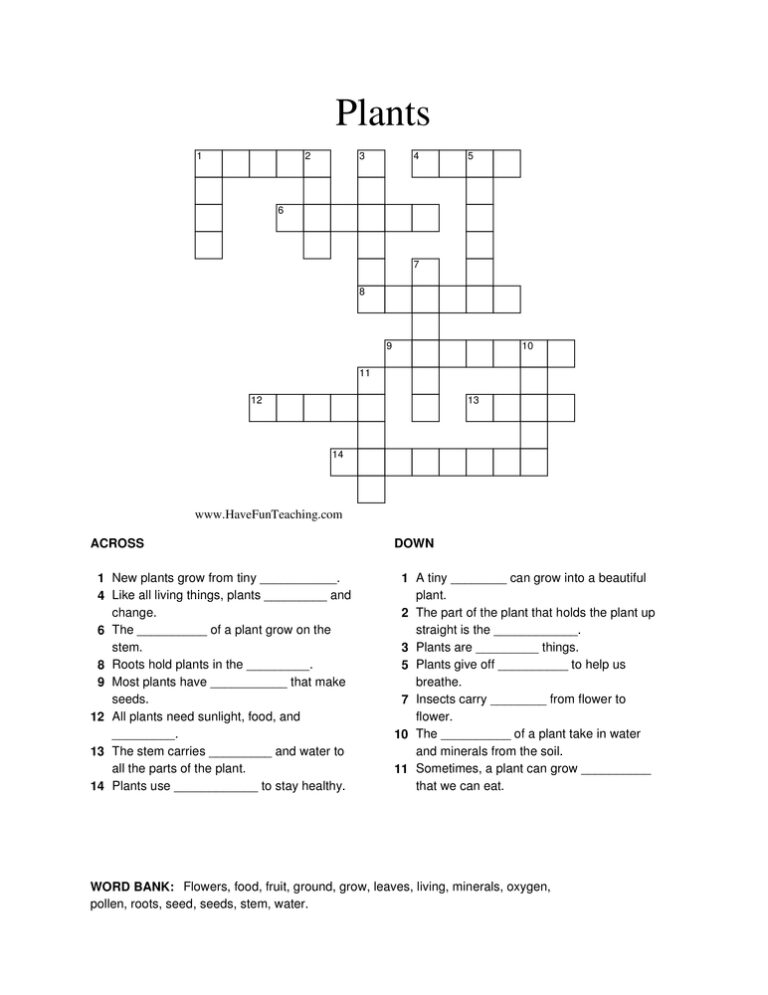
A plants crossword puzzle worksheet that has 3rd graders match eight science clues to the parts a plant needs to live and grow. An answer key is included, so it is ready for quick, no-prep science review.
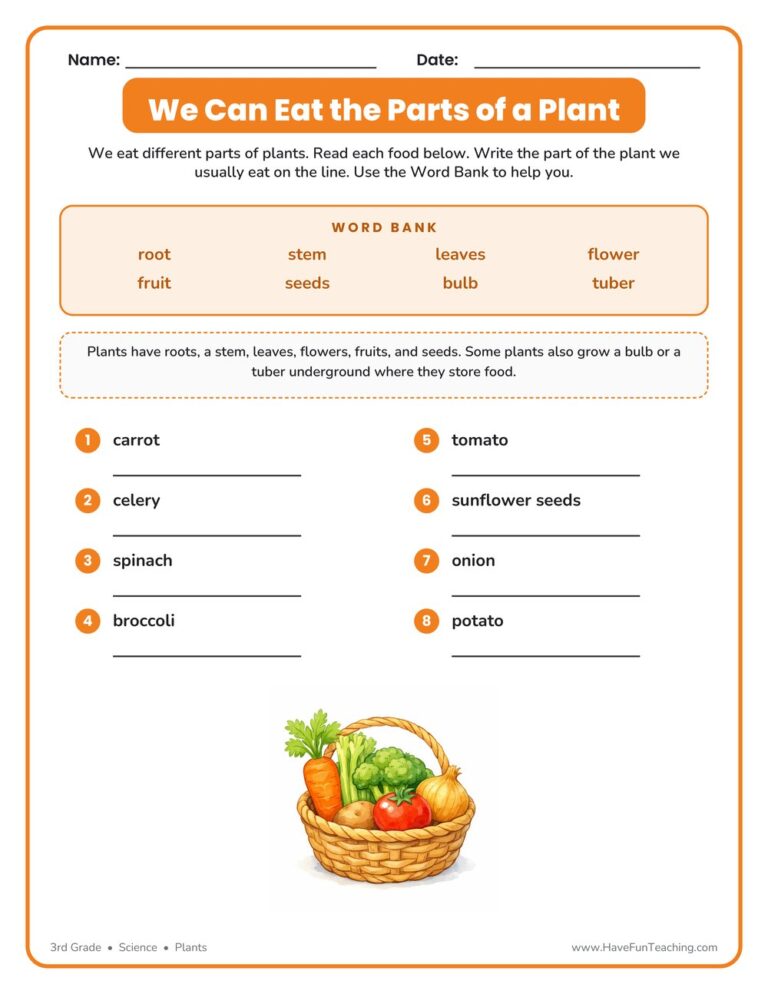
This edible parts of a plant worksheet asks 3rd graders to name which plant part we eat — root, stem, leaf, flower, fruit, seed, bulb, or tuber — for eight common foods. Includes an answer key for no-prep plant science practice.
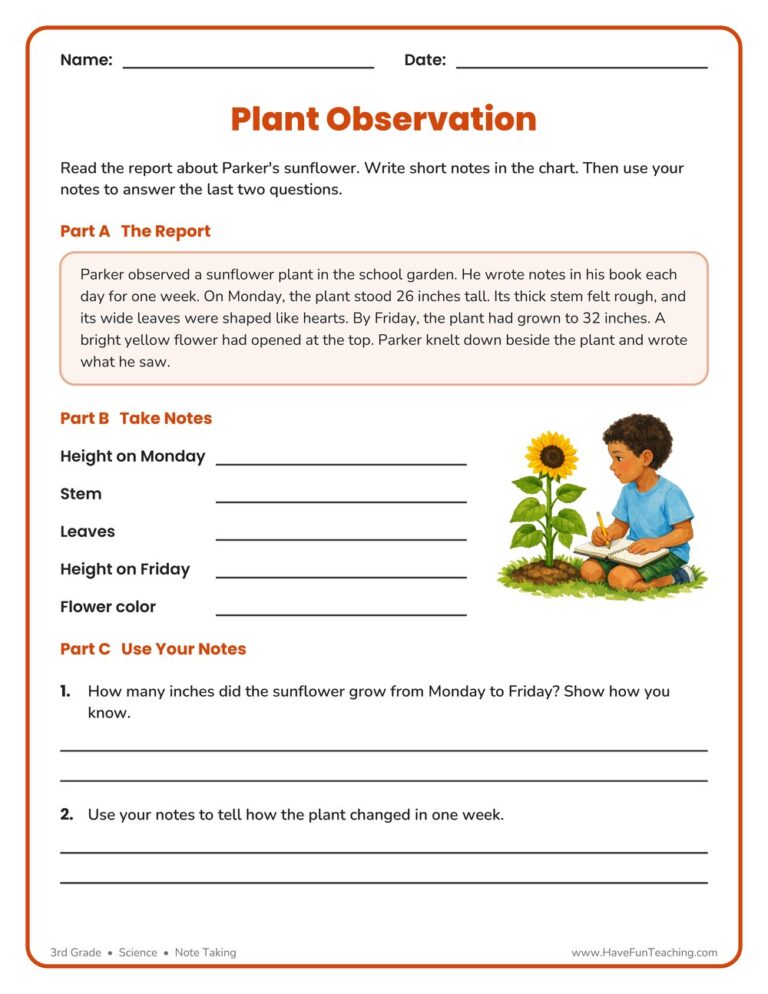
This plant observation worksheet gives 3rd graders a short sunflower report to read and a chart for taking clear, useful notes. An answer key is included, so checking work takes seconds.
The Life Science Stories Reading Comprehension Digital Worksheet Collection has online digital worksheets for Google Classroom & online distance learning.
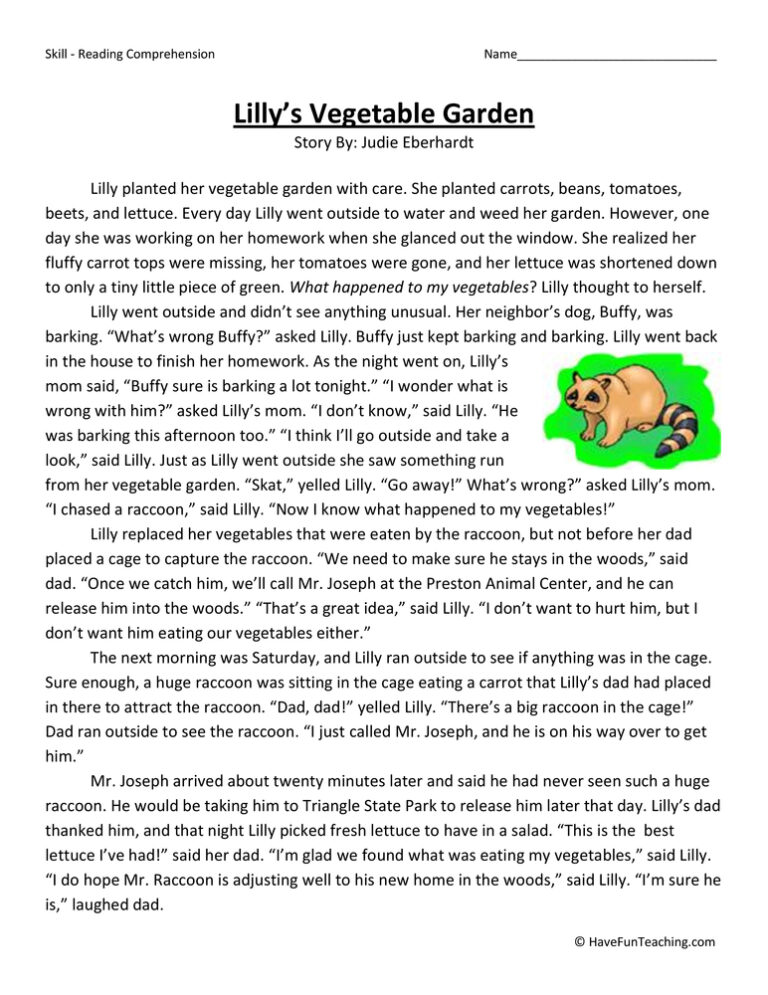
In this Lilly's Vegetable Garden reading comprehension worksheet, third graders read a story about a tomato plant that will not grow, then answer four questions and cite two details in writing. Answer key included.
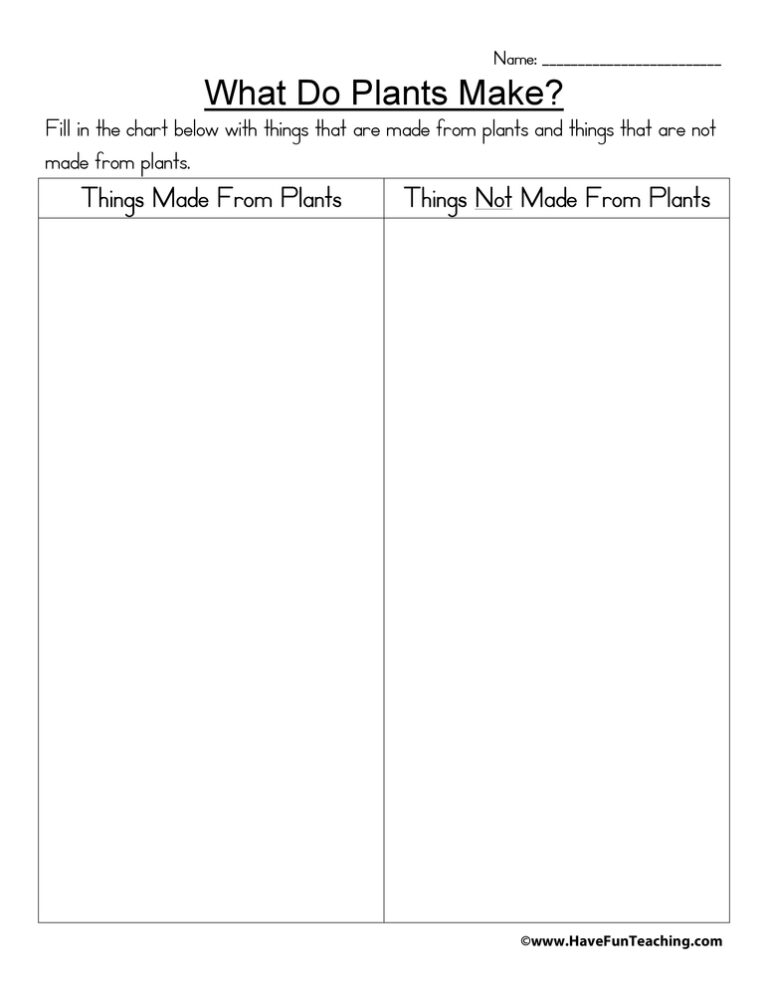
This What Do Plants Make Worksheet has 3rd graders sort everyday items by whether they come from plants, then use clues to name four useful plants. Answer key included.

This plants alphabetical order worksheet has 3rd grade students sort plant words into ABC order and name the letter that decides each pair. An answer key is included for quick checking.
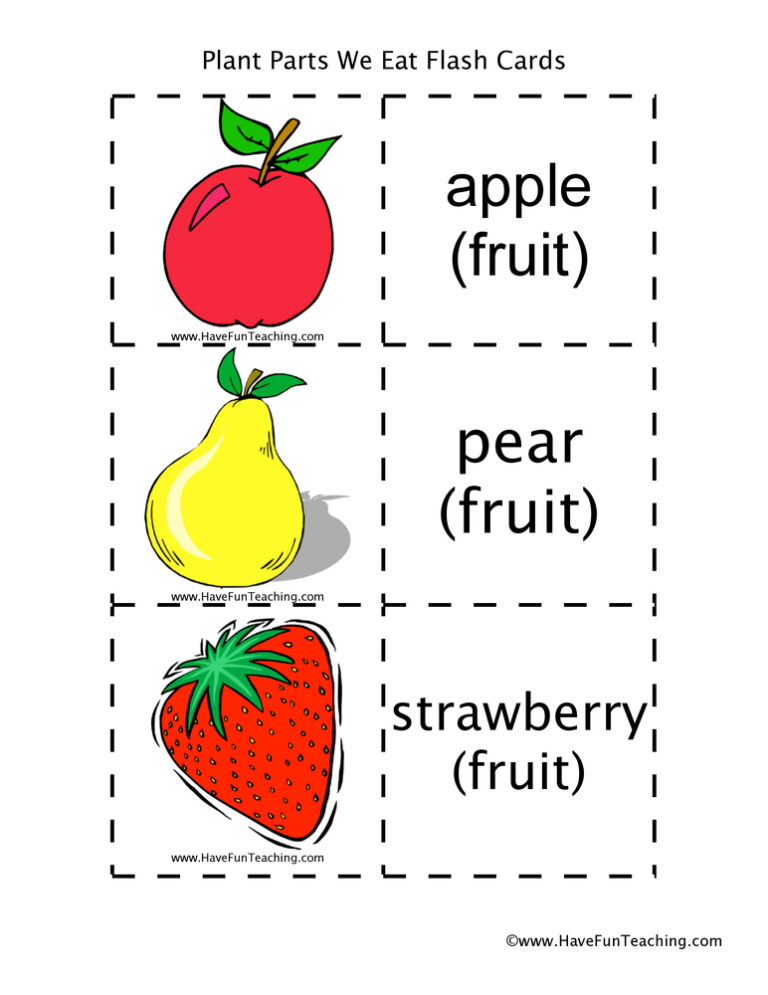
Using these Plants We Eat Flash Cards, students improve their plant and food vocabulary by describing the colorful flash cards.
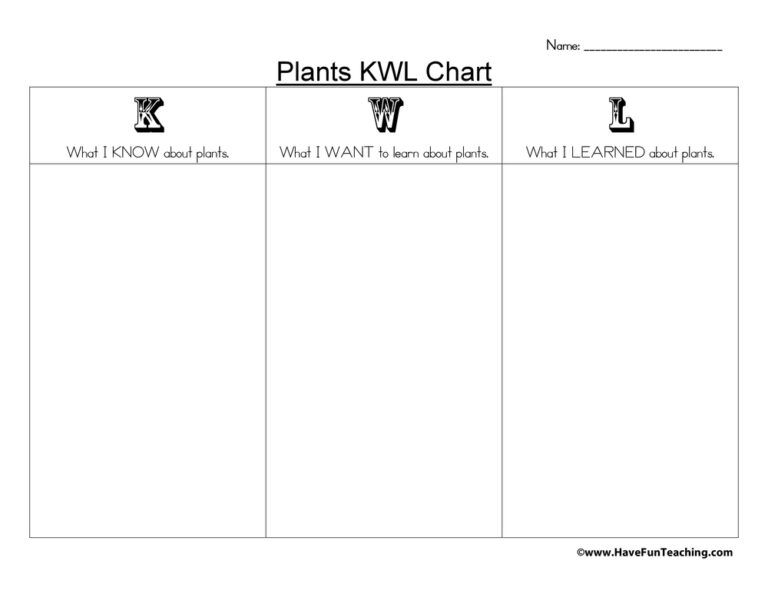
Using Plants KWL Graphic Organizer, students use the graphic organizer to record what they know, want to know and then learn about plants.

UsingEarth Day Writing Activity, students brainstorm the sequence of events of a growing seed, then publish using them Earth Day themed writing.




Reviews
There are no reviews yet