
Skip to content
Start My 3 Free Days $0 today · cancel anytime

3rd Grade Life Cycle Resources

5 3rd grade life cycle resources: 3 worksheets and 1 activity. How teachers use these

3rd Grade Life Cycle Resources

5 3rd grade life cycle resources: 3 worksheets and 1 activity. How teachers use these

Worksheet
Worksheet3rd GradeLife Cycle of Plants Matching Worksheet

This life cycle of plants matching worksheet has 3rd grade students match four pictures to the seed, sprout, seedling, and adult plant stages, then answer three questions in writing. Answer key included.

Worksheet
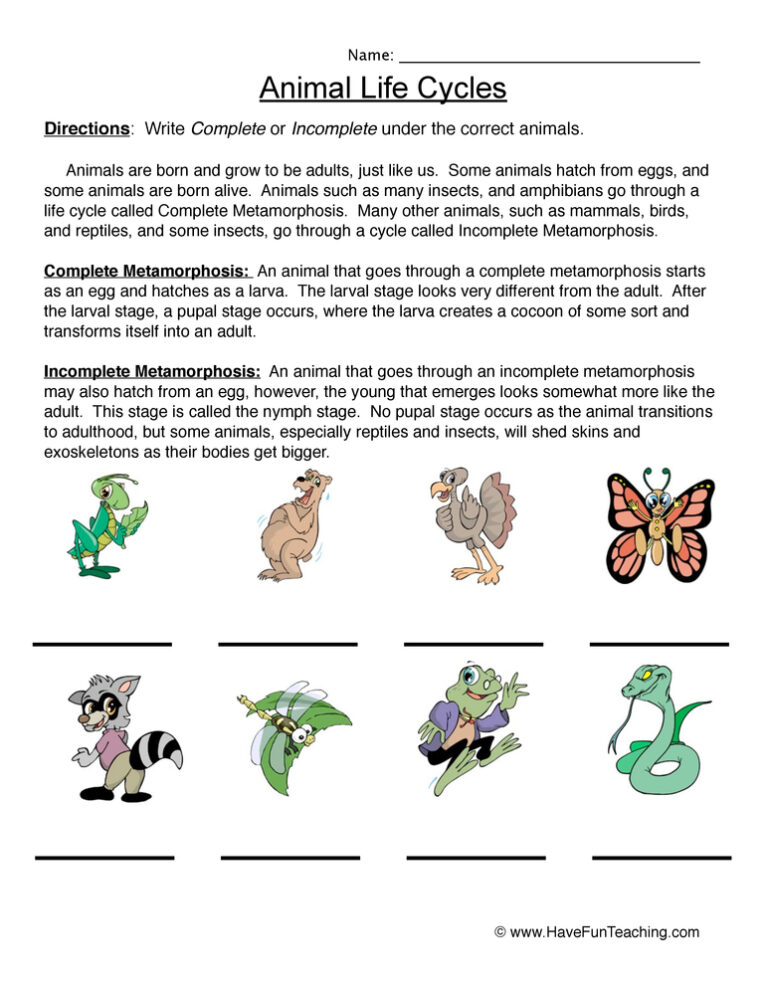
Worksheet3rd GradeAnimal Life Cycles Worksheet

This animal life cycles worksheet has 3rd graders order a butterfly's four stages, sort six insects by complete or incomplete metamorphosis, and explain the difference. Answer key included for fast, no-prep life science practice.

Worksheet
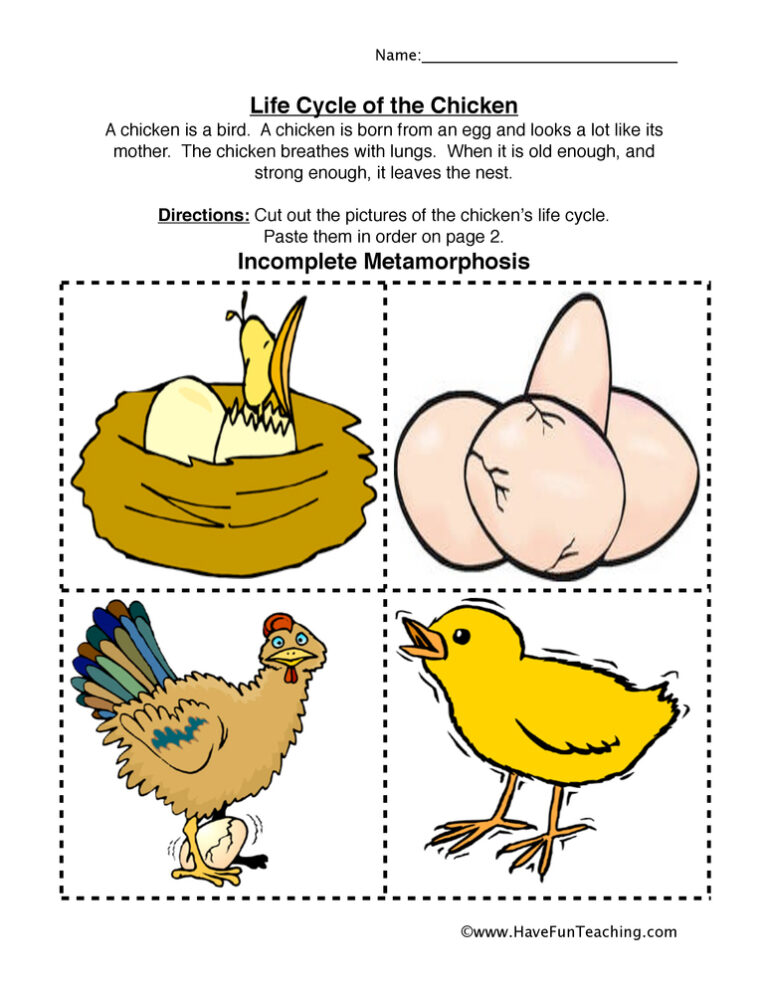
Worksheet3rd GradeChicken Life Cycle Worksheet

This chicken life cycle worksheet has 3rd grade students match pictures to the egg, hatching, chick, and hen stages and explain each change in writing. An answer key is included.

Activity
Activity3rd GradeEarth Day Writing Activity

UsingEarth Day Writing Activity, students brainstorm the sequence of events of a growing seed, then publish using them Earth Day themed writing.

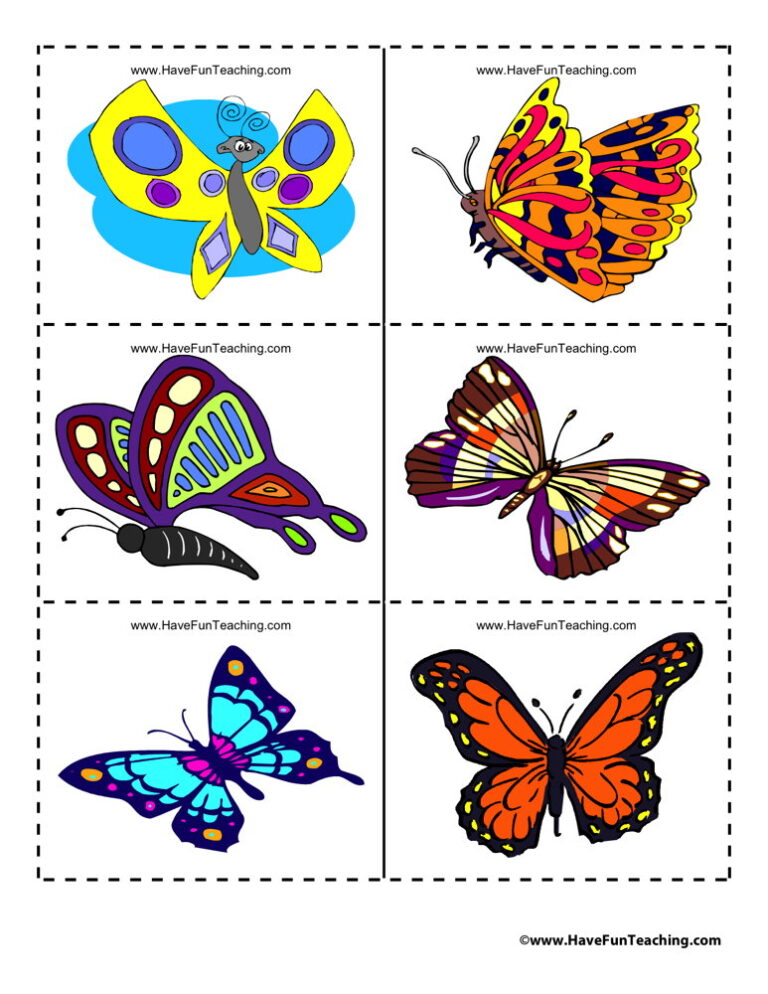
3rd GradeButterfly Clip Art

This Butterfly Clip Art is a perfect addition to any bulletin board, flyer, or other printable that you use in your classroom while learning about butterflies.

From our teachers' playbook

Born, grow, repeat

What do 3rd graders learn about life cycles?

Third graders learn that every living thing has a life cycle: it is born, grows, reproduces and eventually dies. The amazing part is how different those cycles look! A bean plant goes from seed → sprout → plant → flower → seed. A butterfly goes through complete metamorphosis (egg, larva, pupa, adult), while a grasshopper has incomplete metamorphosis and just grows bigger each time it molts. Kids compare these patterns and notice they all end where they began. The click moment is realizing a life cycle is a circle, not a line.

Our favorite ways to teach life cycles

Life cycles are best when kids can watch, sort and compare. These moves make it real.

Compare the circles

Have kids put picture cards for a frog, a butterfly and a chicken in order on three paper plates. Then ask "Which ones look totally different as babies?" Comparing side by side makes metamorphosis easy to understand.

Why it works: going from real objects to pictures to symbols is a core recommendation of the U.S. Department of Education's elementary math guide.

Animal Life Cycles WorksheetTry it withAnimal Life Cycles WorksheetWorksheetsOpen it →

Match the plant stages

Plant a few bean seeds in clear cups and have kids match each stage to a picture card as the plants grow. Watching the real thing over a few weeks makes the whole cycle stick.

Why it works: children learn more from words and pictures together than from words alone (Mayer, 2009).

Life Cycle of Plants Matching WorksheetTry it withLife Cycle of Plants Matching WorksheetWorksheetsOpen it →

Egg to hen, step by step

Model one life cycle in detail, like a chicken, labeling each stage with a short description. Then partners use the same format to describe a life cycle of their choice.

Why it works: showing first, practicing together, then letting kids try alone is the "gradual release" model teachers have relied on for decades (Pearson and Gallagher, 1983).

Chicken Life Cycle WorksheetTry it withChicken Life Cycle WorksheetWorksheetsOpen it →

Questions parents and teachers ask about life cycles

What do 3rd graders learn about life cycles?

Third graders learn that all living things are born, grow, reproduce and die. They compare life cycles of different plants and animals to see what is the same and what is different.

What is the difference between complete and incomplete metamorphosis?

Complete metamorphosis has four stages: egg, larva, pupa and adult, like a butterfly. Incomplete metamorphosis has three: egg, nymph and adult, like a grasshopper.

What is the life cycle of a plant?

A plant starts as a seed, sprouts, grows into a plant, makes flowers and then produces new seeds. Those seeds start the cycle again.

How can I teach life cycles at home?

Grow beans in a clear cup, or watch for caterpillars in the garden. Ask your child to draw each stage as it happens.



