

River Systems Worksheet
Use this river systems worksheet to help 4th graders label the parts of a river, match river landforms, and explain their thinking. An answer key is included for quick, easy checking.
$6.97
Or free with a membership — members pay $3.33/mo for all 10,000+ resources. See plans
Want this one free?
Tell us where to send it and it’s yours — no card, no catch.
One free resource per teacher. We’ll also send free teaching ideas each week — unsubscribe anytime.
Teaching is easier with a membership
Unlimited printables, games & videos for PreK–6th — for your classroom or homeschool. Cancel anytime.
Start your 3-day free trial$0 today · cancel anytime · Instant access to 10,000+ resources
About this resource
Description
This river systems worksheet helps students see how a river grows from a tiny stream into a big waterway that shapes the land. A river system is made of a main river and every smaller stream that flows into it, so learning its parts gives kids the words they need to read maps, talk about landforms, and understand how water moves across the earth.
About This Worksheet
Students start by studying a colorful bird’s-eye picture of a river flowing from snowy mountains down to the sea. They use a word box to label five numbered parts: the source, a tributary, the confluence, the main river, and the delta. Next, they match five river landforms, including a waterfall, rapids, a canyon, a floodplain, and a meander, to the meaning that tells how moving water forms each one. Finally, they write a short answer that explains how a river system is like a tree, using the words main river and tributary. This 4th grade geography worksheet works well as a lesson follow-up, a science or social studies center, homework, or a quick review before a unit test.
What’s Included
- 1 river systems worksheet page with three parts
- A labeled river picture with a word box
- Five landform matching items
- A short written response question
- A complete answer key
Why It Helps Kids
First, labeling a real picture turns new vocabulary into something students can see and remember. Second, matching landforms to how they form builds cause-and-effect thinking about moving water. Third, the written response asks students to explain their thinking in their own words, which strengthens both geography knowledge and writing skills.
Ideas for Teachers and Parents
Before starting, trace the path of a local river on a map and find where it begins and ends. Afterward, pour water slowly down a tray of sand to show how rivers carve channels and build a delta. You can also have students draw their own river system and label each part with the words from the box.
Related Resources
What teachers say
Reviews
You must be logged in to post a review.
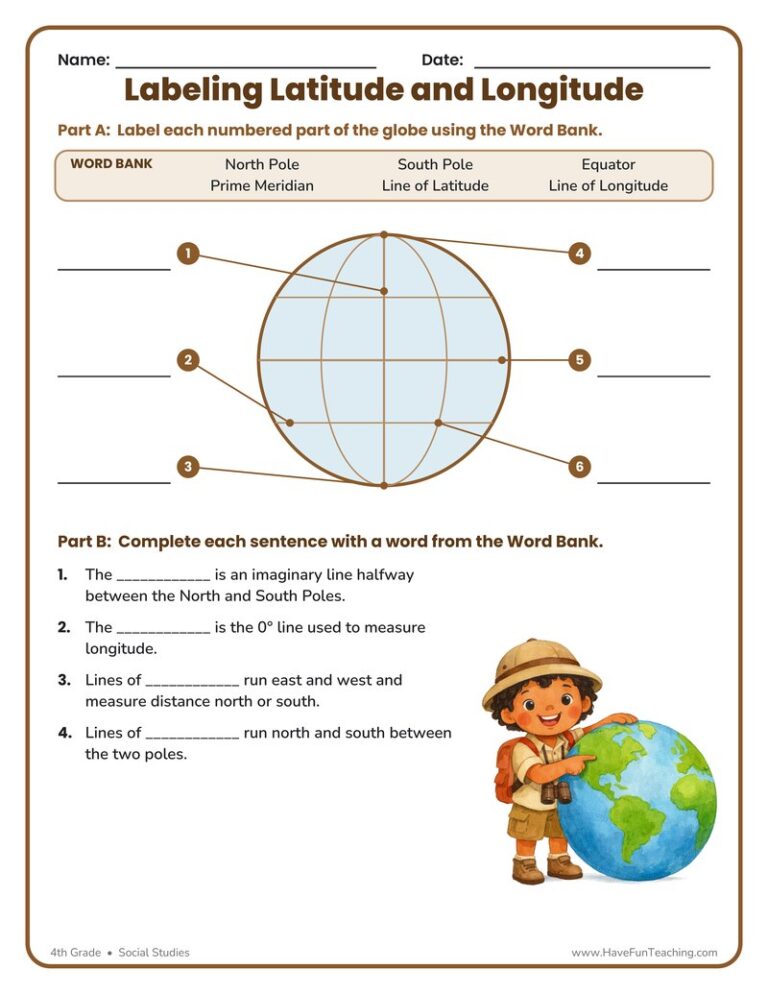
This Labeling Latitude and Longitude Worksheet lets 4th graders label a globe’s equator, prime meridian, poles, and grid lines, then explain each one. Answer key included for fast, no-prep geography practice.
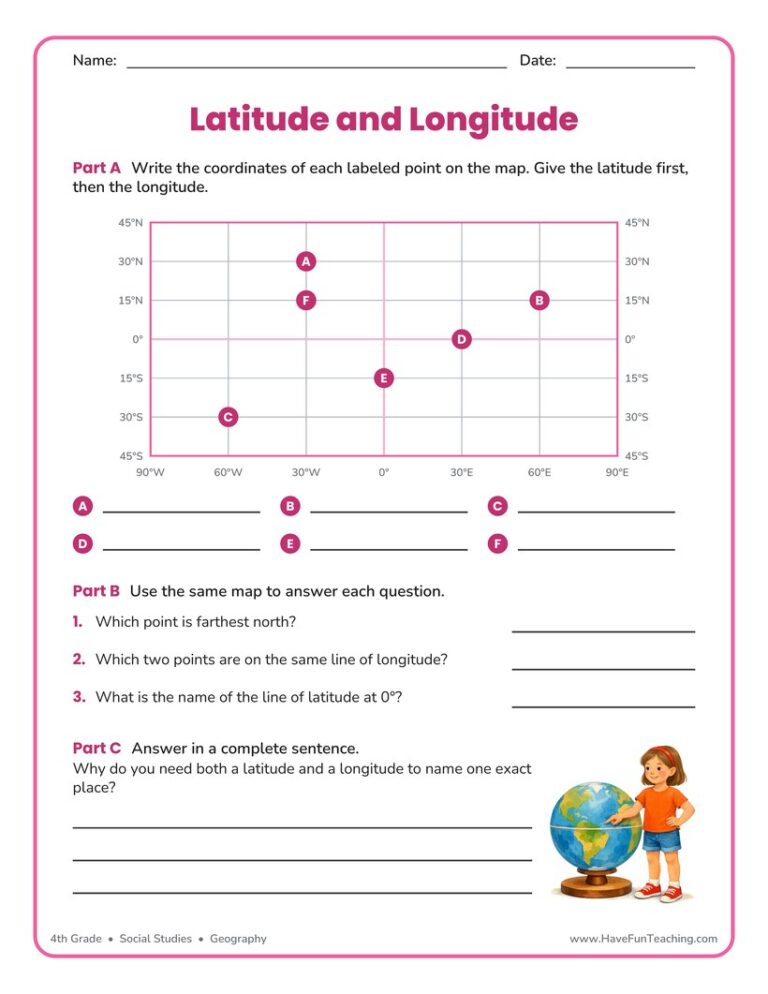
This latitude and longitude worksheet asks 4th grade students to read six points off a labeled map grid, compare them, and explain why both measurements are needed. An answer key is included for fast checking.
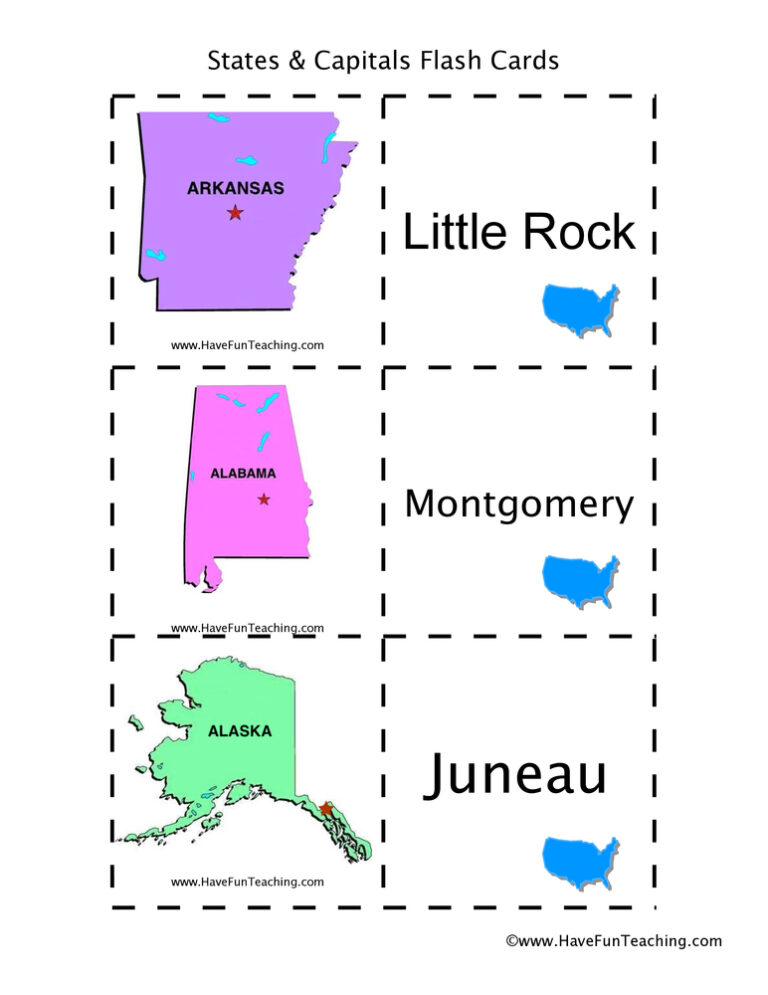
Using US States and Capitals Flash Cards, students memorize US State capitals by looking at a picture of the state.

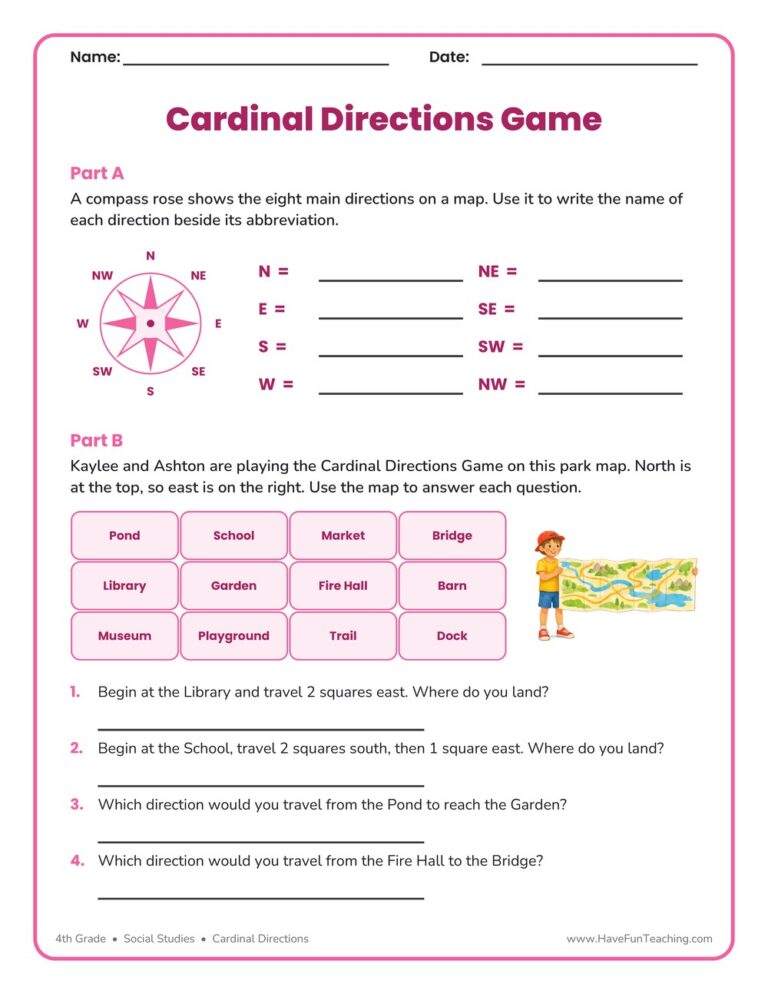
This cardinal directions game worksheet asks 4th graders to name all eight compass points, then walk a park map square by square. An answer key is included, so checking map skills takes only a minute.
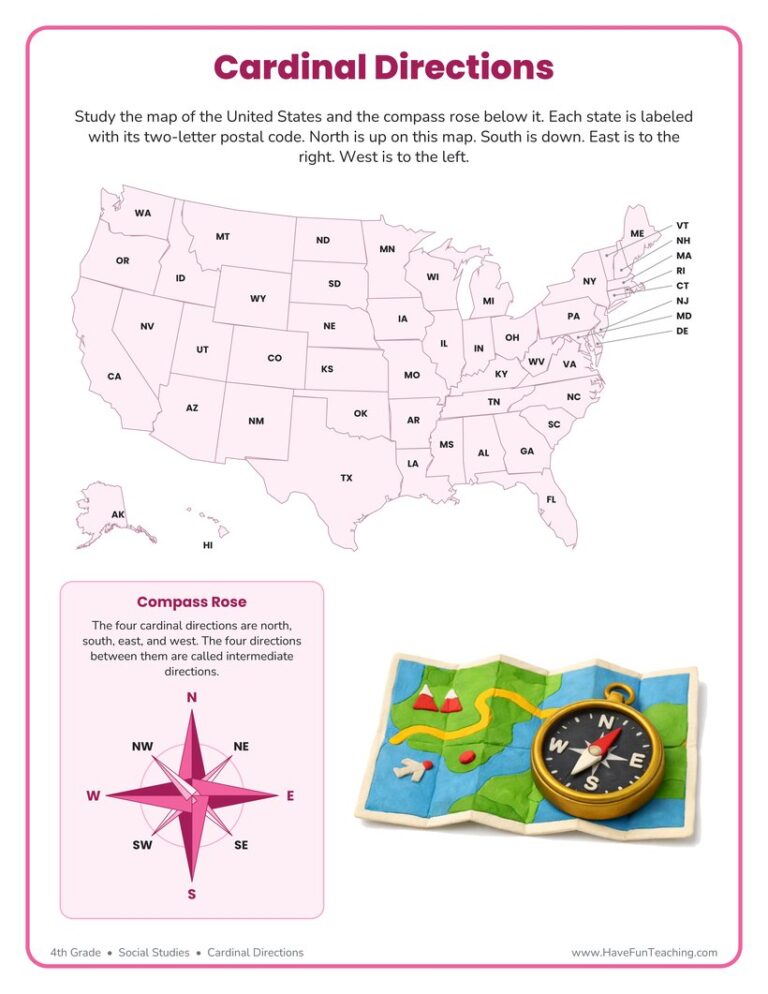
This cardinal directions worksheet gives 4th graders a labeled U.S. map and a compass rose to practice north, south, east, and west. Answer key included for fast, no-prep geography review.

This continents map worksheet gives 4th grade students an unlabelled world map with seven numbered markers, five clue questions and a hemisphere question. Answer key included.
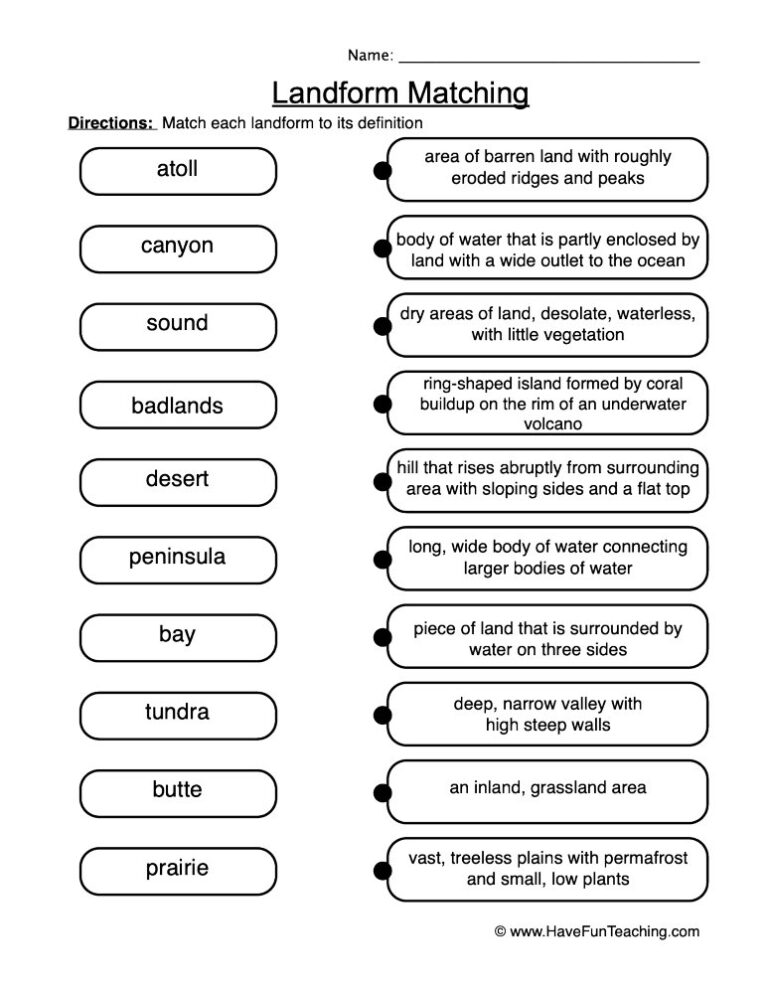
A landform definitions worksheet where 4th graders match six landforms to their meanings, complete clue sentences, and explain their thinking in writing. Answer key included for fast, no-prep geography review.

This Map Scales Worksheet gives 4th grade students a trail map with a printed bar scale, four measuring questions, and two written-scale word problems. An answer key is included, so map skills practice is ready to hand out.
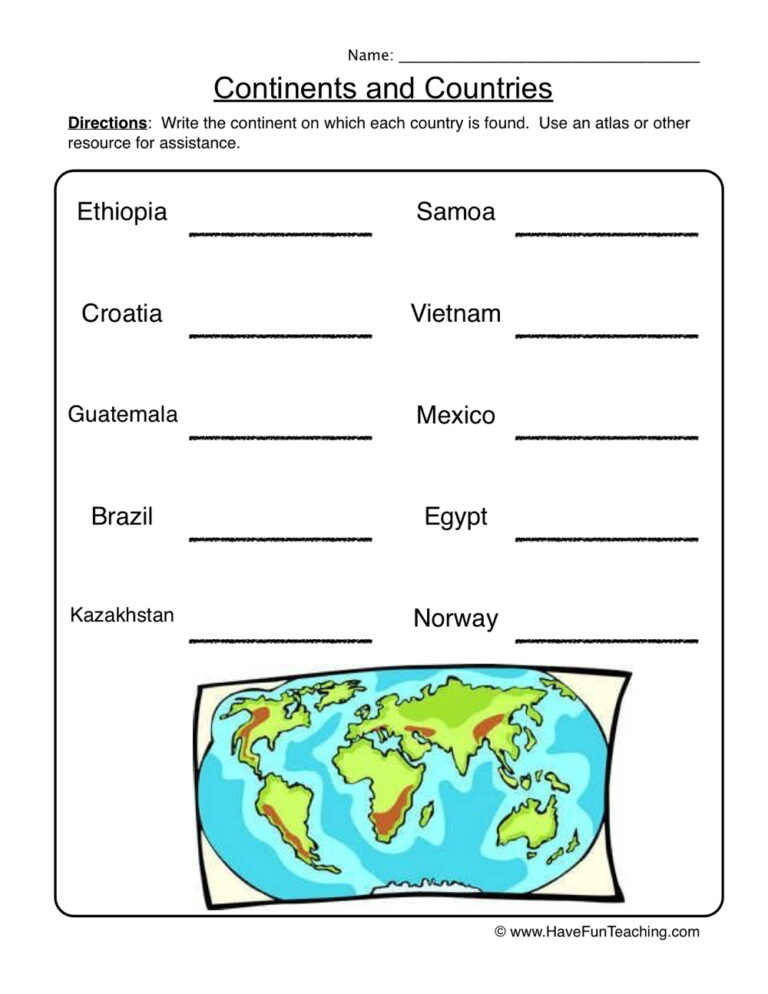
This continents worksheet has 4th Grade students label seven continents on a world map, then name the continent for ten countries. An answer key is included.

This Map Legends Worksheet asks 4th grade students to read a campground map using only its legend and a compass rose, with six questions and a full answer key for quick checking.
UsingUS State Capitals Pictures Flash Cards, students memorize US State capitals by looking at a picture of the state.

Reviews
There are no reviews yet