
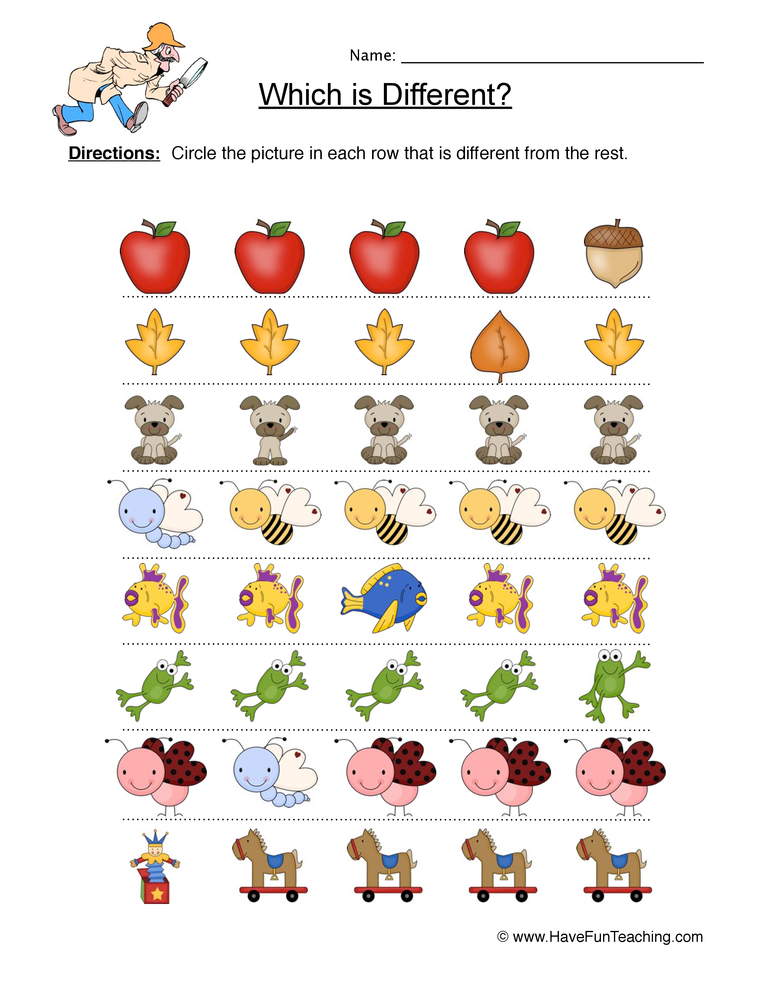
Same Different Picture Worksheet
This same different picture worksheet asks 1st graders to circle the odd picture in four rows, then name one likeness and one difference, with an answer key included.
$6.97
Or free with a membership — members pay $3.33/mo for all 10,000+ resources. See plans
Want this one free?
Tell us where to send it and it’s yours — no card, no catch.
One free resource per teacher. We’ll also send free teaching ideas each week — unsubscribe anytime.
Teaching is easier with a membership
Unlimited printables, games & videos for PreK–6th — for your classroom or homeschool. Cancel anytime.
Start your 3-day free trial$0 today · cancel anytime · Instant access to 10,000+ resources
About this resource
Description
Before a child can compare two stories, she has to be able to compare two pictures. Noticing that three things match and one does not is the very first move in compare and contrast, and it is a skill first graders use every day — sorting laundry, matching socks, spotting the one letter in a row that faces the wrong way. This same different picture worksheet gives students slow, careful looking practice: four rows of pictures where three are identical and one is the odd one out, plus a short writing task that turns the noticing into words.
Part A holds the four picture rows. Some rows change the object completely — a pear standing among apples, a fire truck parked in a line of school buses — while others change only one detail, like the single red umbrella hiding among three blue ones. That mix teaches children to keep looking after the obvious answer. Part B then puts a school bus and a bicycle side by side and asks for one way they are the same and one way they are different, so students move from circling to explaining. Use this 1st grade compare and contrast worksheet as a warm-up before a compare-and-contrast read-aloud, as a center activity, or as a quick observation check.
What’s Included
- 1 print-ready PDF worksheet
- 4 picture rows with one odd picture in each
- 1 two-picture comparison with a Same and a Different sentence line
- 1 answer key
This resource helps children learn compare and contrast in three ways. First, pictures carry no reading load, so a child who is still decoding can practice the thinking skill at full strength instead of getting stuck on the words. Second, the rows are built at two difficulty levels — a whole different object versus a single changed color — which trains the careful, second-look attention that comparing two texts will later demand. Third, Part B asks students to say what is alike before they say what is different, the same order a Venn diagram uses, so the writing task builds the structure they will reach for in second and third grade.
Teachers and parents can keep the practice going away from the page. Line up four objects on the table, swap one while your child closes their eyes, and let them find the change. Play a same-and-different game with two stuffed animals, naming one likeness and one difference each turn. On a walk, point at two houses, two trees, or two cars and trade observations back and forth. When your students are ready to move from pictures to text, pair this same different picture worksheet with the related resources below.
Related Resources
What teachers say
Reviews
You must be logged in to post a review.
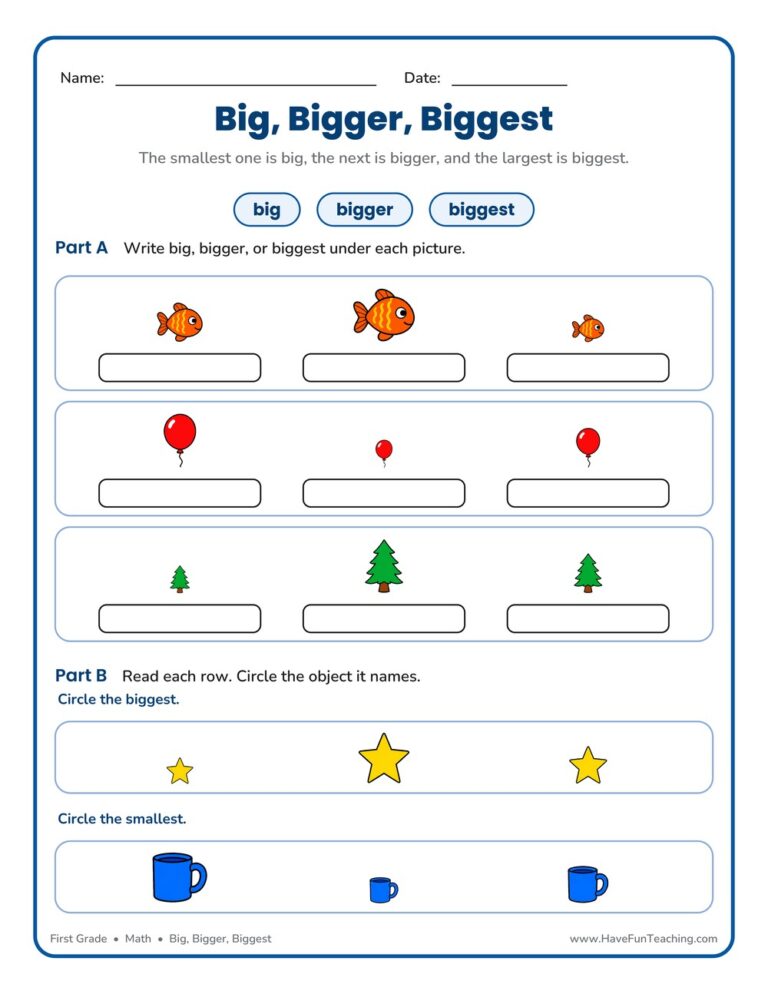
This Big, Bigger, Biggest Worksheet gives first grade students fun practice comparing objects by size, labeling big, bigger, and biggest and circling the biggest and smallest. An answer key is included to make learning simple.

Meet two friends, then check off what they share and what makes each one different. This compare and contrast characters worksheet gives 1st graders a clear, no-prep sorting chart, with a complete answer key included.

This comparing characters worksheet gives 1st graders a short story about two friends and a three-part chart for sorting what is alike and what is different. Answer key included, so checking takes seconds.
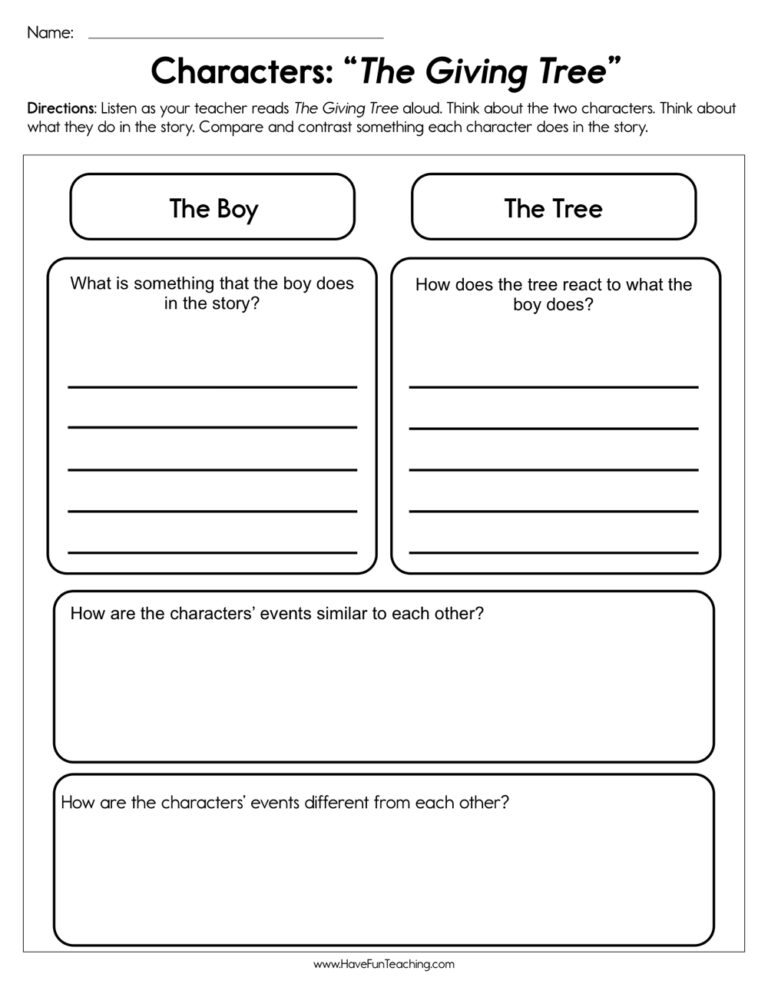
Using Characters, Settings, and Big Events Worksheet, students draw pictures and write a sentence for each to tell about the story elements in a book.

A two-part Same Different Categories Worksheet where 1st graders circle the words that belong to a group, then find the one that does not. Answer key included for quick, no-prep sorting practice.
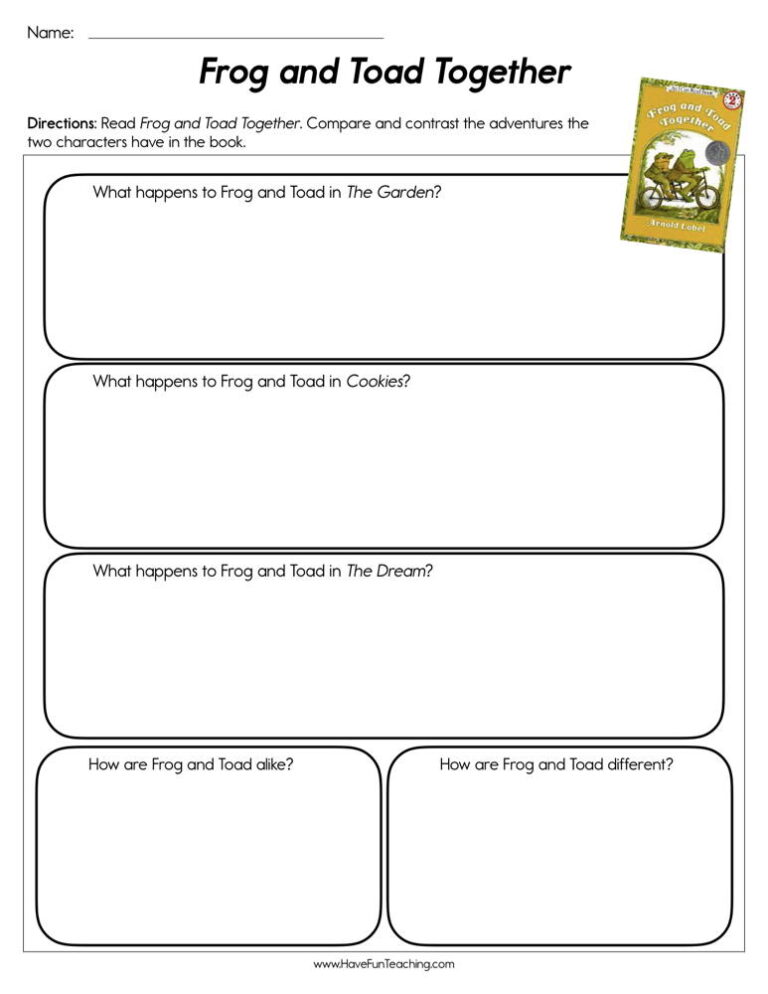
Using this Frog and Toad Together Worksheet, studentsread Frog and Toad Together to compare and contrast the adventures the two characters have in the book.

This same different objects worksheet asks 1st grade students to circle the object that changes color, size, or direction, then compare a crayon and a pencil. An answer key is included for quick checking.
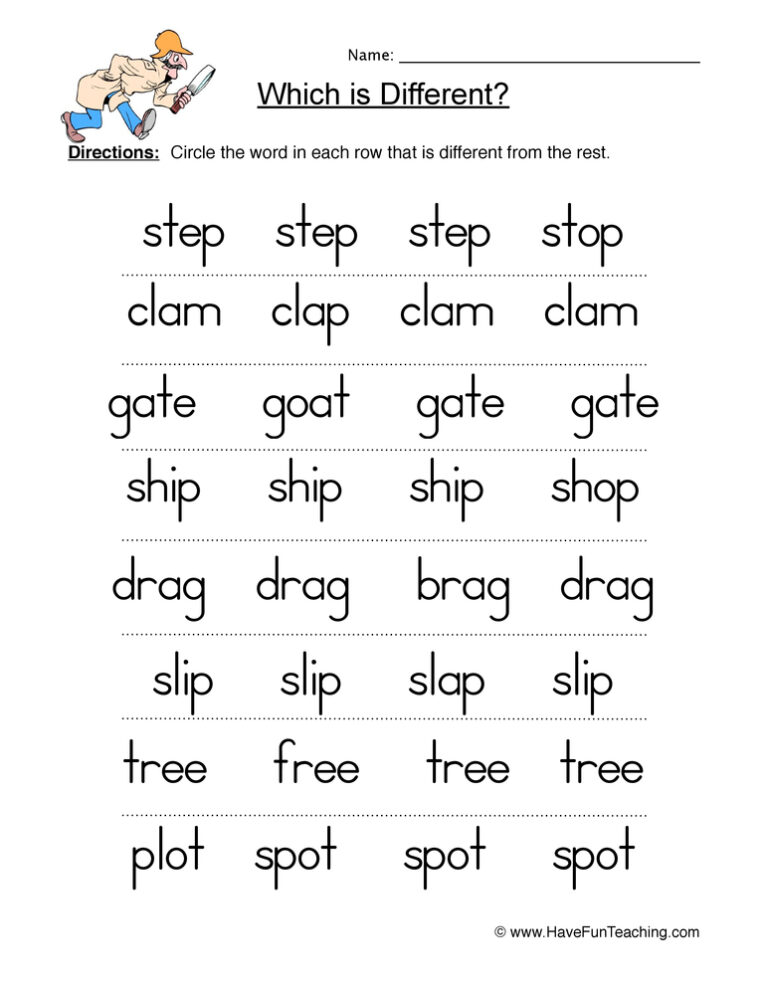
This Same Different Four Letter Words Worksheet asks 1st Graders to circle the word that is not the same, then match three pictures to their look-alike words. Answer key included for fast, no-prep word discrimination practice.

Using this Size Activity, students play Categories to practice identifying the sizes tall, short, big and small.

Using Compare and Contrast Characters Charlie Brown and Arthur Worksheet, students compare two different characters from two different stories you have read.
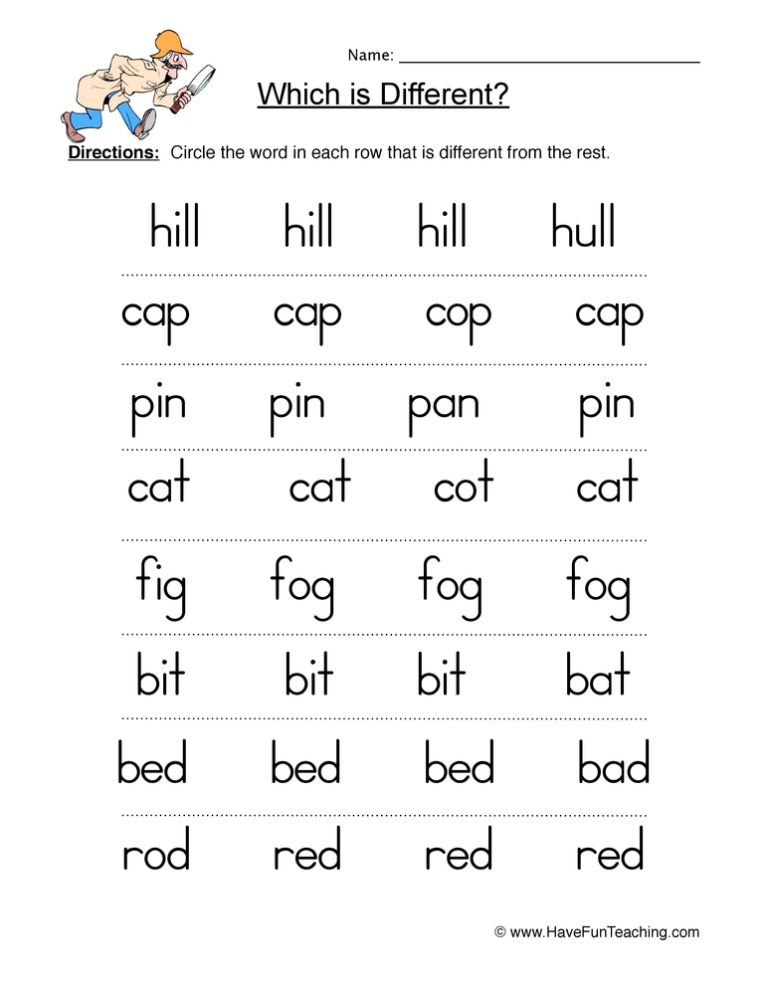
This same and different words worksheet gives 1st Grade readers ten rows of look-alike words to compare, with an answer key included, so children learn to read every letter instead of guessing.
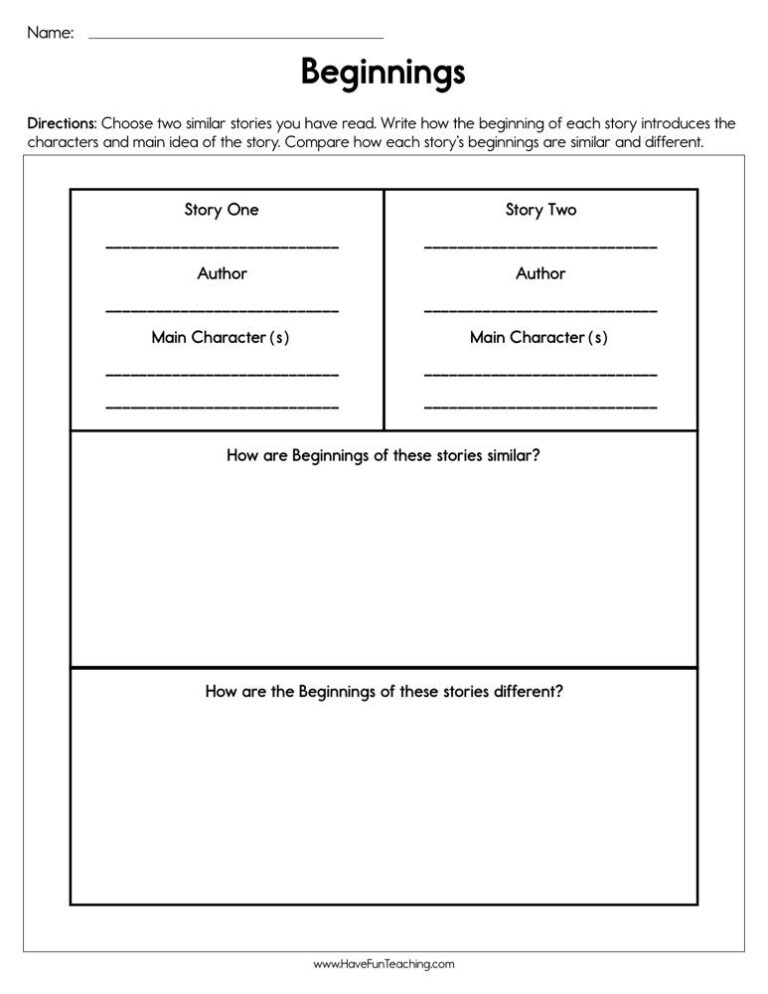
Using Beginnings Worksheet, students write how the beginning of each story introduces the characters and main idea of the story to compare the two similar stories read.




Reviews
There are no reviews yet