
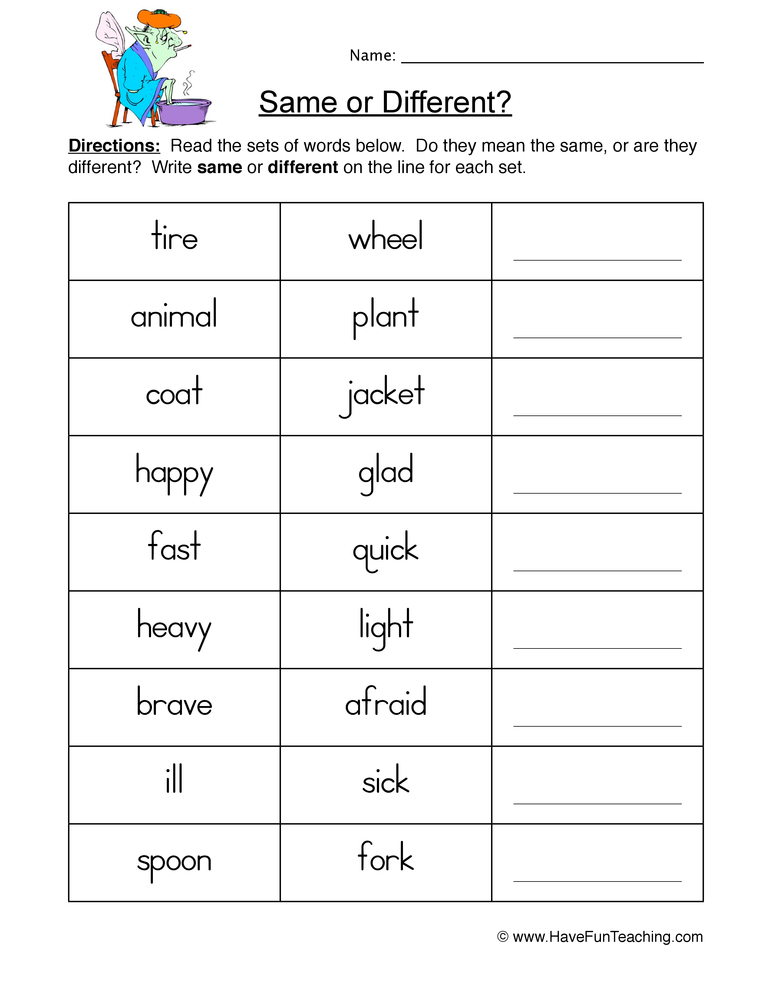
Same Different Words Worksheet
A Same Different Words Worksheet for 1st grade: read eight word pairs and circle whether the words mean the same or different. Includes an answer key and builds early vocabulary skills.
$6.97
Or free with a membership — members pay $3.33/mo for all 10,000+ resources. See plans
Want this one free?
Tell us where to send it and it’s yours — no card, no catch.
One free resource per teacher. We’ll also send free teaching ideas each week — unsubscribe anytime.
Teaching is easier with a membership
Unlimited printables, games & videos for PreK–6th — for your classroom or homeschool. Cancel anytime.
Start your 3-day free trial$0 today · cancel anytime · Instant access to 10,000+ resources
About this resource
Description
Some words look nothing alike but mean the same thing, and some pairs mean the exact opposite. This Same Different Words Worksheet helps young readers stop and think about what two words really mean. Children read a pair like big and large or hot and cold, compare the meanings, and decide whether the words are the same or different. It is an early, friendly step into comparing and contrasting.
This 1st grade compare and contrast worksheet has eight word pairs set in large, easy-to-read type. Next to each pair are two choices, same and different, and the child circles one. Half of the pairs are synonyms and half are opposites, mixed so the answers never fall into a pattern. Read the first pair aloud together, talk about what each word means, and then let the child work through the rest independently. A cheerful picture of hot cocoa and a cold ice pop at the bottom shows one of the pairs from the page.
What’s Included
- 1 print-ready PDF worksheet
- Answer key
- 8 word pairs to compare, each with same and different choices to circle
There are three reasons this same different words worksheet works well for beginning readers. First, every word is short and familiar, so the effort goes into thinking about meaning instead of decoding. Second, the child has to read both words in every pair, because the choices look the same on every line and the page gives no hints. Third, sorting pairs into same and different builds the vocabulary habits children use later with synonyms, antonyms, and context clues.
Teachers and parents can stretch the lesson with quick games. Say a word and ask the child for another word that means the same thing, then ask for its opposite. Act out opposites like up and down or fast and slow. During read-aloud time, pause on a new word and ask whether any word the child already knows means the same thing. Make a class chart with two columns, same and different, and add new pairs to it all week.
Related Resources
What teachers say
Reviews
You must be logged in to post a review.
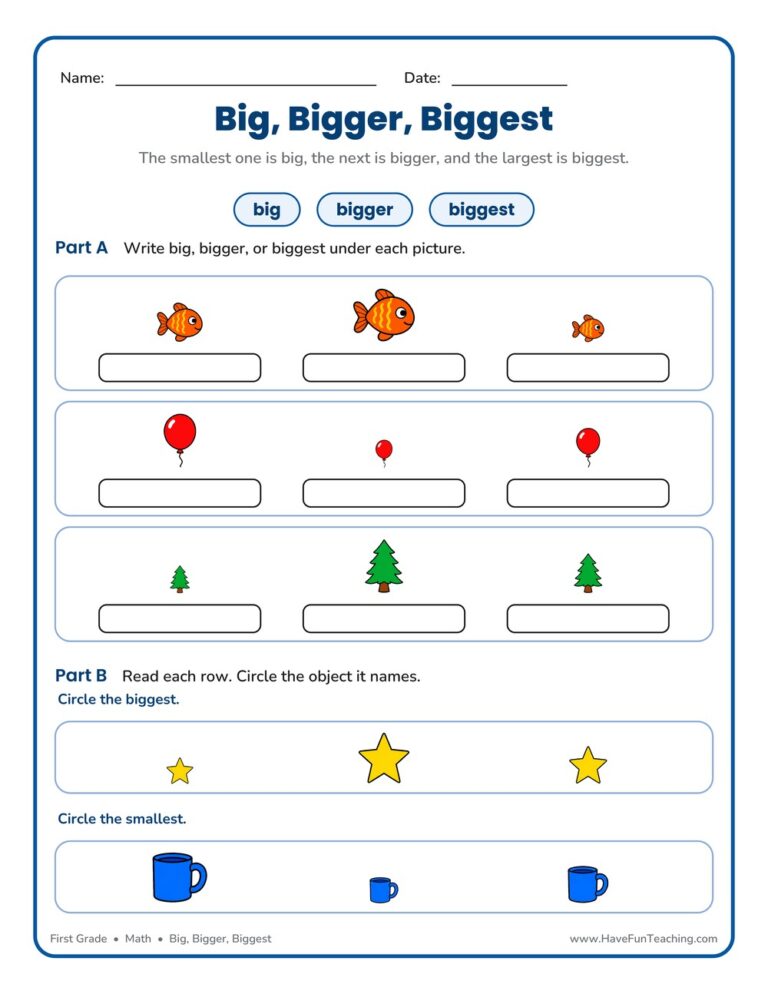
This Big, Bigger, Biggest Worksheet gives first grade students fun practice comparing objects by size, labeling big, bigger, and biggest and circling the biggest and smallest. An answer key is included to make learning simple.
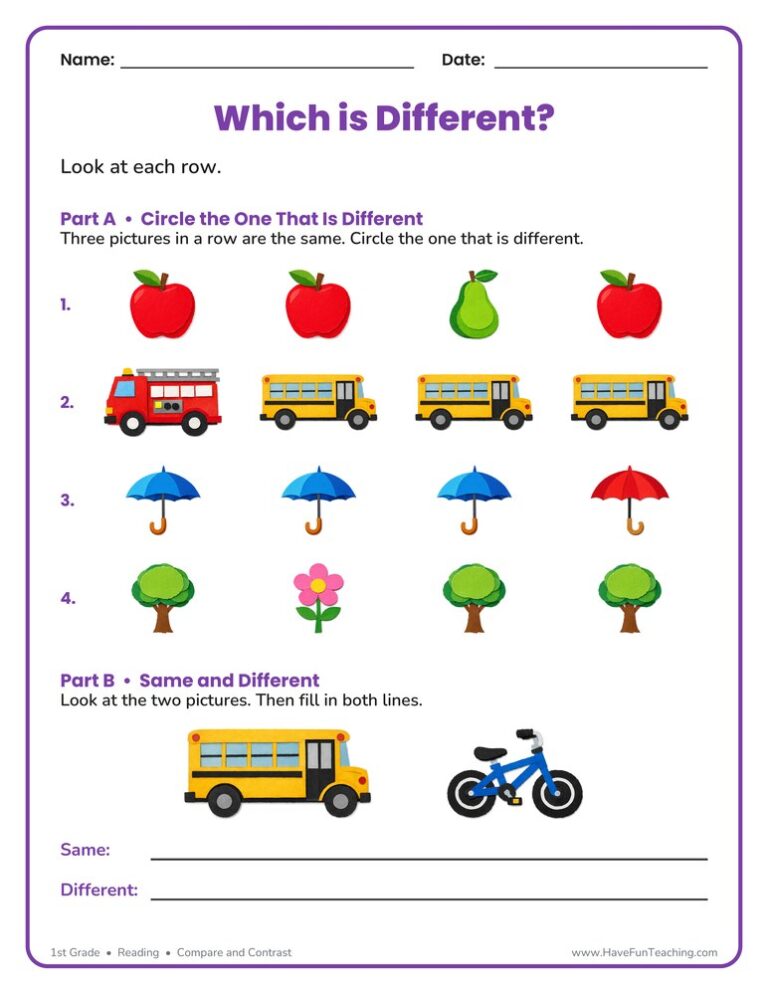
This same different picture worksheet asks 1st graders to circle the odd picture in four rows, then name one likeness and one difference, with an answer key included.

Meet two friends, then check off what they share and what makes each one different. This compare and contrast characters worksheet gives 1st graders a clear, no-prep sorting chart, with a complete answer key included.

This comparing characters worksheet gives 1st graders a short story about two friends and a three-part chart for sorting what is alike and what is different. Answer key included, so checking takes seconds.
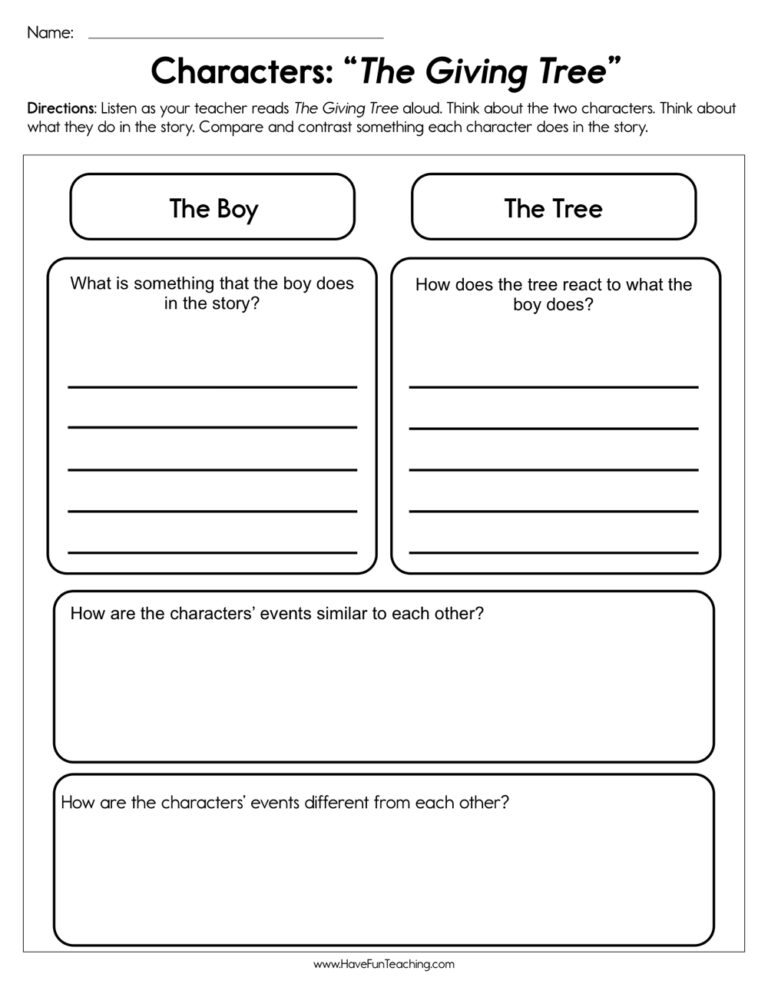
Using Characters, Settings, and Big Events Worksheet, students draw pictures and write a sentence for each to tell about the story elements in a book.

A two-part Same Different Categories Worksheet where 1st graders circle the words that belong to a group, then find the one that does not. Answer key included for quick, no-prep sorting practice.

This same different objects worksheet asks 1st grade students to circle the object that changes color, size, or direction, then compare a crayon and a pencil. An answer key is included for quick checking.
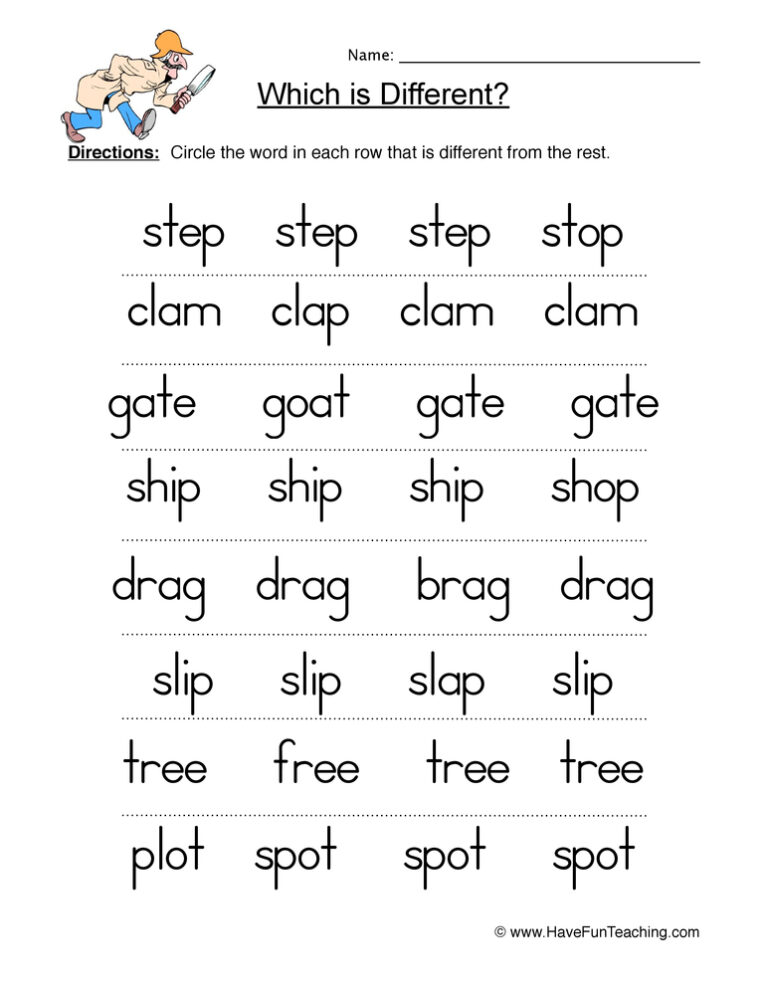
This Same Different Four Letter Words Worksheet asks 1st Graders to circle the word that is not the same, then match three pictures to their look-alike words. Answer key included for fast, no-prep word discrimination practice.
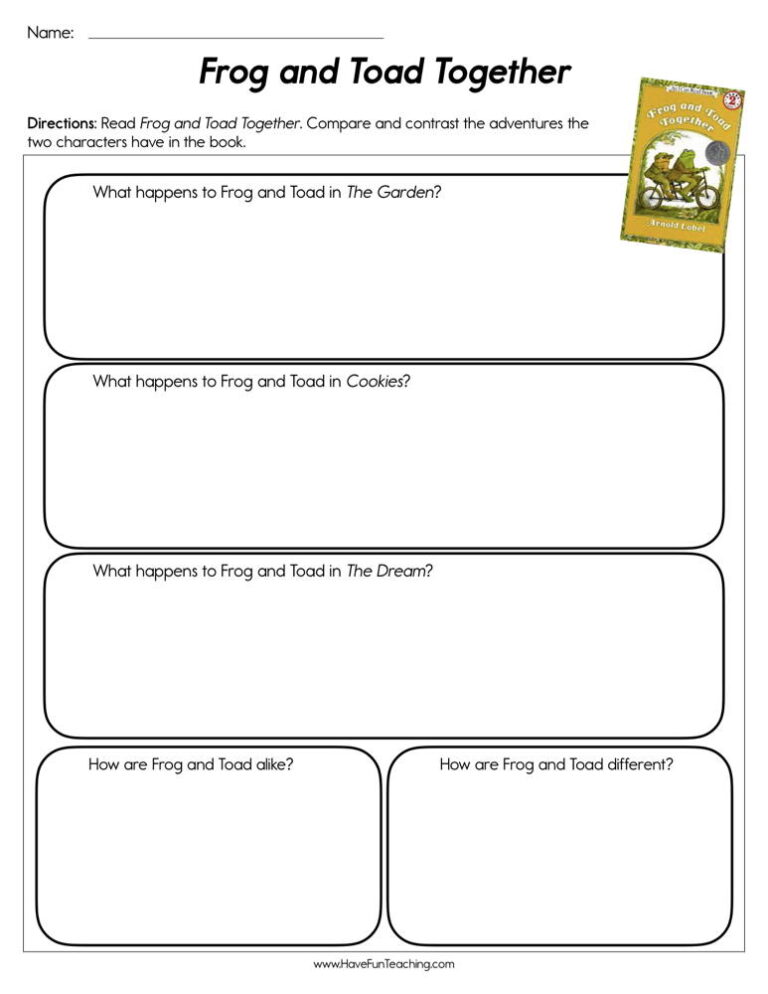
Using this Frog and Toad Together Worksheet, studentsread Frog and Toad Together to compare and contrast the adventures the two characters have in the book.

Using this Size Activity, students play Categories to practice identifying the sizes tall, short, big and small.

Using Compare and Contrast Characters Charlie Brown and Arthur Worksheet, students compare two different characters from two different stories you have read.

Words Same Different Worksheet gives 1st grade readers five rows of short words to compare plus four same or different pairs, with an answer key, so they learn to read every letter carefully.
Reviews
There are no reviews yet