
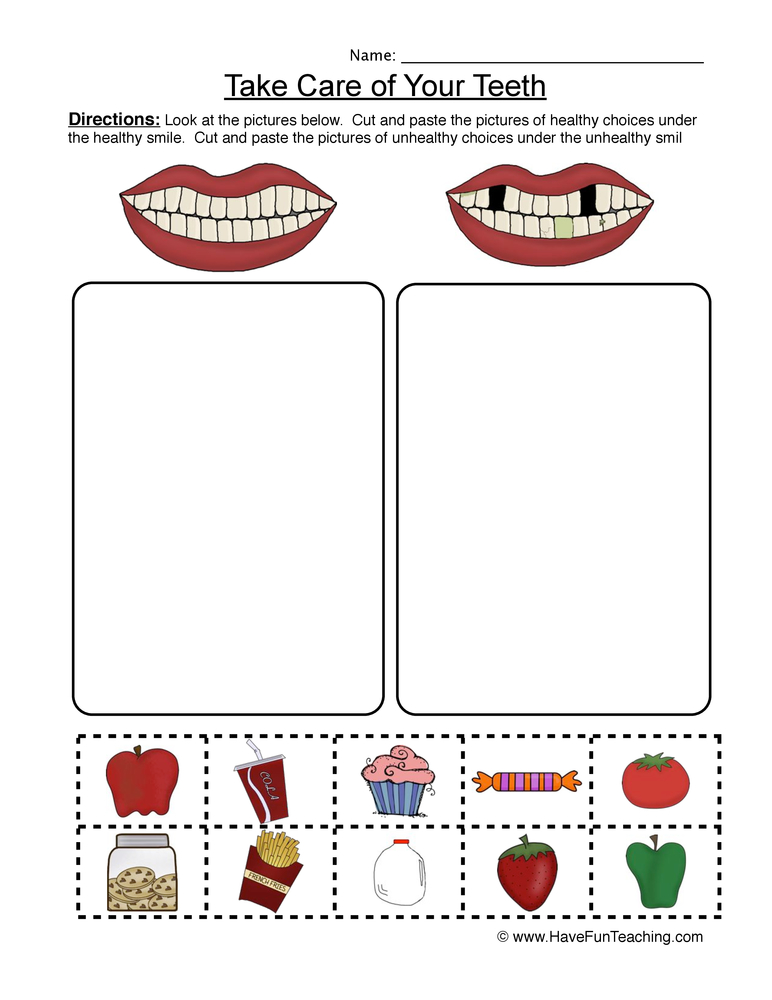
Clean Teeth Worksheet – Sorting
In this Clean Teeth Worksheet – Sorting, kindergarten students sort six pictures into Good for My Teeth and Bad for My Teeth by writing each number. Answer key included.
$6.97
Or free with a membership — members pay $3.33/mo for all 10,000+ resources. See plans
Want this one free?
Tell us where to send it and it’s yours — no card, no catch.
One free resource per teacher. We’ll also send free teaching ideas each week — unsubscribe anytime.
Teaching is easier with a membership
Unlimited printables, games & videos for PreK–6th — for your classroom or homeschool. Cancel anytime.
Start your 3-day free trial$0 today · cancel anytime · Instant access to 10,000+ resources
About this resource
Description
Kindergarten is exactly when a child starts taking charge of their own toothbrush, so it is also when they need to know which everyday choices help their teeth and which ones hurt them. This Clean Teeth Worksheet – Sorting turns that lesson into a simple picture sort. Six familiar objects are drawn and numbered on the page, and students decide whether each one belongs under Good for My Teeth or Bad for My Teeth. Because the answer is a single numeral, even a student who is still learning to write words can show what they know.
Page one holds the sorting activity: a toothbrush, a lollipop, a can of soda, an apple, a container of dental floss, and a chocolate candy bar, each with a large number badge beneath it. Students look at every picture, decide which column it belongs in, and write its number on one of the wide lines inside that box. Page two is the answer key. This clean teeth worksheet – sorting works well as a whole-group discussion starter, a dental-health-month activity, a science center task, or a quick check after a lesson on the human body.
What’s Included
- Six full-colour picture cards, numbered one through six
- A two-column sorting chart labelled Good for My Teeth and Bad for My Teeth
- Kindergarten-sized writing lines with a generous handwriting band
- A complete answer key on its own page
- A print-ready PDF sized for letter paper
There are three reasons this kindergarten health and nutrition worksheet helps. First, sorting is a reasoning task, not a memory task, so students have to explain to themselves why floss belongs in one column and candy belongs in the other. Second, writing a numeral instead of a word removes the spelling barrier, which keeps the focus on the health concept. Third, the six pictures are things students genuinely meet every day, so the lesson transfers straight from the page to the bathroom sink and the lunch table.
Teachers and parents can stretch the page further. Ask students to name one more item for each column and draw it on the back. Talk about the middle cases together, such as juice or dried fruit, and let students argue for a column. At home, use the completed sheet as a checklist at bedtime, and let your child point to the picture that shows what they are about to do.
Related Resources
What teachers say
Reviews
You must be logged in to post a review.

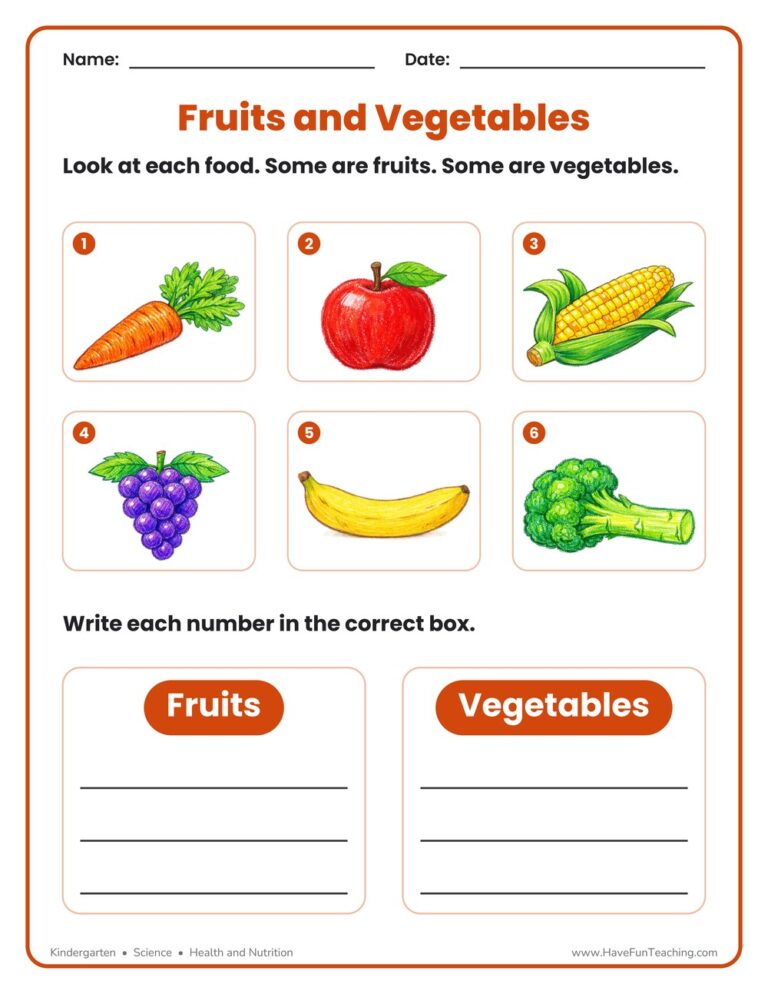
Students sort six big food pictures on this fruits and vegetables worksheet, writing each number under Fruits or Vegetables. Built for Kindergarten with an answer key included, so healthy-eating practice takes no prep at all.
The Brain Break Song (MP3) is perfect for classroom brain breaks, transitions, indoor recess, and physical activities.

Using this Walking Song (Original Music Video), your students will be working up a sweat as they walk along with the catchy beat.

These Donut Cut Outs quickly give you templates that can be easily cut and applied for classroom decoration or student activities

This Fitness Package Download provides you and your students with all of the Have Fun Teaching Fitness DVDs, CDs, and Reading Comprehension Workbook.
This Fitness Songs (MP3 Album) provides you and your students with seven fitness songs to get your class moving and fit in a fun and musical way!
Using this Jumping Jack Song (MP3), your students will be working up a sweat as they do jumping jacks along with the catchy beat.

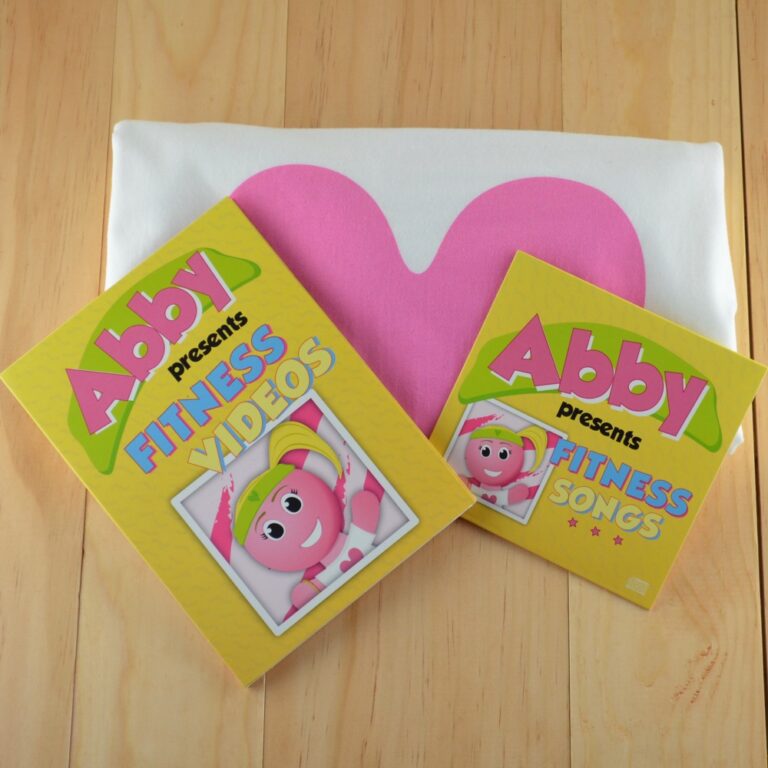
This Fitness Package provides you and your students with all of the Have Fun Teaching Fitness DVDs, CDs, Reading Comprehension Workbook, and T-shirt.
Using this Running Song (MP3), your students will be working up a sweat as they run in place with perfect form along with the catchy beat.




Reviews
There are no reviews yet