
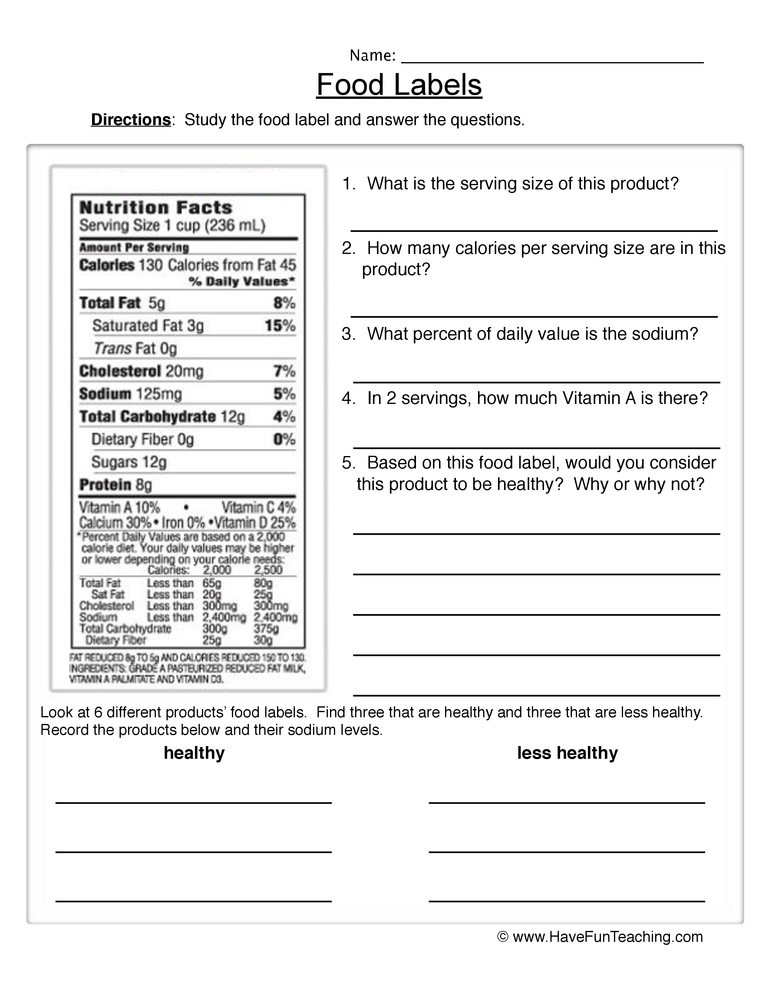
Reading Food Labels Worksheet
A 5th grade reading food labels worksheet where students study a real Nutrition Facts panel to find serving size, calories, and daily values. Includes a complete answer key for fast, no-prep nutrition practice.
$6.97
Or free with a membership — get this and 10,000+ resources. See plans
Teaching is easier with a membership
Unlimited printables, games & videos for PreK–6th — for your classroom or homeschool. Cancel anytime.
Start your 3-day free trialNo commitment · Cancel anytime · Instant access to 10,000+ resources
About this resource
Description
Reading food labels is an essential life skill that helps kids make healthy, informed choices about what they eat. This reading food labels worksheet introduces 5th grade students to the Nutrition Facts panel, teaching them how to find the serving size, calories, percent daily value, and key nutrients like fat, sodium, and protein. By learning to read food labels carefully, children build the close-reading and following-directions habits that carry over into science, math, and everyday healthy living.
This nutrition label reading worksheet gives students a realistic Nutrition Facts label to study, followed by clear questions that ask them to locate information and do simple calculations, such as doubling a value to find the amount in the whole container. To use it, have students read the label closely, answer each question on the lines provided, and explain their thinking on the final question about whether the food is a healthy choice. The included answer key makes checking work quick and easy.
What’s Included
- 1 print-ready PDF worksheet
- Answer key
- A realistic Nutrition Facts label plus 6 reading-and-reasoning questions
First, this reading food labels worksheet strengthens real-world reading comprehension by asking students to pull specific facts from a dense, information-rich label. Second, it sneaks in valuable math practice, since students must interpret percentages and multiply serving values to reason about a full container. Third, it builds health and nutrition awareness, helping kids connect classroom skills to the smart food choices they make every day.
Teachers and parents can extend this skill in many fun ways. Bring in real cereal boxes, snack packages, or canned goods and have children compare the labels to find which option has less sugar or sodium. Challenge students to design their own healthy snack and create a Nutrition Facts label for it. You can also turn label reading into a grocery-store scavenger hunt, asking kids to find a food that is high in protein or a good source of fiber. These hands-on activities make nutrition learning active and memorable.
Related Resources
What teachers say
Reviews
You must be logged in to post a review.


reading worksheet, editing worksheet, reviewing worksheet, rewriting worksheet

While listening the Scientific Method Song (Animated Music Video), students learn about seven steps of the scientific method while listening to a catchy song.
While listening to the Senses Song (MP3), students learn the five senses and examples of how you use each sense daily.
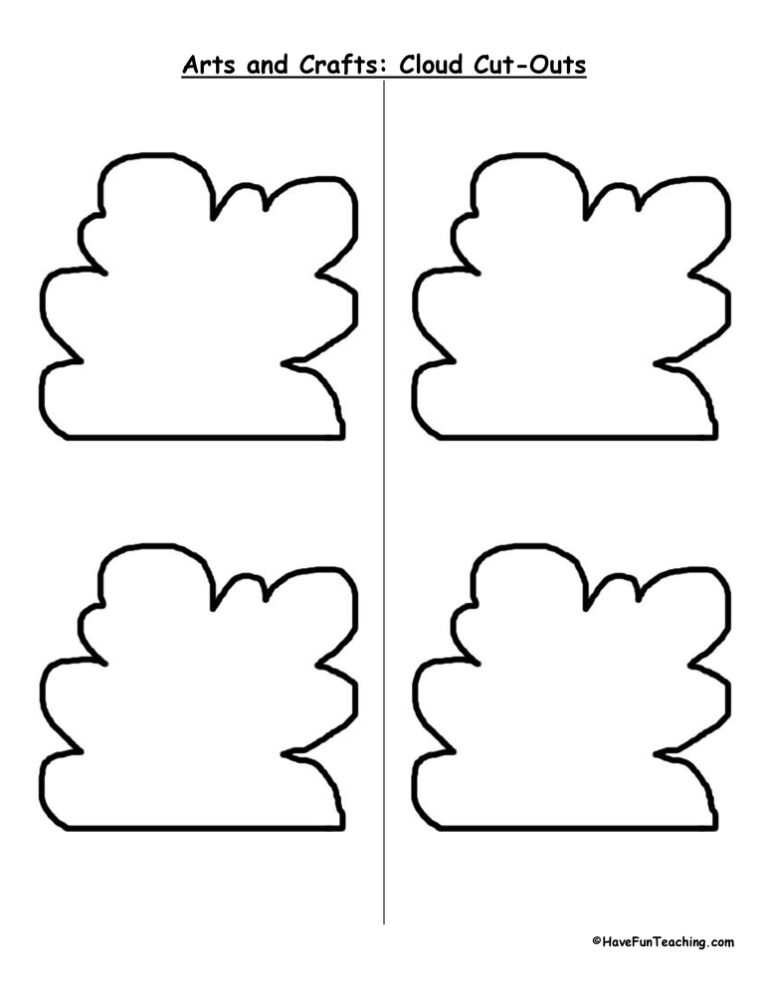
These Cloud Cut Outs quickly give you templates that can be easily cut and applied for classroom decoration or student activities
While Parts of the Body Song (MP3), students learn about the different parts of the body while listening to catchy lyrics.

While watching the Planets Song (Animated Music Video), students learn about the order of planets in our solar system as well as cool facts about each planet.
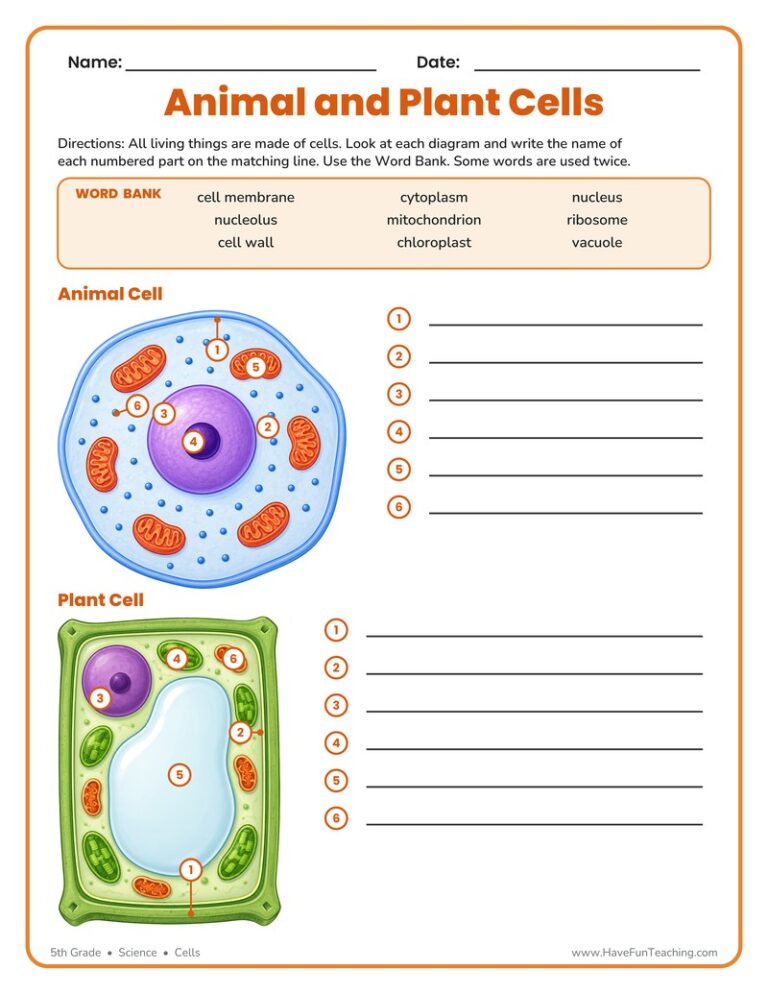
This Animal and Plant Cells Worksheet asks 5th grade students to label the organelles of an animal cell and a plant cell using a word bank. Answer key included for fast, no-prep science review.

This Physical Changes Examples Worksheet gives 5th Grade students six sorting items and two written-response questions on physical and chemical change, answer key included, so classifying matter becomes second nature.

The Matter Song teaches all about matter and the states of matter. With this states of matter song, students learn about solid, liquid, and gas, as well as the phases of matter, properties of matter, physical changes, chemical changes, and so much more. Matter has mass and takes up space.…

While watching the Weather Song (Animated Music Video), students learn about different types of weather conditions by listening to the repetitive lyrics loaded with key vocabulary.

Health & Fitness Reading Comprehension Workbook Download includes 38 Phonics-themed Stories. 5 test questions per story. Progress Reports.
Reviews
There are no reviews yet