

Subordinating Conjunctions Worksheet
A subordinating conjunctions worksheet for 3rd Grade: students complete sentences from a word box, combine sentence pairs, and write one of their own. Answer key included, so complex-sentence practice takes no prep.
$6.97
Or free with a membership — get this and 10,000+ resources. See plans
Teaching is easier with a membership
Unlimited printables, games & videos for PreK–6th — for your classroom or homeschool. Cancel anytime.
Start your 3-day free trialNo commitment · Cancel anytime · Instant access to 10,000+ resources
About this resource
Description
A subordinating conjunction is a connecting word such as because, although, if, until, or while. It links a dependent clause to an independent clause and tells the reader exactly how the two ideas fit together — a reason, a contrast, a condition, or a moment in time. This subordinating conjunctions worksheet gives 3rd Grade students focused practice with that job, moving them beyond short simple sentences and into the complex sentences that Common Core standard L.3.1.h asks them to write.
This 3rd grade conjunctions worksheet works through the skill in three steps. In Part A students read five sentences and choose the one conjunction from the word box that makes each sentence make sense. In Part B they join two short sentences into one complex sentence using the conjunction shown. In Part C they write an original sentence and underline the conjunction they used. Print it as morning work, an independent center, a homework page, or a quick check after a grammar mini-lesson. The answer key on the last page makes grading fast.
What’s Included
- 1 print-ready PDF worksheet
- Answer key
- 5 word-box sentence-completion items, 2 sentence-combining items, and 1 write-your-own-sentence item
This subordinating conjunctions worksheet helps students in three ways. First, the word box forces them to weigh meaning instead of guessing — only one conjunction makes each sentence true, so they have to think about cause, contrast, condition, and time. Second, the sentence-combining section moves them from recognizing a conjunction to actually using one, which is where sentence writing usually breaks down. Third, writing their own sentence transfers the skill into their own voice, so the learning shows up later in paragraphs and stories rather than staying on the worksheet.
Try a few extra activities alongside the page. Write conjunctions on craft sticks, draw one at random, and have students build a sentence out loud. Give partners two unrelated sentence strips and challenge them to connect the strips with a conjunction that actually makes sense. Hunt for conjunctions in a chapter book and talk about what each one signals. Or play “finish my sentence” — you say “We stayed inside although…” and students supply an ending that fits the contrast.
Related Resources
What teachers say
Reviews
You must be logged in to post a review.

Using Conjunction Worksheet, students rewrite sentences to combine them using a conjunction word from the word bank provided.

Using this Rewriting Compound Subjects Worksheet, students rewrite sentences so that the new sentence contains a compound subject.

This Conjunctions Worksheet helps 3rd graders choose the right joining word and combine short sentences into smoother ones. Includes an answer key — a clear, no-prep way to practice coordinating and subordinating conjunctions.

Using this Using Conjunctions Worksheet, students connect and rewrite the sentences using a conjunction like and, but, or, & because.

Using this Conjunction Junction Worksheet, students connect and rewrite the sentences using a conjunction like and, but, or, & because.

Using this Rewrite Compound Predicates Worksheet, students combine two sentences about the same subject by using 'and', 'but', and 'or'.
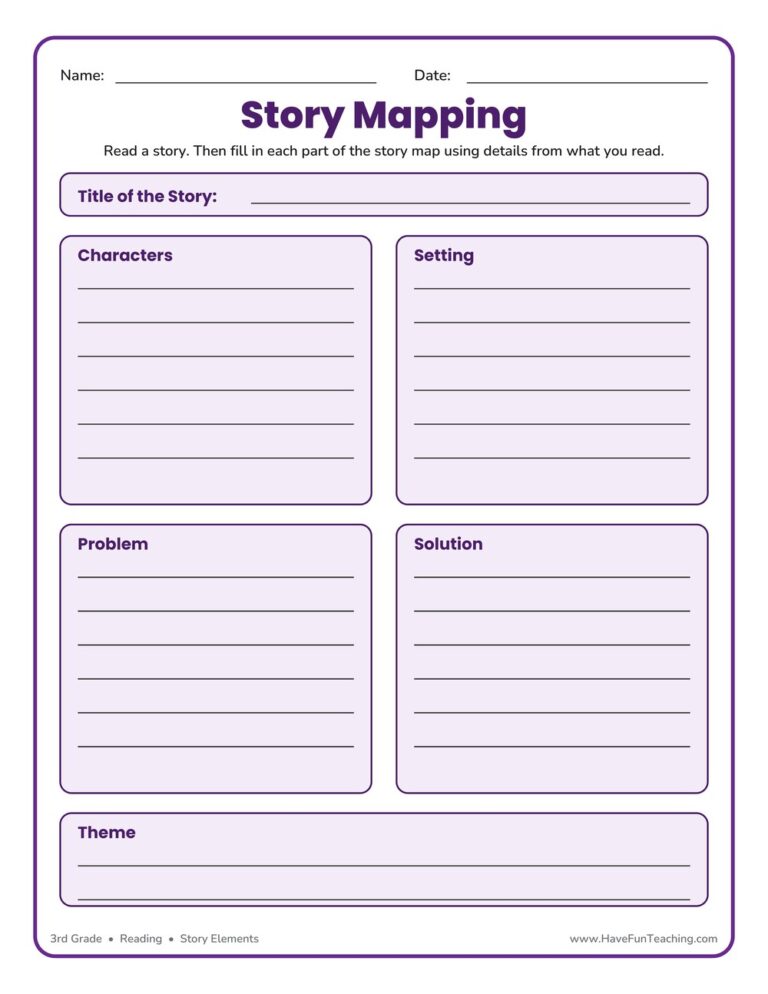
This 3rd grade Story Map Graphic Organizer Worksheet has students record a story's characters, setting, problem, solution, and theme in one clear, reusable page that strengthens reading comprehension.
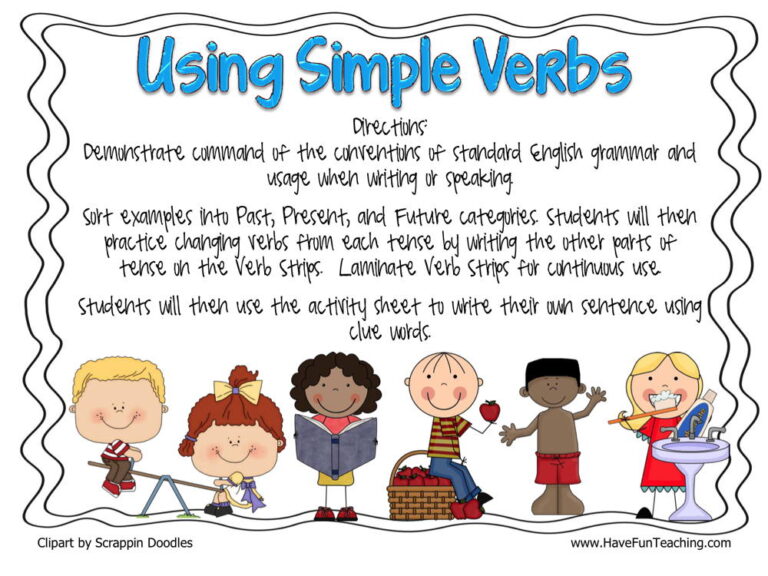
Using Using Simple Verbs Past Present Future Activity, students sort examples into Past, Present, and Future categories in order to be able to use verbs correctly in their writing.
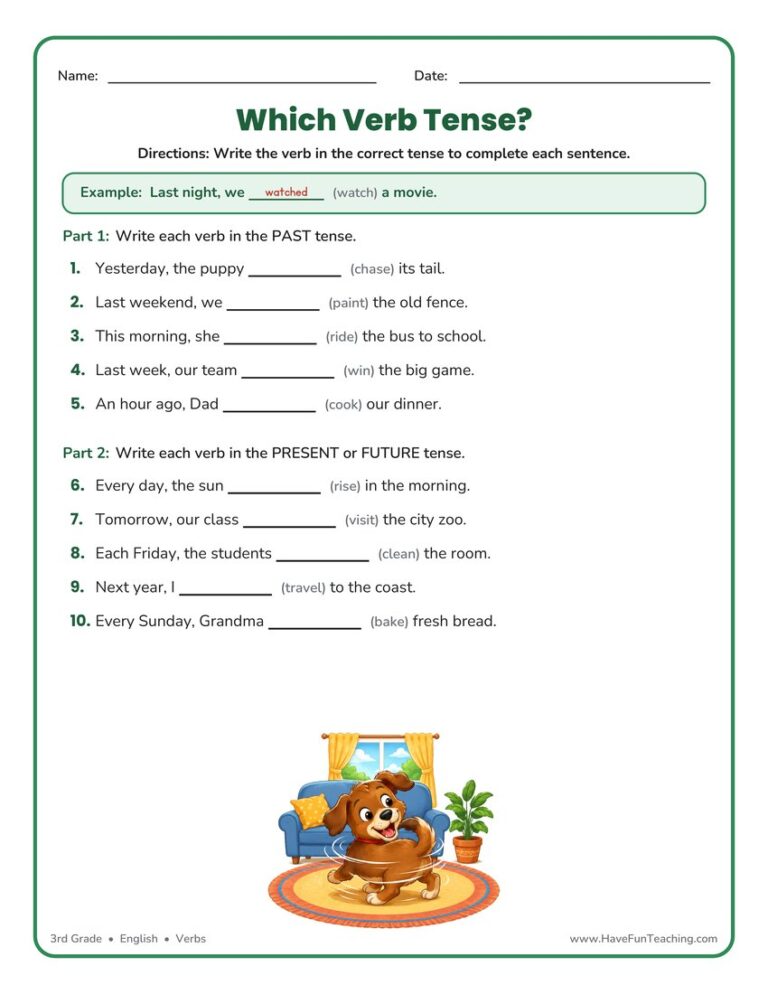
This Verb Tenses Fill in the Blank Worksheet helps 3rd graders choose the correct past, present, or future verb form using clear time clues. Answer key included—a quick, no-prep grammar practice for home or class.

This Alphabetical Order To The Fifth Letter Worksheet will teach your students how to put words that begin with the same first five letters in ABC order.

Using Writing Personal Pronouns Worksheet, students replace the underlined noun with a pronoun.
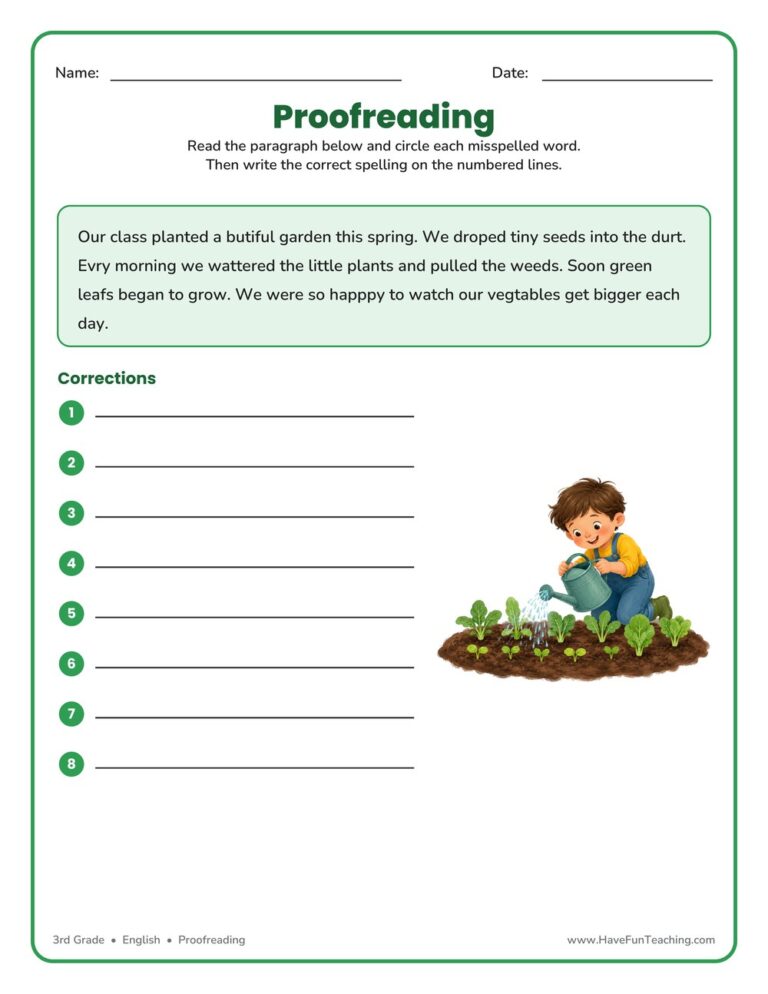
This 3rd grade proofreading worksheet has students hunt for and fix eight misspelled words in a fun garden paragraph. Answer key included — perfect for quick, no-prep spelling and editing practice at home or school.
Reviews
There are no reviews yet