
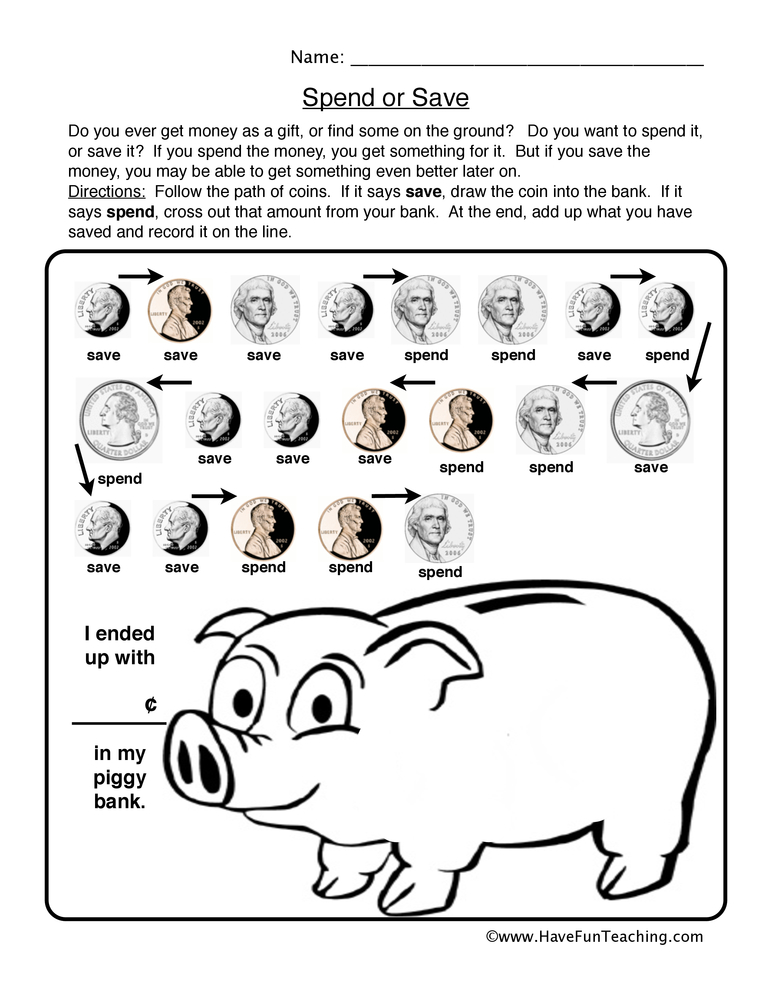
Spending Saving Worksheet
This spending saving worksheet gives 2nd graders seven money problems: add the coins they save, subtract the coins they spend, and finish with a piggy bank story. An answer key is included, so checking work is quick.
$6.97
Want this one free?
Tell us where to send it and it’s yours — no card, no catch.
One free resource per teacher. We’ll also send free teaching ideas each week — unsubscribe anytime.
Free teacher account · no credit card
Membership
Get every game, song, & printable
- Every game, on any device
- 10,000+ printables
- Assign online with HFT Classroom
Then $39.97/year · cancel anytime · See plans
- Instant digital download
- Printable PDF + answer key
- Made by real teachers
Teacher / Family membership
Teaching is easier with every resource
One membership for your whole year: 10,000+ worksheets, games, songs and videos for Preschool–6th, for your classroom or homeschool.
- Unlimited printables & downloads
- Every game, on any device
- Assign online with HFT Classroom
- Cancel anytime
Teacher / Family membership · 3 days free
Yearly
Monthly would be $119.64 a year
$3.33/month
Billed $39.97 once a year
You save $79.67 every year
Start My 3 Free Days$0 today · cancel anytime
Monthly
$9.97/month
Flexible, month to month
Yearly is just $3.33/mo. Switch and save $79.67
Start My 3 Free Days$0 today · cancel anytime
About this resource
Description
Telling the difference between spending and saving is one of the first real money decisions a child ever makes, and this spending saving worksheet turns that decision into arithmetic. Every item hands the student a bank that already holds a few cents, a tag that reads save or spend, and a small pile of coins. When the tag says save, the coins are added to what is in the bank. When it says spend, the same coins are taken away. Counting is only half of the work here, because the child has to read the word first and then choose whether to add or subtract.
Every coin is drawn at its true United States mint size, so the dime really is the smallest coin on the page and the quarter really is the widest, and the penny keeps its copper colour while the nickel and dime stay silver. That matters more than it sounds: a student who only ever reads the words two nickels never learns to recognise a nickel. Print the sheet, hand out a pencil, and let students work down the page. Real coins on the desk make an excellent first pass for anyone who still needs to count by touch, and the answer key on the last page makes checking the work a two minute job.
What’s Included
- Four bank rows with a starting amount, a save or spend tag, and coins to count
- Two subtraction items that take a spent set of coins away from a saved set
- One story problem that saves first and then spends, so both steps appear together
- Coins drawn to real mint size, with the reeded edge on the dime and the quarter
- A full answer key on the last page, with the working shown for the story problem
This 2nd grade money worksheet helps in three ways. First, it separates the two skills a money problem really needs, recognising the coin and choosing the operation, and then puts them back together on one line. Second, it keeps the numbers small and believable, so a sticker costs a quarter and a bank holds about half a dollar, which is what keeps a word problem from turning into nonsense. Third, it builds the habit of reading the whole problem before picking up the pencil, because on this spending saving worksheet the same pile of coins can raise or lower the total depending on one word.
Try giving each student a small jar and a handful of real coins, then calling out save or spend and letting them act out a few rounds before the pencil work begins. A class store with prices under a dollar works well too, and so does a weekly chore chart where earnings are added on Friday. At home, let your child count the change from a real purchase and decide out loud whether it goes into the jar or back into a pocket.
Related Resources
What teachers say
Reviews
You must be logged in to post a review.

This addition and subtraction word problems worksheet gives 2nd graders four real-world number stories to solve within 100. It includes a complete answer key, making it perfect for no-prep math practice at home or in the classroom.
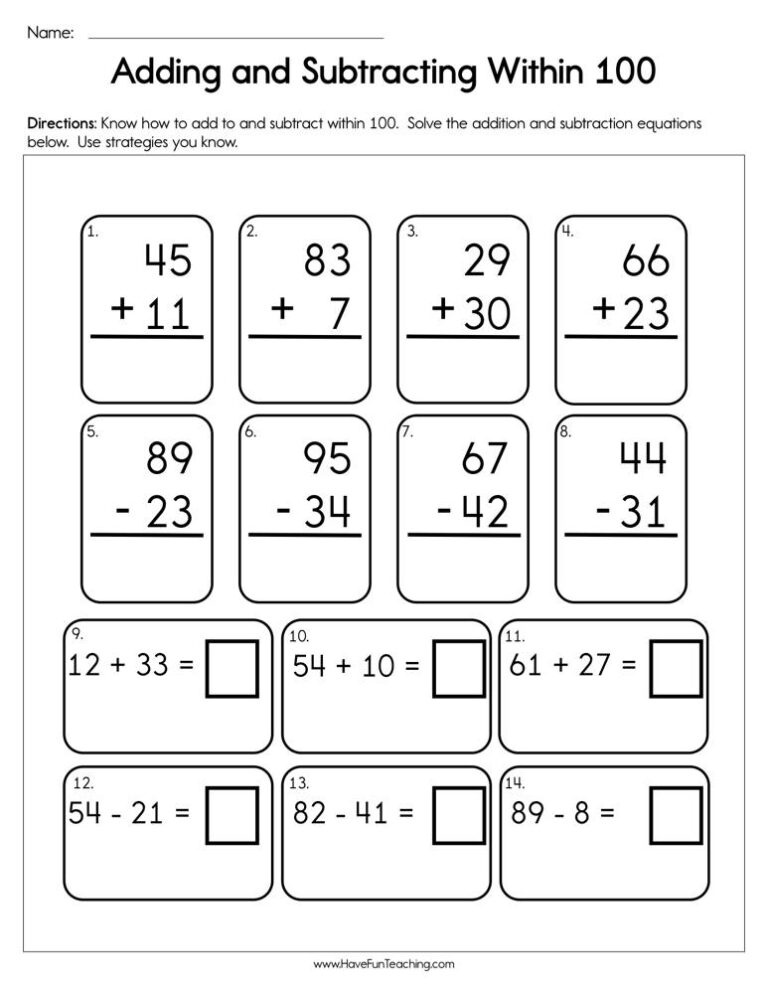
An adding and subtracting within 100 worksheet that helps 2nd graders solve two-digit problems in both stacked and horizontal form. Includes a complete answer key—great for quick, no-prep math practice at home or school.
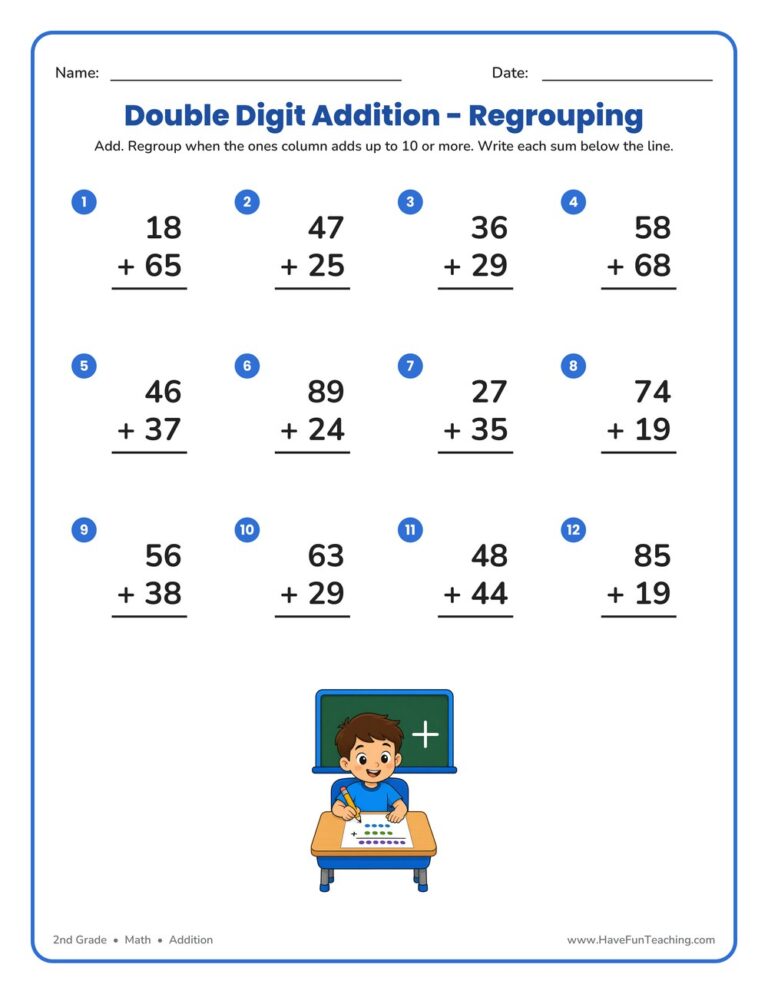
This double digit addition with regrouping worksheet gives 2nd graders twelve column-addition problems that practice carrying from the ones to the tens place. Includes a complete answer key—perfect for no-prep math practice at home or in class.

This Adding and Arrays Worksheet asks 2nd grade students to write a number sentence for six arrays and two story problems. An answer key is included, so practice with equal rows takes only minutes.
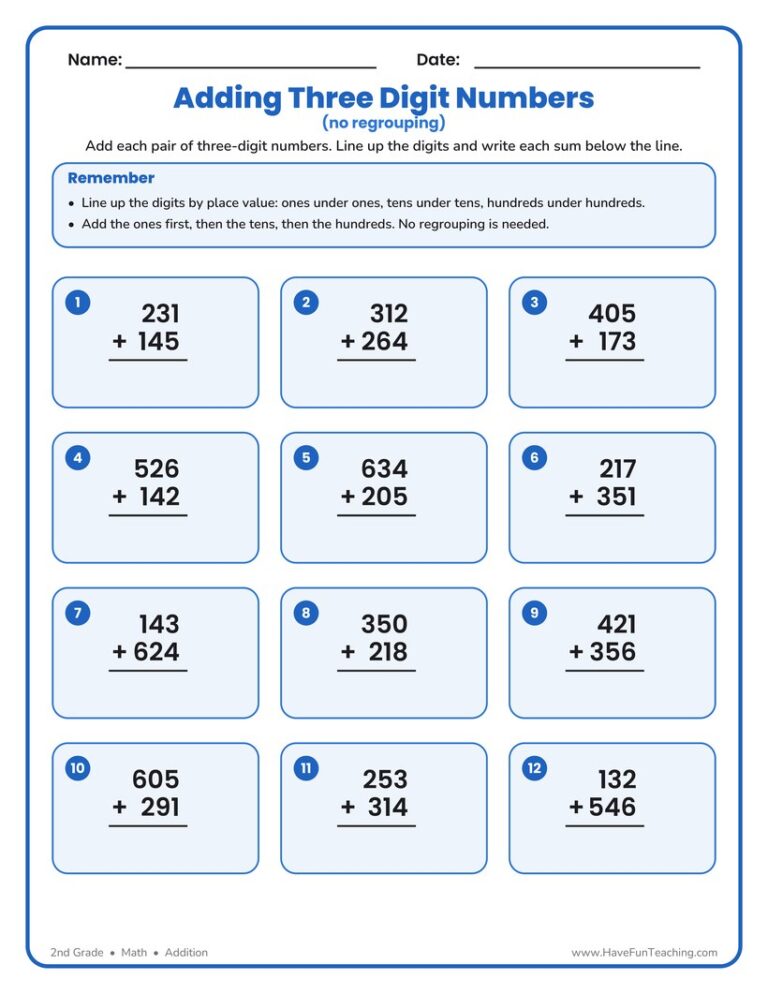
Practice adding three-digit numbers with this triple digit addition no regrouping worksheet for 2nd grade. Twelve column-addition problems with an answer key included — perfect for building place-value fluency with no-prep math practice.

This Adding and Subtracting with Number Line Worksheet helps 2nd graders solve addition and subtraction within 100 and mark each answer on a number line. Includes a complete answer key for no-prep math practice.

This Add and Subtract 10 and 100 Worksheet gives 2nd Grade students mental math practice with tens and hundreds, number patterns, and two word problems. An answer key is included, so checking work takes seconds.

This Word Problems With 3 Numbers Worksheet asks 2nd graders to draw a picture and then add three addends inside real stories. An answer key is included, so checking work takes only seconds.
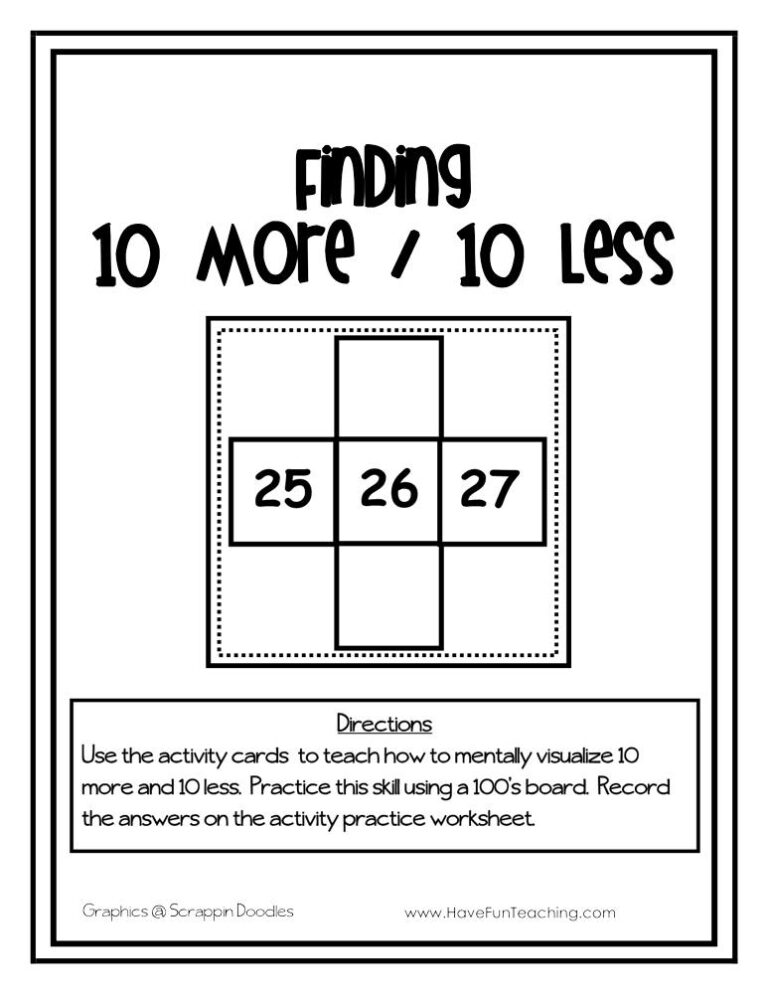
In this Finding 10 More 10 Less Activity, students practice finding 10 more and less than a given number to build skip counting and base ten skills.
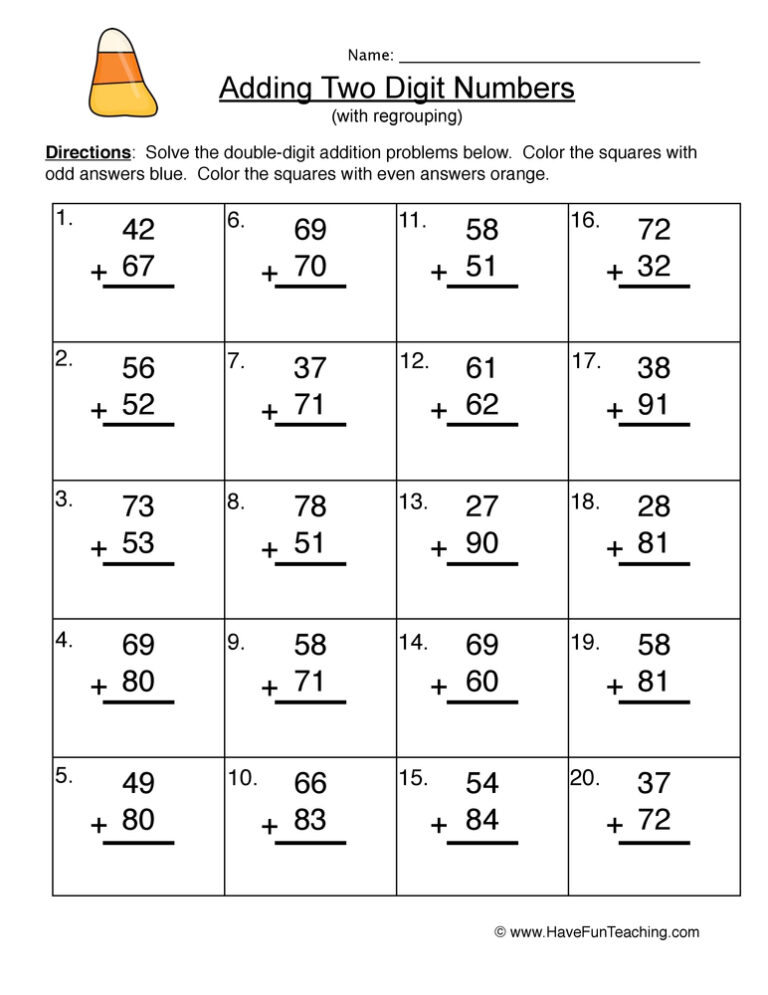
This double digit addition regrouping worksheet gives 2nd graders twelve column problems that all regroup, with wide writing space and an answer key, so carrying a ten becomes automatic.

Practice this add and subtract 10 and 100 word problems worksheet with three number stories and a 10 more, 10 less, 100 more, 100 less chart. Built for 2nd Grade with an answer key included, so mental math clicks fast.
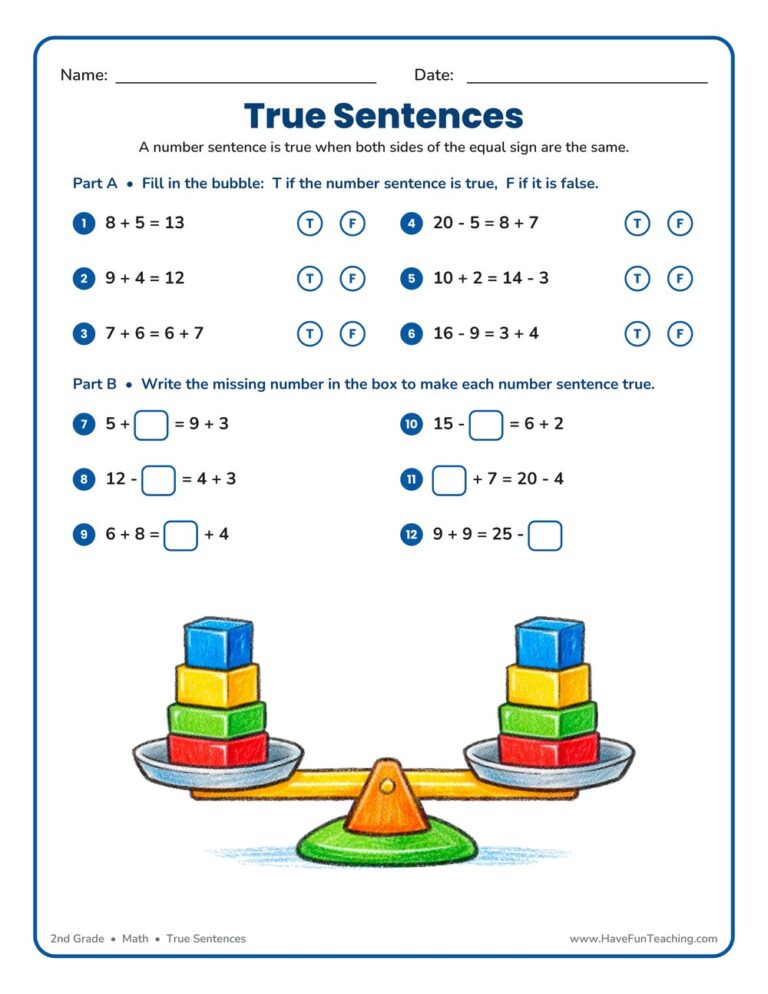
This true number sentences worksheet asks 2nd graders to decide if equations are true or false and to write the missing number that balances each one. Includes an answer key for fast, no-prep practice with the equal sign.

Reviews
There are no reviews yet