

Uppercase and Lowercase Letters Worksheet
A Kindergarten uppercase and lowercase letters worksheet with picture tracing rows and write-the-partner letter cards. An answer key is included, so children build neat handwriting and confident letter recognition in minutes.
$6.97
Or free with a membership — members pay $3.33/mo for all 10,000+ resources. See plans
Want this one free?
Tell us where to send it and it’s yours — no card, no catch.
One free resource per teacher. We’ll also send free teaching ideas each week — unsubscribe anytime.
Teaching is easier with a membership
Unlimited printables, games & videos for PreK–6th — for your classroom or homeschool. Cancel anytime.
Start your 3-day free trial$0 today · cancel anytime · Instant access to 10,000+ resources
About this resource
Description
Learning that every letter has two forms — a big uppercase letter and a small lowercase letter — is one of the first real reading skills a child builds. Kindergarten students have to recognize both forms, name them, and print them before they can read or write a single word, and pairing them up is what turns twenty-six shapes into fifty-two familiar friends. This uppercase and lowercase letters worksheet gives young learners a calm, picture-supported place to practice that pairing while building the fine-motor control that neat handwriting depends on.
This uppercase and lowercase letters worksheet is built for Kindergarten and works beautifully as morning work, a literacy-center rotation, or a five-minute warm-up before a phonics lesson. Three picture rows open the page: the child traces the dotted letter pair beside an apple, a duck, and a mitten, then writes that same pair two more times on the handwriting guide. Four letter cards finish the page, where students look at a printed capital and write its lowercase partner from memory. Every line on this kindergarten alphabet worksheet uses a topline, a dashed midline, and a baseline, so children can see exactly how tall each letter should be.
What’s Included
- 1 print-ready PDF worksheet
- Answer key
- 3 picture-and-letter tracing rows and 4 write-the-lowercase-letter cards
Three things make this uppercase and lowercase letters worksheet work. First, tracing before writing gives children a correct model for letter formation instead of leaving them to guess, so a bad habit never gets practiced. Second, the pictures are chosen on purpose — apple for A, duck for D, mitten for M — so each letter is anchored to a word a Kindergarten student already says every day. Third, the last section takes the model away and asks the child to recall the lowercase partner, which is the step that moves letter knowledge from copying into true recognition.
Teachers and parents can stretch this skill well beyond the page. Hide magnetic capital letters around the room and have children match each one to its lowercase card. Write letters in a shallow tray of sand or salt and let students trace with a finger before they pick up a pencil. Set out two baskets labeled big and small and sort a pile of foam letters into them. Sing the alphabet while pointing at both forms on a wall chart, then go hunting for the lowercase twin of every capital on a cereal box, a mailbox, or a road sign.
Related Resources
What teachers say
Reviews
You must be logged in to post a review.
The Letter A Song (Original Music Video) will help students learn all about the letter by watching a video about letter sounds, vocabulary words, and letter formation.
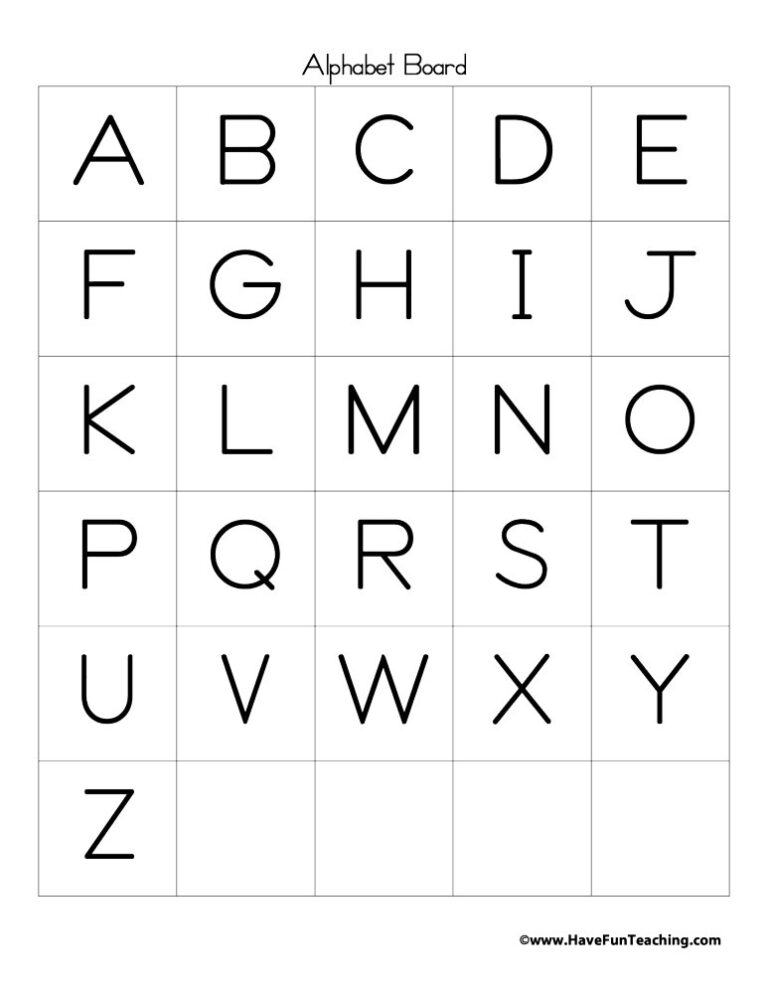

The Baby Shark Alphabet Song (Animated Music Video) will help students learn letter names and sounds by listening to the catchy lyrics and colorful video.

The Alphabet Song (Animated Music Video) will help students learn letter names and sounds by listening to the catchy lyrics and colorful video.
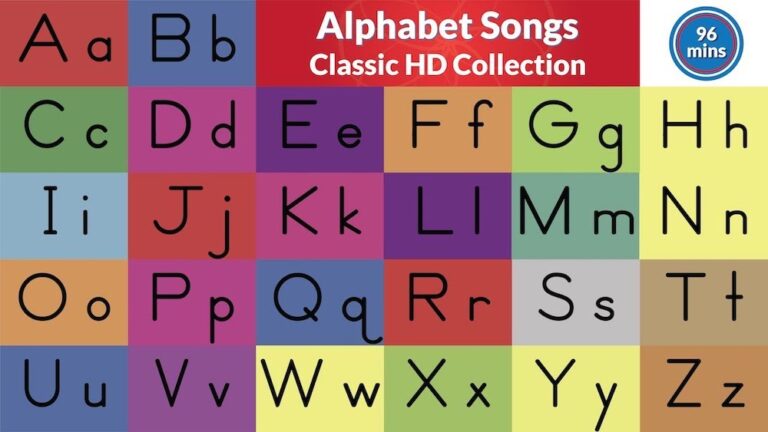
The Alphabet Songs Collection - Classic will help your kids gain a better understanding of letter names and sounds by listening to these ABC Songs.

The Alphabet Songs Pack - Animated will help support your visual learners gain a better understanding of letter names and sounds by listening to this song.
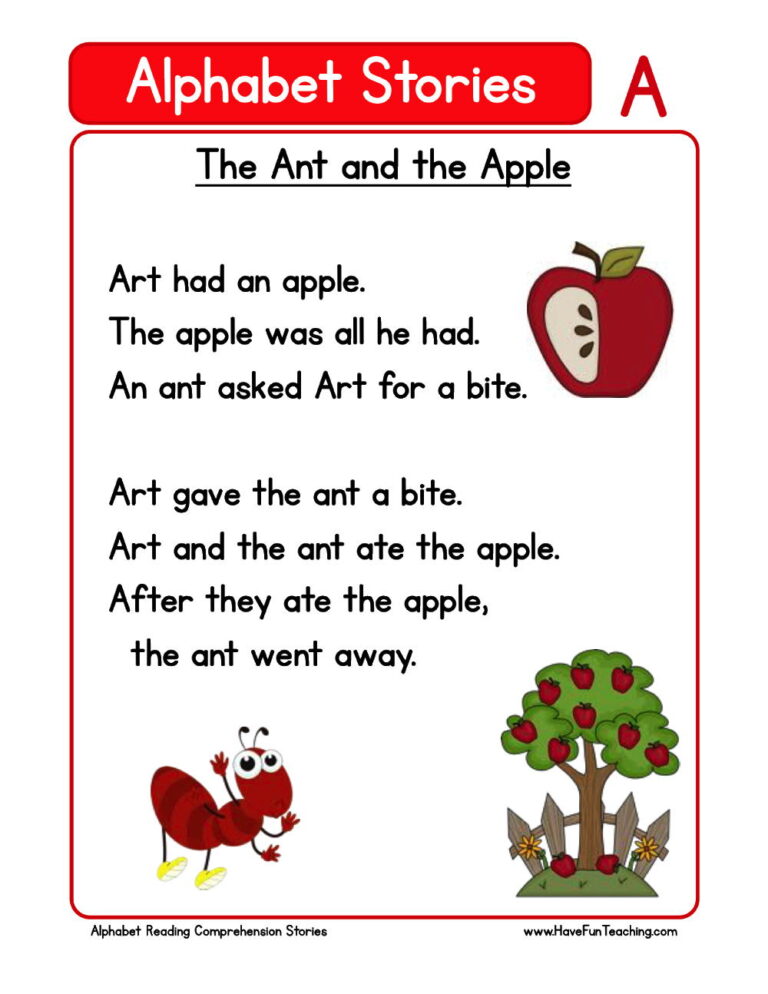
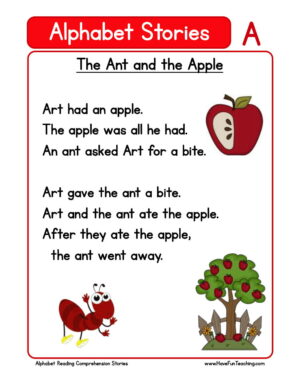
This free Alphabet Stories Letter A Reading Comprehension Worksheet pairs a short letter A story with fill-in-the-bubble questions for kindergarten readers. Includes an answer key — a fun, no-prep way to practice phonics and comprehension.

This alphabet letter recognition assessment helps kindergarten teachers quickly check which uppercase and lowercase letters a child can name. Includes a complete A-to-Z answer key for fast, low-prep progress checks.

The Letter H Song (Original Music Video) will help students learn all about the letter by watching a video about letter sounds, vocabulary words, and letter formation.

The Letter B Song (Original Music Video) will help students learn all about the letter by watching a video about letter sounds, vocabulary words, and letter formation.

The Letter M Song (Original Music Video) will help students learn all about the letter by watching a video about letter sounds, vocabulary words, and letter formation.
Reviews
There are no reviews yet