

Water Conservation Worksheet
Students use this Water Conservation Worksheet to define key terms, sort water-saving habits, and solve a two-step drip problem. Built for 3rd Grade, with an answer key included for fast, no-prep science practice.
$6.97
Want this one free?
Tell us where to send it and it’s yours — no card, no catch.
One free resource per teacher. We’ll also send free teaching ideas each week — unsubscribe anytime.
Free teacher account · no credit card
Membership
Get every game, song, & printable
- Every game, on any device
- 6,500+ resources
- Assign online with HFT Classroom
Then $39.97/year · cancel anytime · See plans
- Instant digital download
- Printable PDF + answer key
- Made by real teachers
Teacher / Family membership
Teaching is easier with every resource
One membership for your whole year: 6,500+ worksheets, games, songs and videos for Preschool–6th, for your classroom or homeschool.
- Unlimited printables & downloads
- Every game, on any device
- Assign online with HFT Classroom
- Cancel anytime
Teacher / Family membership · 3 days free
Yearly
Monthly would be $119.64 a year
$3.33/month
Billed $39.97 once a year
You save $79.67 every year
Start My 3 Free Days$0 today · cancel anytime
Monthly
$9.97/month
Flexible, month to month
Yearly is just $3.33/mo. Switch and save $79.67
Start My 3 Free Days$0 today · cancel anytime
About this resource
Description
Fresh water is one of the most important natural resources on Earth, and learning to protect it is a science skill children can practice every single day. This Water Conservation Worksheet introduces 3rd Grade students to the language and the everyday habits of saving water. Students meet the vocabulary scientists use when they talk about our water supply — conserve, leak, drought, and pollution — and then decide which real-world choices protect that supply and which ones waste it. Because water conservation connects a big Earth science idea to the sink, the shower, and the garden hose at home, it is a topic that stays with students long after the lesson ends.
This printable water conservation activity moves students through three short sections that build on one another. First, a word box helps students complete four sentences that define the key terms in context. Next, students fill in a bubble to sort six everyday actions into “Saves Water” and “Wastes Water.” Finally, a two-step word problem asks them to figure out how much water a dripping tap wastes in a whole day and then convert that amount into gallons. As a 3rd grade earth science worksheet it works well as an introduction to a unit on natural resources, as independent practice after a science read-aloud, as an Earth Day activity, or as a quick review before an assessment. The included answer key makes it easy to check work in class or to leave behind for a substitute teacher.
What’s Included
- 1 print-ready PDF worksheet
- Answer key
- 4 vocabulary sentences with a word box, 6 saves-or-wastes sorting items, and 1 two-step word problem
There are three reasons this Water Conservation Worksheet helps children learn the skill. First, it teaches the vocabulary in context rather than in isolation, so students figure out what a drought or a leak is from the sentence around it, which is exactly how strong readers learn new science words. Second, the sorting section asks students to judge familiar choices — brushing teeth, washing dishes, watering the lawn — so the science leaves the page and lands in their own kitchen. Third, the closing word problem gives water conservation a number: a slow drip becomes 96 cups, and 96 cups becomes 6 gallons, which turns an abstract warning into a quantity a child can picture.
Teachers and parents can stretch this lesson in plenty of fun ways. Set a bucket under a slow tap for one hour and measure what collects, then multiply to predict a full day. Send students home with a “water detective” checklist and have them count the taps, hoses, and toilets in their house. Time two-minute showers with a sand timer for a week and chart the class results. Compare rainfall in a wet region and a dry one to talk about why a drought changes what conservation looks like. Or pair this sheet with a poster project in which each group illustrates one water-saving habit for the school hallway.
Related Resources
What teachers say
Reviews
Write a review, earn store credit
Get 25¢ in credit for every approved review of a resource you’ve downloaded, played or purchased — up to 15 a month. Credit applies automatically to your membership payments, so your reviews can help pay for your membership.
Honest reviews only — any star rating earns the same. Program rules
Log in to write a review and earn store credit.

The Seasons Song by Have Fun Teaching is perfect for teaching and learning all about the seasons of the year. This is a fun way for kids to learn the seasons. With this seasons song, your kids can learn about Spring, Summer, Fall, and Winter. While listening to the Seasons…
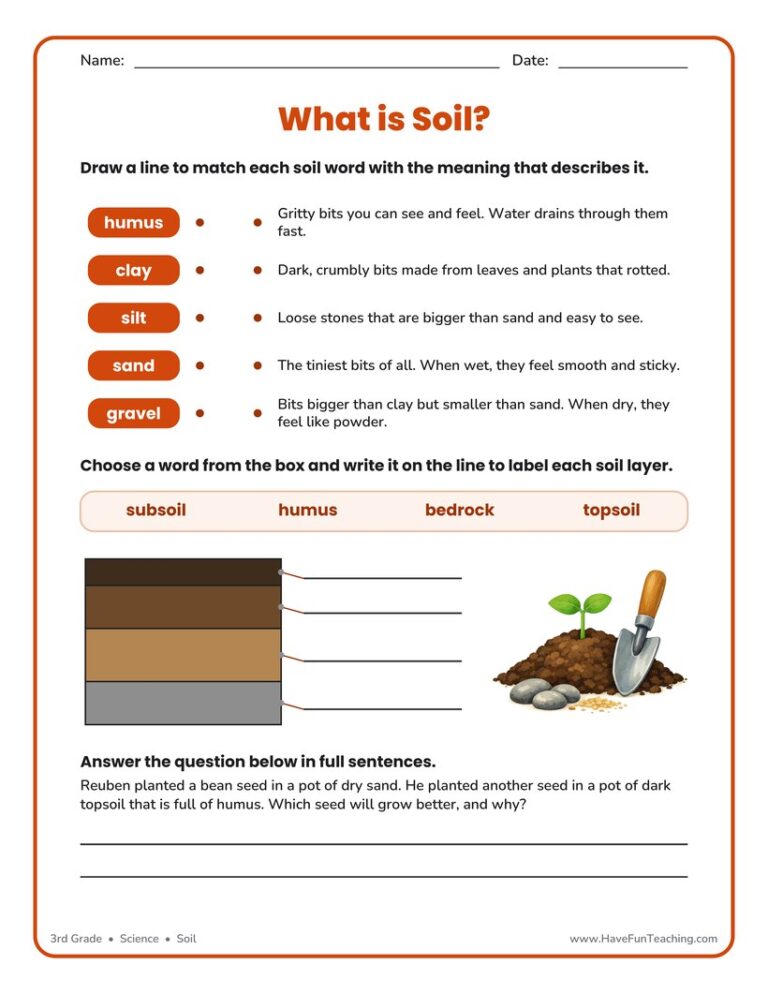
This Soil Matching Worksheet gives 3rd Grade students hands-on practice matching soil words to their meanings and labeling the four soil layers. An answer key is included, so checking work takes seconds.

While watching the Creation Song, students learn about the days of Creation perfect for Sunday school, kid's church, and Bible lessons for kids. Bring joy and understanding into your kid's church, Sunday school, and classroom with this song about the days of Creation. Your kids will love a new way…
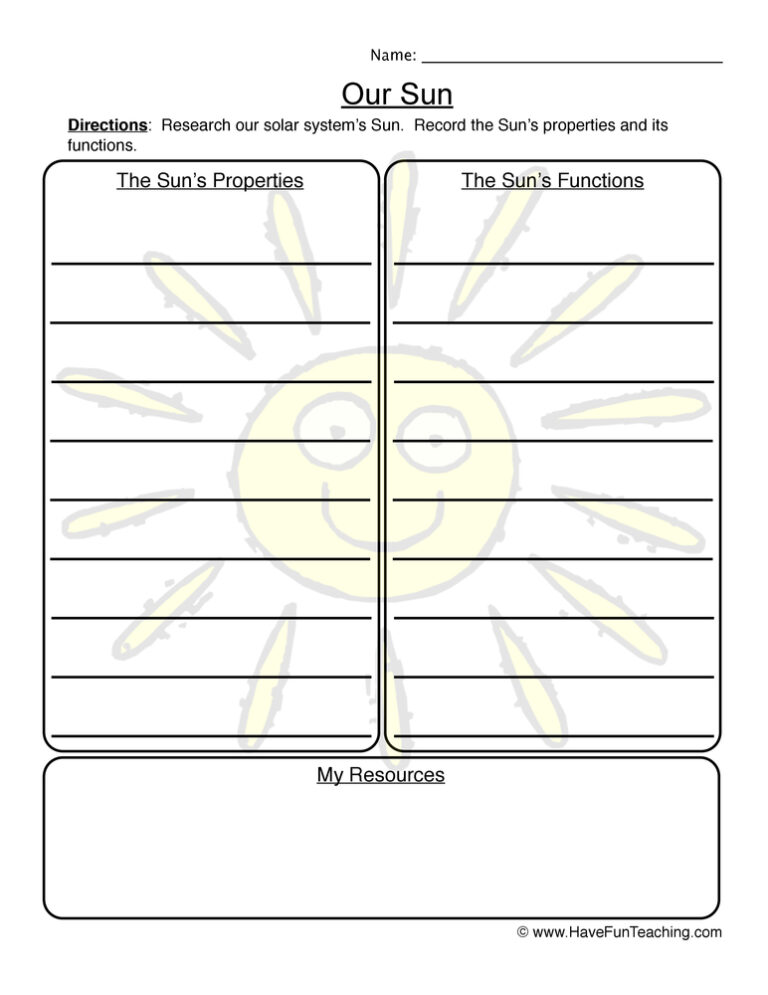
Our sun worksheet for 3rd grade: students sort eight facts into what the Sun is and what the Sun does, then find both inside four sentences. Answer key included for quick, no-prep science practice.
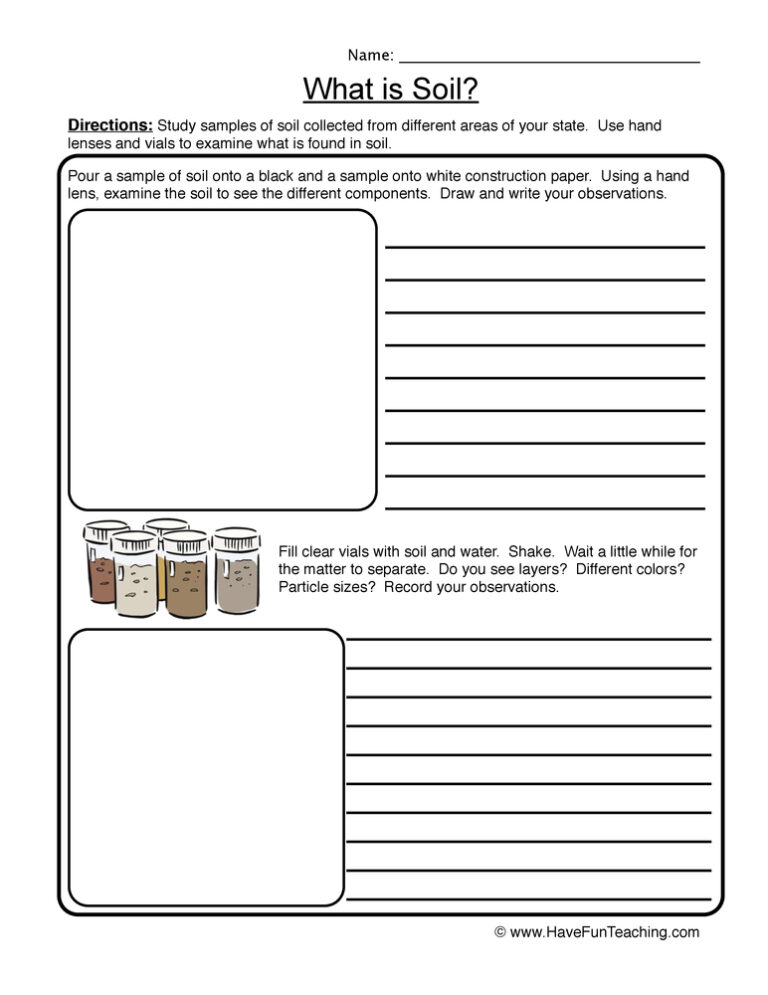
This What is Soil? Worksheet asks 3rd grade students to name what soil is made of, identify its three layers from a reference box, and explain why humus matters, with an answer key.
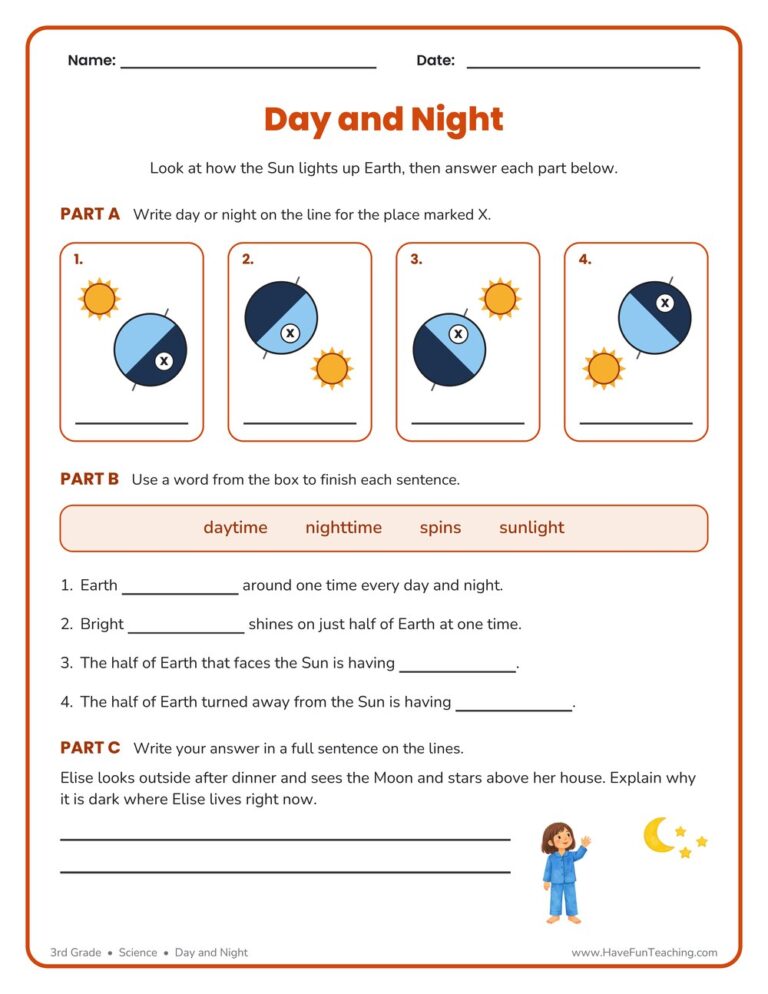
A hands-on day and night worksheet where 3rd graders read Sun and Earth diagrams, finish science sentences from a word box, and explain what makes it dark. Answer key included for quick, no-prep review.
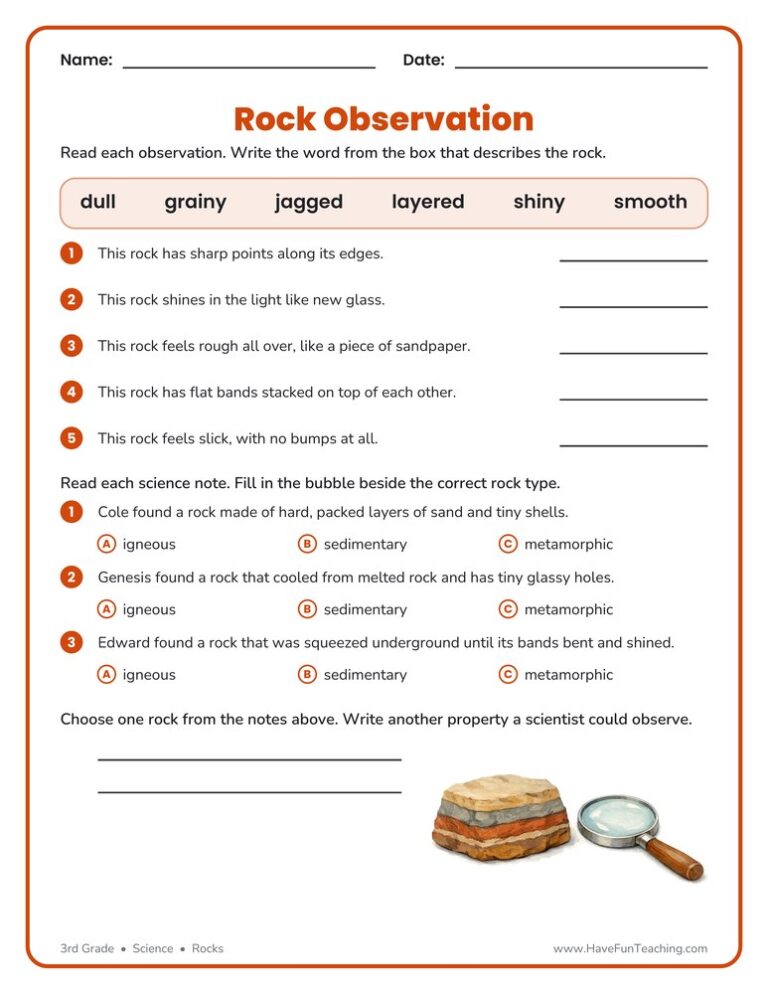
This Rock Observation Worksheet has 3rd grade students match describing words to five rock observations, name three rock types, and record one more property. An answer key is included, so it is ready to print.
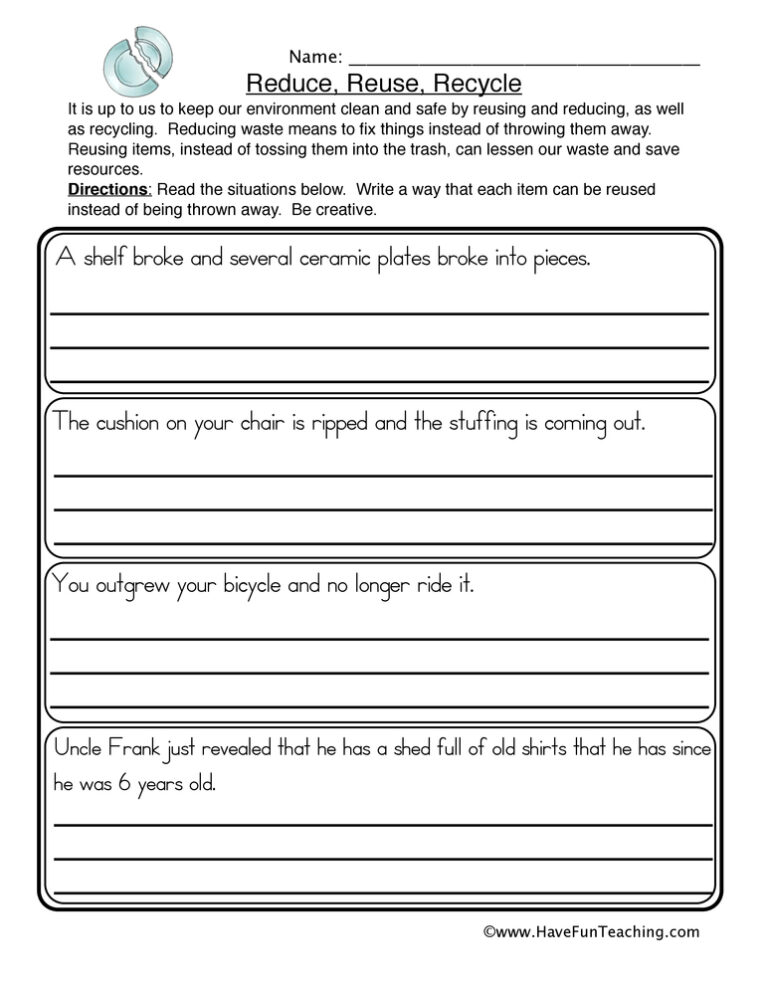
Read six real-life situations and decide whether each one shows reducing, reusing, or recycling on this reduce, reuse, recycle scenarios worksheet for 3rd grade. Answer key included, so Earth Day science practice takes no prep.
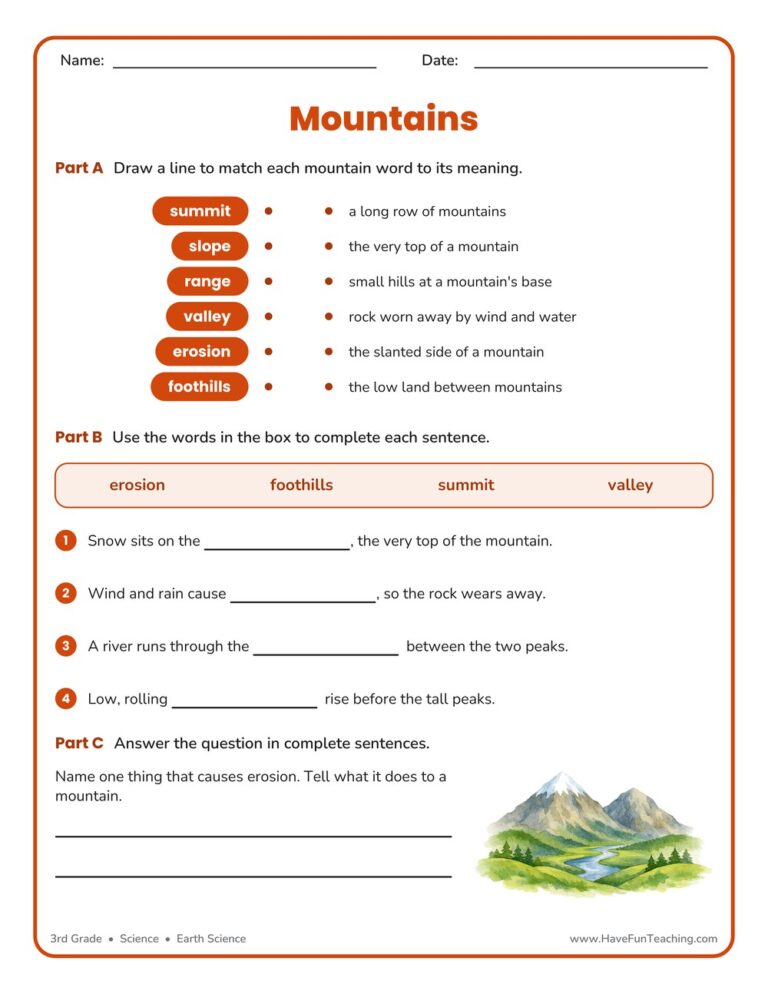
This Mountains Worksheet helps 3rd Grade students match six landform words, use them in sentences, and explain erosion in their own writing. Answer key included, so review takes seconds.
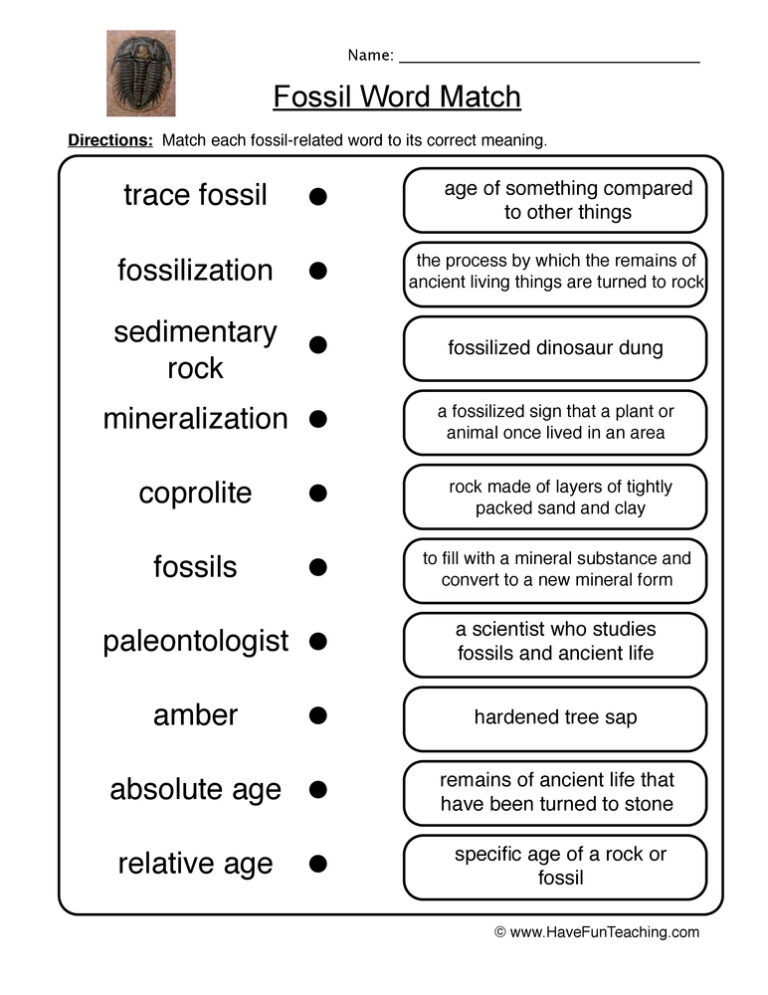
This fossil definitions worksheet gives 3rd grade students matching, fill-in-the-blank, and written-response practice with key fossil vocabulary. An answer key is included, so review is quick and confident.

This solar system activity is a Space Race game where 2nd to 5th Grade students spin, write and color the eight planets in order. Includes trivia cards, practice and answer key.
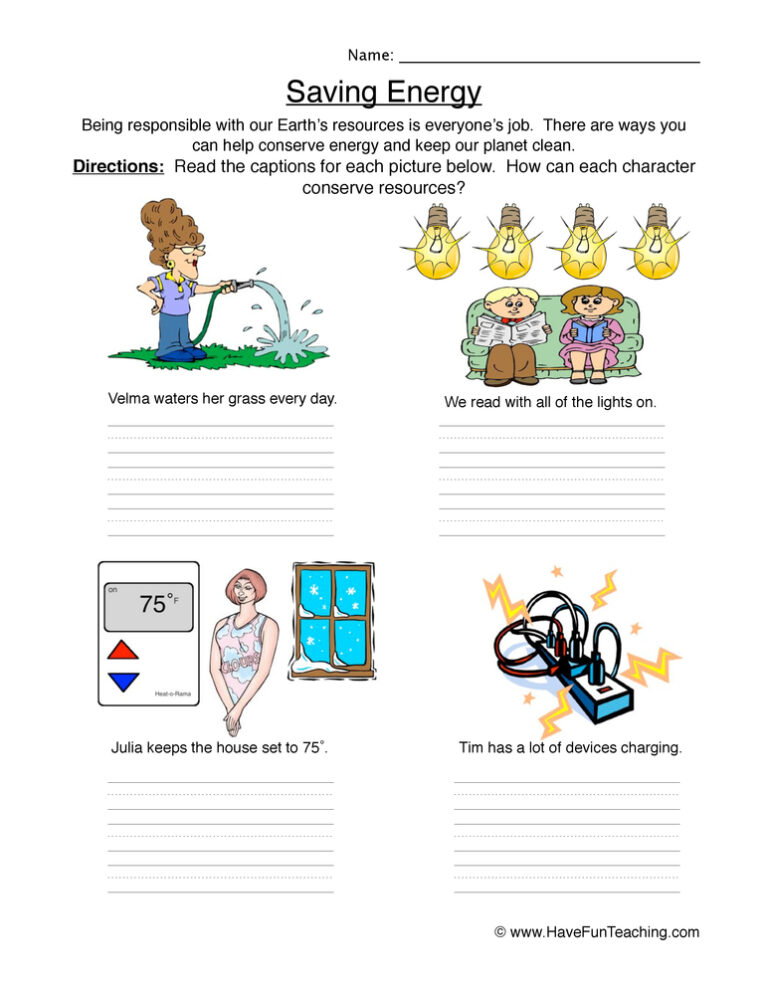
This Conserving Resources Worksheet asks 3rd Grade students to study four everyday scenes and write one way to stop the waste, then name two family water-saving habits. An answer key is included.




Reviews
There are no reviews yet