

Mammals Worksheet
A three-part mammals worksheet that has 5th graders define, sort, and explain the three mammal groups: marsupials, placental mammals, and monotremes. Answer key included for fast, no-prep science practice.
$6.97
Or free with a membership — members pay $3.33/mo for all 10,000+ resources. See plans
Want this one free?
Tell us where to send it and it’s yours — no card, no catch.
One free resource per teacher. We’ll also send free teaching ideas each week — unsubscribe anytime.
Teaching is easier with a membership
Unlimited printables, games & videos for PreK–6th — for your classroom or homeschool. Cancel anytime.
Start your 3-day free trial$0 today · cancel anytime · Instant access to 10,000+ resources
About this resource
Description
Learning the three types of mammals is one of the first real steps into animal classification, and this mammals worksheet gives fifth graders a clear, hands-on way to take it. Every mammal shares the same two traits — hair or fur, and mothers that feed their young milk — but the way a baby mammal arrives in the world splits the whole class into three neat groups. Placental mammals develop fully inside the mother. Marsupials are born tiny and weak and finish growing in a pouch. Monotremes, the smallest group of all, lay eggs. Once students can name those three patterns, they can classify almost any mammal they meet.
This printable mammal classification worksheet moves from vocabulary to application in three short parts. In Part A, students use a word box to complete four sentences that define each group. In Part B, they sort six familiar animals — dolphin, echidna, elephant, kangaroo, koala, and platypus — into Marsupials, Placental Mammals, and Monotremes. Part C closes with a written response that asks students to classify a described animal, justify the choice with evidence, and name a trait it shares with every other mammal. Use it for morning work, a science center, homework, or a quick check before a unit test.
What’s Included
- 1 print-ready PDF worksheet
- Answer key
- 3 activities: a four-sentence vocabulary word box, a six-animal sorting chart, and a written-response question
Three things make this mammals worksheet work in a busy classroom. First, it teaches the vocabulary before it asks students to use it, so marsupial, monotreme, and placental stop being words to memorize and become categories to think with. Second, the sorting chart makes student thinking visible, so a teacher can see at a glance who is still mixing up a pouch and an egg. Third, the written response pushes past recall into explanation, which is the kind of reasoning fifth grade science standards ask for and the kind of item that turns up on state assessments.
Keep the lesson going after the page is finished. Have students research one more animal for each group, add it to the chart, and defend the placement in a sentence. Build a class chart comparing how a kangaroo and a dolphin are born. Share nonfiction picture books or short clips about echidnas and platypuses, which surprise almost every student. Play a quick guessing game in which one student describes how a baby animal arrives and the class calls out the group. Younger children can sort animal picture cards while older students write.
Related Resources
What teachers say
Reviews
You must be logged in to post a review.
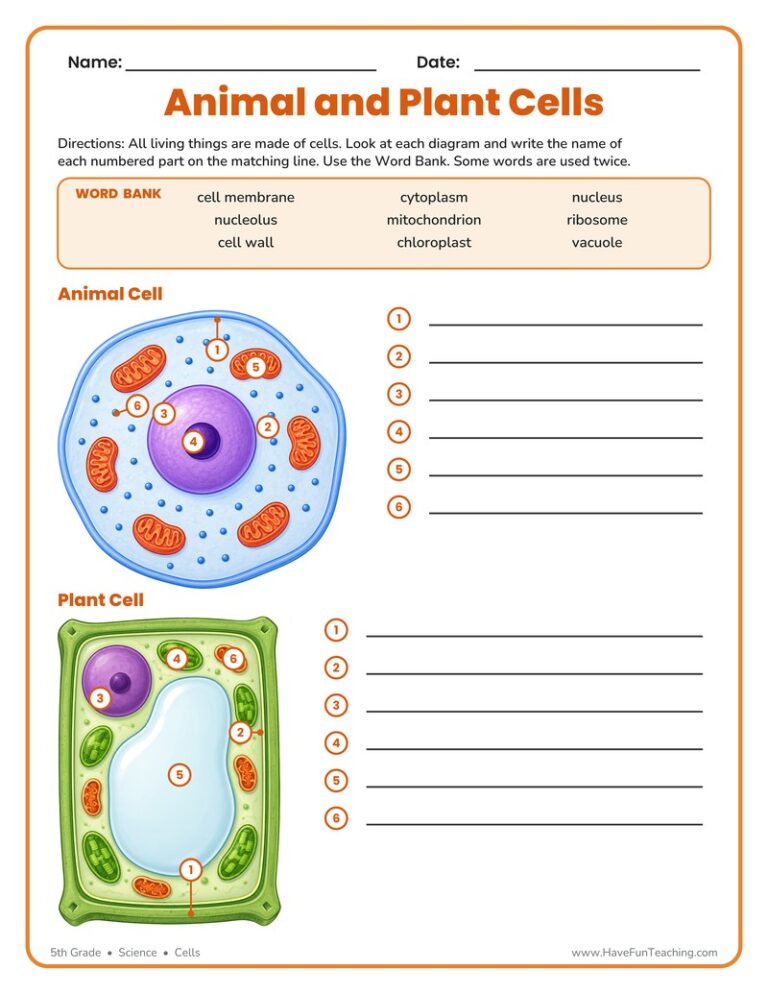
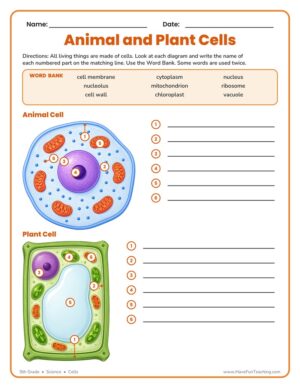
This Animal and Plant Cells Worksheet asks 5th grade students to label the organelles of an animal cell and a plant cell using a word bank. Answer key included for fast, no-prep science review.

Using this Animal Song (Animated Music Video), your students learn about different types of animals and their sounds by watching this fun, catchy video.
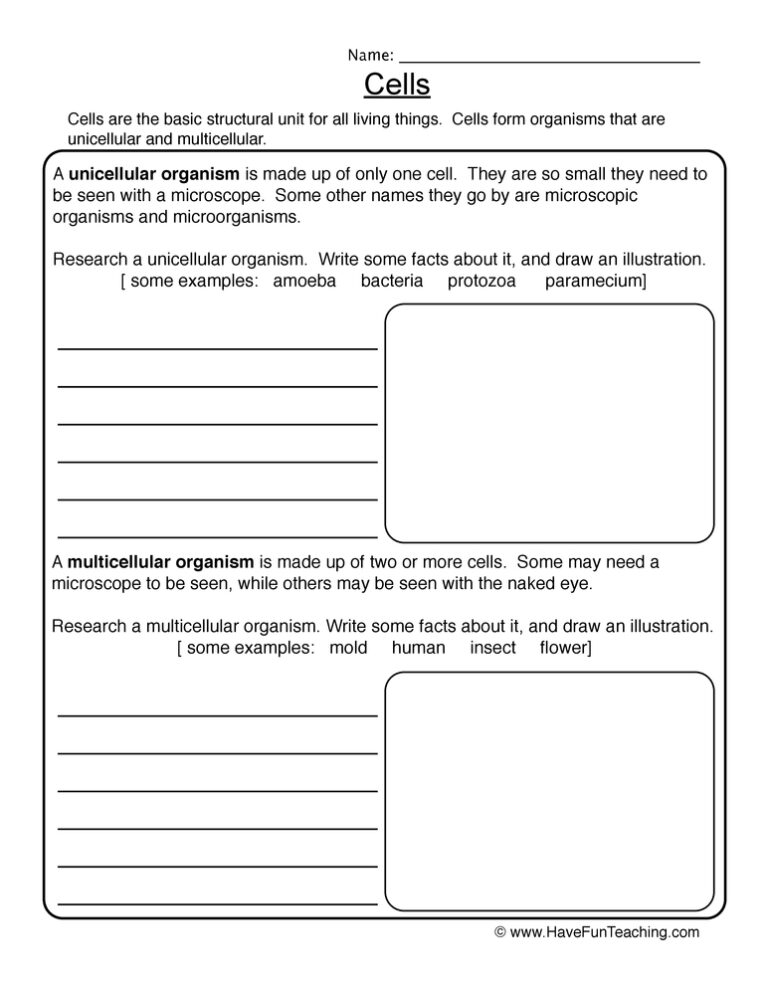
This cells worksheet has 5th graders sort eight living things into unicellular and multicellular columns, then use clues to classify four more. An answer key is included, so science practice is ready to print and grade in minutes.

This mammal taxonomy worksheet has 5th grade students use a gray wolf model and word endings to classify a lion from kingdom to species. Includes an answer key and four chart questions.
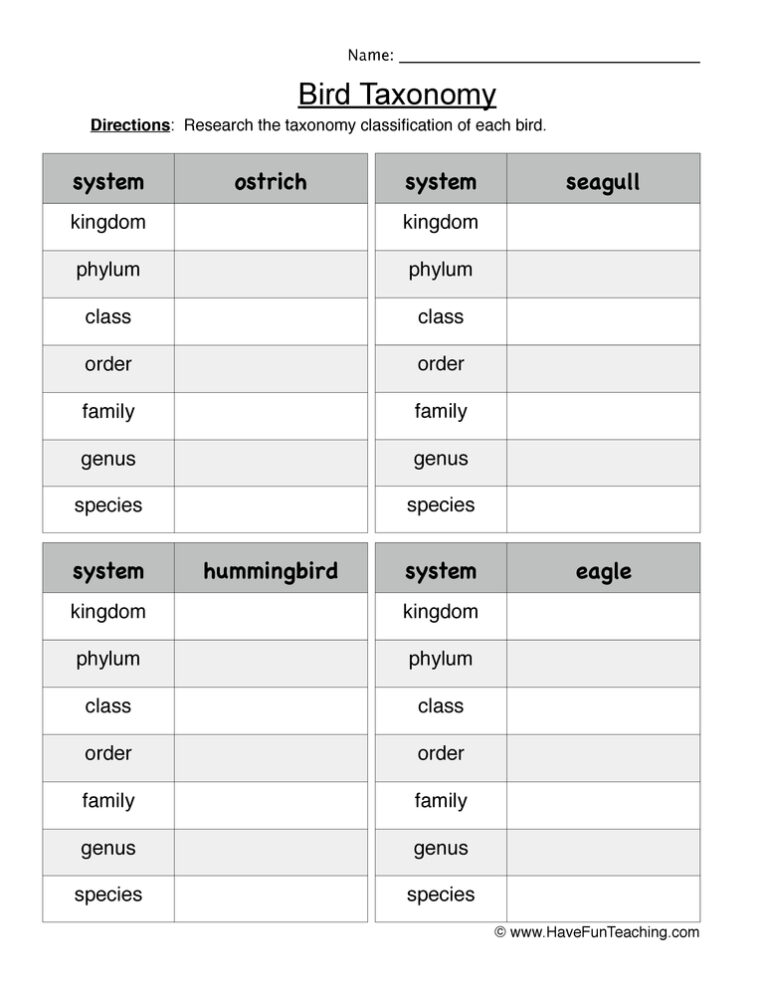
This bird taxonomy worksheet has 5th grade students use a bald eagle model and word endings to classify a hummingbird from kingdom to species. Includes an answer key and four chart questions.

This Insect Taxonomy Worksheet gives 5th Grade students a finished honey bee chart to classify a monarch butterfly beside it, plus four questions and an answer key, so taxonomy becomes reasoning instead of memorizing.

This Wild Animal Shelter Reading Comprehension Worksheet gives 5th graders an original story about a wildlife sanctuary, plus multiple-choice and written-response questions. An answer key is included, so checking work takes seconds.
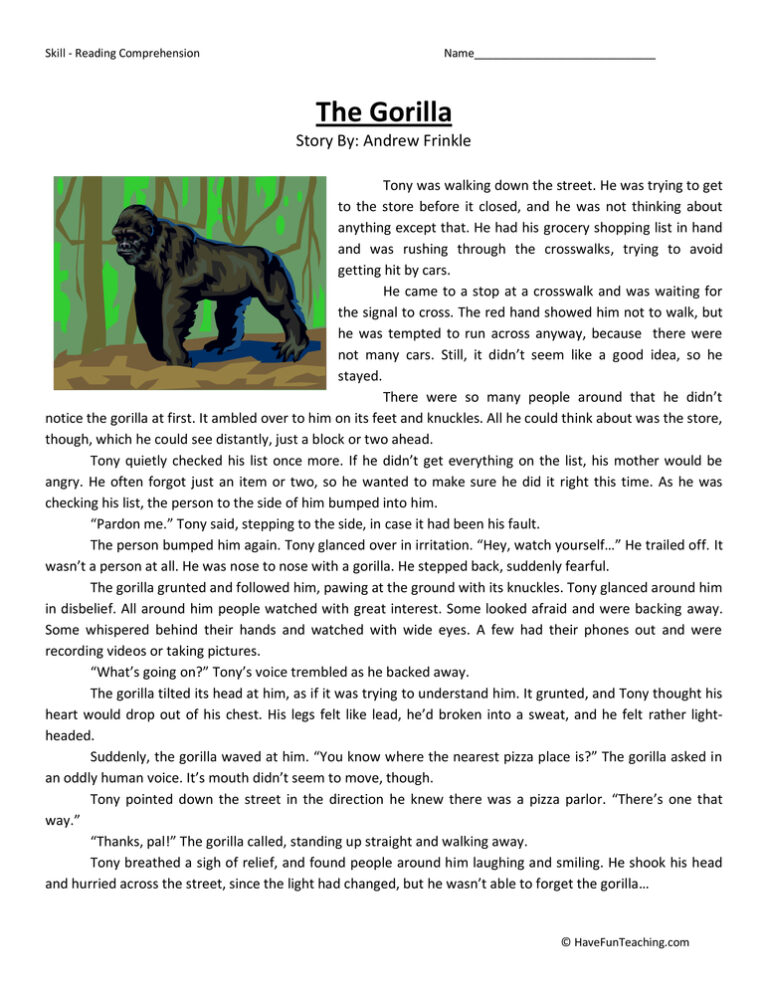
This Gorilla Reading Comprehension Worksheet gives 5th Grade students a two-page nonfiction article about mountain gorillas, four multiple-choice questions, a written response, and an answer key, so readers practice finding evidence in a longer text.
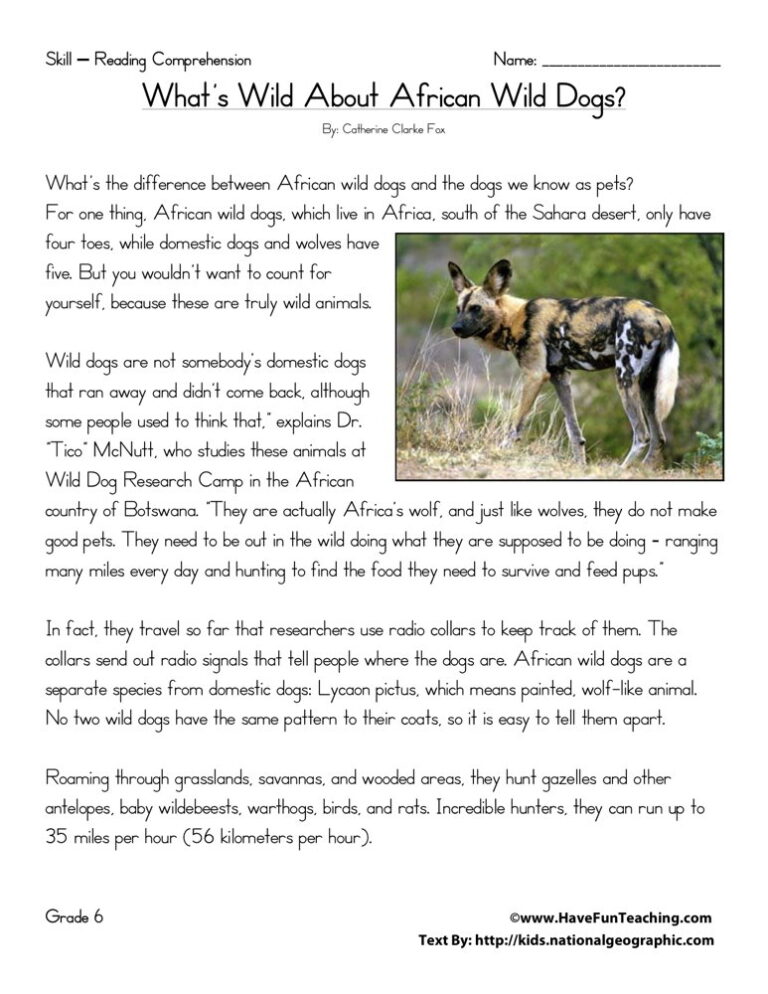
This What's Wild About African Dogs Reading Comprehension Worksheet gives 5th graders a two-page nonfiction passage, four multiple-choice questions and a written response. An answer key is included for quick, no-prep practice.
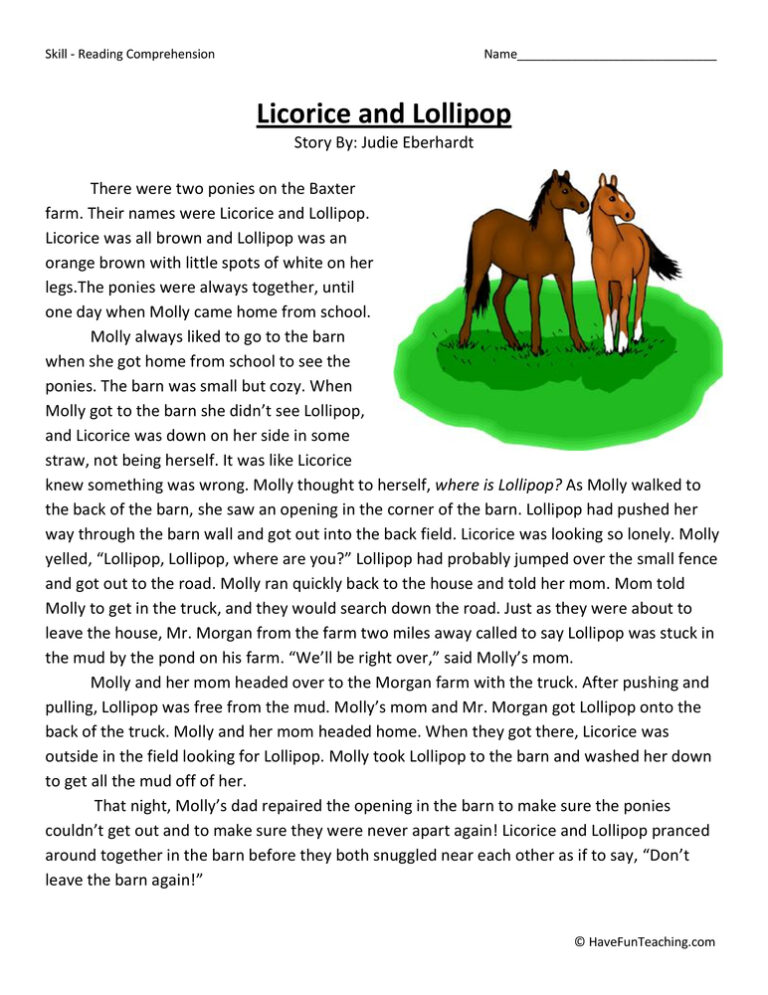
This Licorice and Lollipop Reading Comprehension Worksheet gives 5th Grade students a two-page story about two ponies and a summer storm, five questions and an answer key, so reading practice is ready to hand out.

Using this Fish Taxonomy Worksheet, students will be able to write the taxonomy classification for each example of fish.
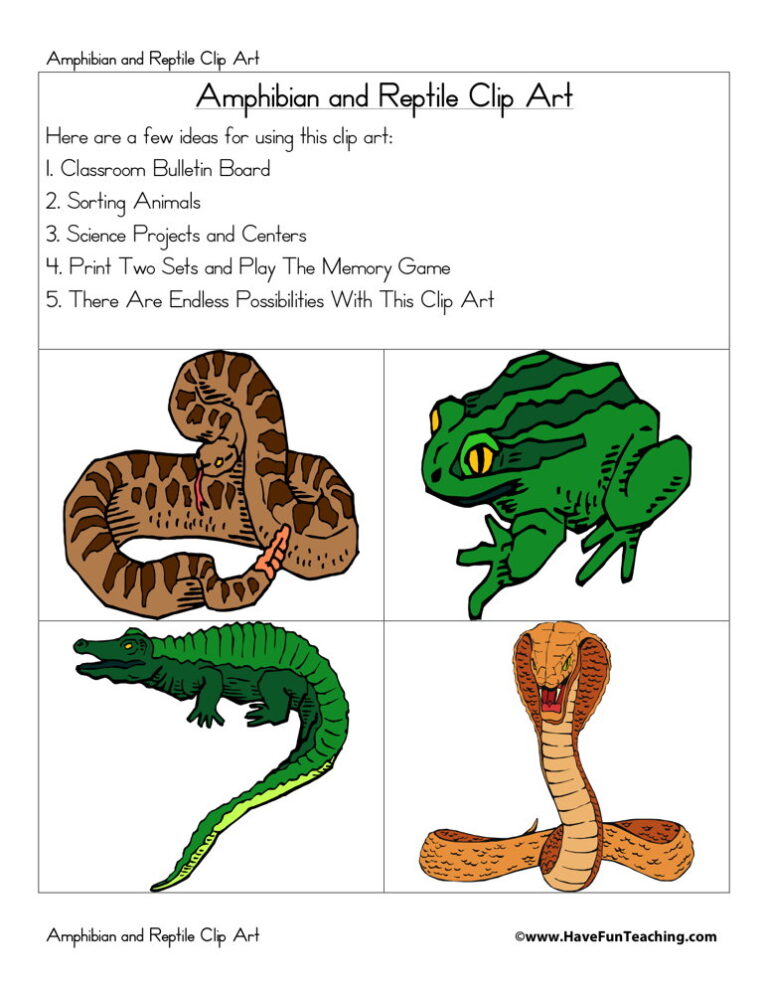
This Amphibians and Reptiles Clip Art is a perfect addition to any bulletin board, flyer, or other printable that you create to teach the amphibians and reptiles.
Reviews
There are no reviews yet