
Skip to content
Start My 3 Free Days $0 today · cancel anytime

1st Grade Emotions Resources

9 1st grade emotions resources: 3 worksheets, 3 activities, 1 flash card and more. How teachers use these

1st Grade Emotions Resources

9 1st grade emotions resources: 3 worksheets, 3 activities, 1 flash card and more. How teachers use these

Worksheet
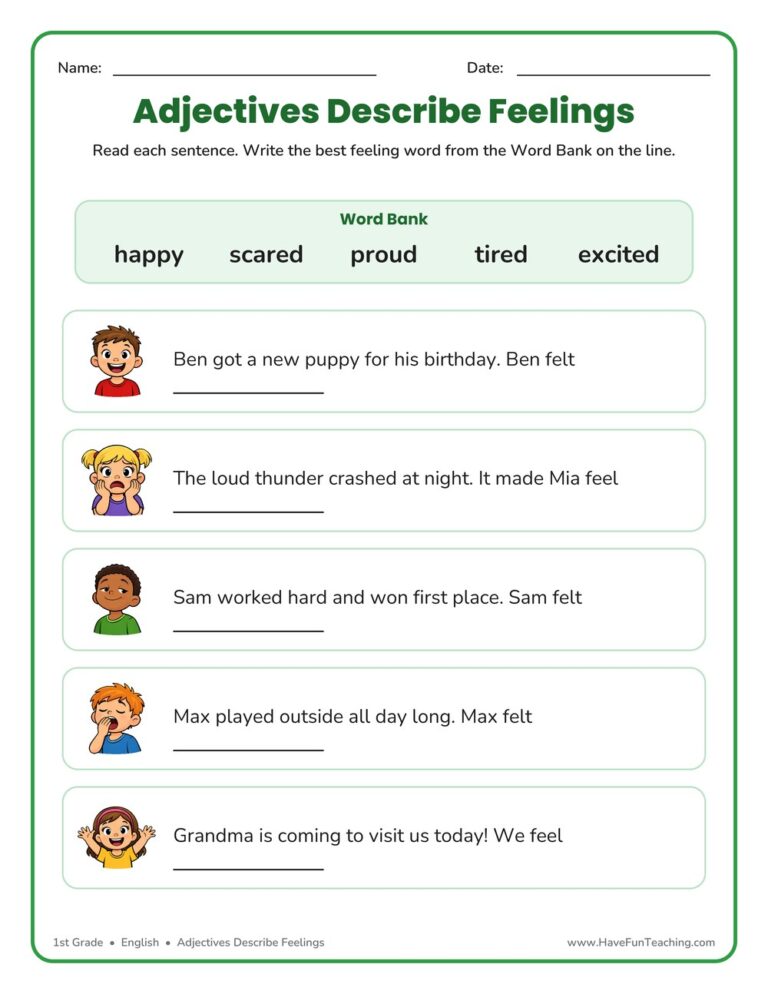
Worksheet1st GradeAdjectives Describe Feelings Worksheet

This adjectives describe feelings worksheet helps 1st graders match feeling words like happy, proud, and excited to picture-based sentences. Includes an answer key for easy checking—a fun, no-prep way to build emotion vocabulary.

Flash Cards
Flash Cards1st GradeEmotions Flash Cards

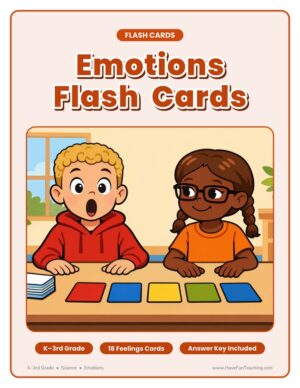
These emotions flash cards help Kindergarten to 3rd Grade students name 18 feelings by reading children's faces. Fold-over cards show the face and the word. Answer key included.

Worksheet
Worksheet1st GradeCharacter Emotions Worksheet

This character emotions worksheet gives 1st graders an original poem about a nervous singer and the friend who cheers her on, plus a feeling word bank and two writing prompts. Answer key included for quick, no-prep practice.

Activity
Activity1st GradeFeeling Words Activity

This feeling words activity has 1st to 3rd graders read a story, match clue cards to feeling words, and practice naming how characters feel. An answer key is included.

Activity
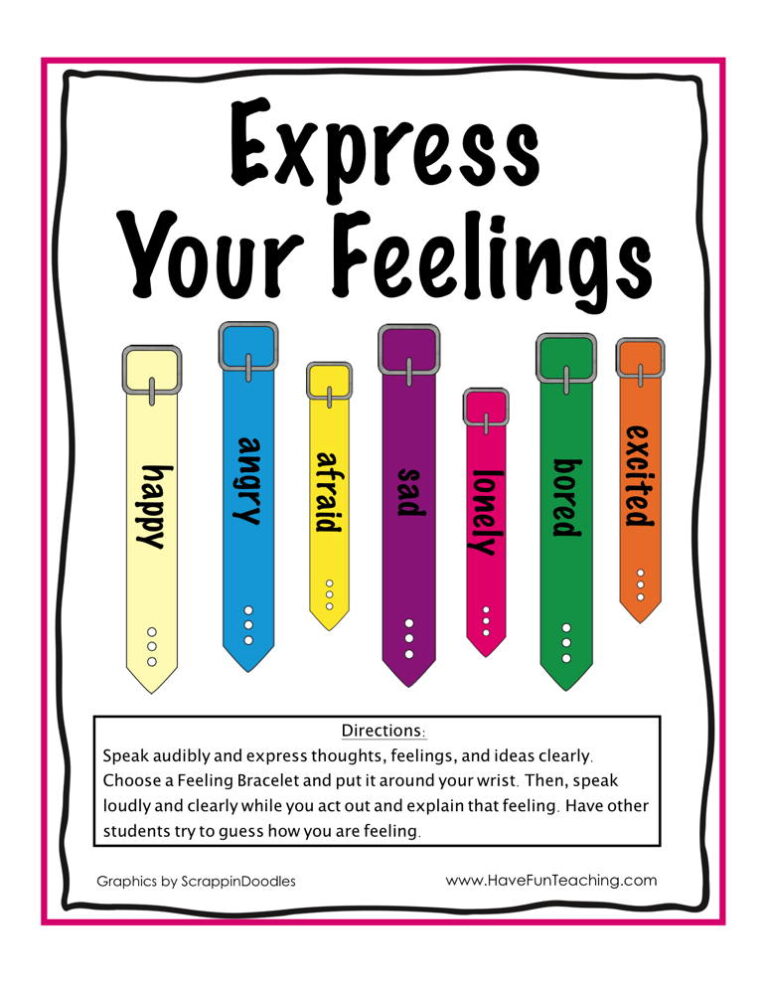
Activity1st GradeExpress Your Feelings Character Education Activity

This express your feelings character education activity helps K-2nd grade students name six feelings with bracelets, charades and talk cards, then speak in full sentences. Answer key included.

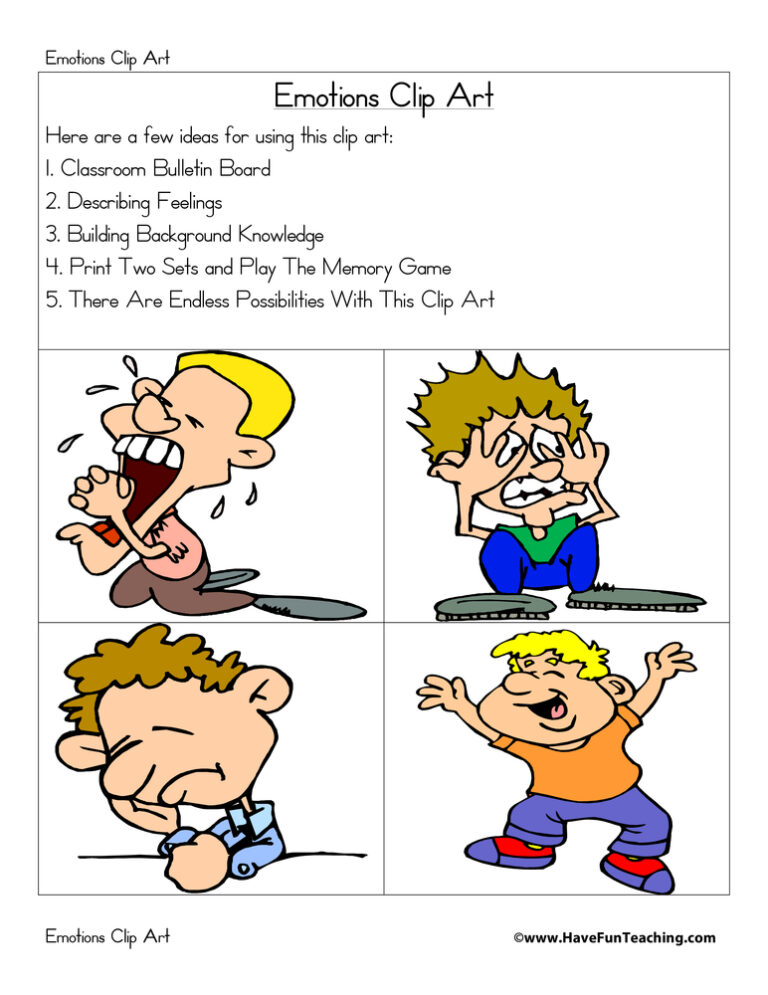
1st GradeEmotions Clip Art

This Emotions Clip Art is a perfect addition to any bulletin board, flyer, or other printable that you use in your classroom.

Assessment
Assessment1st GradeSo Sad Reading Comprehension Worksheet

This So Sad Reading Comprehension Worksheet helps 1st grade readers follow a rainy-day story full of feeling words, with five questions and an answer key that turn a sad day into happy practice.

Activity
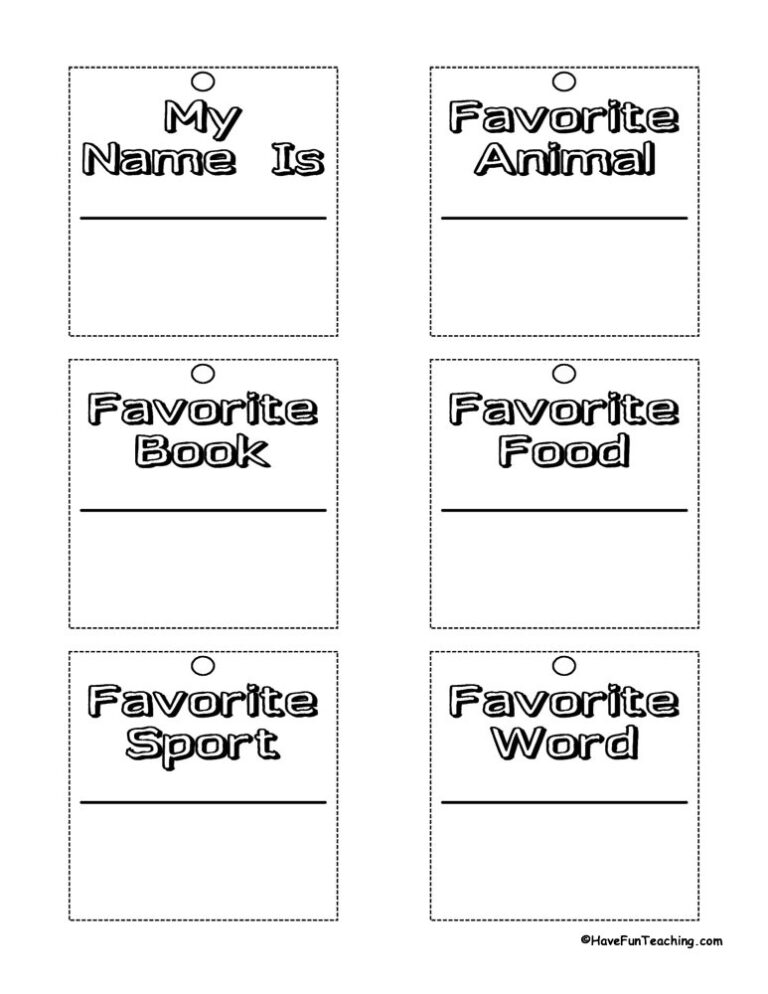
Activity1st GradeAbout Me Mobile Activity

Using About Me Mobile Activity, students can create a mobile to introduce themselves and share important information about themselves at the beginning of a new school year!

From our teachers' playbook

Happy, sad, mad or glad? Let's talk feelings!

What do 1st graders learn about emotions?

First graders learn that everyone has feelings and that all feelings are okay, but some choices are better than others. They grow their feelings vocabulary beyond happy and sad to words like proud, nervous, frustrated, excited and lonely. They practice reading faces and body language, both their own and their friends', and they learn simple ways to calm down, like taking deep "smell the flower, blow the candle" breaths. The click comes when a child says, "I feel frustrated because my tower fell," instead of knocking over a friend's.

How we teach emotions in 1st grade

Feelings lessons work best when they are daily, gentle and connected to real moments.

Name that face

Hold up a feelings card and ask kids to name the emotion and copy the face. Then ask "When have you felt this way?" Matching words to faces builds the vocabulary kids need to talk about feelings instead of acting them out.

Why it works: children learn more from words and pictures together than from words alone (Mayer, 2009).
Emotions Flash CardsTry it withEmotions Flash CardsFlash CardsOpen it →

Oops, that's okay

Play a song about making mistakes when someone gets upset over an error. Kids learn that mistakes are part of learning. Singing it together takes the sting out and becomes a class-wide reset.

Why it works: a catchy, repeating tune gives the brain a hook to hang words on, so sung text is remembered better (Wallace, 1994).

Oops I Made A Mistake SongTry it withOops I Made A Mistake SongSongsOpen it →

How does the character feel?

During read-alouds, pause and ask how a character feels and what clue tells you. Follow up with a short page about characters' emotions. Thinking about characters first makes it easier for kids to think about themselves.

Why it works: researchers who compared ten study methods found practice testing is one of the two that work best (Dunlosky and colleagues, 2013).

Character Emotions WorksheetTry it withCharacter Emotions WorksheetWorksheetsOpen it →

Questions parents and teachers ask

Why teach emotions in 1st grade?

Learning to name and manage feelings helps young children make friends, solve problems and focus in class. It is a key part of social-emotional learning.

What feelings words should a 1st grader know?

Beyond happy, sad and mad, first graders can learn proud, scared, nervous, excited, frustrated, lonely, calm and surprised.

How do I help my 6-year-old calm down?

Stay calm yourself, name the feeling for them, and practice slow breaths together. Talk about what happened after they are calm, not during the big moment.

Are books good for teaching emotions?

Yes! Picture books are a wonderful way to talk about feelings. Ask how characters feel and what they could do, which helps kids practice empathy.



