
Skip to content
Start My 3 Free Days $0 today · cancel anytime

1st Grade Speaking and Listening Resources

53 1st grade speaking and listening resources: 30 activities, 16 worksheets and 6 Common Core Lessons. How teachers use these

1st Grade Speaking and Listening Resources

53 1st grade speaking and listening resources: 30 activities, 16 worksheets and 6 Common Core Lessons. How teachers use these

Worksheet
Worksheet1st GradeAsking Questions About Pictures Worksheet

This Asking Questions About Pictures Worksheet gives 1st Grade students an illustrated scene, four fill-in-the-bubble questions, and room to write a question of their own. Answer key included, so checking takes seconds.

Worksheet
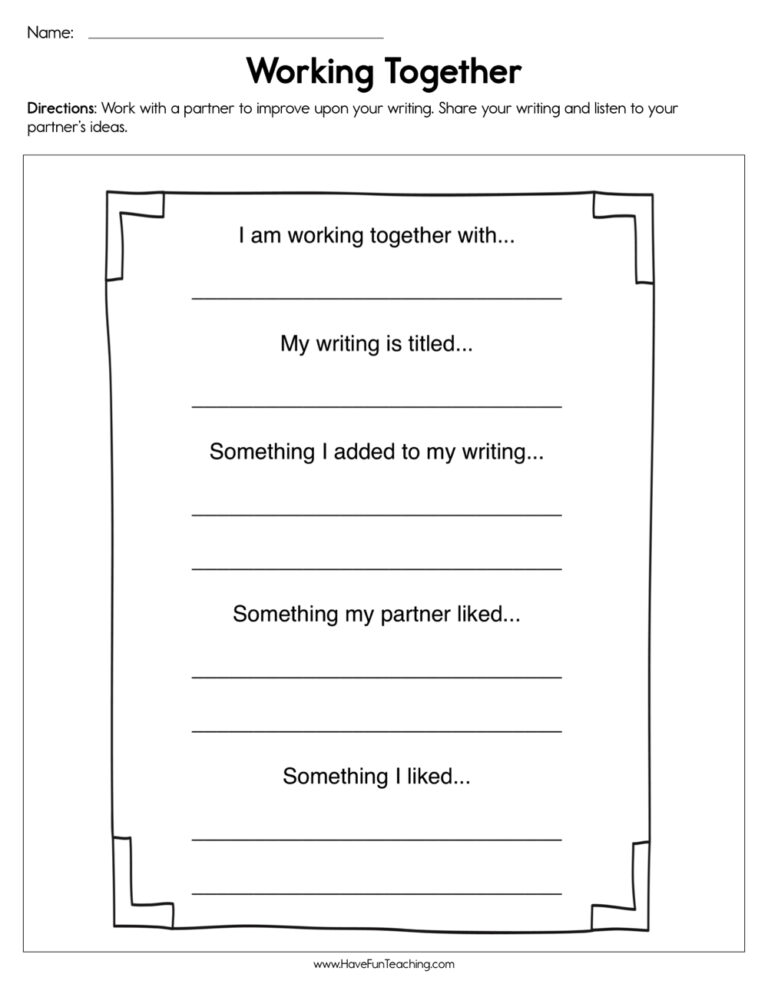
Worksheet1st GradeWorking Together Worksheet

This Working Together Worksheet gives 1st graders four partner-talk choices to make and one habit to write down. Answer key included, so teamwork practice takes no prep.

Worksheet
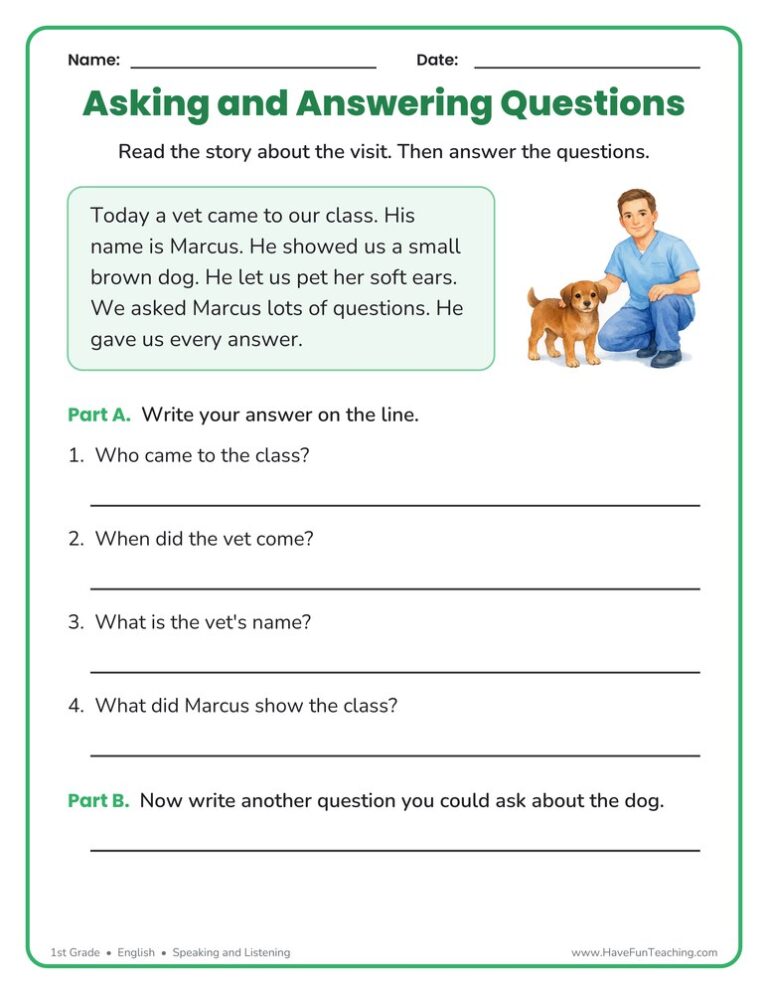
Worksheet1st GradeAsking and Answering Questions Worksheet

This Asking and Answering Questions Worksheet gives 1st Grade students a short story, four text-based questions, and room to write a question of their own. Answer key included, so checking work takes seconds.

Worksheet
Worksheet1st GradeSpeaking Worksheet

This speaking worksheet helps 1st graders practice eye contact, clear words, and a strong voice, then write their own friendly greeting. Answer key included for fast, no-prep speaking and listening practice.

Worksheet
Worksheet1st GradeOral Storytelling Worksheet

Using this oral storytelling worksheet, first grade students put three story pictures in order, add the time words First, Next, and Last, and then retell the whole story out loud. An answer key is included.

Activity
Activity1st GradeDescribing Nouns Adjective Activity

This describing nouns adjective activity has 1st and 2nd Grade partners describe picture cards with adjectives and play a guessing game. Answer key included.

Activity
Activity1st GradeDescribing Words Activity

This describing words activity has 1st and 2nd Grade students match 8 picture cards with 16 adjective cards, with a recording sheet, practice page and answer key included.

Activity
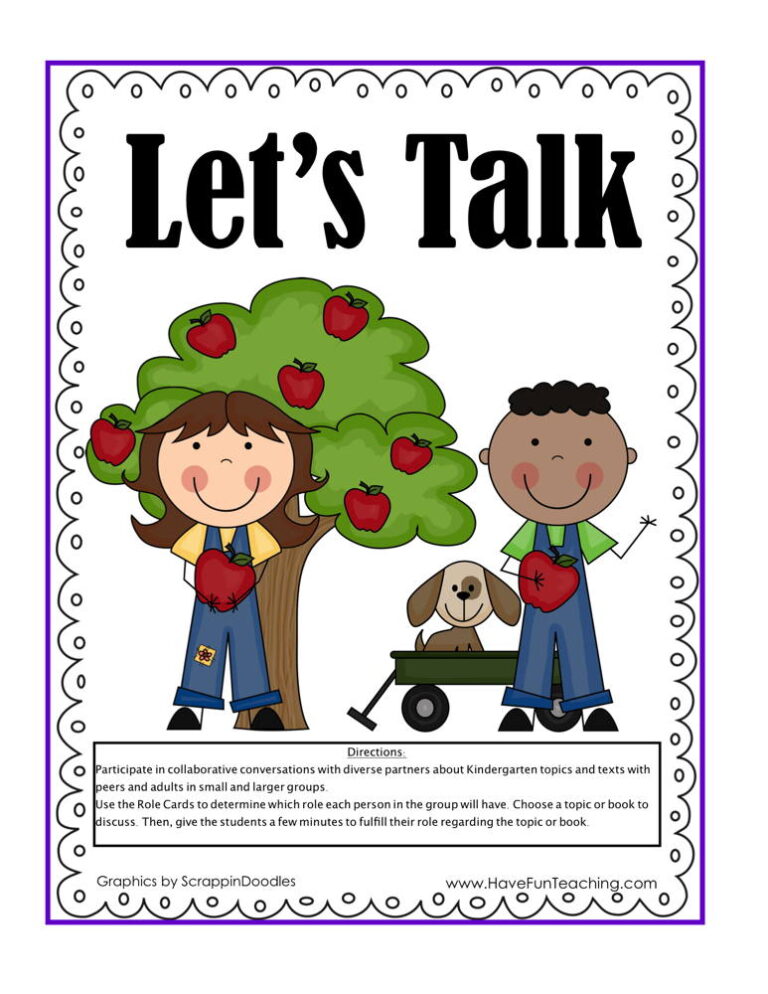
Activity1st GradeLet's Talk Classroom Speaking Activity

This Let's Talk classroom speaking activity gives kindergarten through 3rd grade students role cards, topic cards and a self-check for small group talks. A practice page and answer key are included.

Worksheet
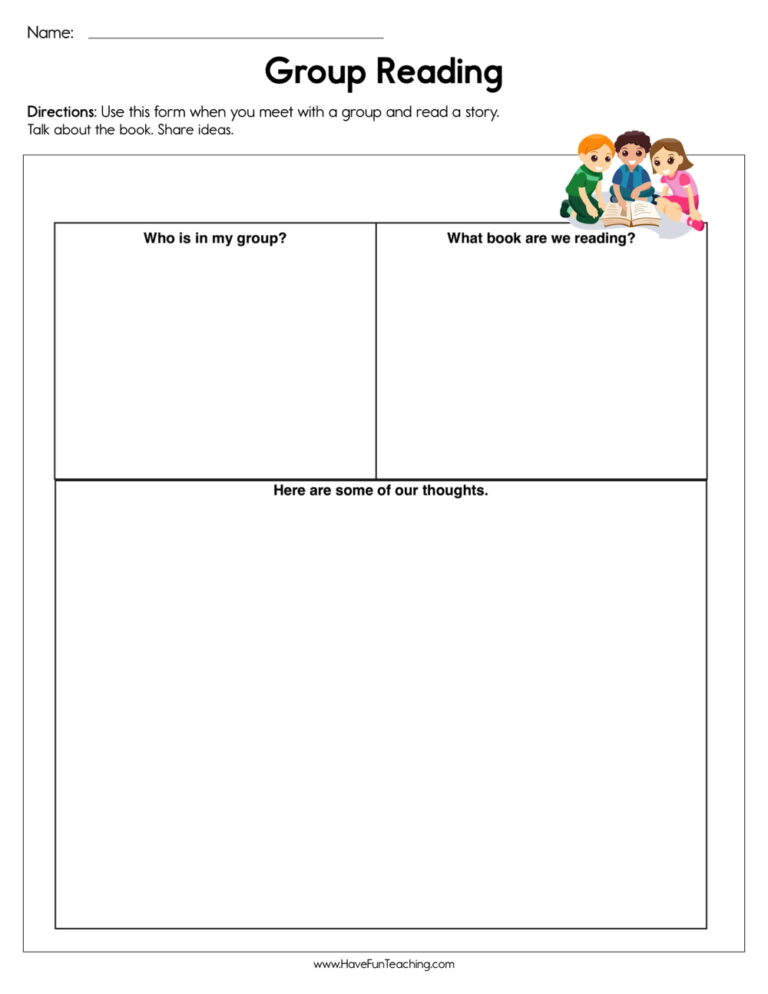
Worksheet1st GradeGroup Reading Worksheet

Use this Group Reading Worksheet with 1st Grade guided reading groups. Kids write the book title, their group, what the story is about, and ideas they heard and shared.

Activity
Activity1st GradeUsing Clues to Describe Activity

This using clues to describe activity has 1st and 2nd grade students read three describing words, listen to a partner and find the matching picture. Answer key included.

Worksheet
Worksheet1st GradeTalking to Peers Assessment Worksheet

The Talking to Peers Assessment Worksheet is a 1st grade teacher form for recording three peer writing conferences, with writer, topic, four behavior checkboxes and note lines on every card.

Activity
Activity1st GradeGuess Who Matching Game Activity

UsingGuess Who Matching Game Activity, students take turns asking questions to figure out their partner's mystery person.

Activity
Activity1st GradeFeeling Words Activity

This feeling words activity has 1st to 3rd graders read a story, match clue cards to feeling words, and practice naming how characters feel. An answer key is included.

Activity
Activity1st GradeTotal Recall Activity

This total recall activity for Kindergarten to 3rd Grade has kids tell about real memories, spin for a question word, and draw and write about one memory.

Activity
Activity1st GradeClassroom Conversations Activity

This classroom conversations activity has K-2nd grade students play a describe-and-guess game as Speakers and Listeners, with picture cards and a practice page. Answer key included.

Activity
Activity1st GradeDescribe It Figurative Language Activity

This describe it figurative language activity for 1st and 2nd Grade has kids match adjective word cards to the pictures they describe. Answer key included.

Activity
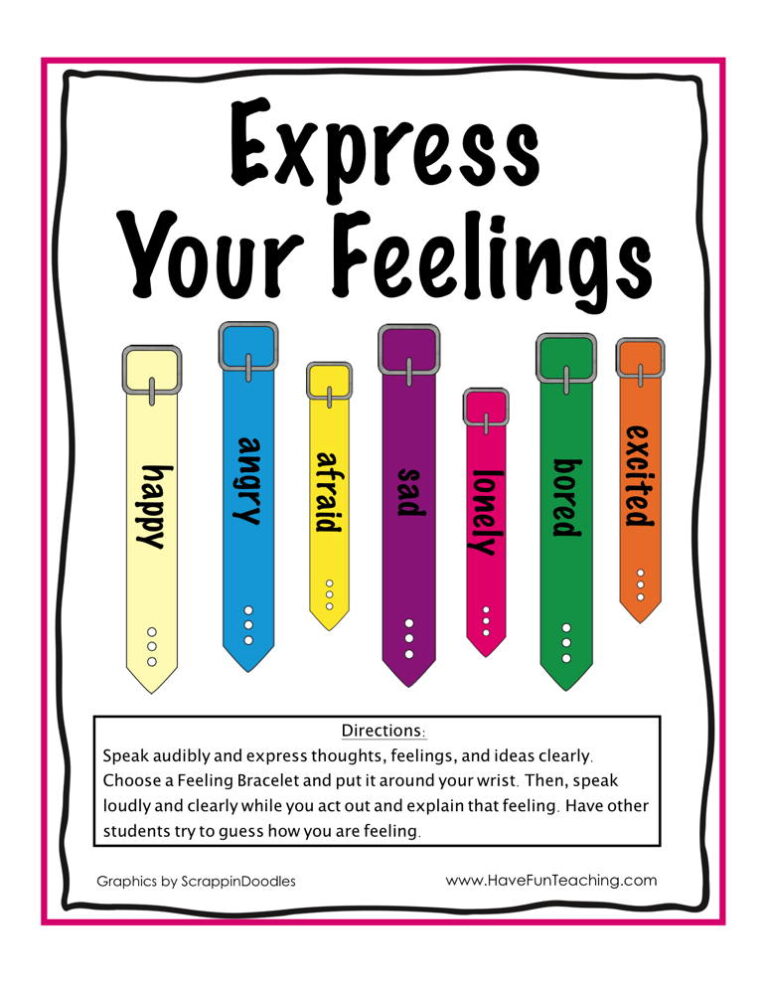
Activity1st GradeExpress Your Feelings Character Education Activity

This express your feelings character education activity helps K-2nd grade students name six feelings with bracelets, charades and talk cards, then speak in full sentences. Answer key included.

Activity
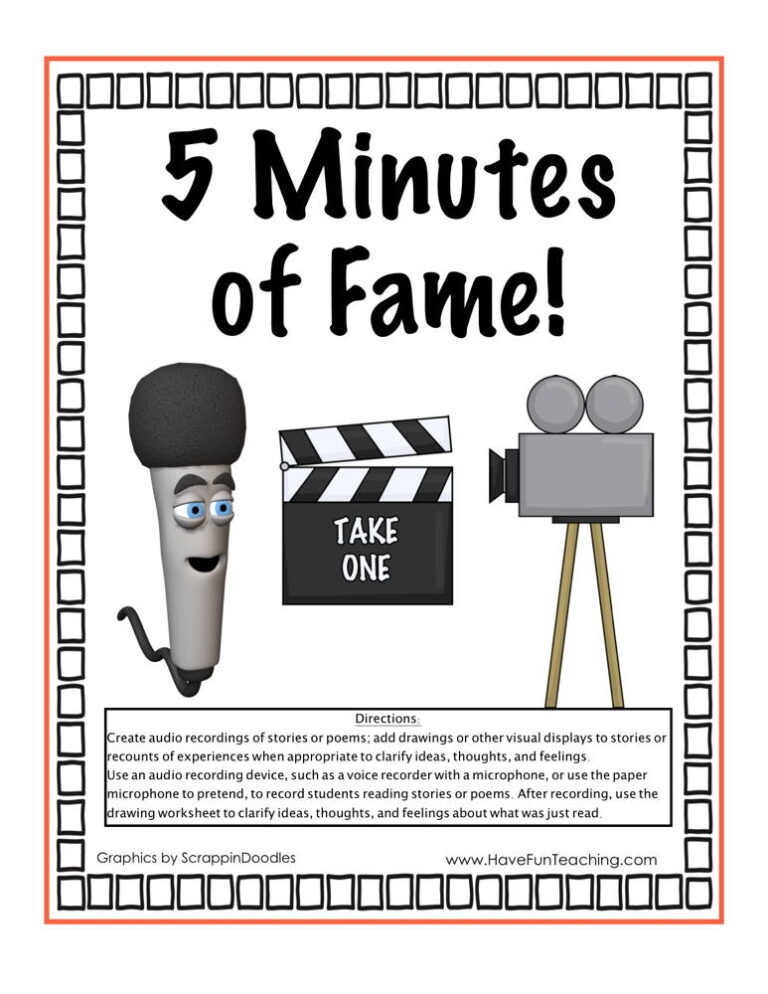
Activity1st Grade5 Minutes of Fame Read Aloud Activity

With this 5 minutes of fame read aloud activity, 1st-3rd Grade students practice and perform short poems with a paper microphone. A practice page and answer key are included.

Worksheet
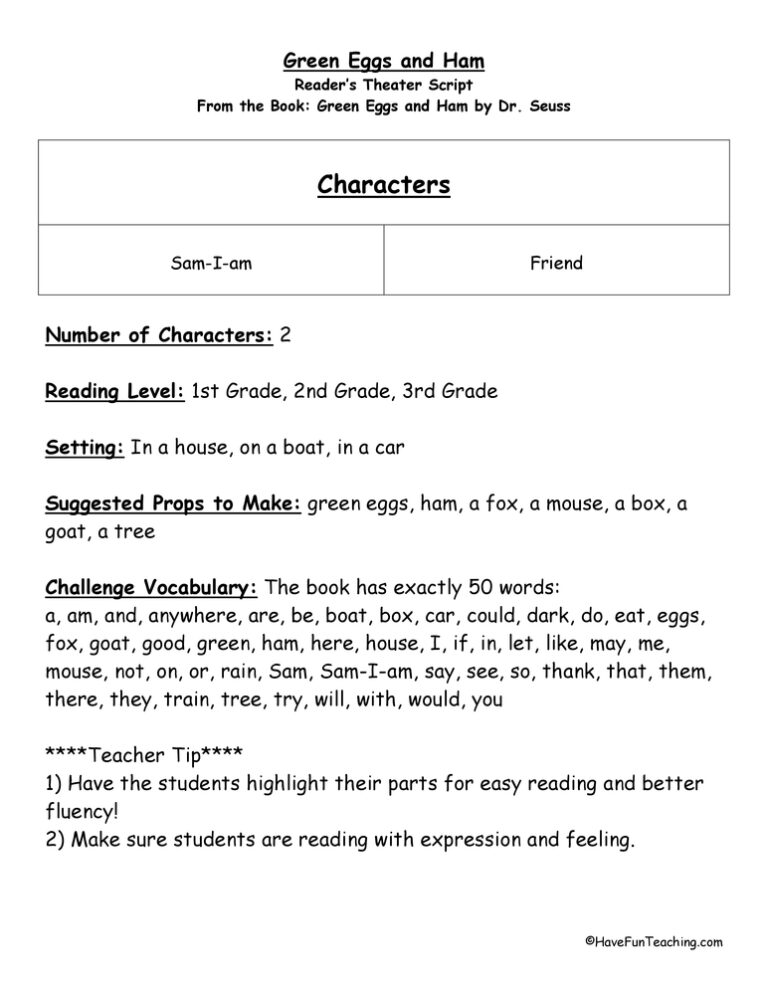
Worksheet1st GradeGreen Eggs and Ham Reader's Theater

Using Green Eggs and Ham Reader's Theater, students act out different parts in the story Green Eggs and Hall to learn more about Dr. Seuss.

Worksheet
Worksheet1st GradeWho is the Mystery Person Worksheet

The Who is the Mystery Person Worksheet asks 1st Grade students to describe someone they know in adjectives, then read the clues aloud so classmates can guess, building grammar and listening together.

From our teachers' playbook

Talk, listen, take turns

What do 1st graders learn about speaking and listening?

First graders learn the basics of a good conversation: listen while someone else talks, take turns, and respond to what was just said. They ask questions to find out more ("What happened next?"), answer questions about stories read aloud, and describe people, places and events with details. They also practice speaking in complete sentences and telling a short story out loud in order. The click moment comes when a first grader raises a hand and says "I have a question about what Jayden said" instead of jumping in with their own story.

Our favorite ways to grow first grade talkers

Little kids have a lot to say. These moves teach them how to say it and how to listen back.

Wonder about a picture

Show a busy picture and ask kids to come up with as many "who, what, where, why" questions as they can. A partner tries to answer one. Pictures give every child something to talk about, even the shy ones.

Why it works: children learn more from words and pictures together than from words alone (Mayer, 2009).

Asking Questions About Pictures WorksheetTry it withAsking Questions About Pictures WorksheetWorksheetsOpen it →

Practice working together

Teach and act out what good partners do: eyes on the speaker, wait your turn, say something kind back. Then give partners a simple shared task. Practicing the routine early saves you all year.

Why it works: kids understand an idea best when they touch it, then draw it, then write it, the order the U.S. Department of Education recommends for elementary math.

Working Together WorksheetTry it withWorking Together WorksheetWorksheetsOpen it →

Tell it out loud

Tell a short story about your weekend using first, next, then and last on your fingers. Kids then tell a partner their own story with the same four fingers. Oral storytelling builds the bones of writing.

Why it works: handing over the work step by step, from teacher to student, is one of the most widely used teaching frameworks (Pearson and Gallagher, 1983).

Oral Storytelling WorksheetTry it withOral Storytelling WorksheetWorksheetsOpen it →

Questions parents and teachers ask us

What speaking and listening skills do 1st graders learn?

First graders follow rules for discussions, take turns, ask and answer questions, and build on what others say. They also describe people, places and events with details and speak in complete sentences.

How can I help my 1st grader become a better listener?

Give two- or three-step directions and ask them to repeat them back. Read a story and ask questions afterward. Model listening yourself by putting down your phone when they talk.

My 1st grader interrupts a lot. What can I do?

It's very normal at this age. Teach a signal, like a hand on your arm, that means "I have something to say." Then acknowledge them quickly. Practicing turn-taking in games helps too.

How do I get my child to speak in complete sentences?

Model it by gently repeating their answer as a full sentence. If they say "a dog," you say "Oh, you saw a dog at the park!" Ask questions that need more than one word to answer.



