Skip to content
Start My 3 Free Days $0 today · cancel anytime

Preschool Alphabet Activities

13 preschool alphabet activities. Teacher favorites: Alphabet Uppercase Letter Matching Activity and Alphabet Match Activity. How teachers use these

Preschool Alphabet Activities

13 preschool alphabet activities. Teacher favorites: Alphabet Uppercase Letter Matching Activity and Alphabet Match Activity. How teachers use these

Activity
ActivityPreschoolAlphabet Uppercase Letter Matching Activity

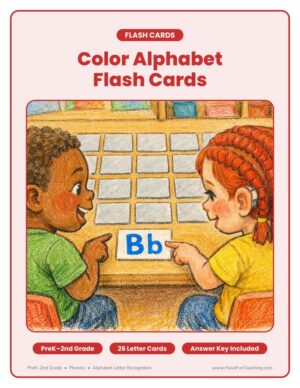
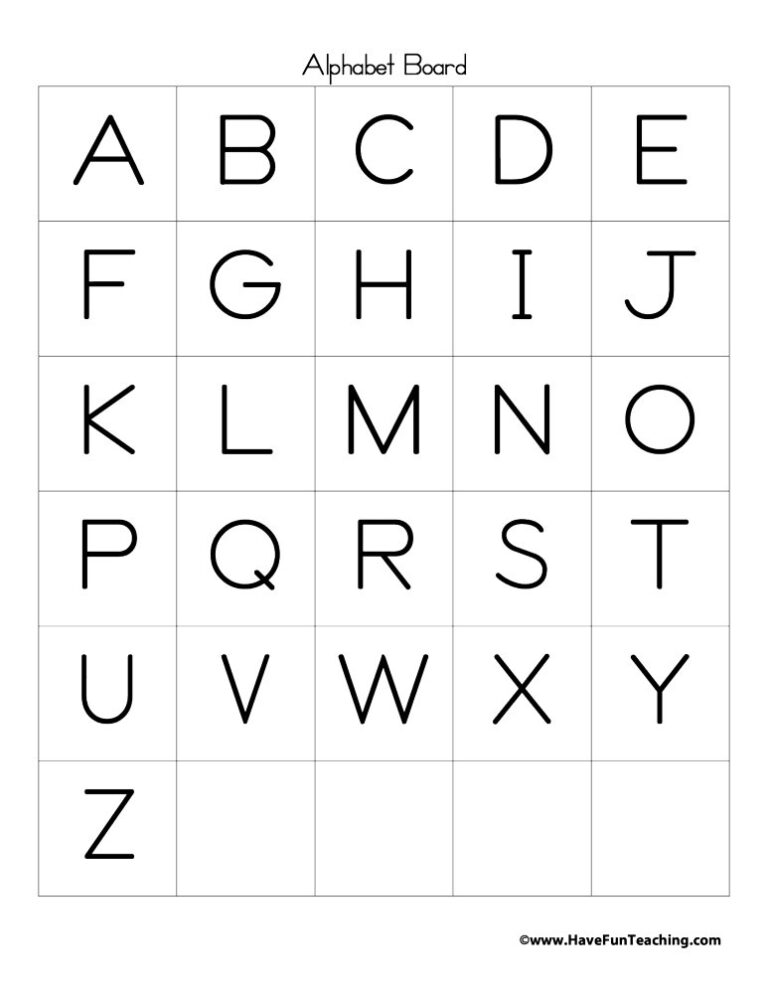
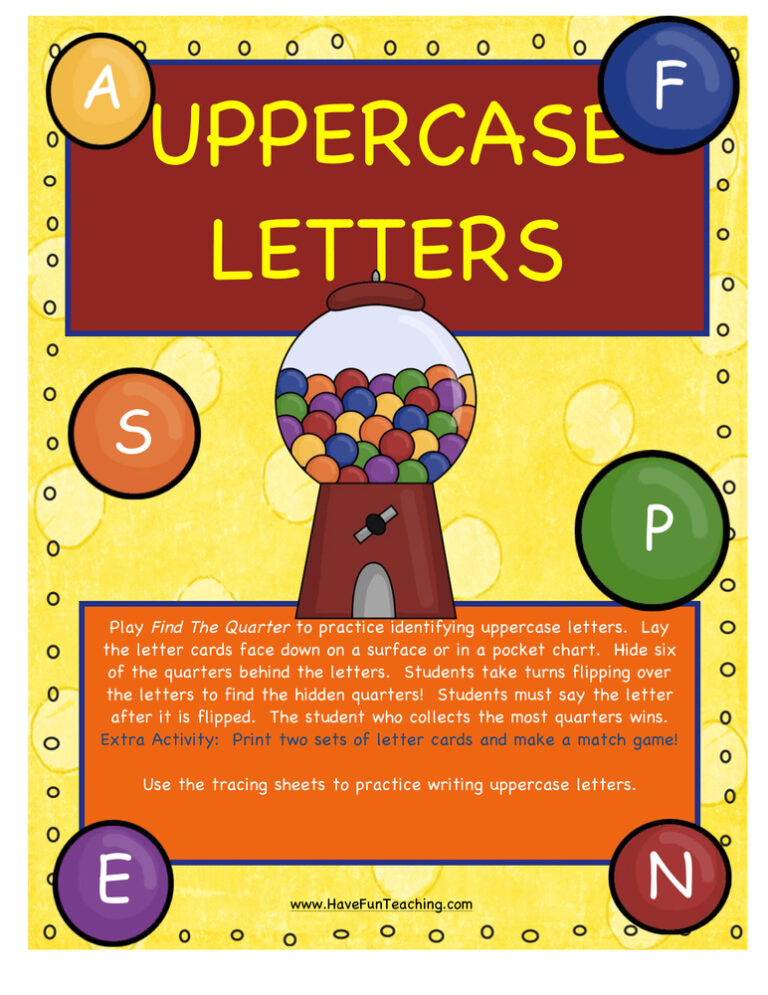
This alphabet uppercase letter matching activity has preschool, kindergarten, and 1st grade children match 26 letter cards to a game board. A practice page and answer key are included for easy letter recognition fun.

Activity
ActivityPreschoolAlphabet Match Activity

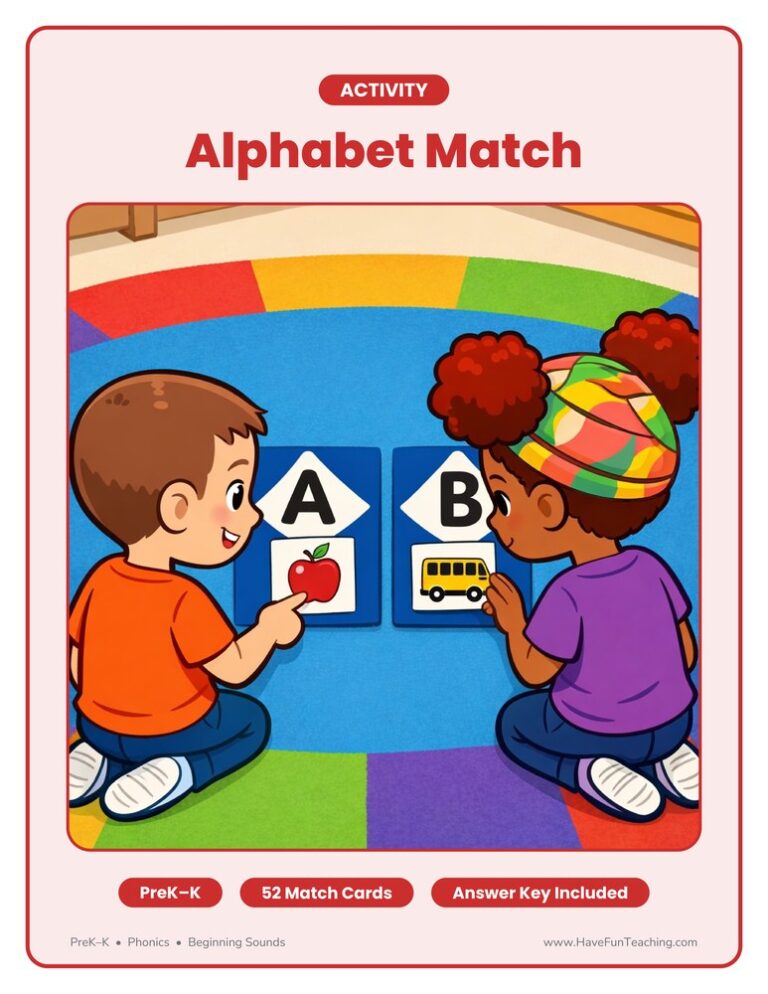
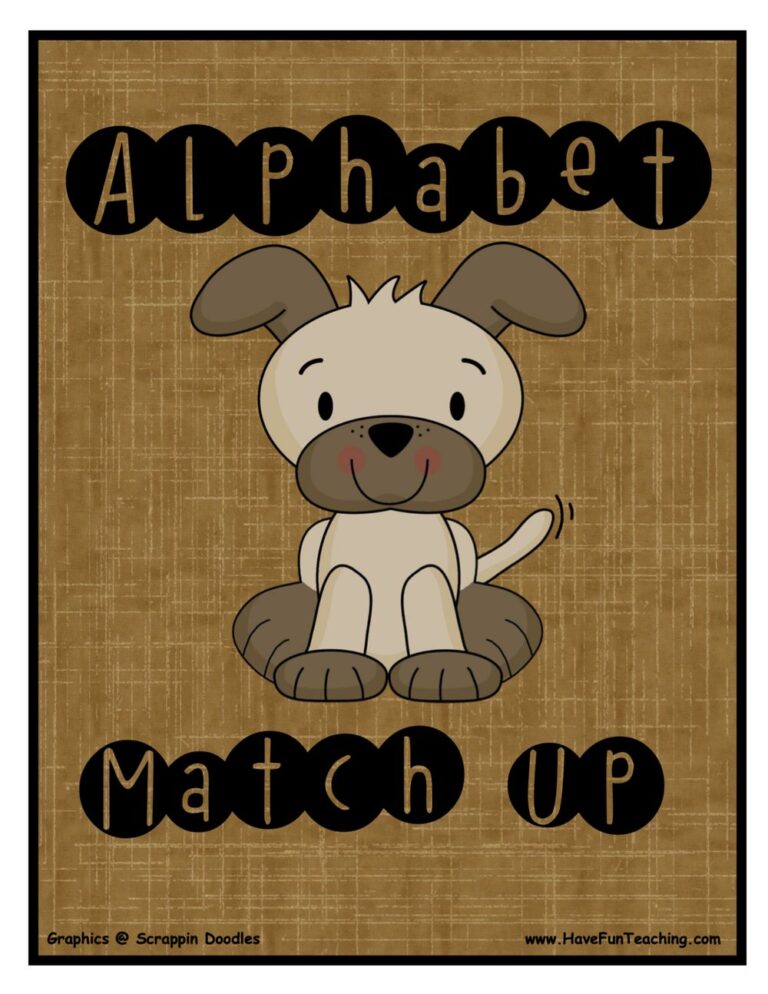
This alphabet match activity has preschool and kindergarten students match 26 picture cards to the letter of their beginning sound, then practice on a worksheet. Answer key included for quick checking.

Activity
ActivityPreschoolLowercase Letters Activity

This lowercase letters activity is a Gumball Hunt card game for Preschool to 1st grade that helps children name all 26 small letters. Answer key included for quick checking.

Activity
ActivityPreschoolAlphabet Picture Matching Activity

This alphabet picture matching activity helps preschool and kindergarten students say each picture name and match it to its beginning letter. Answer key included.

Activity
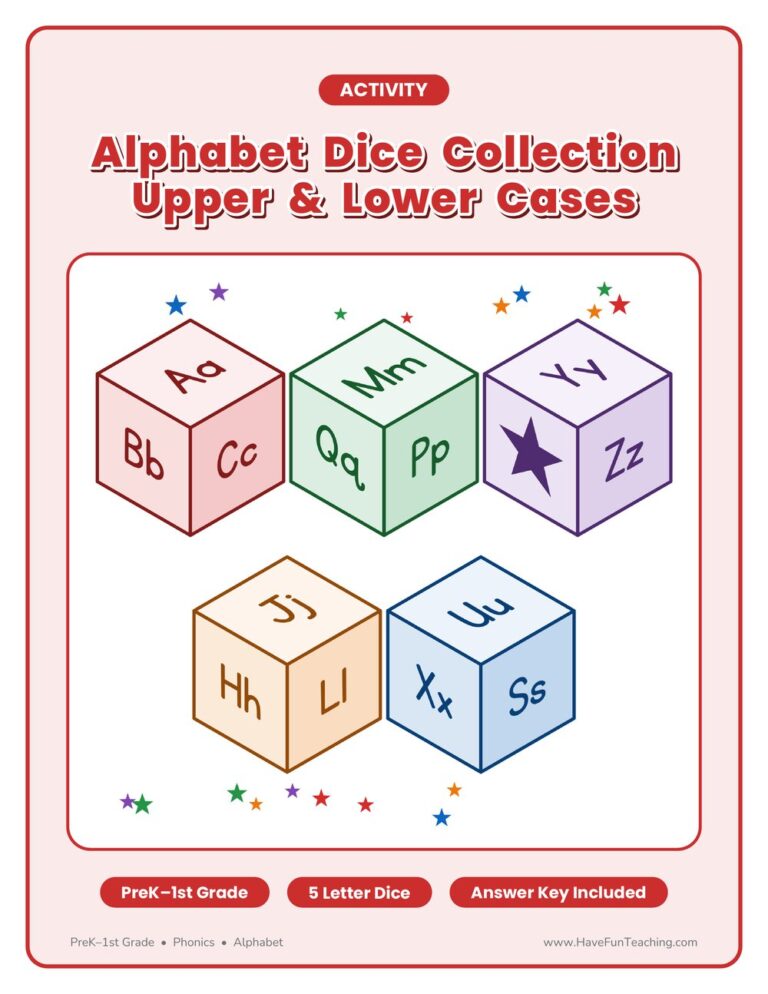
ActivityPreschoolAlphabet Dice Collection Upper & Lower Cases

This alphabet dice activity has children roll, name, and match uppercase and lowercase letters for Preschool to 1st Grade, with an answer key included for quick checking.

Activity
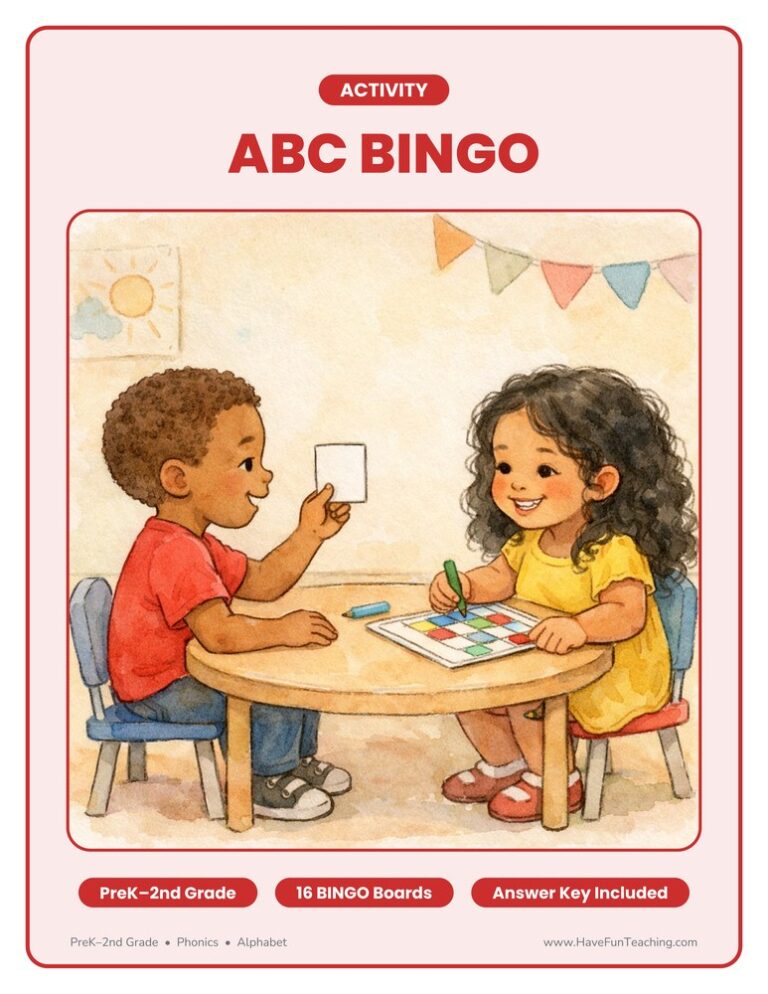
ActivityPreschoolAlphabet BINGO

This alphabet bingo activity helps children find and name lowercase letters with 16 game boards. Made for Preschool to 2nd Grade, with a practice page and answer key included.

Activity
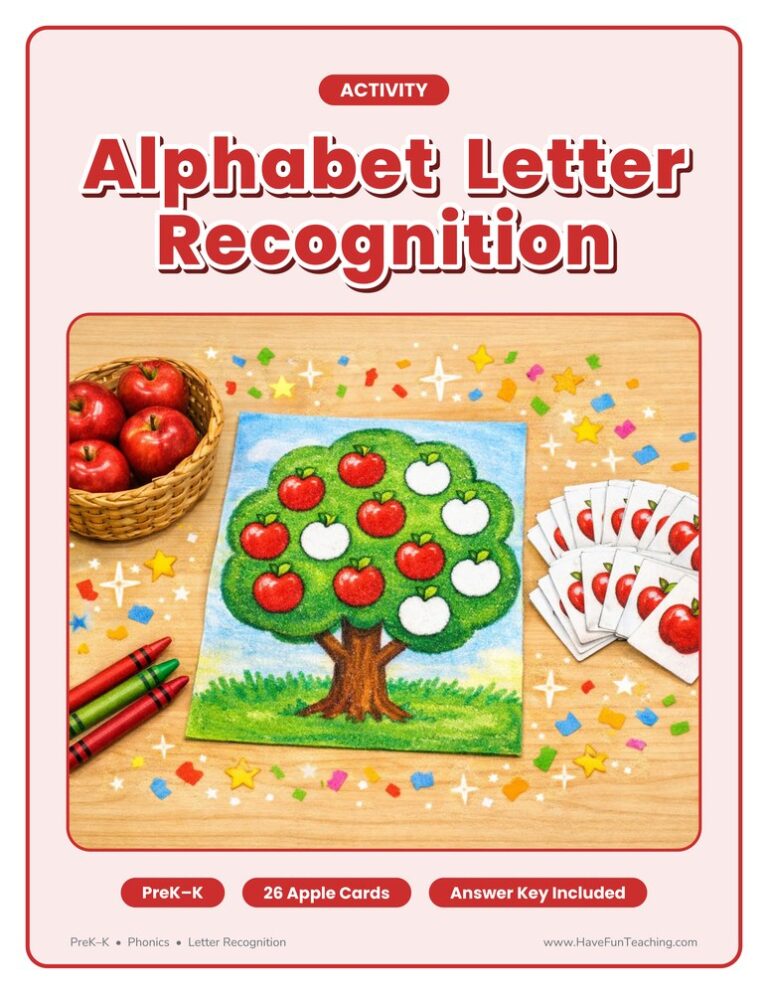
ActivityPreschoolAlphabet Letter Recognition Activity

This alphabet letter recognition activity for Preschool and Kindergarten has kids match lowercase apple cards to capital letters on an apple board. Answer key included.

Activity
ActivityPreschoolFarm Alphabet Letter Matching Activity

This farm alphabet letter matching activity helps preschool to 1st grade children match uppercase and lowercase letters on a fun farm board. A practice page and an answer key are included.

Activity
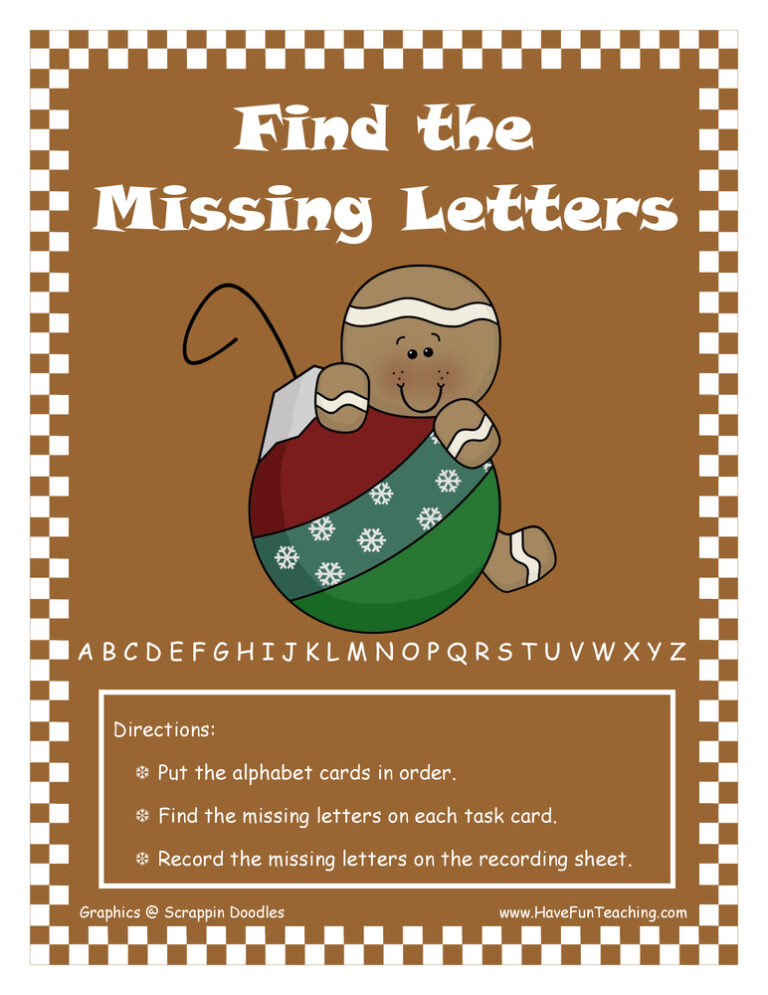
ActivityPreschoolFind the Missing Letters Sequencing Activity

UsingFind the Missing Letters Sequencing Activity, students place alphabet letter cards to complete the alphabet sequences.

Activity
ActivityPreschoolRF.K.3 Common Core Activity

This RF.K.3 common core activity has preschool and kindergarten students sort 26 picture cards onto letter cards by beginning sound. Answer key included, so practice stays quick and fun.

Activity
ActivityPreschoolUppercase Letters Activity

This uppercase letters activity is a Gumball Hunt card game for Preschool to 1st grade that helps children name all 26 capital letters. A practice page and answer key are included.

Activity
ActivityPreschoolAlphabet Letter Match Up Activity

Using Alphabet Letter Match Up Activity, students match uppercase and lowercase letters to build letter recognition skills.

Activity
ActivityPreschoolStar Alphabet Matching Activity

Using Star Alphabet Matching Activity, students matching uppercase and lowercase letters to build letter recognition skills.

From our teachers' playbook

A is for a lot of fun!

What do preschoolers learn about the alphabet?

Preschool is where the alphabet comes alive. Kids sing the ABC song, start to recognize uppercase letters, and spot the letters in their own name first. Little by little, they match uppercase to lowercase and learn that each letter makes a sound: B says /b/ like ball. They also trace and try writing a few letters. The big step is moving from singing the song as one long word to knowing each letter on its own, and that L, M, N, O and P are five different letters!

Our favorite ways to teach the preschool alphabet

Little learners pick up letters through music, movement and games. These are our go-to moves.

A song for every letter

Pick one letter song for the week and sing it every morning. Hold up the letter card and have kids make the sound together. A song per letter gives each one its own personality, so kids stop blurring them together.

Why it works: words set to a repeating melody are easier to recall than the same words spoken (Wallace, 1994).
Letter A Song (Original Music Video)Try it withLetter A Song (Original Music Video)SongsOpen it →
Letter game of the day

Play a short letter game right after the song. Kids find, tap or catch the letter of the week. Two or three minutes is plenty for little attention spans.

Why it works: playful practice with a clear goal keeps kids practicing longer, and simple learning games have been shown to build real skills (Ramani and Siegler, 2008).

Letter A GameTry it withLetter A GameGamesOpen it →

Match the letters

Give kids a set of uppercase letter pieces to match onto a mat. Start with just five letters, including the first letter of their name. Small sets build confidence, and you can add more as they master them.

Why it works: kids understand an idea best when they touch it, then draw it, then write it, the order the U.S. Department of Education recommends for elementary math.

Alphabet Uppercase Letter Matching ActivityTry it withAlphabet Uppercase Letter Matching ActivityActivitiesOpen it →

Preschool alphabet questions we hear a lot

How many letters should a preschooler know?

There's no single number. Many 4-year-olds recognize several letters, especially the ones in their name, and many know most uppercase letters by the end of preschool. Progress varies a lot at this age.

Should I teach uppercase or lowercase letters first?

Many preschool teachers start with uppercase because the letters are easier to tell apart and write. Then they introduce lowercase as kids are ready, matching each pair.

What's the best way to teach a preschooler the alphabet?

Keep it playful and short. Sing letter songs, point out letters on signs and books, and start with the letters in your child's name. A few minutes every day beats a long lesson.

When should a child know the alphabet?

Most children learn to recognize and name most letters between ages 4 and 6. Preschool is about building interest and familiarity, and kindergarten finishes the job.