
Skip to content
Start My 3 Free Days $0 today · cancel anytime

Preschool Reading Worksheets

19 preschool reading worksheets, covering reading comprehension, author’s purpose, text features, plus 9 more topics. How teachers use these

Preschool Reading Worksheets

19 preschool reading worksheets, covering reading comprehension, author’s purpose, text features, plus 9 more topics. How teachers use these

Worksheet
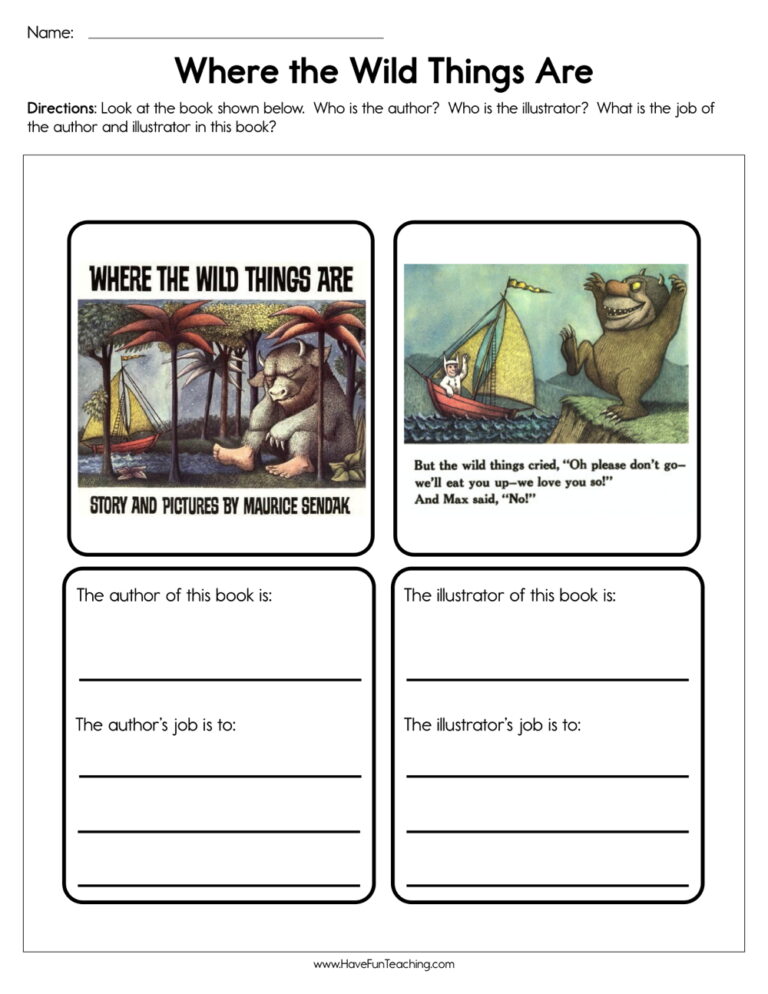
WorksheetPreschoolWhere the Wild Things Are Worksheet

Using this Where the Wild Things Are Worksheet, students describe the title, author, and illustrator of Where the Wild Things Are.

Worksheet
WorksheetPreschoolChrysanthemum Worksheet

Using Chrysanthemum Worksheet, students read Chrysanthemum and describe what she says and does when her school friends make fun of her adored name.

Worksheet
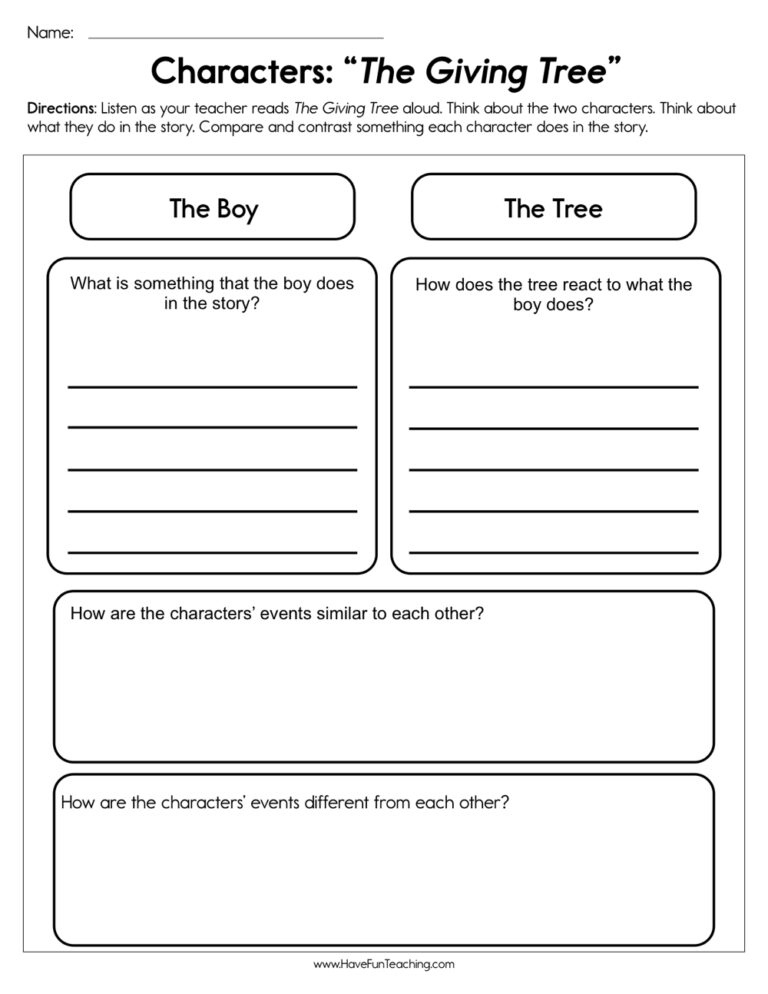
WorksheetPreschoolCharacters The Giving Tree Worksheet

Using Characters, Settings, and Big Events Worksheet, students draw pictures and write a sentence for each to tell about the story elements in a book.

Worksheet
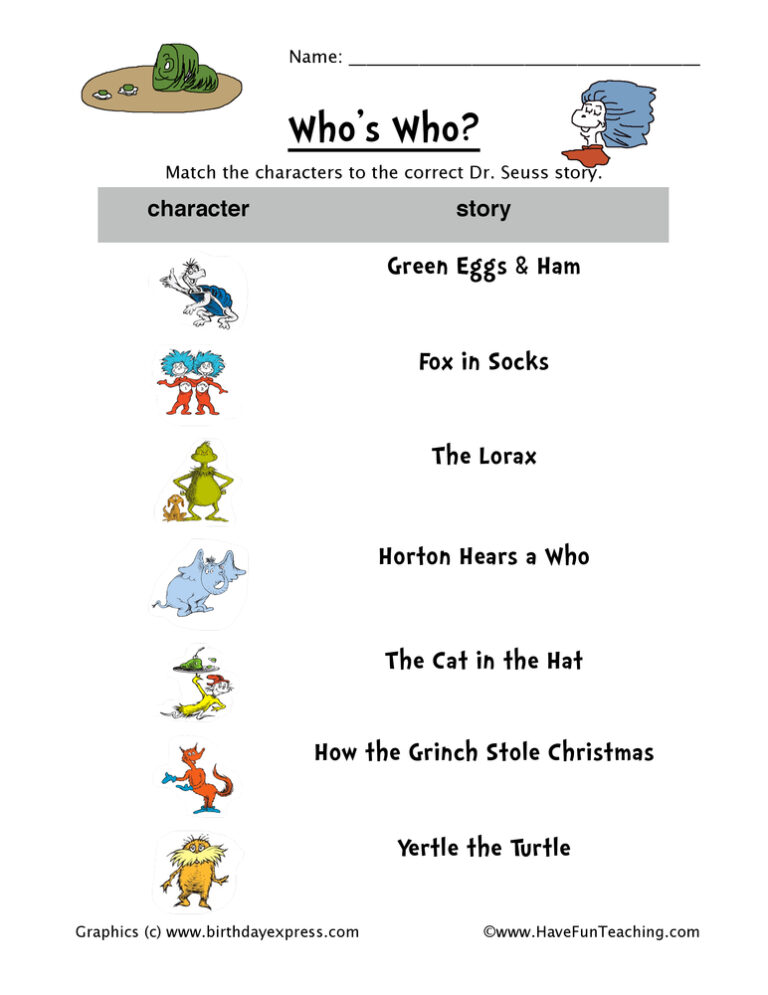
WorksheetPreschoolDr. Seuss Picture Characters Matching Worksheet

Using Dr. Seuss Picture Characters Matching Worksheet, students match the Dr. Seuss character pictures to the correct Dr Seuss story.

Worksheet
WorksheetPreschool100th Day of School Party Worksheet

This 100th Day of School Party Worksheet is a great way to teach your kids about the author and illustrator of a book to celebrate the 100th day of school.

Worksheet
WorksheetPreschoolPicnic Day Rebus Worksheet

A sunny Picnic Day rebus worksheet that helps preschoolers read picture sentences, match pictures to words, and build early reading confidence. Answer key included.

Worksheet
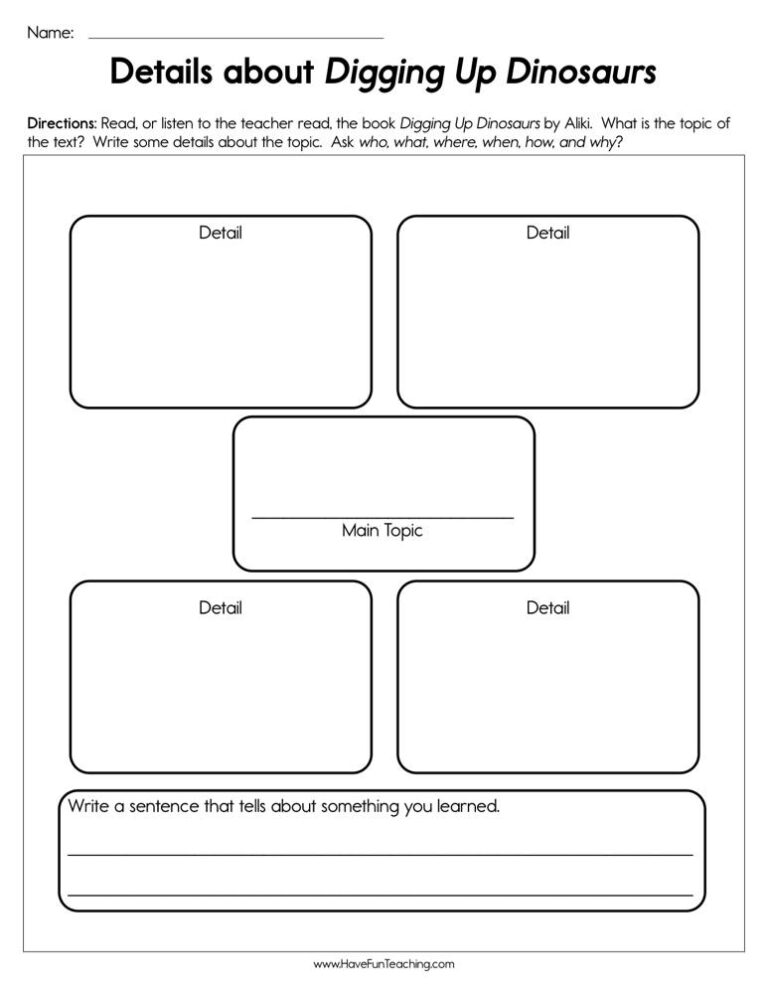
WorksheetPreschoolDetails about Digging Up Dinosaurs Worksheet

This Details about Digging Up Dinosaurs Worksheet helps students identify the main idea and key details while reading a passage about dinosaurs.

Worksheet
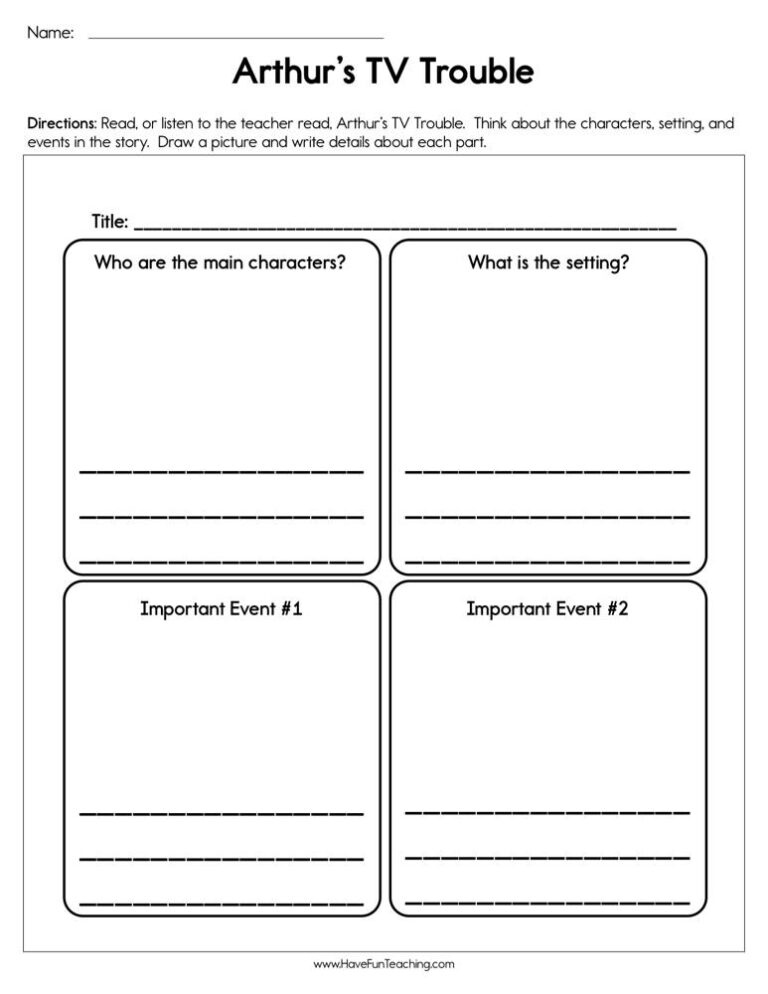
WorksheetPreschoolArthur's TV Trouble Worksheet

Using Arthur's TV Trouble Worksheet,students retell the story by describing the story elements of any given story to build their reading comprehension.

Worksheet
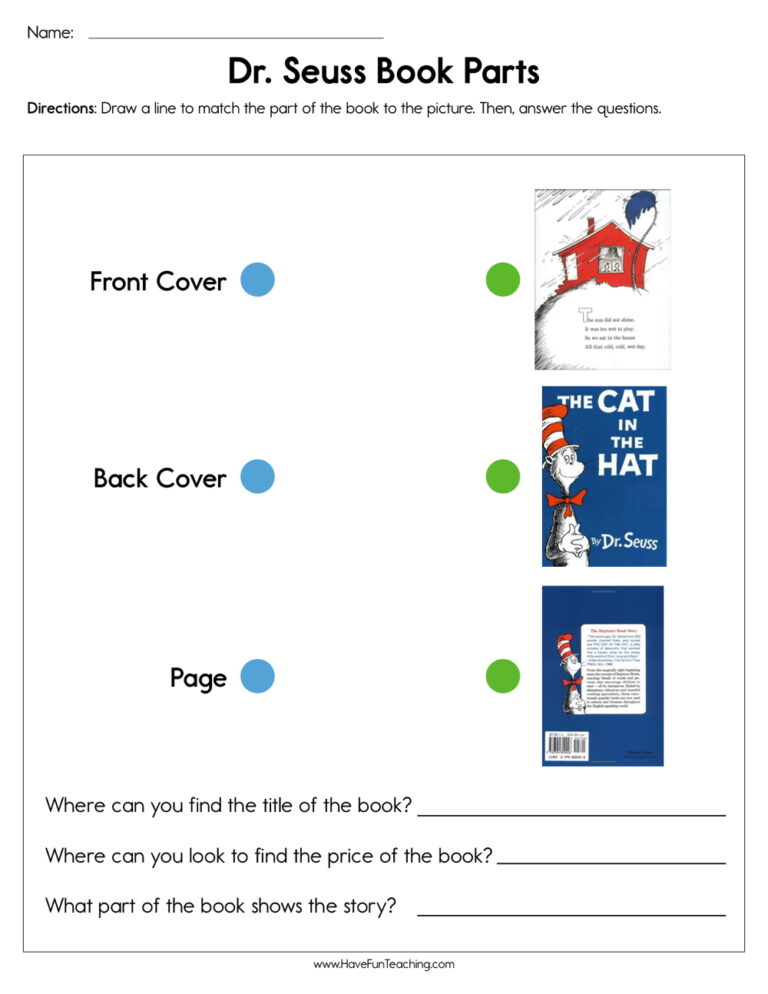
WorksheetPreschoolDr. Seuss Book Parts Worksheet

Using Dr. Seuss Book Parts Worksheet, studentsidentify the front cover, back cover, and page of a book to gather information about what they will read.

Worksheet
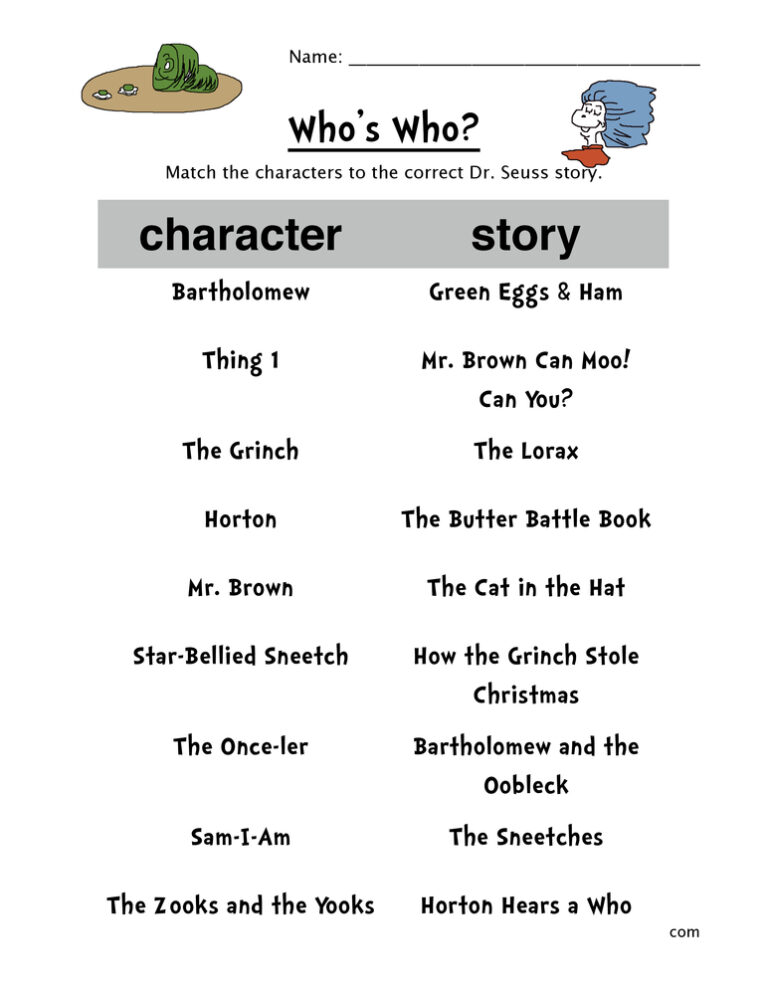
WorksheetPreschoolDr. Seuss Characters Matching Worksheet

Using Dr. Seuss Characters Matching Worksheet, students match the Dr. Seuss character pictures to the correct Dr Seuss story.

Worksheet
WorksheetPreschoolAmelia Bedelia Author and Illustrator Worksheet

Using this Amelia Bedelia Author and Illustrator Worksheet, students describe the title, author, and illustrator of an Amelia Bedelia book.

Worksheet
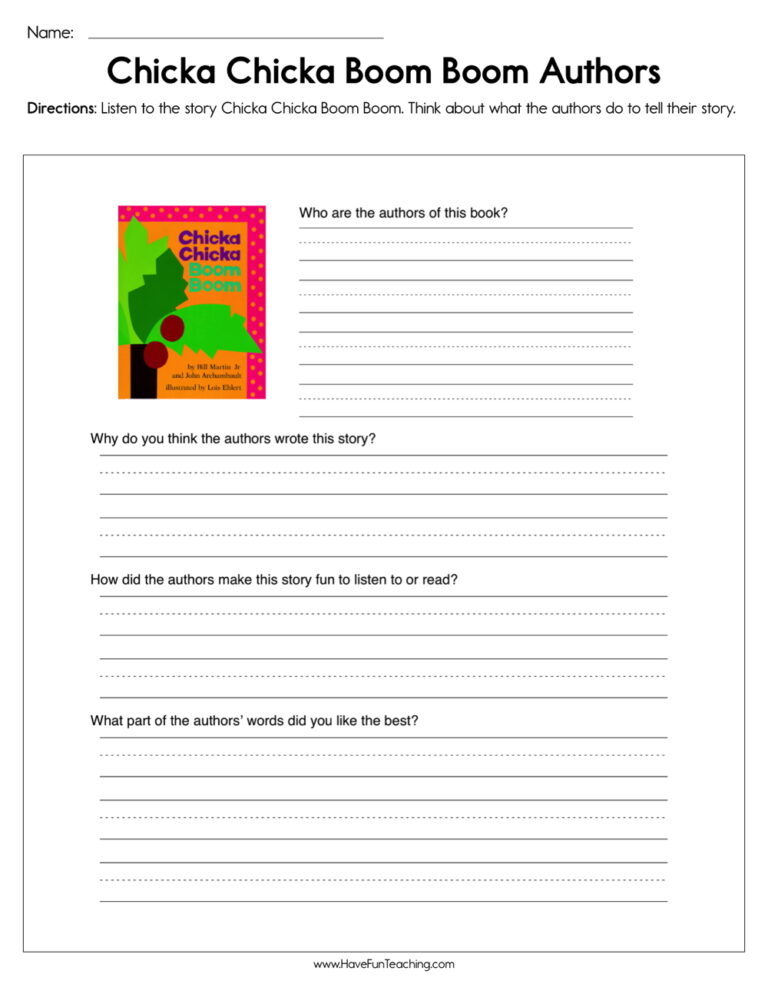
WorksheetPreschoolChicka Chicka Boom Boom Authors Worksheet

Using this Chicka Chicka Boom Boom Authors Worksheet, students describe what authors do to tell their story.

From our teachers' playbook

Letters, rhymes and first words

What do preschoolers learn in reading?

Preschool reading isn't about reading books alone yet. It's about building everything that comes first. Little ones learn the alphabet, letter names and sounds, and hear rhymes (cat, hat, bat!). They learn how books work: front to back, top to bottom, words go left to right. Many start recognizing a few sight words like I, the and look, and they retell stories in order: first, next, last. The click moment is a child pointing at a sign and shouting, "That's an S! Sss, like my name!"

Our favorite ways to grow preschool readers

Preschoolers learn to read through songs, stories and play. These are our everyday moves.

Sing the alphabet, every day

Start each day with one alphabet song video and pause on the letter of the day. Kids say its name, its sound and a word that starts with it. Daily repetition with music is how those 26 letters become friends.

Why it works: a catchy, repeating tune gives the brain a hook to hang words on, so sung text is remembered better (Wallace, 1994).

Alphabet Songs (Animated Video Collection)Try it withAlphabet Songs (Animated Video Collection)SongsOpen it →

See it, sing it, find it

Play the Look Song, then hold up the word "look" on a card. Kids hunt for it in a big picture book during read-aloud and cheer each time they spot it. Hearing, seeing and finding the word builds real recognition.

Why it works: children learn more from words and pictures together than from words alone (Mayer, 2009).

Look Song (Animated Music Video)Try it withLook Song (Animated Music Video)VideosOpen it →

Retell with pictures

After a story, give kids three picture cards to put in order: first, next, last. Then they retell the story using the cards. Sequencing builds comprehension long before kids can read the words.

Why it works: the U.S. Department of Education's guide for teaching elementary math recommends moving from hands-on objects to drawings to numbers.

Sequence of Events ActivityTry it withSequence of Events ActivityActivitiesOpen it →

Questions teachers and parents ask

What should a preschooler know about reading?

Most preschoolers work on letter names and sounds, rhyming, how books work, and retelling simple stories. Some recognize a few sight words, but reading on their own usually comes later.

At what age should kids learn the alphabet?

Many children learn to sing the alphabet around 3 and recognize most letters by 4 or 5. Every child is different, and lots of playful exposure matters more than a deadline.

How can I help my preschooler get ready to read?

Read aloud every day, sing alphabet songs, point to words as you read and play rhyming games. Talking a lot together builds the vocabulary readers need.

Should preschoolers learn sight words?

A few simple sight words like I, the and look can be fun and confidence-building. Keep it playful, and focus most on letters, sounds and rhyming.



