Skip to content
Start My 3 Free Days $0 today · cancel anytime

Reading Lesson Plans

12 reading lesson plans. Teacher favorites: Blank Lesson Plan and Short Vowel A Lesson Plan. How teachers use these

Reading Lesson Plans

12 reading lesson plans. Teacher favorites: Blank Lesson Plan and Short Vowel A Lesson Plan. How teachers use these

Lesson Plan
Lesson PlanPreschoolBlank Lesson Plan

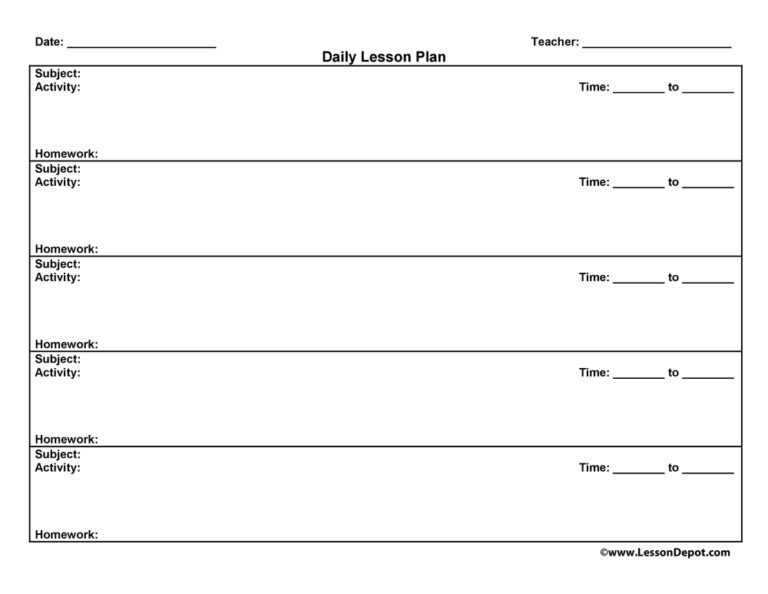
Using this Blank Lesson Plan template, you will be able to plan your lessons for the entire week for six different subjects.

Lesson Plan
Lesson PlanPreschoolShort Vowel A Lesson Plan

This Short Vowel A Lesson Plan includes an entire lesson that teaches all about the short vowel a. This lesson plan will make your job easy!

Lesson Plan
Lesson PlanPreschoolSingle Lesson Plan Template

Using this Single Lesson Plan Template, you will be able to plan lessons that best meet your students and have all of the information you need in one place!

Lesson Plan
Lesson PlanKindergartenCommon Core Unit Lesson Plan Template

With our Common Core Unit Lesson Plan Template, you can develop your monthly lessons across a specific unit. First, you will pick the theme of your unit.

Lesson Plan
Lesson PlanPreschool5 Subject Lesson Plan Template

Using this 5 Subject Lesson Plan Template, teachers will be able to keep track of your lesson plans for five subjects that they prepare to teach.

Lesson Plan
Lesson PlanPreschoolESOL Strategies Lesson Plan Template

Using this ESOL Strategies Lesson Plan Template, you will be able to plan lessons that best meet your ESL students and have all of the information you need in one place!

Lesson Plan
Lesson PlanKindergartenCommon Core Daily Lesson Plan Template

With our Common Core Daily Lesson Plan Template, you will develop an Objective based on a Common Core Standard. Next, you will use the subject column

Lesson Plan
Lesson PlanKindergartenCommon Core Lesson Plan Template

With our Common Core Lesson Plan Template, you can develop your weekly lessons across multiple subjects. First, you will date your Lesson Plan and label

Lesson Plan
Lesson PlanKindergartenSyllables Lesson Plan

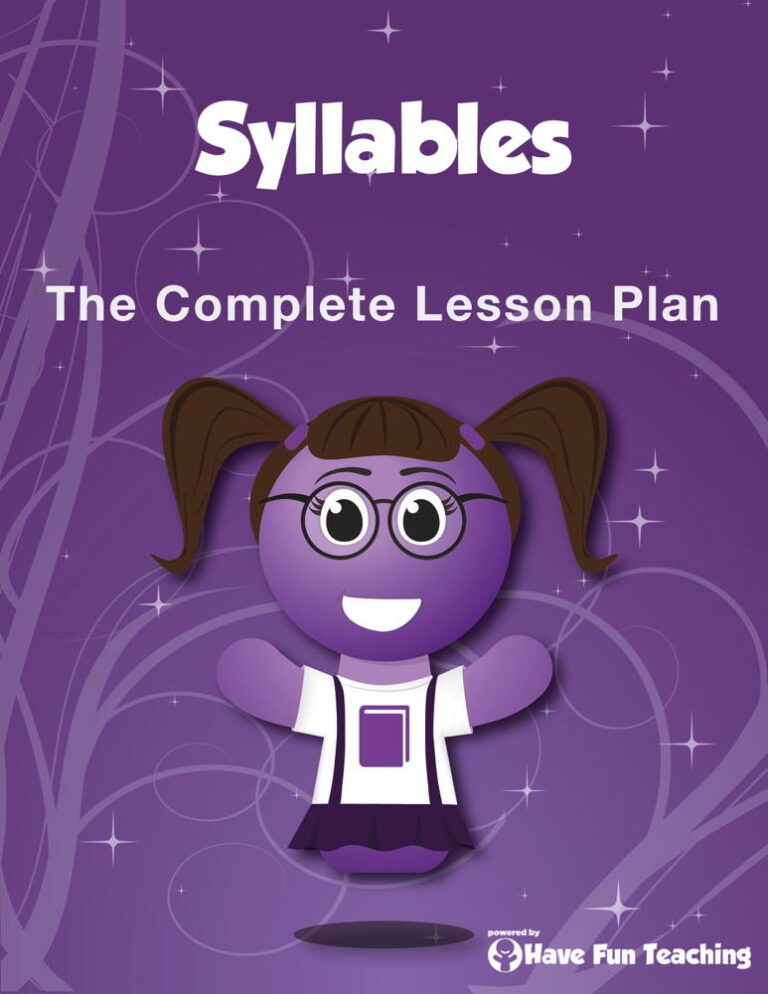
Materials available in this Syllables Lesson Plan include Syllables Activities and Syllables Worksheets. We also provide you with a lesson plan that include

Lesson Plan
Lesson PlanPreschoolSilent Vowel E Lesson Plan

This Silent Vowel E Lesson Plan includes an entire lesson that teaches all about the short vowel a. This lesson plan will make your job easy!

Lesson Plan
Lesson PlanPreschoolCommon Core Standards Lesson Plan Template

Using this Common Core Standards Lesson Plan Template, teachers will be able to keep track of your lesson plans and the state standards that you are using.

Lesson Plan
Lesson PlanKindergartenCommon Core Monthly Lesson Plan Template

With our Common Core Monthly Lesson Plan Template, you can develop your monthly lessons across multiple subjects. First, you will date your Lesson Plan and

From our teachers' playbook

Raising readers, one page at a time

What do kids learn in reading?

Reading has a few big parts that grow together. Kids learn to decode words with phonics and recognize sight words like the, said, was on the spot. They build fluency so reading sounds smooth, and vocabulary so they can figure out new words from context clues. Then comes comprehension: story elements, cause and effect, fiction versus nonfiction, and the author's purpose. The best moment of all? When a child picks up a book just because they want to.

Our favorite ways to grow strong readers

Every one of these moves works from kindergarten on up. Pick one and try it this week.

Snap the sight words

Pull ten words from Fry's 300 list each week and flash them in a quick daily round. Words a child reads instantly go in the "got it" pile. Watch the pile grow and celebrate every new word.

Why it works: a big review of study methods ranked quick self-quizzing among the most powerful ways to remember (Dunlosky and colleagues, 2013).
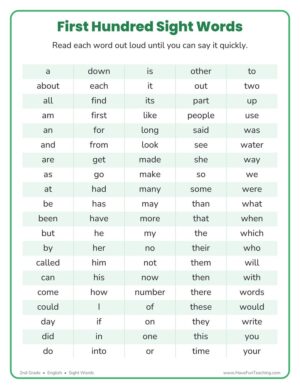
Fry's 300 Sight Words ListTry it withFry's 300 Sight Words ListWorksheetsOpen it →
Map the text

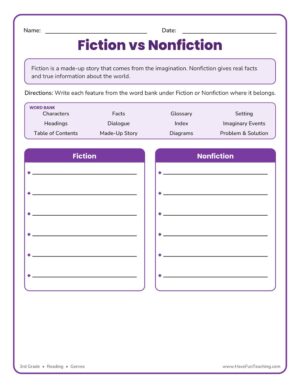
Before reading, ask "Is this fiction or nonfiction? How can you tell?" Then use the fiction and nonfiction features page to spot headings, captions and characters. Seeing a text's structure helps kids know what to look for.

Why it works: pairing a picture with each word gives kids two ways to remember it, a well-tested principle of how people learn (Mayer, 2009).

Fiction and Nonfiction Features WorksheetTry it withFiction and Nonfiction Features WorksheetWorksheetsOpen it →

Show the "because"

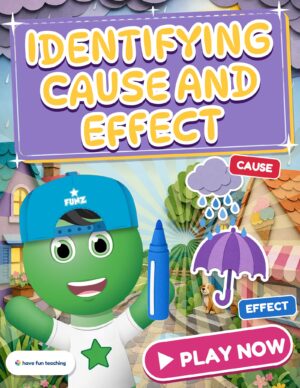
Read a short passage aloud and stop at a key event: "The dog was muddy because..." Have kids finish the sentence from the text. Model a few, then let them try on the cause and effect worksheet.

Why it works: showing first, practicing together, then letting kids try alone is the "gradual release" model teachers have relied on for decades (Pearson and Gallagher, 1983).

Identifying Cause and Effect WorksheetTry it withIdentifying Cause and Effect WorksheetWorksheetsOpen it →

What's on this page

Teacher favorites right now: Blank Lesson Plan, Short Vowel A Lesson Plan and Single Lesson Plan Template.

Questions parents and teachers ask about reading

What are the five parts of reading?

Phonemic awareness, phonics, fluency, vocabulary and comprehension. Kids need all five, and they grow together from preschool through upper elementary.

How can I help my child become a better reader?

Read aloud every day, let them read to you, and talk about the story. Practice sight words for a few minutes and keep books they love nearby.

What are sight words?

Sight words are common words kids learn to read instantly, like the, and, was and said. Many don't follow regular phonics rules, so quick recognition helps reading flow.

How long should my child read each day?

A short daily habit matters most. Even 10 to 20 minutes of reading together or alone every day builds skill and confidence over the year.

Keep exploring