
3 days free
Ready for the whole library?
You’ve had your freebie — but members download 10,000+ resources for every grade, all year long. Try it free — $0 today, cancel anytime.
Free for teachers
Pick your grade. We’ll send 10 free resources.
Worksheets, activities and a video — picked for your classroom, ready to print tonight.
One free bundle per teacher. We’ll also send free teaching ideas each week — unsubscribe anytime.



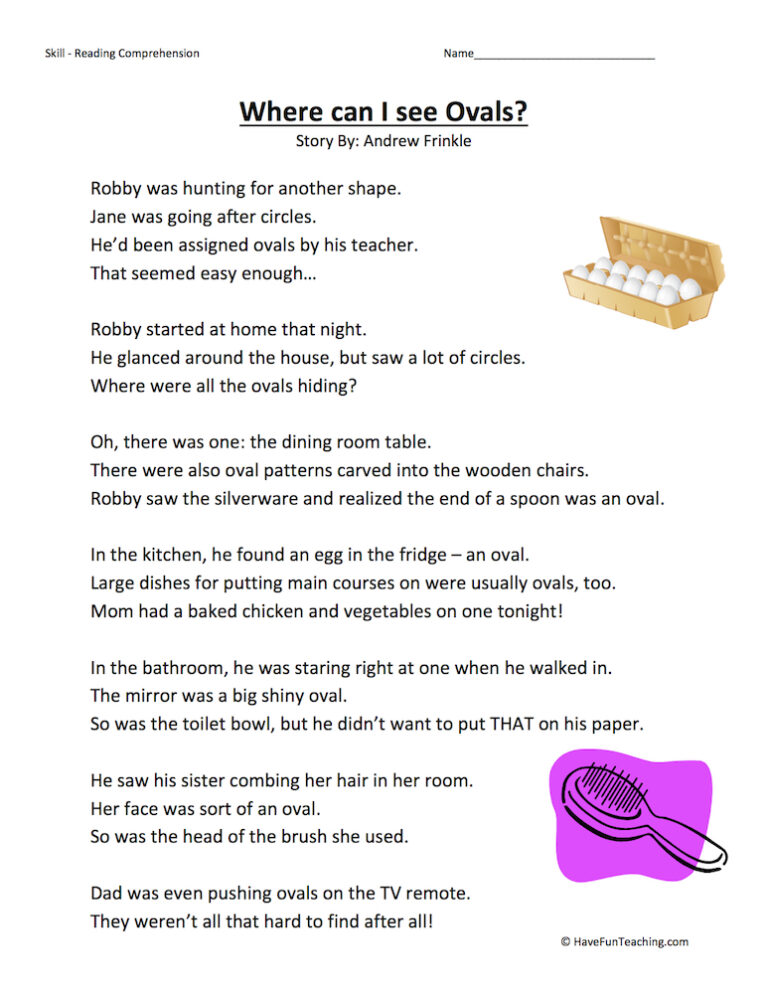
The Where Can I See Ovals? Reading Comprehension Worksheet gives 3rd grade readers a nonfiction passage about ovals in everyday life, four comprehension questions, a vocabulary item, a written response, and an answer key.
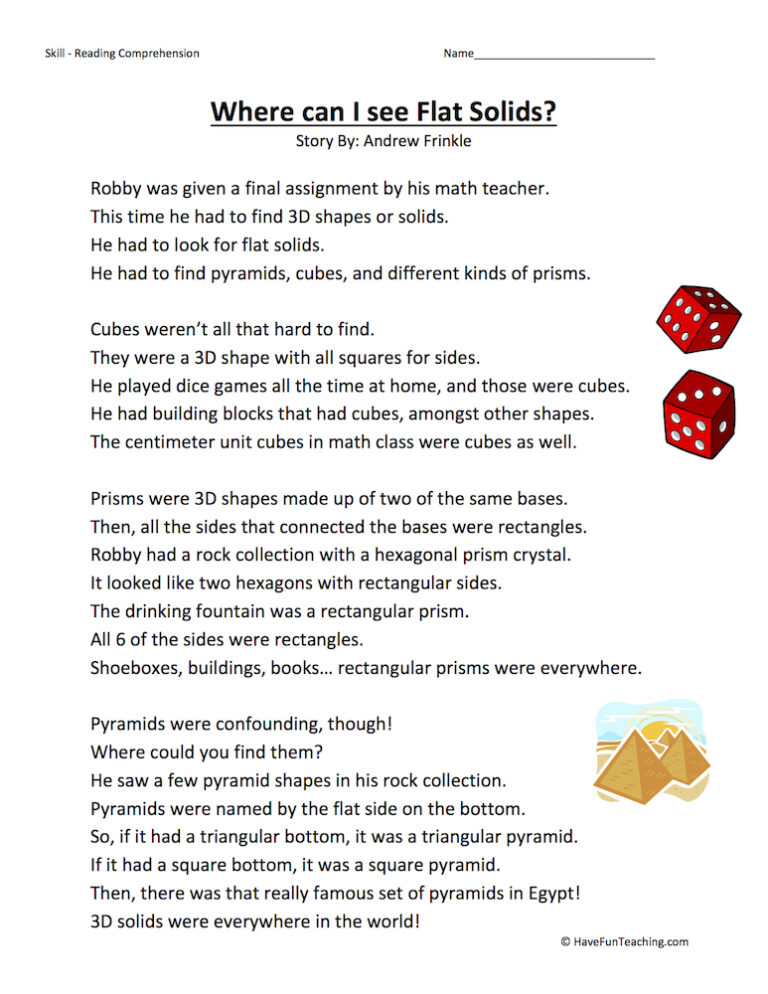
The Where Can I See Flat Solids? Reading Comprehension Worksheet gives 3rd grade readers a nonfiction passage about flat solids in everyday life, four comprehension questions, a vocabulary item, a written response, and an answer key.

The Where Can I See Squares? Reading Comprehension Worksheet gives 3rd grade readers a nonfiction passage about squares in everyday life, four comprehension questions, a vocabulary item, a written response, and an answer key.
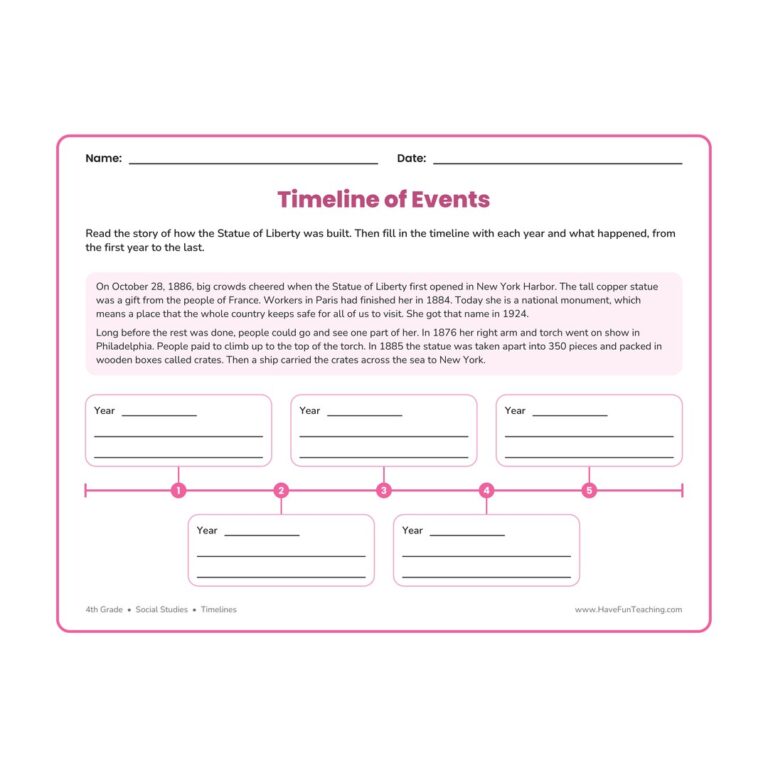
This history horizontal timeline of events graphic organizer worksheet has 4th graders read about the Statue of Liberty and place five dated events in order. An answer key is included for quick checking.

A Dairy Time reading comprehension worksheet for 3rd grade: read a farm story about how a cow's milk becomes butter and cheese, then answer six questions. Answer key included to make checking quick.
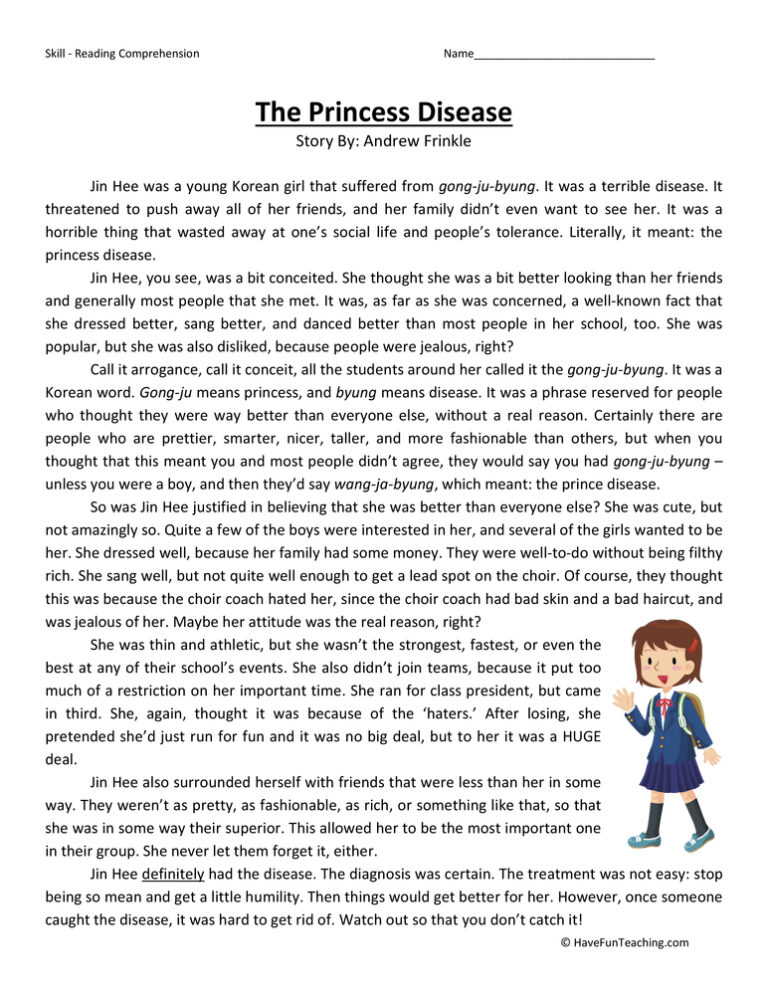
This Princess Disease Reading Comprehension Worksheet gives 5th graders a two-page passage about conceit and humility, then checks understanding with questions and a written answer. Answer key included for easy grading.
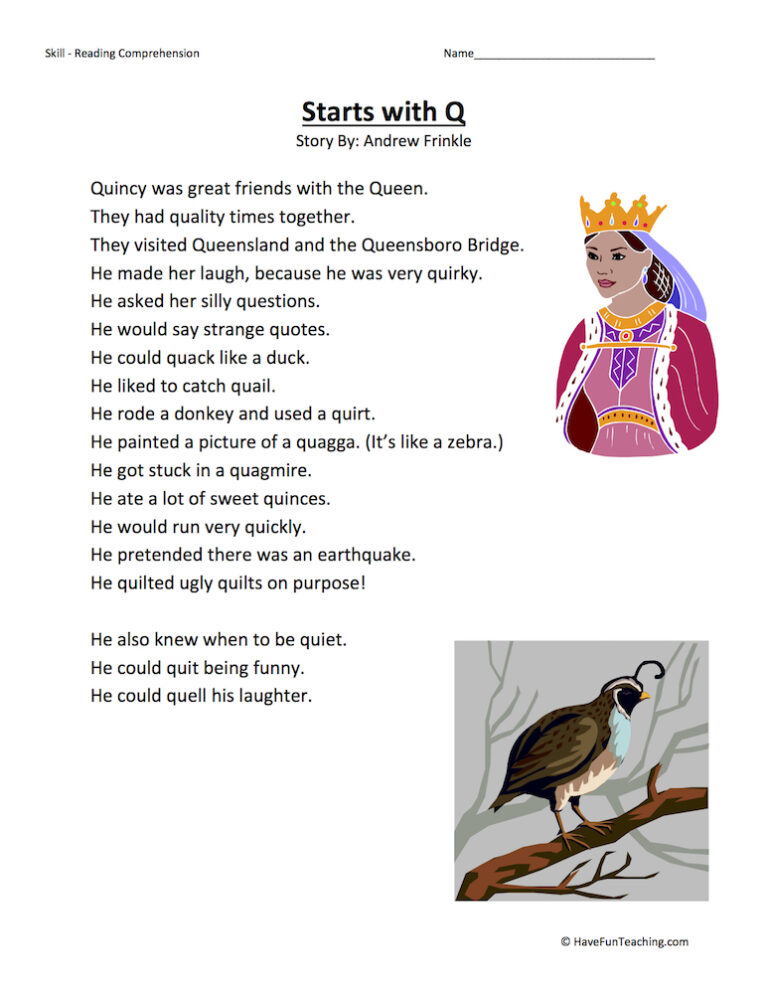
The Starts With Q Reading Comprehension Worksheet gives 2nd Grade readers a story full of Q words, five questions about the text, and an answer key for quick checking.
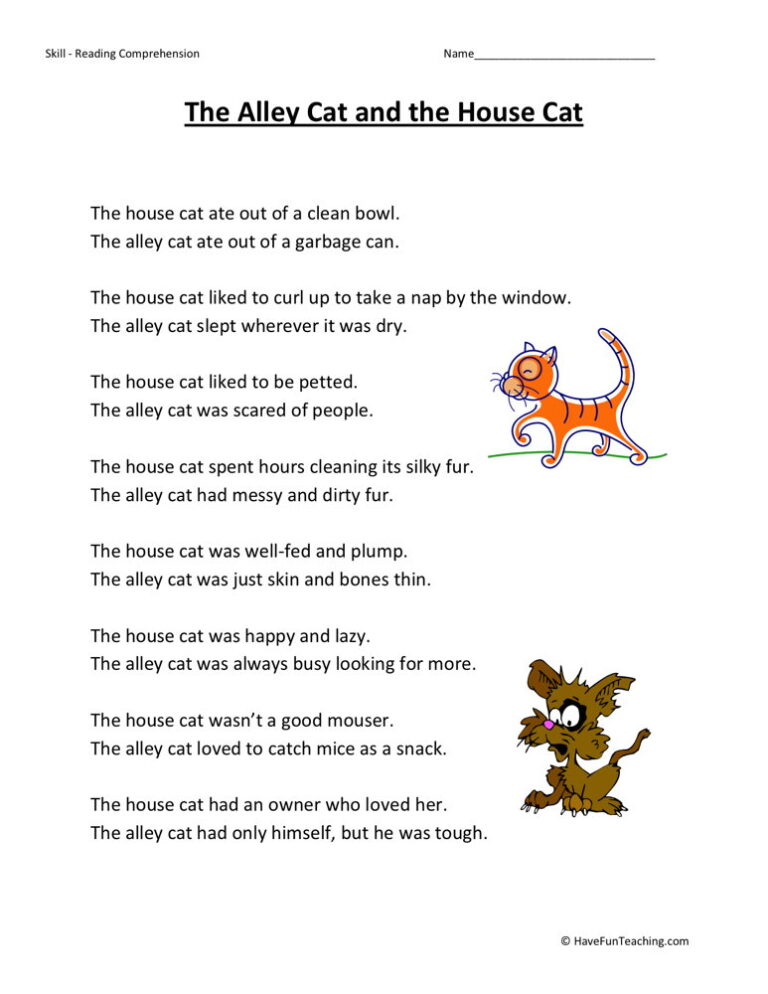
This Alley Cat and House Cat Reading Comprehension Worksheet gives 2nd graders a story about two very different cats, four bubble questions, a compare-and-contrast response, and an answer key.

Use this making juice reading comprehension worksheet to help 3rd graders follow a how-to text about blueberry juice, answer sequence questions, and check their work with the included answer key.

The You Make The Call Inferences Worksheet has 2nd graders read short stories, spot the clues, and predict what happens next. An answer key is included, making prediction practice quick to check.
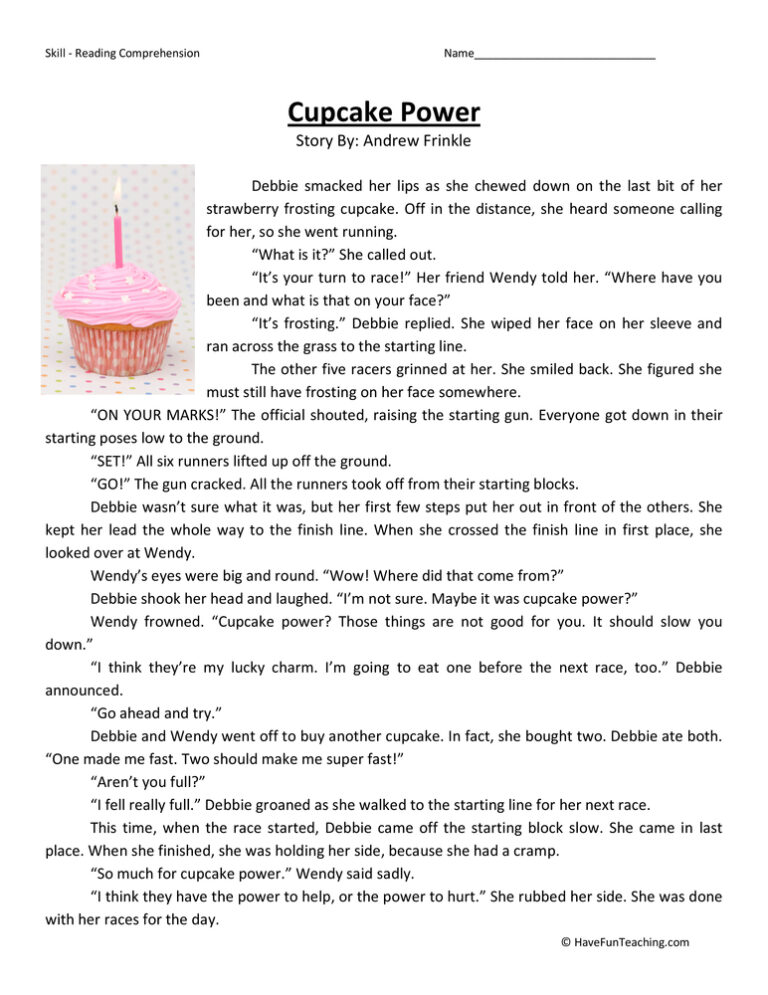
This Cupcake Power Reading Comprehension Worksheet gives 2nd Grade readers a short nonfiction text about what makes a cupcake rise, five questions, and an answer key, so students practice finding evidence in what they read.
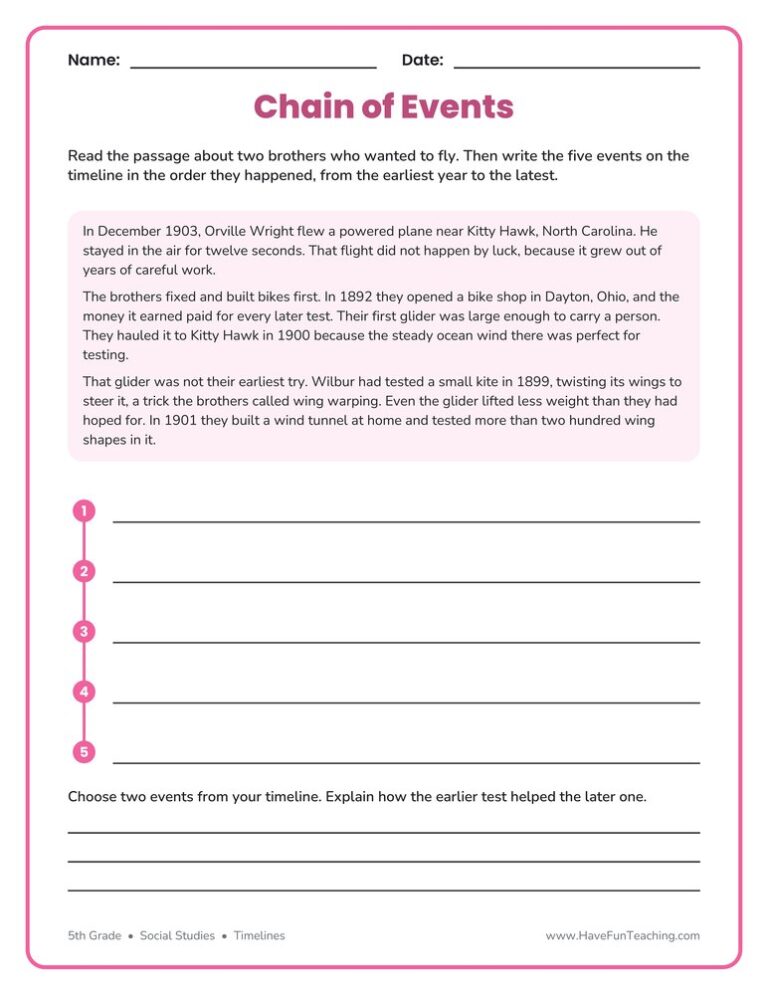
This History Vertical Timeline of Events Graphic Organizer Worksheet has 5th graders read a short Wright brothers passage and order five dated events on a vertical timeline. Answer key included.

This thanksgiving dinner reading comprehension worksheet gives 2nd graders a short holiday story with four multiple choice questions and one written response. An answer key is included, so comprehension practice takes no prep at all.

Using What Are They Reading by Genre Assessment Worksheet, students keep track of the stories they read this year by writing the title and the date the book was completed.

Using this Making a Point with Support Worksheet, students read an information text to determine the reasons why the author wrote the piece.

Using Story or Information Worksheet, students read to determine if the books provided are a story or an informational book.

Using Reading Sentences from Left to Right Worksheet, students read the sentences by moving from to left to right on the page with fluency and accuracy.
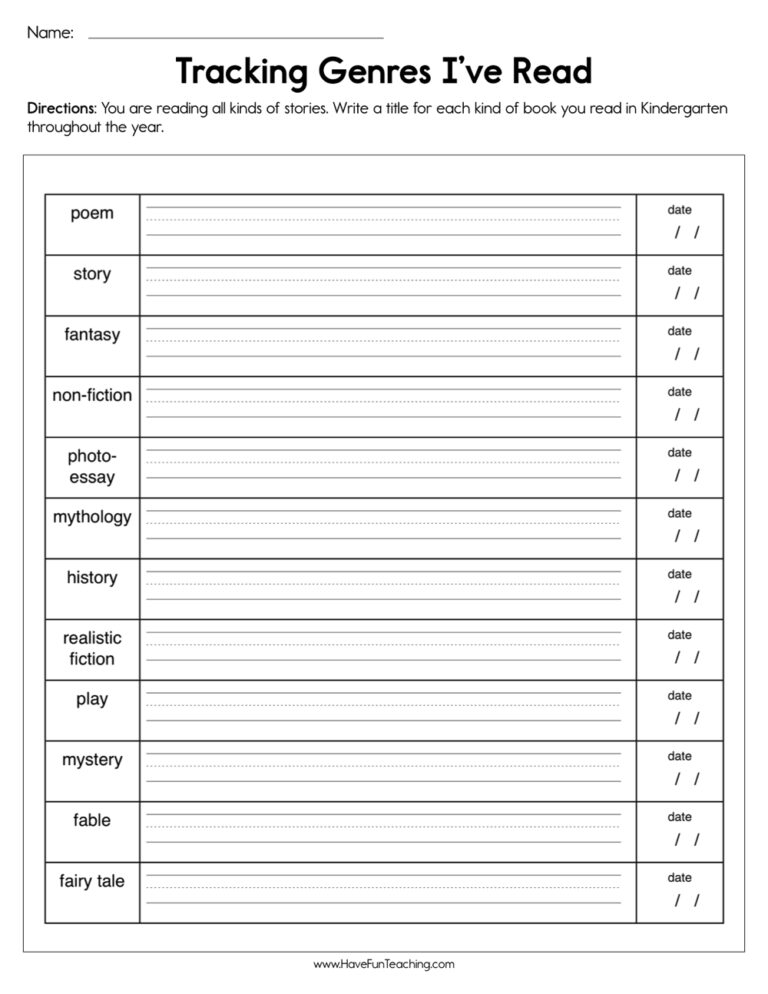
Using Tracking Genres I've Read Worksheet, students write examples of each kind of book that they have read throughout the year.
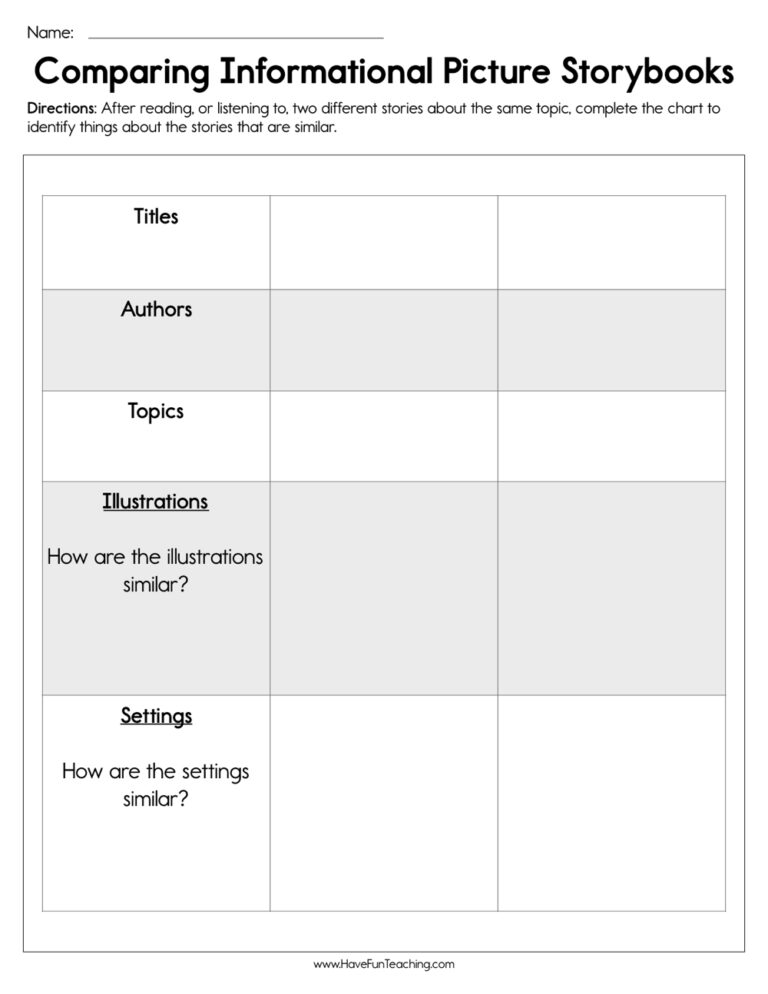
Using Comparing Informational Picture Storybooks Worksheet, students compare story elements intwo different stories about the same topic to determine how they are alike and different.
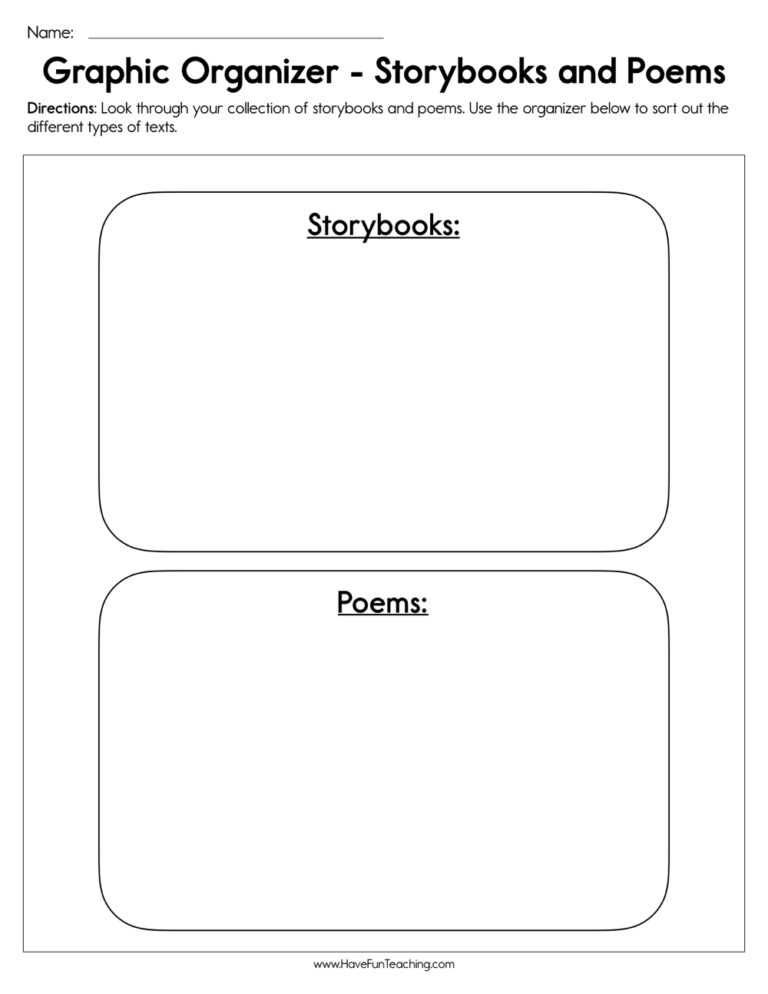
Using Story Books and Poems Graphic Organizer Worksheet, students use the organizer below to sort out the different types of texts that you found as they look through a collection of texts.



