3 days free
Ready for the whole library?
You’ve had your freebie — but members download 10,000+ resources for every grade, all year long. Try it free — $0 today, cancel anytime.
Free for teachers
Pick your grade. We’ll send 10 free resources.
Worksheets, activities and a video — picked for your classroom, ready to print tonight.
One free bundle per teacher. We’ll also send free teaching ideas each week — unsubscribe anytime.



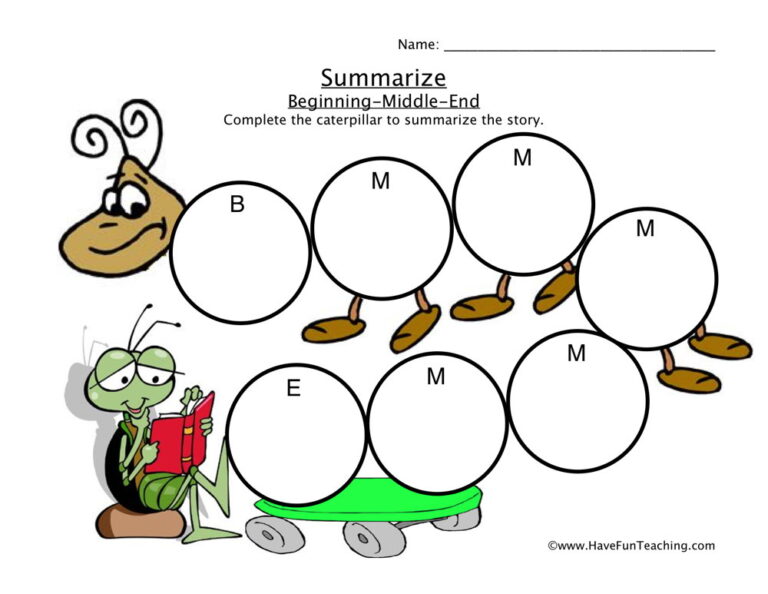
Using this Insect Beginning, Middle, End Worksheet, students describe the major events that occur in the beginning, middle, and end while reading.
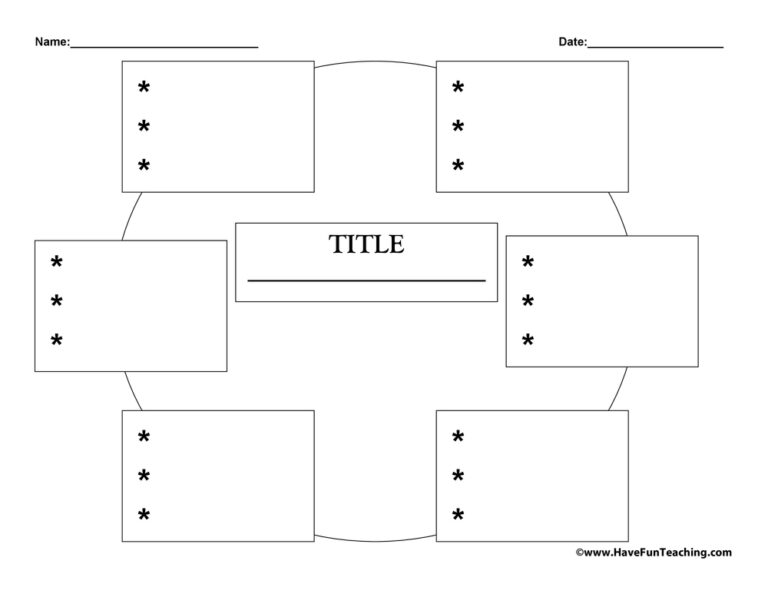
Using thisCircle Sequence Graphic Organizer, students organize the events in a book or story that they are reading using this graphic organizer.
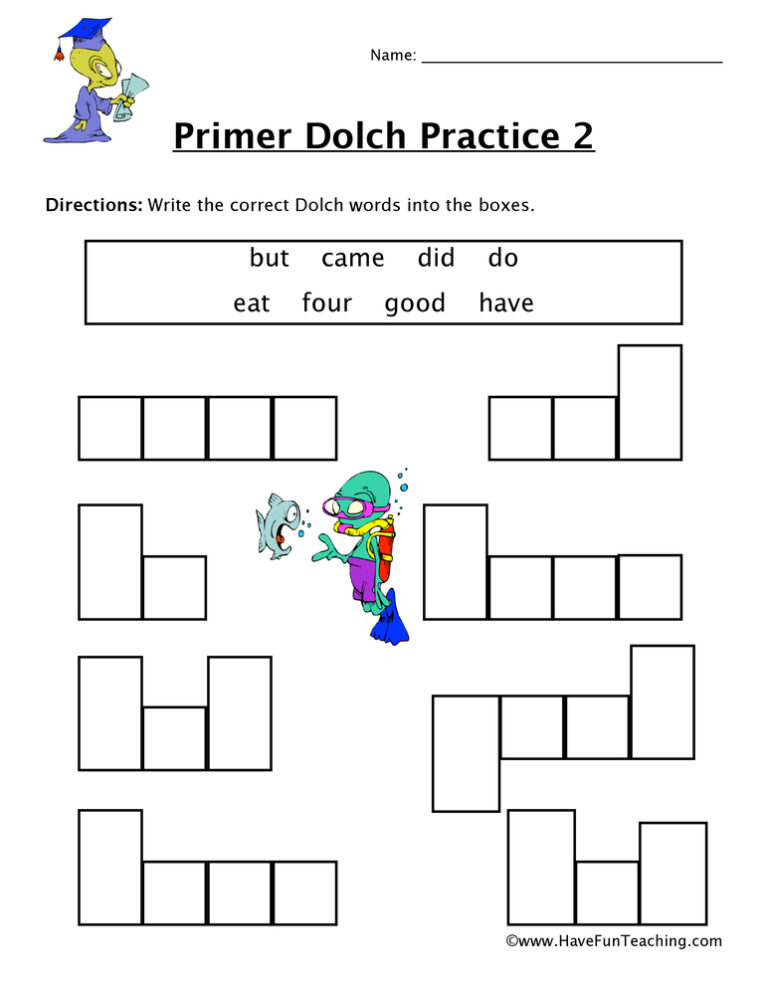
Using Kindergarten Sight Words B to H Worksheet, students write the correct Dolch words into the boxes to build sight word fluency.
Using Second Grade Sight Words Book, students practice sight words as they read this Second Grade Dolch Sight Word Book.
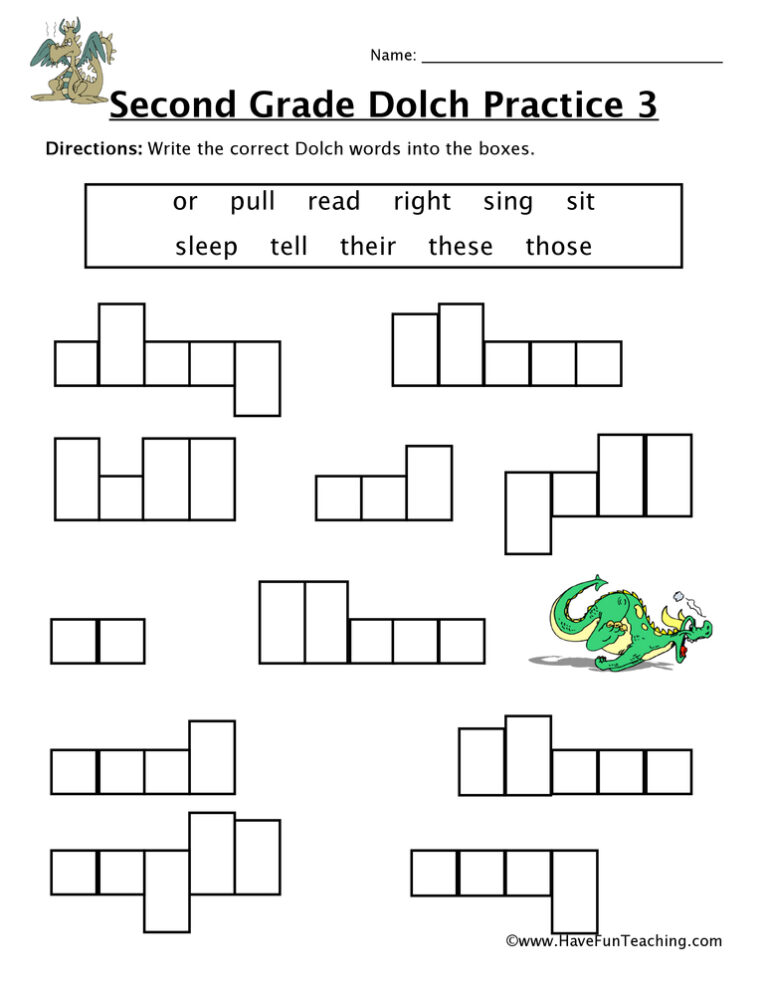
Using Second Grade Sight Words O to T Worksheet, students write the correct Dolch words into the boxes to build sight word fluency.
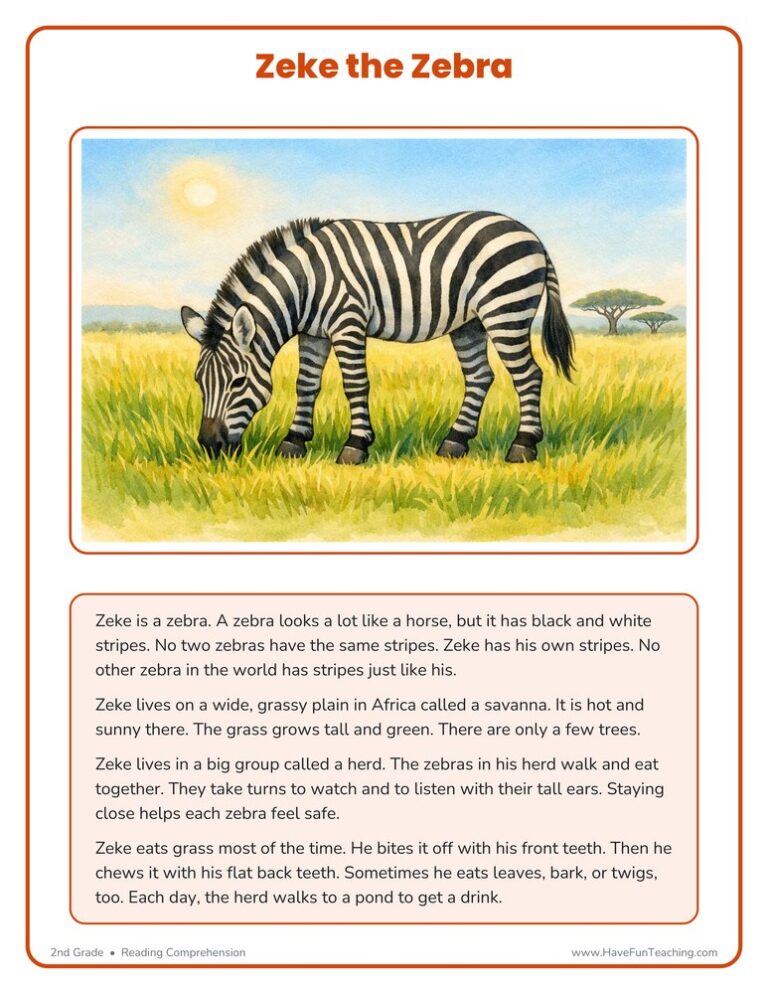
This Zeke the Zebra reading comprehension worksheet gives 2nd grade readers a short text about zebras, four multiple-choice questions and one written response, with an answer key for easy checking.
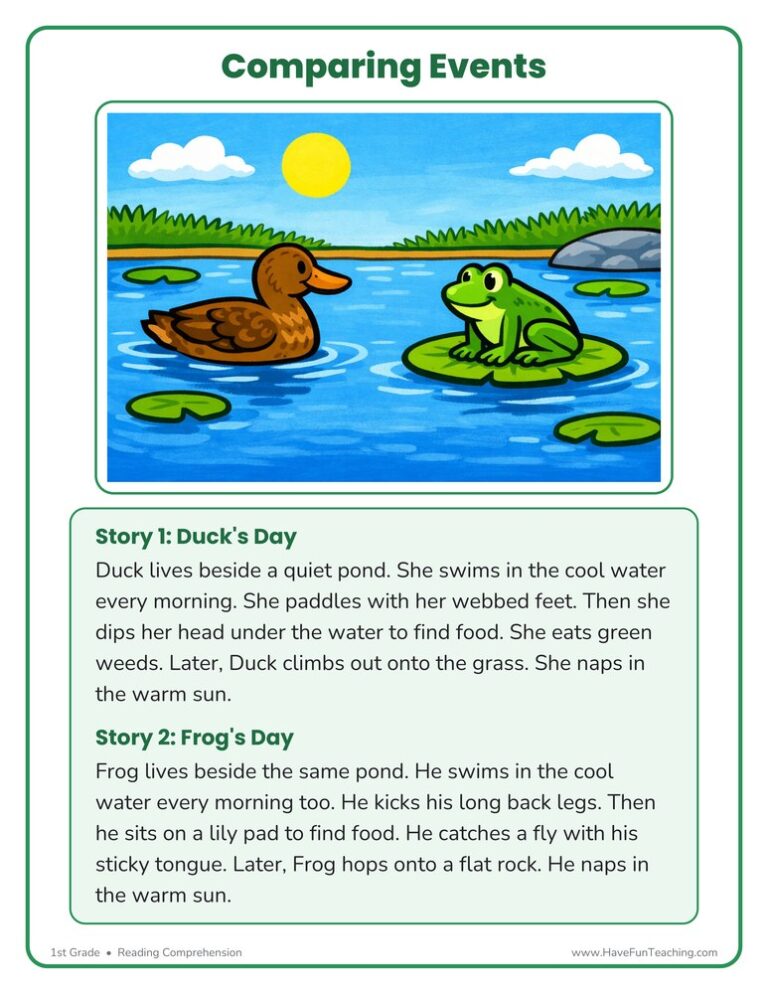
This compare two stories worksheet helps 1st grade readers compare Duck and Frog, two pond animals, with five bubble questions and an answer key, building strong compare and contrast skills.

Use this understanding meaning worksheet to help 2nd graders learn new words with context clues from a short text about the desert cactus. An answer key is included for quick checking.
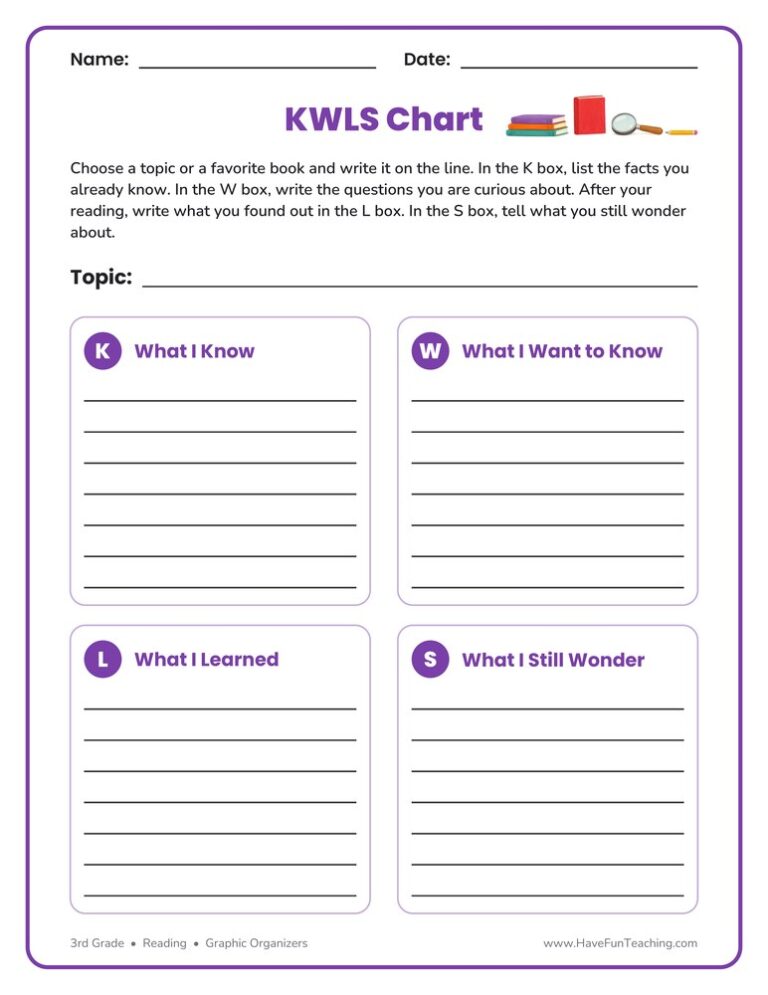
This KWLS graphic organizer worksheet guides 3rd grade readers to record what they know, want to know, learned, and still wonder about any topic or book, building curious, purposeful readers.
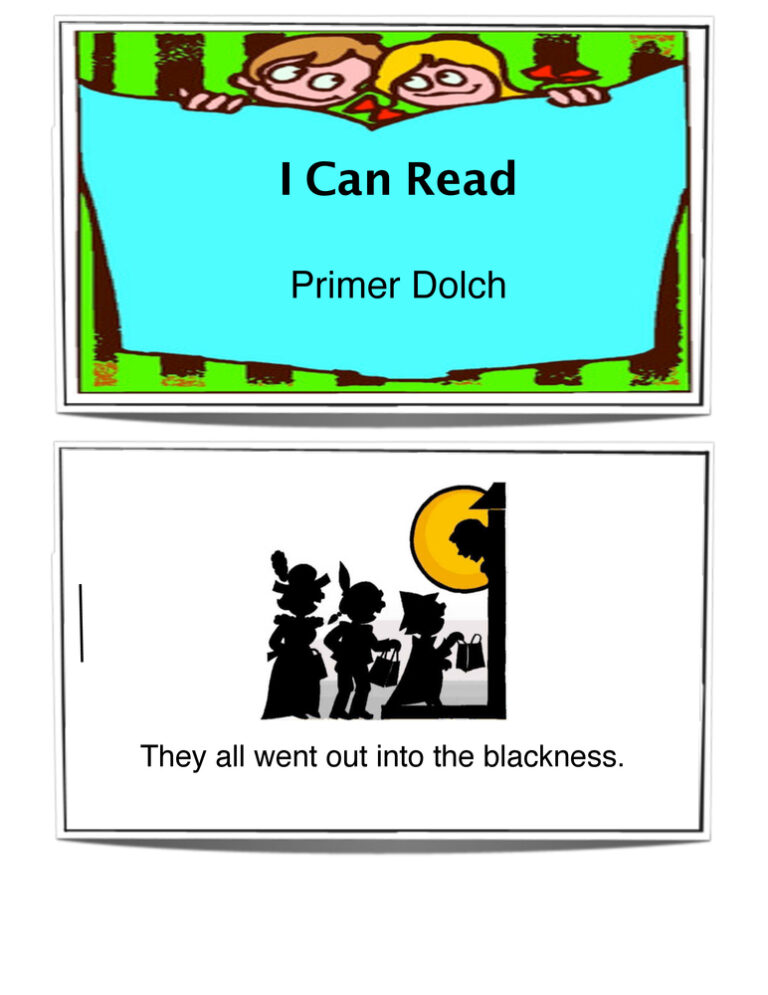
This Primer Sight Words Book has kindergarten students read, trace and write six Dolch primer words: all, came, went, out, into and saw. An answer key is included, making sight word practice quick and easy.
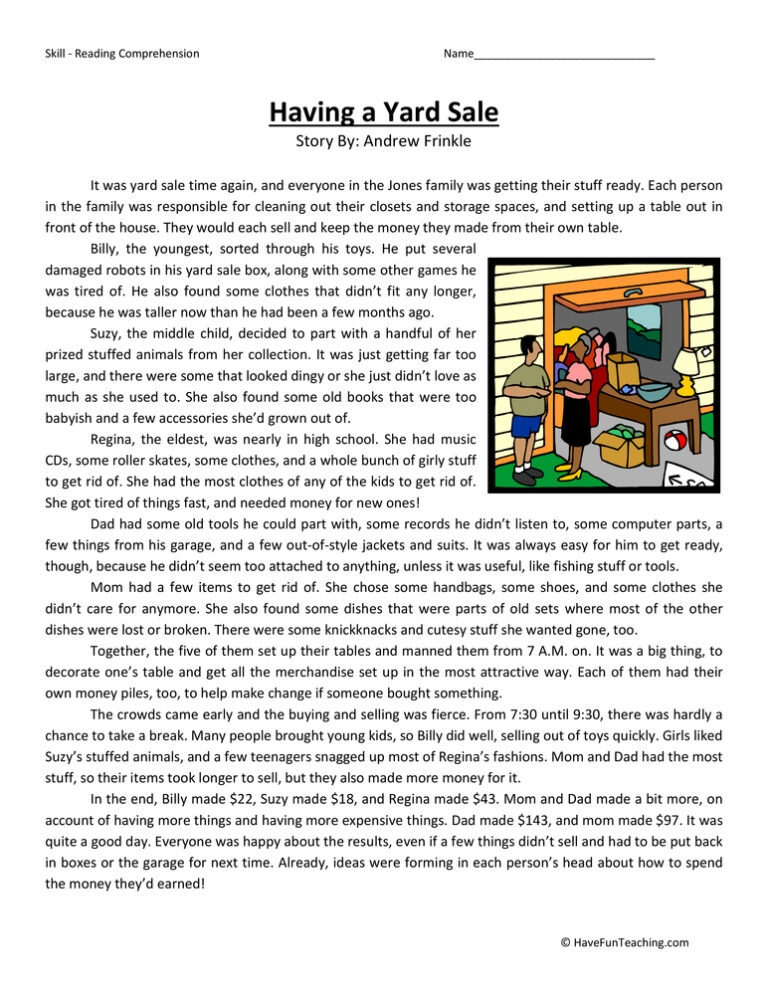
Use this yard sale reading comprehension worksheet to help 5th grade readers learn how a family plans, prices, and runs a sale, with four questions, a written response, and an answer key.
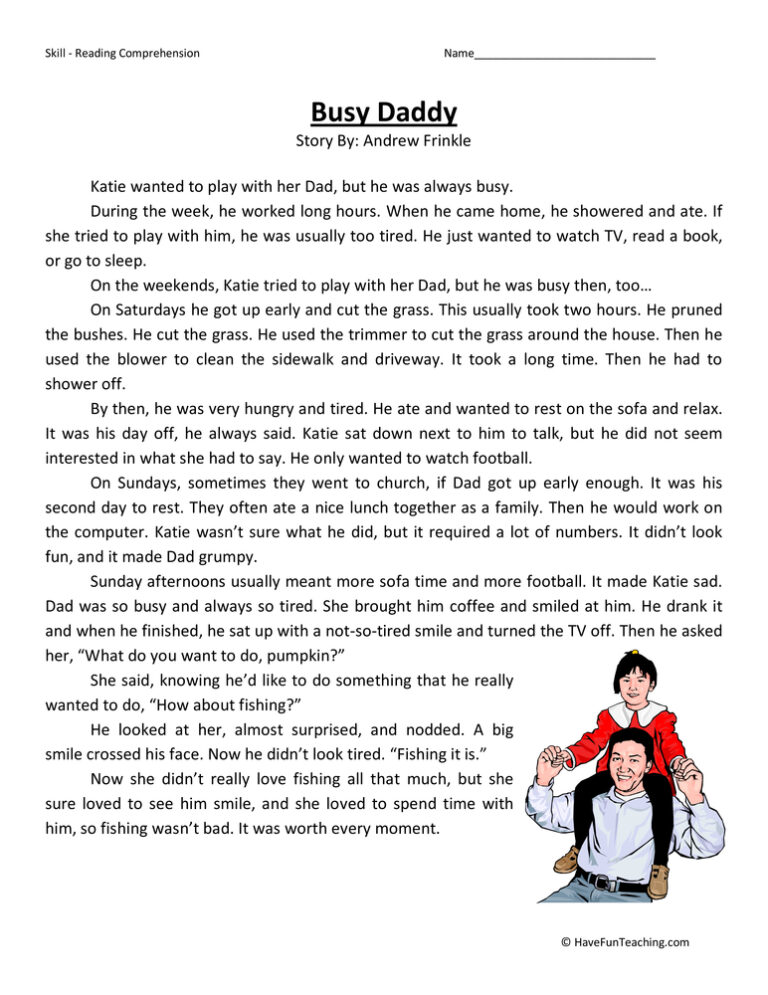
This Busy Daddy reading comprehension worksheet gives 2nd graders a warm story about helping a busy dad, with detail questions, a short written response, and an answer key to build text-evidence skills.

This Things that are Blue Reading Comprehension Worksheet gives Kindergarten readers a short story about the color blue, five multiple-choice questions and a full answer key, so color and reading practice is ready to print.

This Sonny the Scorpion reading comprehension worksheet helps second graders read a short desert-animal text and answer questions using details. An answer key is included, making it simple to check understanding.
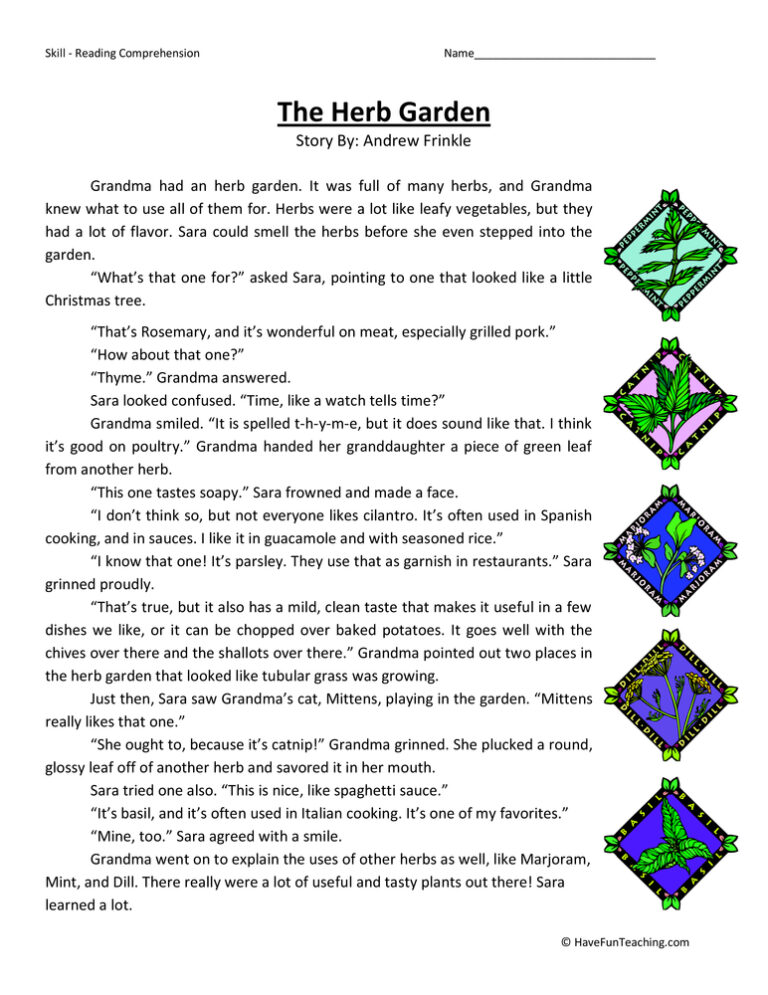
This Herb Garden Reading Comprehension Worksheet gives 3rd graders a short passage about growing basil, rosemary, parsley and mint, then six questions and a written response. Answer key included.
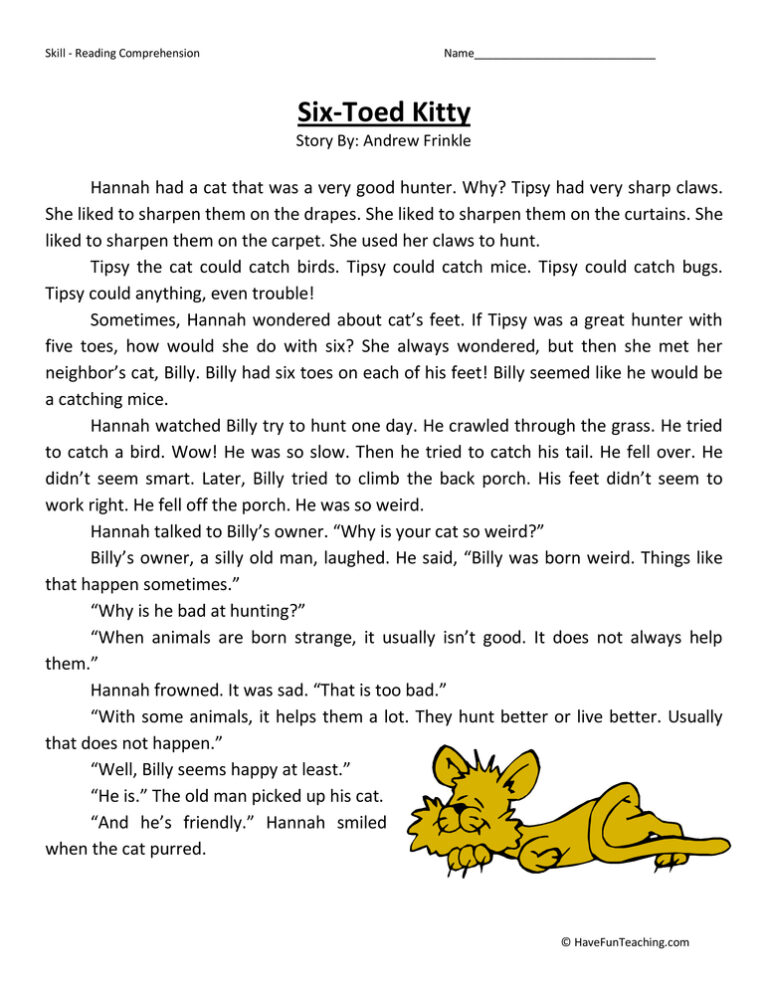
Use this six-toed kitty reading comprehension worksheet with 2nd grade readers to practice key details and main idea in a fun cat text. An answer key is included for easy checking.
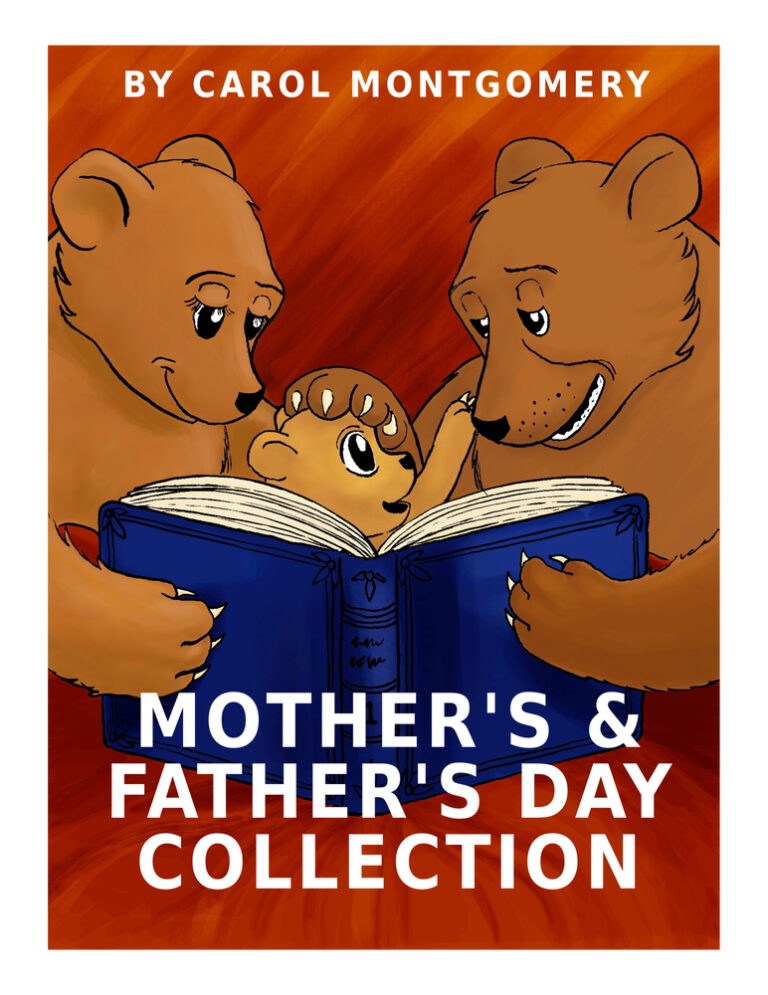
This Mother's and Father's Day Reader's Theater gives a 2nd grade group a five-part, two-scene play to read aloud and perform, building fluency and expression while celebrating Mom and Dad.
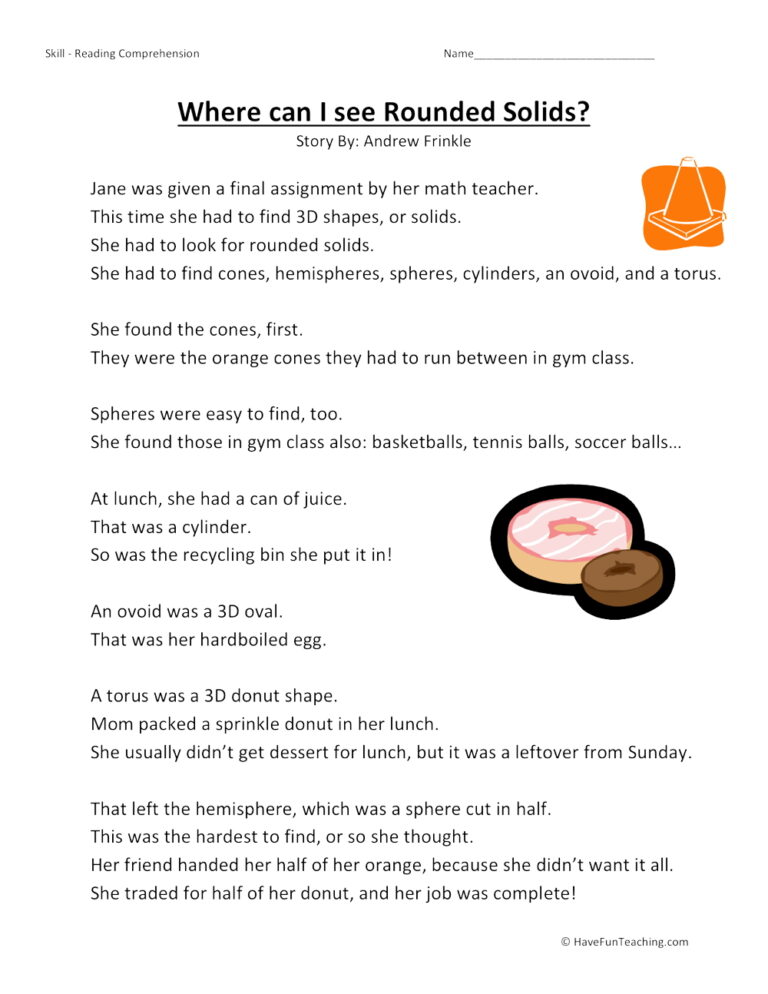
The Where Can I See Rounded Solids? Reading Comprehension Worksheet gives 3rd grade readers a nonfiction passage about rounded solids in everyday life, four comprehension questions, a vocabulary item, a written response, and an answer key.

The Where Can I See Rectangles? Reading Comprehension Worksheet gives 3rd grade readers a nonfiction passage about rectangles in everyday life, four comprehension questions, a vocabulary item, a written response, and an answer key.
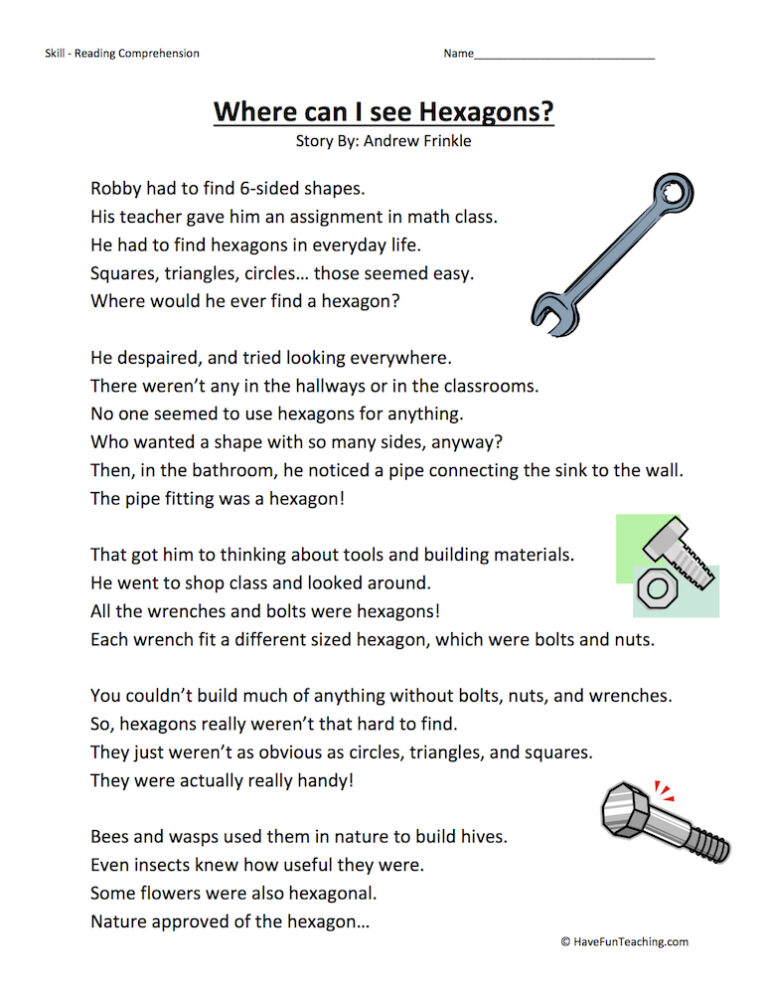
The Where Can I See Hexagons? Reading Comprehension Worksheet gives 3rd grade readers a nonfiction passage about hexagons in everyday life, four comprehension questions, a vocabulary item, a written response, and an answer key.