Skip to content
Start My 3 Free Days $0 today · cancel anytime

Classification Activities

15 classification activities. Teacher favorites: Size Activity and Hot and Cold Activity. How teachers use these

Classification Activities

15 classification activities. Teacher favorites: Size Activity and Hot and Cold Activity. How teachers use these

Activity
ActivityPreschoolSize Activity

Using this Size Activity, students play Categories to practice identifying the sizes tall, short, big and small.

Activity
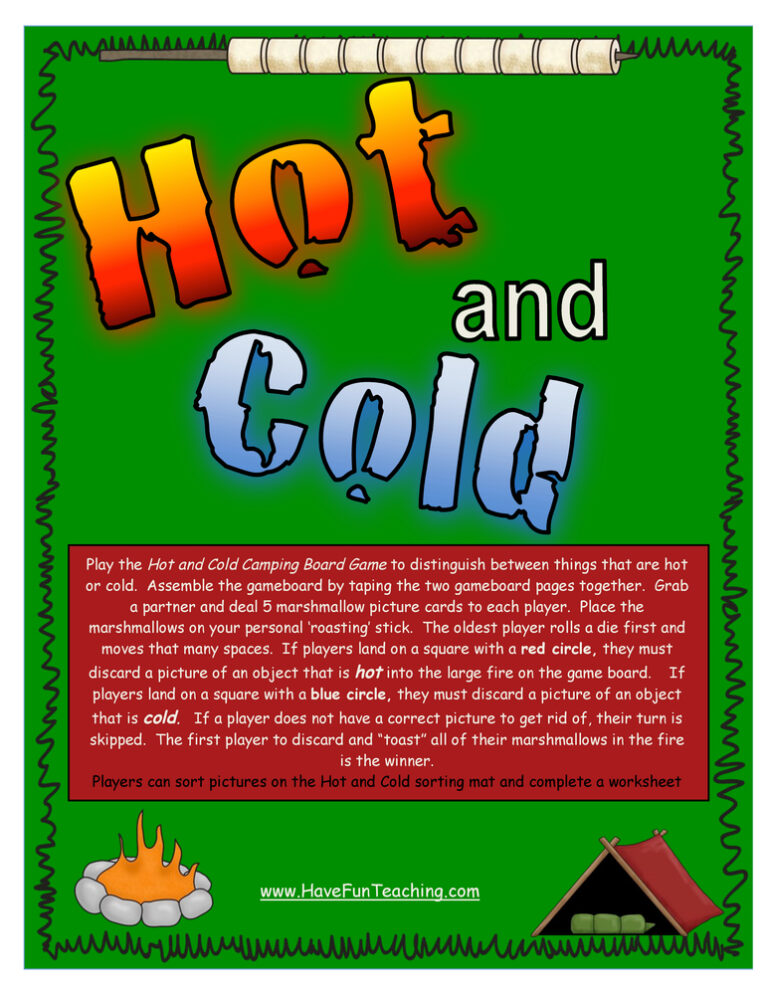
ActivityKindergartenHot and Cold Activity

This hot and cold activity lets children sort 12 picture cards onto a Hot and Cold mat to learn about temperature. For kindergarten to 2nd grade, answer key included.

Activity
ActivityPreschoolCounting and Sorting Pictures Activity

This counting and sorting pictures activity lets PreK to 1st grade children sort picture cards into groups, count each group and graph the results. Answer key included.

Activity
Activity1st GradeAnimal Riddles Activity

This animal riddles activity has students read clues and match each riddle to the right animal card. Made for 1st-2nd grade with self-check cards, a practice page and an answer key included.

Activity
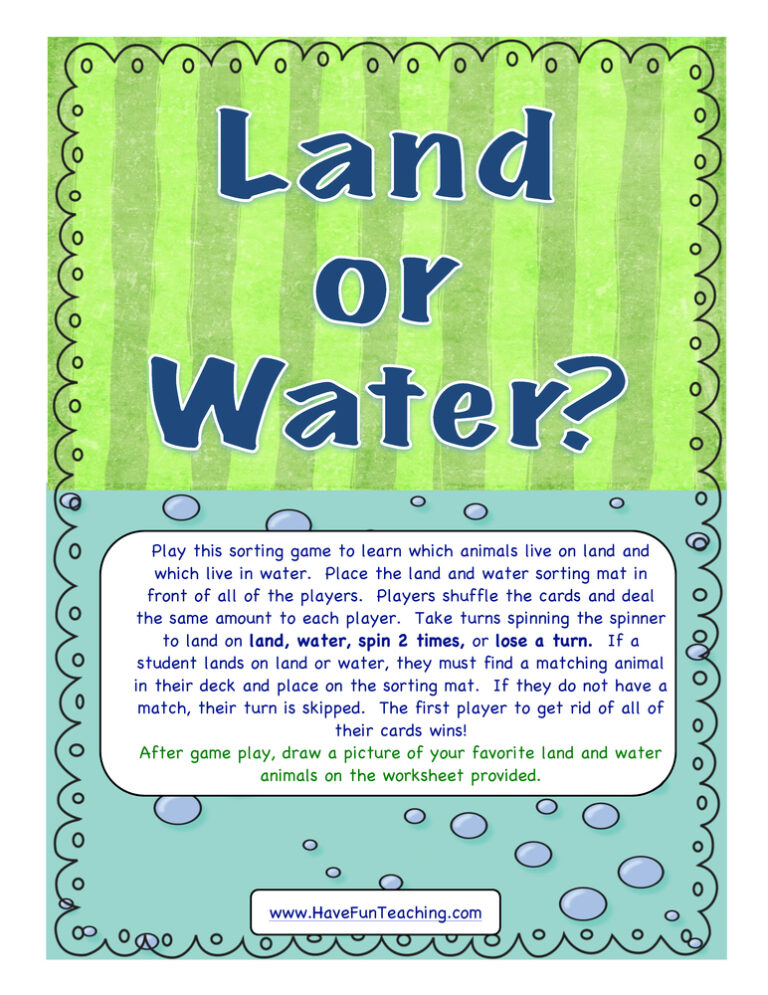
ActivityKindergartenLand or Water Activity

This land or water activity is a K-2nd grade animal sorting card game with a spinner and sorting mat. Children classify animals by where they live, and an answer key is included.

Activity
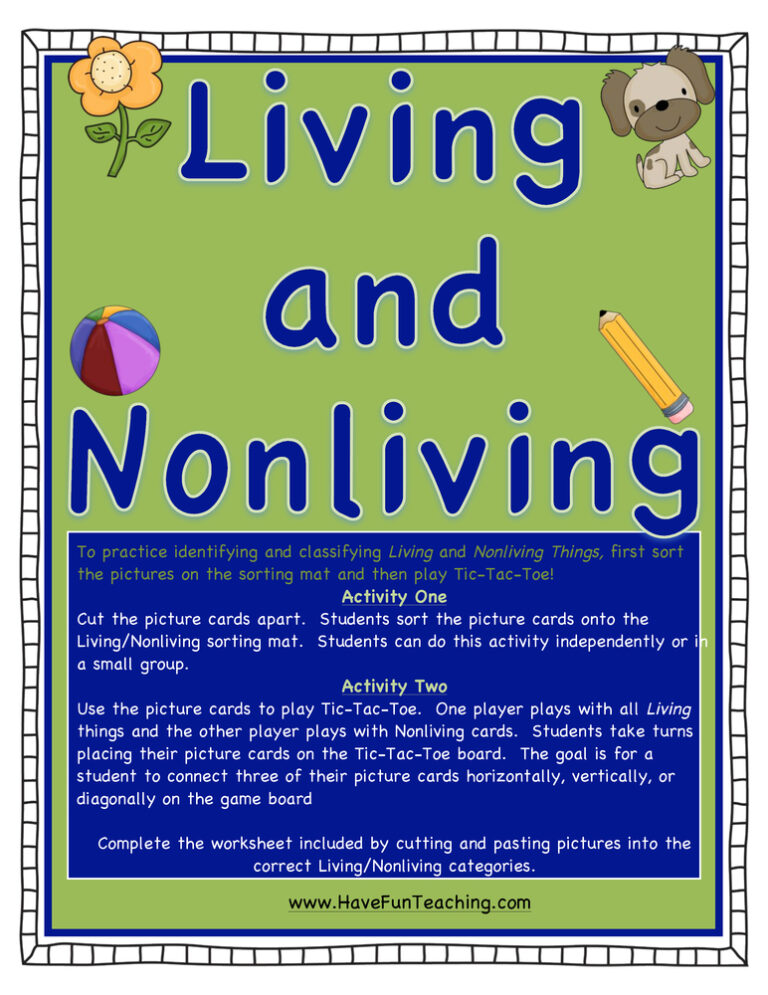
ActivityKindergartenLiving and Nonliving Activity

This living and nonliving activity gives kindergarten to 2nd grade students 12 picture cards and a sorting mat to classify things that are alive. A practice page and answer key are included.

Activity
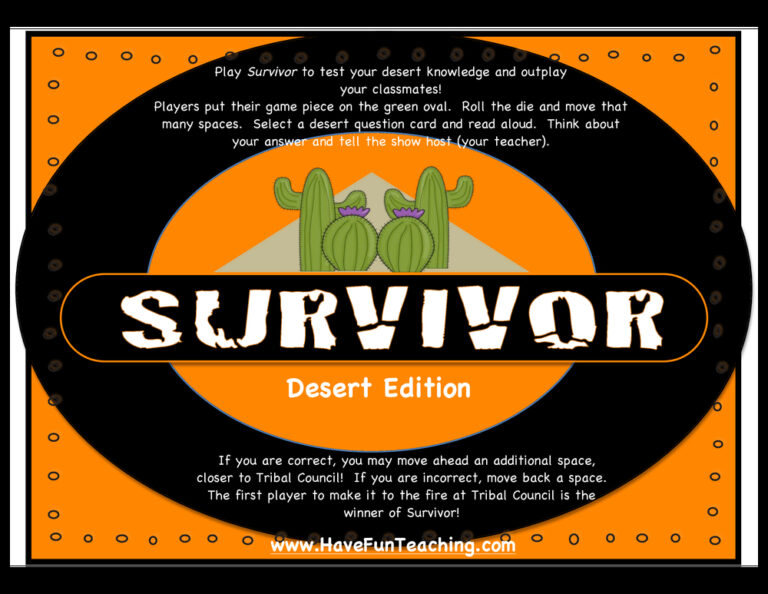
Activity2nd GradeSurvivor Desert Edition Activity

Using this Survivor Desert Edition Activity, students play the survivor board game to test your knowledge of animals and their habitats.

Activity
ActivityPreschoolWe Go Together Activity

This we go together activity is a picture memory game for Preschool to 1st Grade where children match two things that belong together, with a matching mat, practice page and answer key included.

Activity
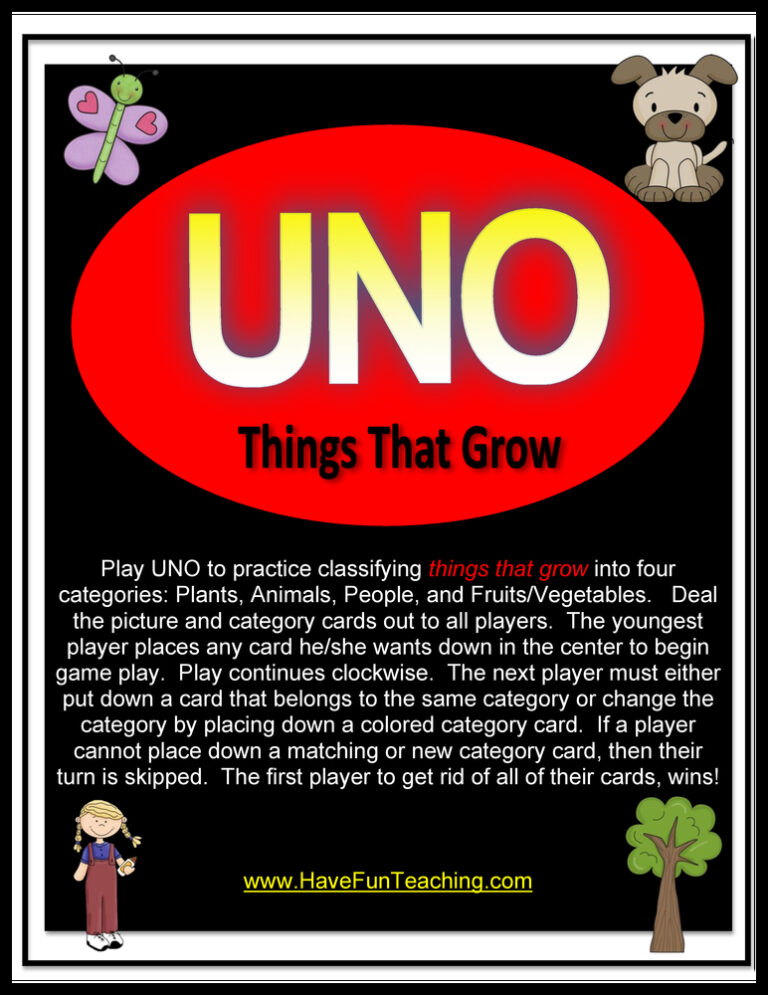
ActivityKindergartenThings That Grow Activity

Using Things That Grow Activity, students play UNO to practice classifying things that grow into four categories.

Activity
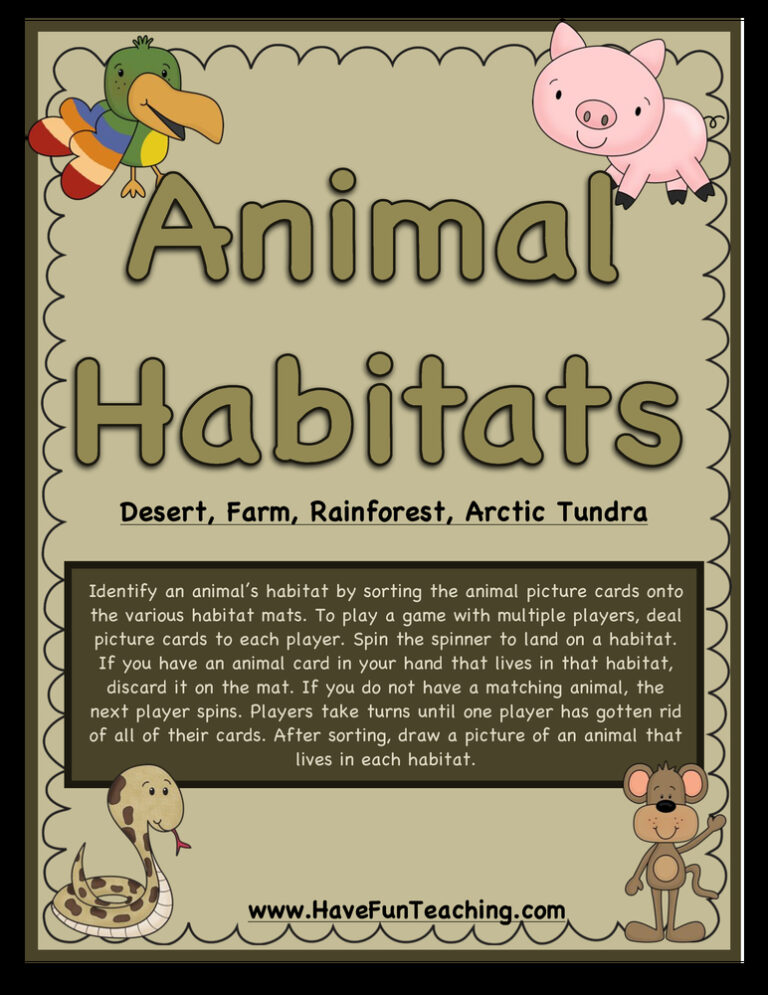
ActivityKindergartenAnimal Habitats Desert, Farm, Rainforest, Arctic Tundra Sort Activity

This animal habitats sort activity has kindergarten to 2nd Grade children sort animal cards into desert, farm, rainforest and arctic tundra homes. Spinner game and answer key included.

Activity
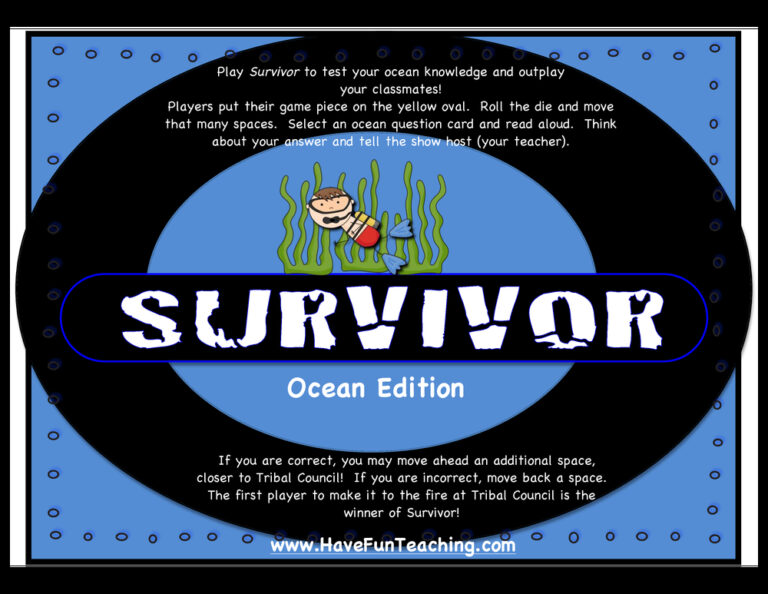
Activity2nd GradeSurvivor Ocean Edition Activity

Using this Survivor Ocean Edition Activity, students play the survivor board game to test your knowledge of animals and their habitats.

Activity
ActivityPreschoolFind the Groups Grouping Activity

Using this Find the Groups Grouping Activity, students place picture objects in the most appropriate category based on where it fits best.

Activity
ActivityPreschoolStocking Sort Classifying Activity

Using thisStocking Sort Classifying Activity, studentscomplete the Stocking Sort activity to practice classifying and grouping objects.

Activity
Activity2nd GradeSurvivor Rainforest Edition Activity

Using this Survivor Rainforest Edition Activity, students play the survivor board game to test your knowledge of animals and their habitats.

Activity
ActivityPreschoolL.K.5 Common Core Activity

Using this L.K.5 Common Core Activity, students place picture objects in the most appropriate category based on where it fits best.

From our teachers' playbook

Sort it like a scientist

What do kids learn about classification?

Classification is sorting things into groups by what they have in common, and it is one of the first things real scientists do. Little learners start by sorting buttons or toys by color, size and shape. Soon they sort living and nonliving things, then animals into groups like mammals, birds, fish, reptiles, amphibians and insects. Older students sort by body features, such as fur + breathes air + feeds young milk = mammal, and they even sort rocks and minerals. The big idea: you pick a rule, check every object against it, and explain your reasoning.

Moves that make classification click

Kids are natural sorters. These moves turn that instinct into real science thinking.

Sort it, then name the rule

Hand groups a bag of mixed objects and say "Sort these any way you want." Then each group shares, and the class guesses their rule. Kids learn that there is more than one right way to sort, as long as you can explain your rule.

Why it works: kids understand an idea best when they touch it, then draw it, then write it, the order the U.S. Department of Education recommends for elementary math.

Sorting Objects WorksheetTry it withSorting Objects WorksheetWorksheetsOpen it →

Feature check charts

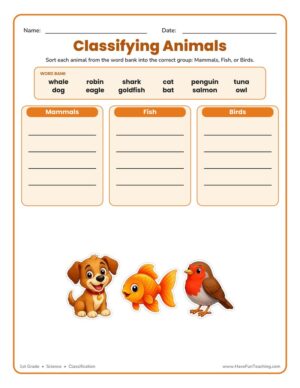
Make a chart with columns like fur, feathers, scales and lays eggs. Kids check off features for each animal card before they decide which group it belongs in. Penguins and bats become the best debates in the room!

Why it works: pairing a picture with each word gives kids two ways to remember it, a well-tested principle of how people learn (Mayer, 2009).

Animal Classification WorksheetTry it withAnimal Classification WorksheetWorksheetsOpen it →

Sing the animal groups

An animal song gives kids a catchy way to remember the big groups and one example of each. Play it at the start of the unit and again before a quiz. Kids will hum "mammals" in the lunch line, which is a win.

Why it works: words set to a repeating melody are easier to recall than the same words spoken (Wallace, 1994).

Animal Song (Animated Music Video)Try it withAnimal Song (Animated Music Video)SongsOpen it →

Classification questions we hear

What is classification in science?

It is grouping living things or objects by shared features. Scientists use classification to organize the natural world and make it easier to study.

What are the main animal groups kids learn?

Most elementary classes learn mammals, birds, fish, reptiles, amphibians and insects. Older students also learn that animals with backbones are vertebrates and those without are invertebrates.

What age do kids start classifying?

Preschoolers already sort by color and shape. Science classification by features usually begins in kindergarten and 1st grade and becomes more detailed through 4th and 5th grade.

Why is a whale a mammal and not a fish?

Whales breathe air with lungs, are warm-blooded and feed their babies milk. Those are mammal features, even though whales live in the water.

How can I practice classifying at home?

Sort laundry, groceries or toy animals together and ask "What rule did you use?" Then challenge your child to sort the same things a different way.