Skip to content
Start My 3 Free Days $0 today · cancel anytime

2nd Grade Numbers Activities

29 2nd grade numbers activities. Teacher favorites: Printable Dominoes and Counting Groups of 10 Activity. How teachers use these

2nd Grade Numbers Activities

29 2nd grade numbers activities. Teacher favorites: Printable Dominoes and Counting Groups of 10 Activity. How teachers use these

Activity
Activity2nd GradePrintable Dominoes

A printable dominoes activity for preschool to 3rd grade: 28 domino cards, two counting and addition games, a recording sheet and a practice page. Answer key included for quick checking.

Activity
Activity2nd GradeCounting Groups of 10 Activity

Using Counting Groups of 10 Activity, students use the ten frames to count by ten all the way to 120 to build number sense.

Activity
Activity2nd GradeSubtracting 10 Using a Number Line Activity

This subtracting 10 using a number line activity helps 1st and 2nd grade students take away tens by hopping back on a number line. An answer key is included for easy checking.

Activity
Activity2nd GradeI Can Count to 100 Activity

Kids put color-coded number strips and tens cards in order with this I Can Count to 100 activity for kindergarten to 2nd grade. A practice page and answer key are included for quick checking.

Activity
Activity2nd GradeMore Fewer Activity

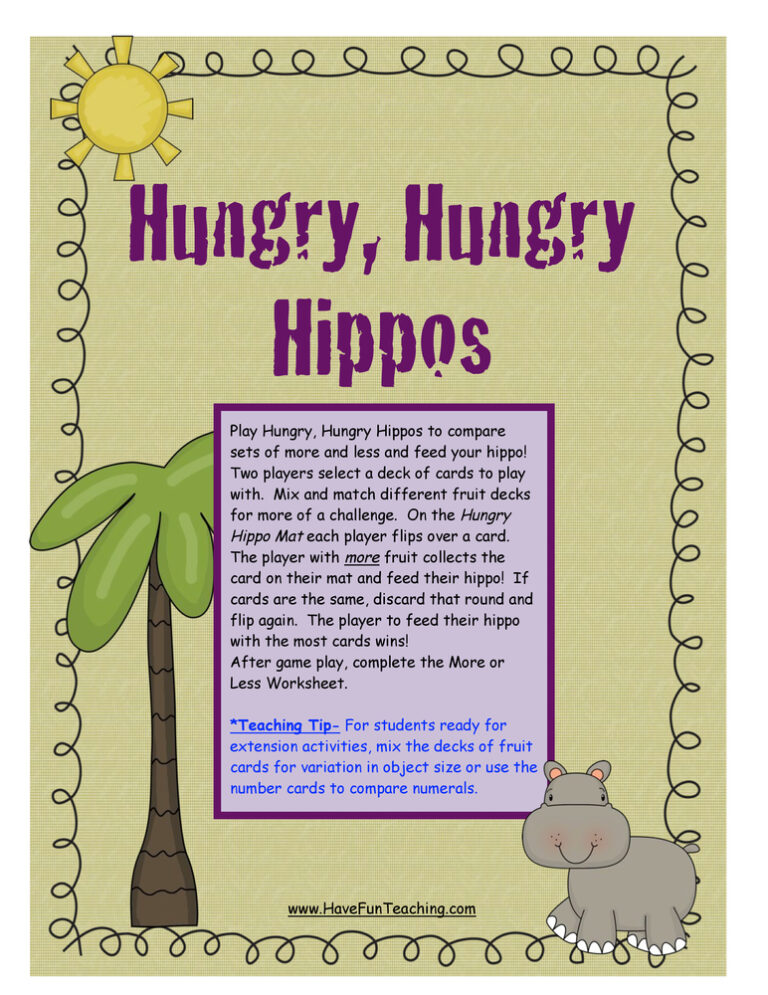
Using More Fewer Activity, studentscompare sets of more and less and feed your hippo to build their number sense skills.

Activity
Activity2nd GradeOrdinal Numbers Racecar Activity

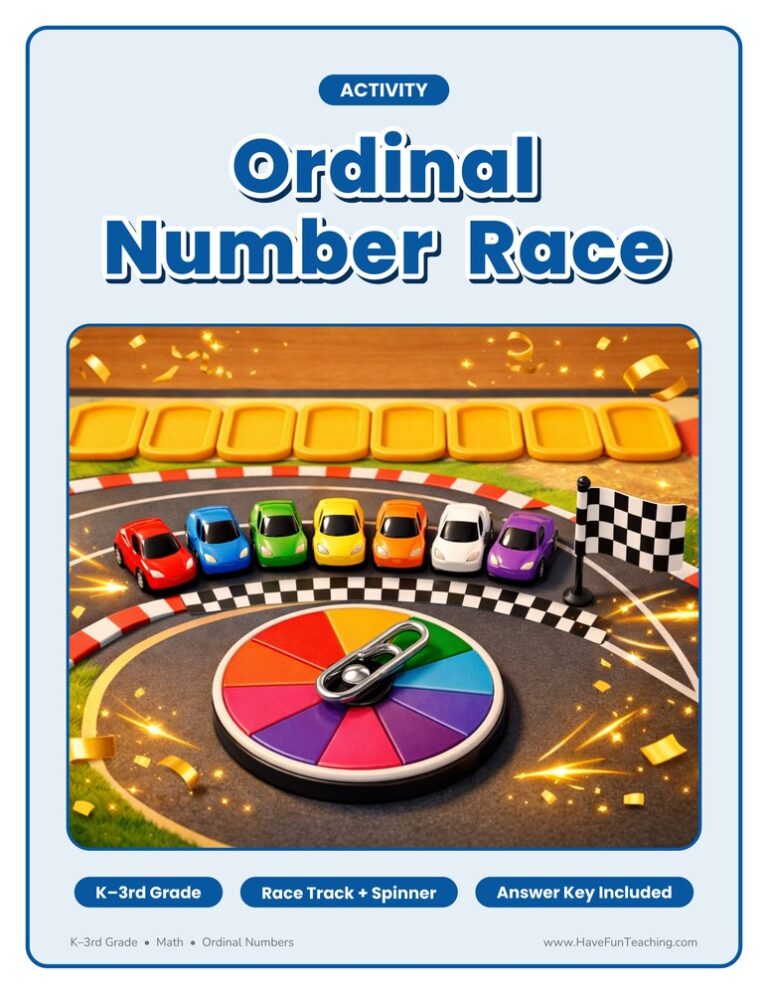
This ordinal numbers racecar activity is a spin-and-park race game for kindergarten to 3rd grade that practices first through eighth. A practice page and answer key are included.

Activity
Activity2nd GradeCandy Hearts Skip Counting Activity

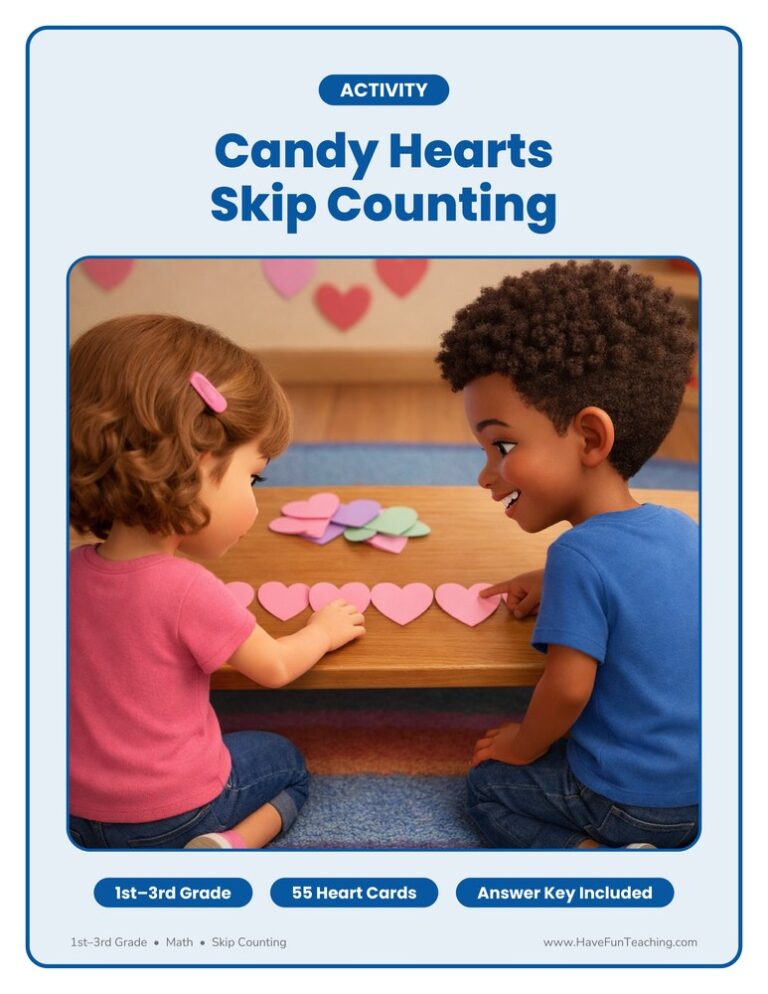
This candy hearts skip counting activity has 1st to 3rd grade students put heart number cards in order by 2s, 5s and 10s, then practice on a worksheet. Answer key included for easy checking.

Activity
Activity2nd GradeRainy Day Skip Counting Activity

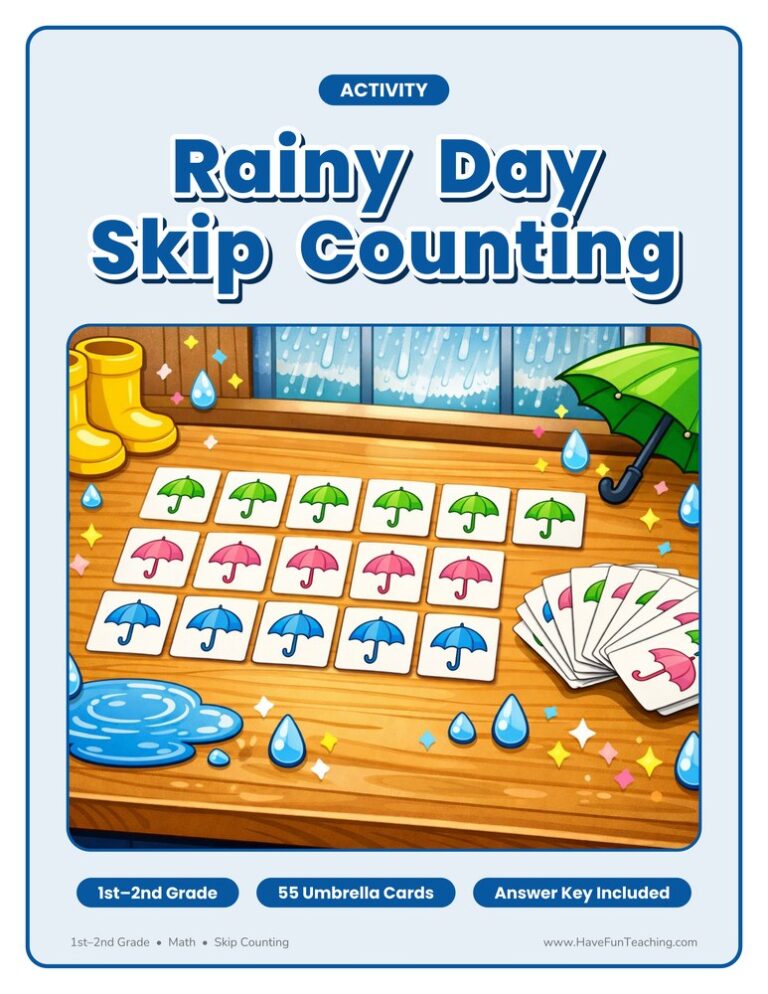
This rainy day skip counting activity has 1st and 2nd grade students put umbrella number cards in order by 2s, 5s and 10s, then practice on a worksheet. Answer key included for quick checking.

Activity
Activity2nd GradeCounting Dice Activity

Using this Counting Dice Activity, students practice counting to 100 by rolling a die to move to the finish line!

Activity
Activity2nd GradeTake Me Out to the Ballgame Inequalities Activity

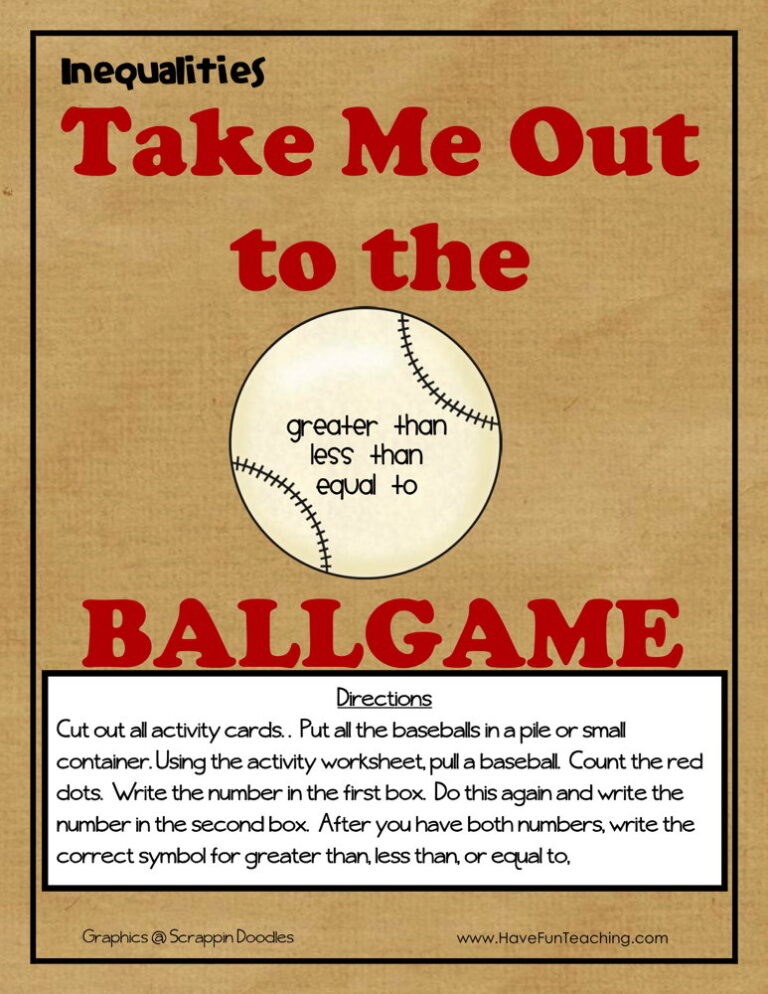
Using this Take Me Out to the Ballgame Inequalities Activity, students compare two sets of dots by using inequality symbols to build comparison skills.

Activity
Activity2nd GradeSkip Counting With Apples 5 10 100 Activity

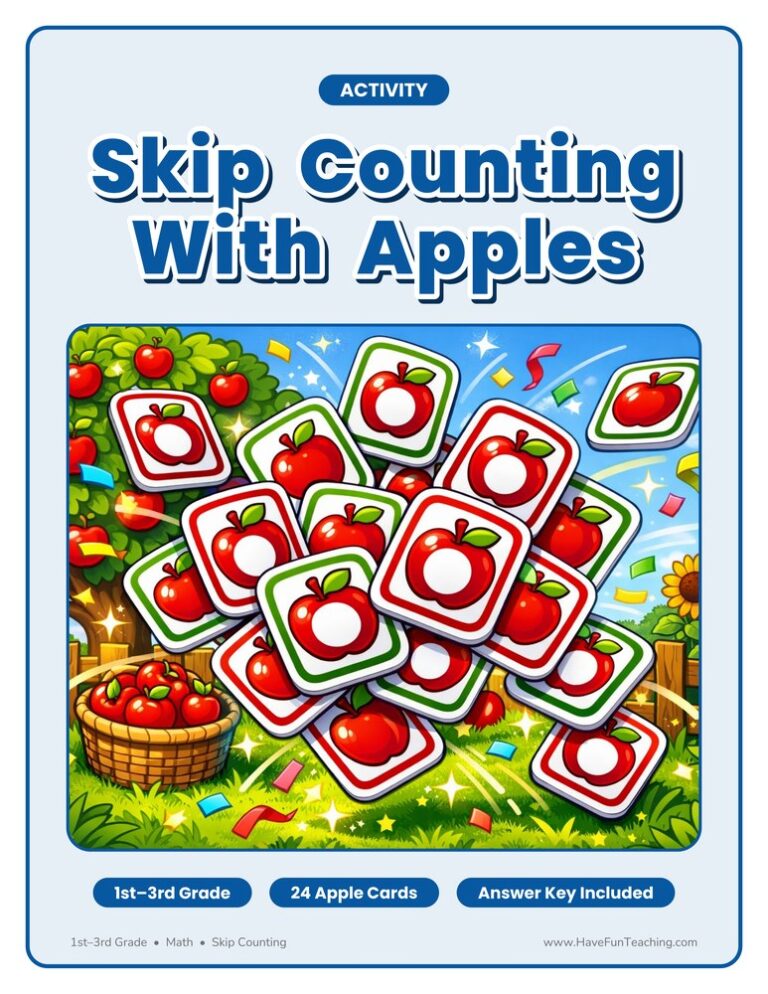
Sort and order apple number cards to skip count by 5s, 10s and 100s with this hands-on math game for 1st to 3rd grade, plus a recording sheet and practice page. An answer key is included.

Activity
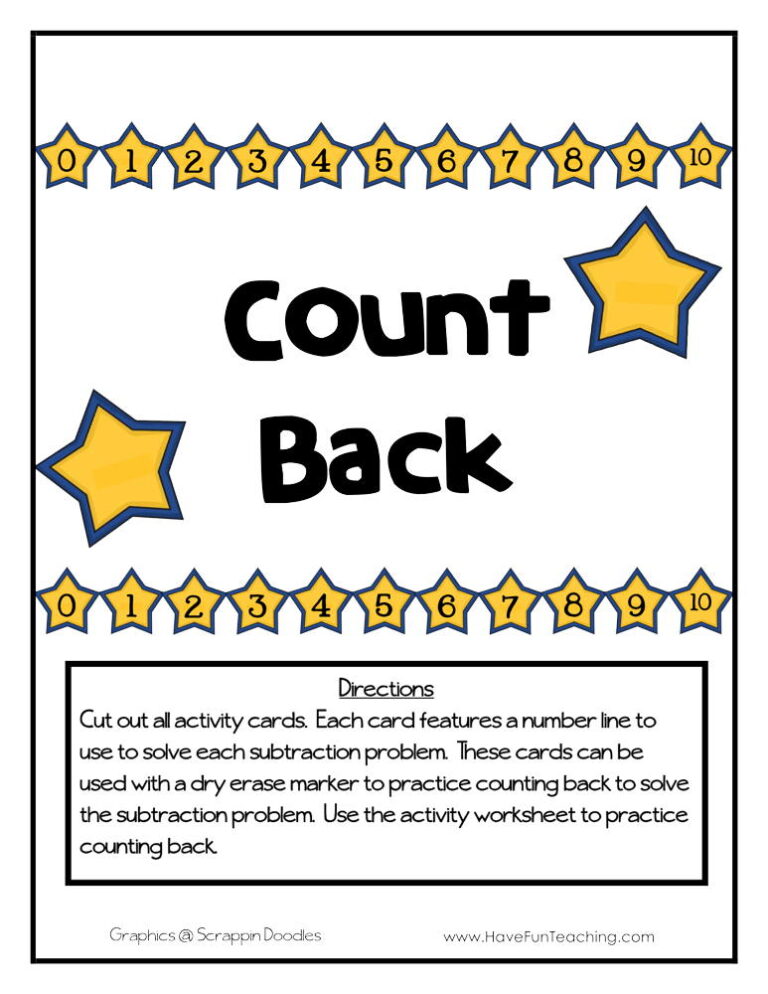
Activity2nd GradeCount Back Activity

Using Count Back Activity, students count back from one number to another number to solve the subtraction equations.

Activity
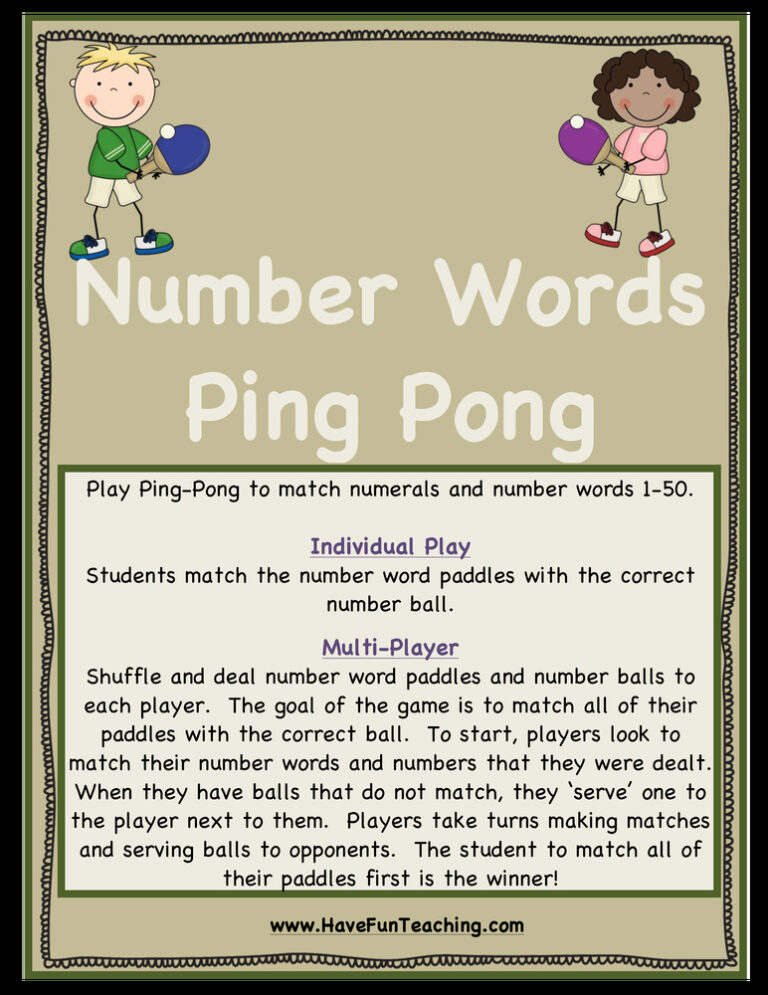
Activity2nd GradeNumber Words Ping Pong Activity

In the Number Words Ping Pong Activity, 1st and 2nd grade students read number words to fifty and match them to numerals in a fast card game. Answer key included.

Activity
Activity2nd GradeMissing Number Activity

This missing number activity has K-2nd grade students find the missing number on 24 cookie cards by counting by 1s and 10s on a hundred chart. Answer key included, and it makes counting feel like a treat.

Activity
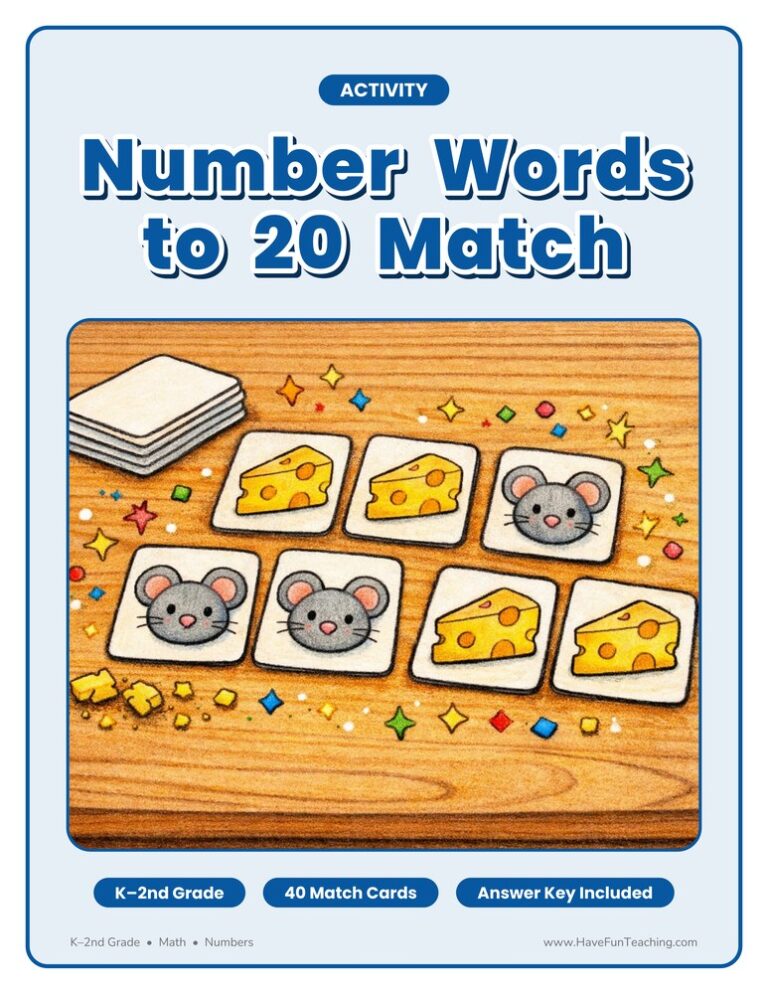
Activity2nd GradeNumber Words to 20 Activity

This number words to 20 activity has K-2nd graders match 20 mouse word cards to 20 cheese numeral cards, plus a writing practice page. Answer key included for quick checking.

Activity
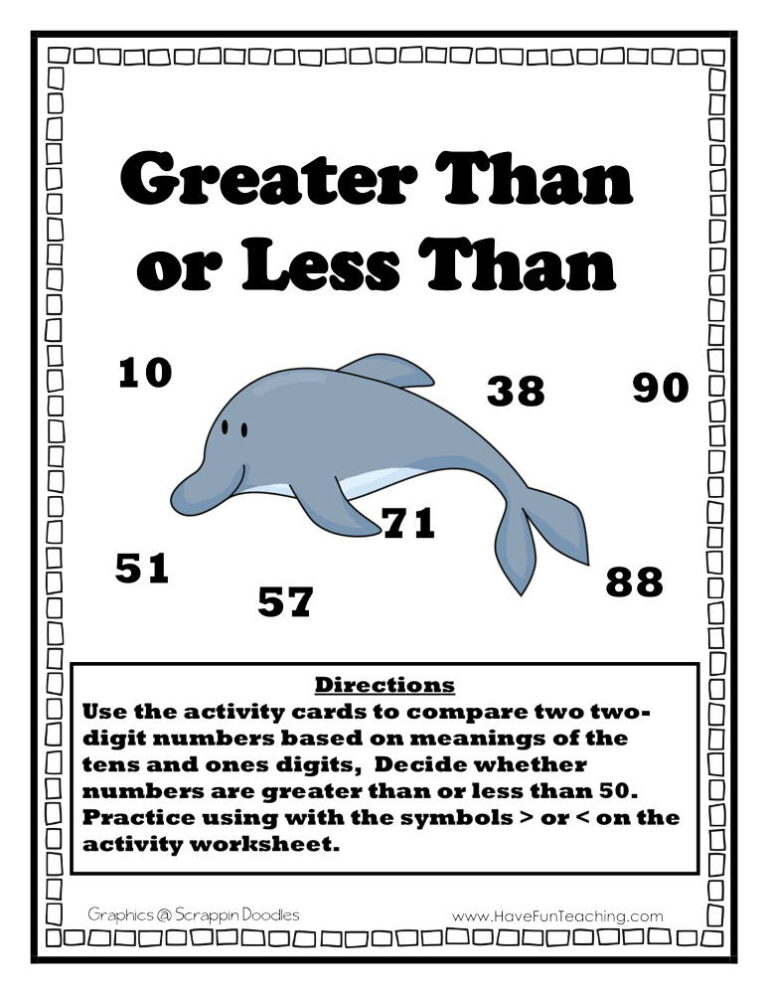
Activity2nd GradeGreater Than Less Than Dolphin Activity

This greater than less than dolphin activity has 1st and 2nd grade kids sort two-digit number cards around 50 and practice the comparison signs. Answer key included.

Activity
Activity2nd GradeWhere's Walter Ordinal Numbers Activity

Using this Where's Walter Ordinal Numbers Activity, students describe Walter's location in line at an amusement park with ordinal numbers to build their number sense skills.

Activity
Activity2nd GradeNumber Word Lights Activity

Using Number Word Lights Activity, students match the number with the number word in order to build their math fluency.

Activity
Activity2nd GradeEarth Day Numbers Activity

Using Earth Day Numbers Activity, studentscount objects up to 20 in a set in order to build their counting fluency.

Activity
Activity2nd GradeOrdinal Numbers Activity

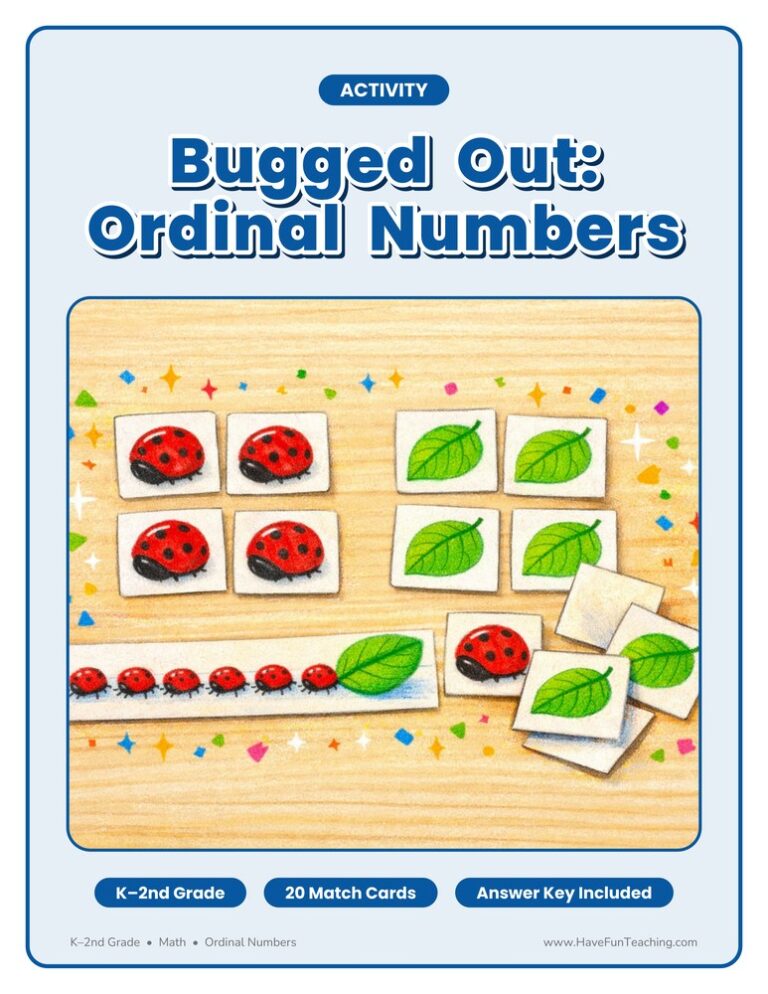
This ordinal numbers activity has K-2nd grade kids match ladybug number cards to leaf word cards from first to tenth and mark bugs in a parade. Answer key included.

From our teachers' playbook

Counting all the way to 1,000!

What do 2nd graders learn about numbers?

Second grade is the year numbers get big! Kids count within 1,000 and skip count by 5s, 10s and 100s, so 340, 350, 360 feels as easy as 1, 2, 3. They read and write numbers three ways: as digits, as number words and in expanded form, like 607 = six hundred seven = 600 + 7. They compare numbers with > and <, sort odd from even, and learn to add 10 or 100 in their heads. The click moment? When a child sees that 607 has zero tens and says it right the first time.

Our favorite ways to make big numbers feel small

Big numbers only feel scary until kids can see them, say them and count them. These three moves do exactly that.

Bundle it into tens

Hand out a pile of straws and say "Count them, but every time you hit ten, rubber-band a bundle." Ten bundles become a hundred. When kids physically build 236 out of bundles and loose straws, the counting-to-1,000 work stops being memorized and starts making sense.

Why it works: kids understand an idea best when they touch it, then draw it, then write it, the order the U.S. Department of Education recommends for elementary math.

Counting Groups of 10 ActivityTry it withCounting Groups of 10 ActivityActivitiesOpen it →

Say it, write it, match it

Number words trip kids up more than digits do. Flash a card like "four hundred twelve" and have partners write the digits on whiteboards, then flip roles. Watch for 4012, the classic mistake, and talk it through out loud together.

Why it works: when kids say the precise math words, their understanding gets sharper, a recommendation of the U.S. Department of Education's elementary math guide.

Numbers Word 0 to 100 Flash CardsTry it withNumbers Word 0 to 100 Flash CardsFlash CardsOpen it →

Count a little, every day

Start each math block with a two-minute count: by 10s from 230, by 100s from 50, by 5s from 415. Then send a short counting page home twice a week. Short, frequent practice beats one counting unit in September.

Why it works: short practice spread over several days beats one long session, according to a large review of learning research (Dunlosky and colleagues, 2013).

Counting to 1000 by Tens and Hundreds WorksheetTry it withCounting to 1000 by Tens and Hundreds WorksheetWorksheetsOpen it →

Questions parents and teachers ask us

How high should a 2nd grader count?

By the end of 2nd grade, kids count to 1,000 and skip count by 5s, 10s and 100s. They also read and write any number up to 1,000 in digits, words and expanded form.

Why does my child write 3005 for "three hundred five"?

They are writing exactly what they hear: 300, then 5. Show the number with bundles or place value blocks so they see there are no tens, then write it in a three-box place value chart. The zero holds the empty tens spot.

How do 2nd graders compare three-digit numbers?

They start at the biggest place. Compare the hundreds first, and only look at the tens if the hundreds match. Then they write it with >, < or =, like 482 > 428.

What are odd and even numbers in 2nd grade?

Even numbers can be split into two equal groups or paired up with nobody left over. Odd numbers always have one left. Kids check by pairing up counters, then notice the pattern in the ones digit.

How can I practice numbers at home?

Count by 10s or 100s in the car starting from a random number, read house numbers out loud, or ask "Which is bigger?" with prices at the store. A few minutes most days works better than one long session.