
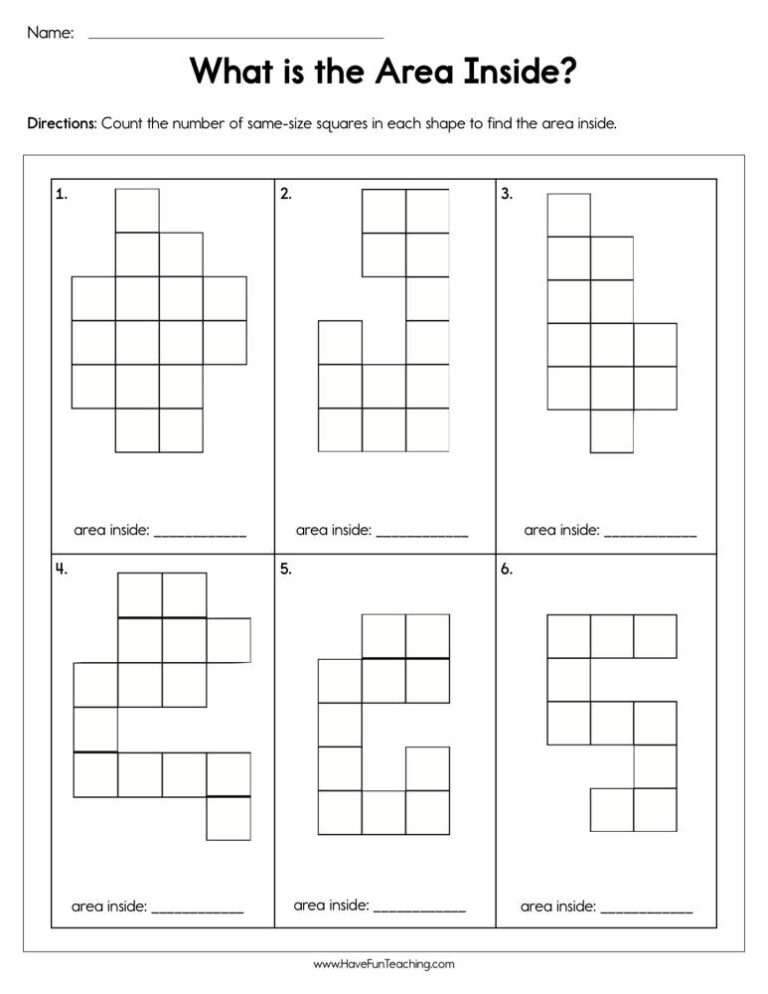
Using this What is the Area Inside Worksheet, students find the area of rectangles on a grid by counting squares inside the provided shape.

In this Let's Make a Number Hundreds Tens Ones Activity, students understand that the three digits of a three-digit number represent amounts of hundreds, tens, and ones.

Using this Matching Shapes Activity, students recognize and draw shapes having specified attributes.

In this Measure it Measurement Tools Activity, students measure the length of an object by selecting and using appropriate tools such as rulers, yardsticks, meter sticks, and measuring tapes.

Using Why Does it Work Addition Subtraction Strategies Activity, students explain why addition and subtraction strategies work, using place value and the properties of operations.

In this Estimating Measurement in Meters Worksheet, students complete the web below with objects that could be measured with the unit meters.

While using our Adding 2 Digit Numbers Worksheet, students add two-digit numbers by using any strategy of their choice.

Using Adding and Subtracting on a Number Line Worksheet, studentsuse the number lines to add and subtract the numbers represented by the pictures.
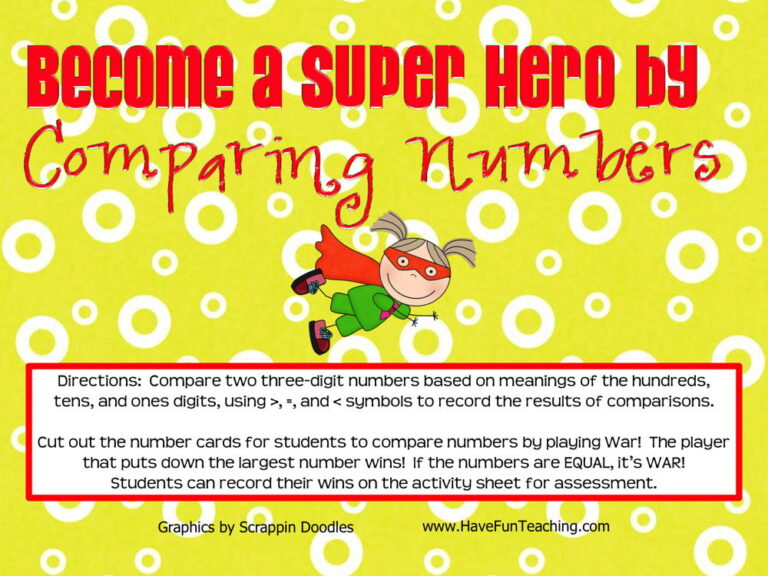
Using this Become a Superhero by Comparing Numbers Activity, students compare two three-digit numbers based on meanings of the hundreds, tens, and ones digits, using >, =, and < symbols.

Using this Triangle Rectangles or Neither Worksheet, students think about the attributes of triangles and rectangles to sort the shapes into categories.

While using our Ways to Find the Number Worksheet, students solve the addition equations using strategies you have learned to solve the problems.

Using Commutative Property of Addition Activity, studentsmatch the popcorn cards to the matching popcorn container to show examples of the property.
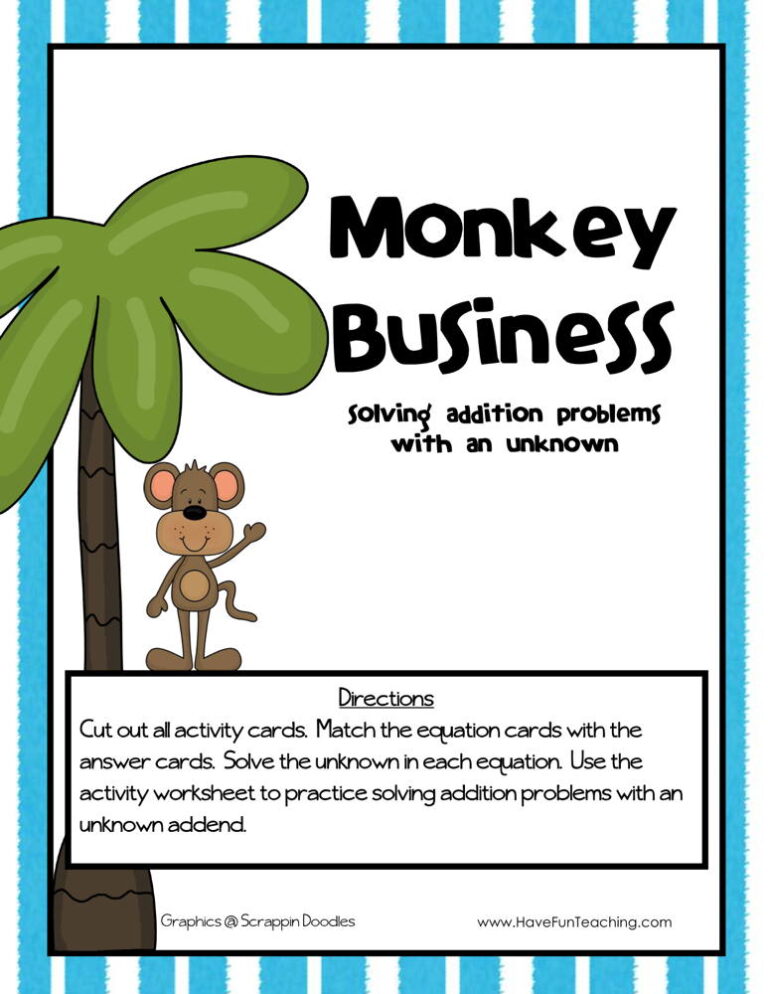
In this Monkey Business Adding with an Unknown Number Activity, students find the unknown whole number in addition equations up to 20.

Using this Comparing and Ordering Numbers 1-10 Activity, students use the lion number cards to compare each number and sort them into the categories that they belong.

Using Compose and Decompose Numbers 11-19 Activity, students use ten frames to compose and decompose numbers to build numbers sense.

Using this Counting and Sorting Pictures Activity, students match the pictures to their correct categories to find similarities between items in a group.
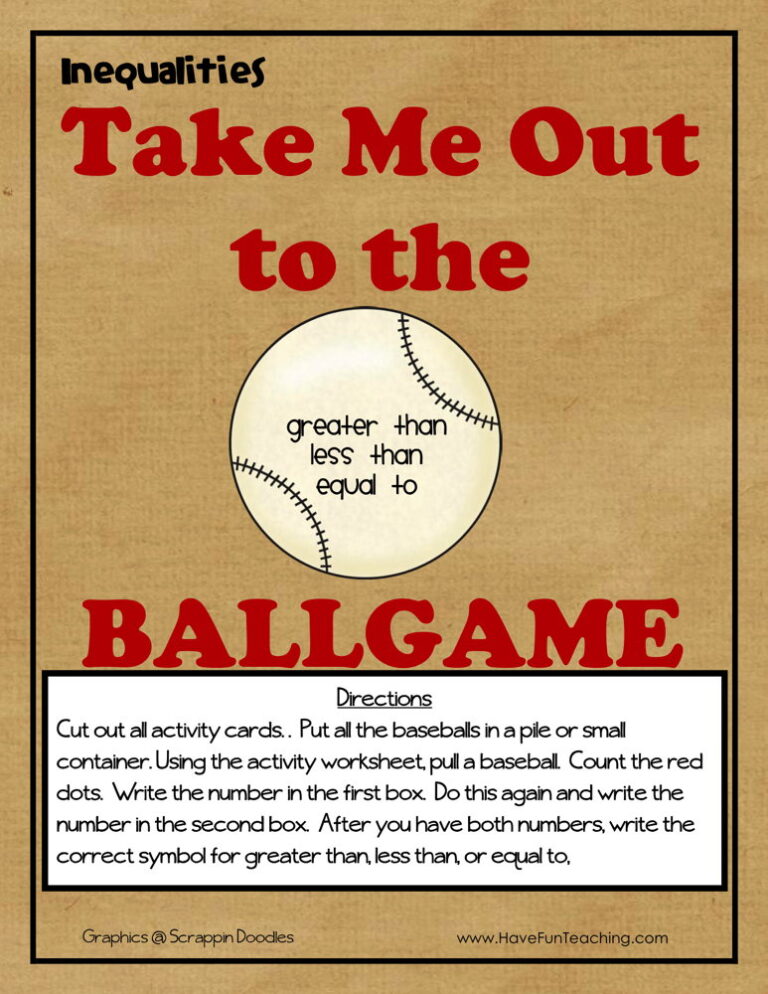
Using this Take Me Out to the Ballgame Inequalities Activity, students compare two sets of dots by using inequality symbols to build comparison skills.

Using this Comparing Shapes Sorting Activity, students sort pictures of 2D and 3D shapes into the category that best describes which shape is shown.

Using this Measurement Worksheet, students circle the word that best describes the picture the arrow is pointing to building measurement vocabulary.
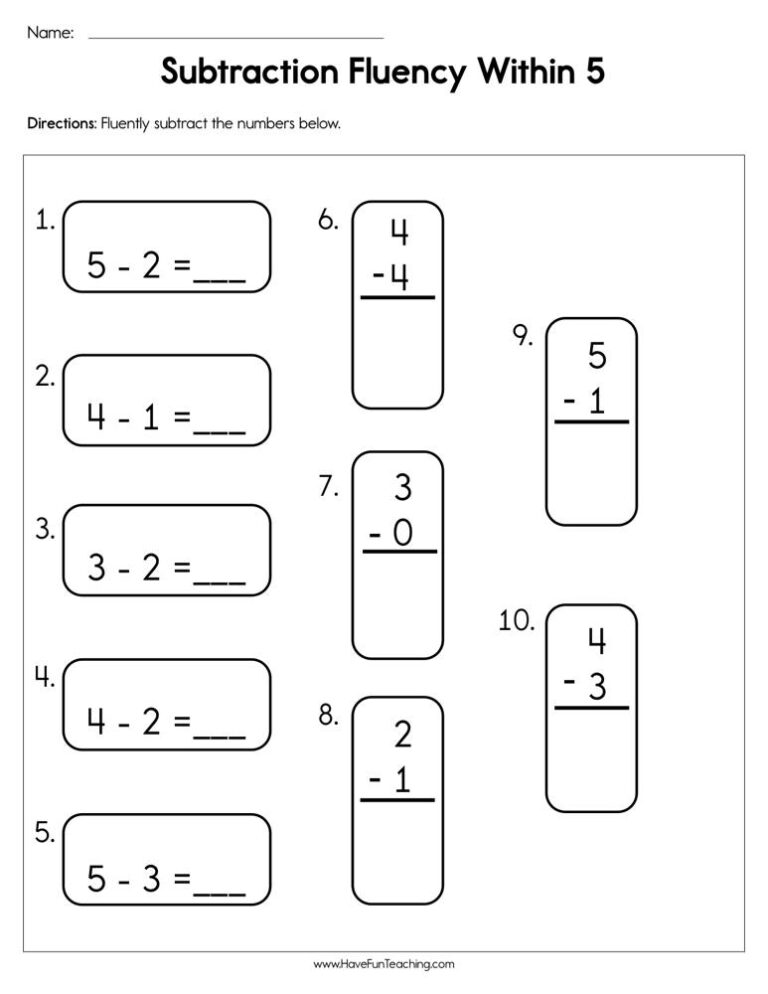
Using Subtracting Fluency Within 5 Worksheet, students solve single digit subtraction problems to build fact fluency.