Skip to content
Start My 3 Free Days $0 today · cancel anytime

3rd Grade Energy Worksheets

11 3rd grade energy worksheets. Teacher favorites: Labeling Force and Motion Worksheet and Drawing Friction Worksheet. How teachers use these

3rd Grade Energy Worksheets

11 3rd grade energy worksheets. Teacher favorites: Labeling Force and Motion Worksheet and Drawing Friction Worksheet. How teachers use these

Worksheet
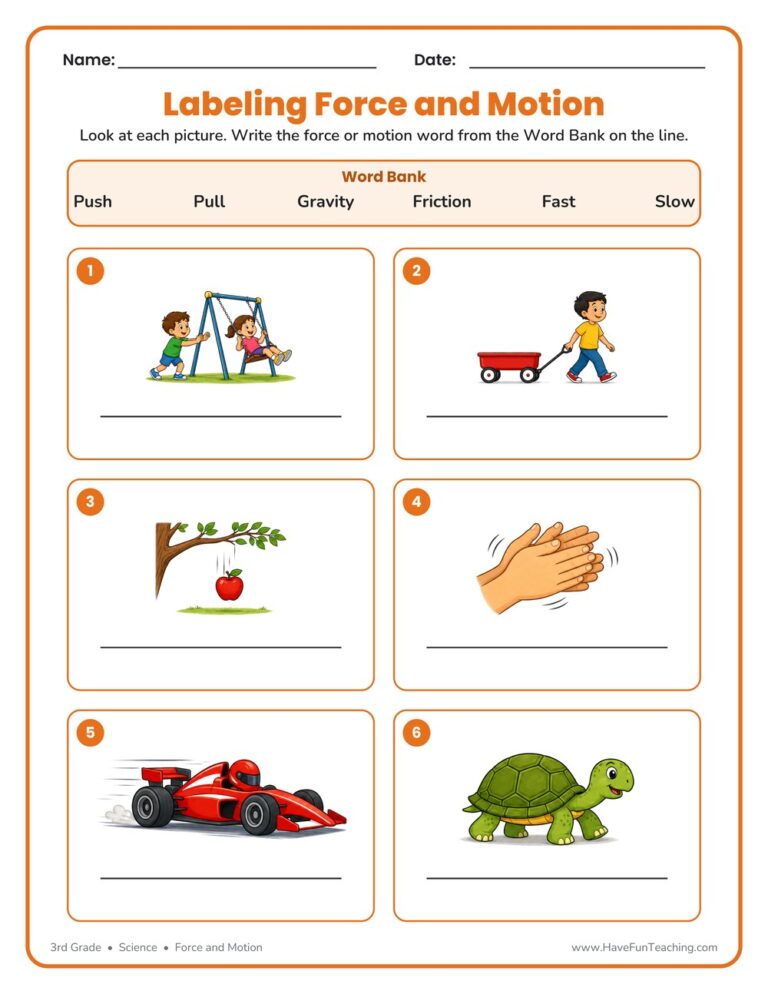
Worksheet3rd GradeLabeling Force and Motion Worksheet

The Labeling Force and Motion Worksheet has 3rd graders label six pictures with push, pull, gravity, friction, fast, and slow from a word bank. Includes an answer key for easy, no-prep science practice.

Worksheet
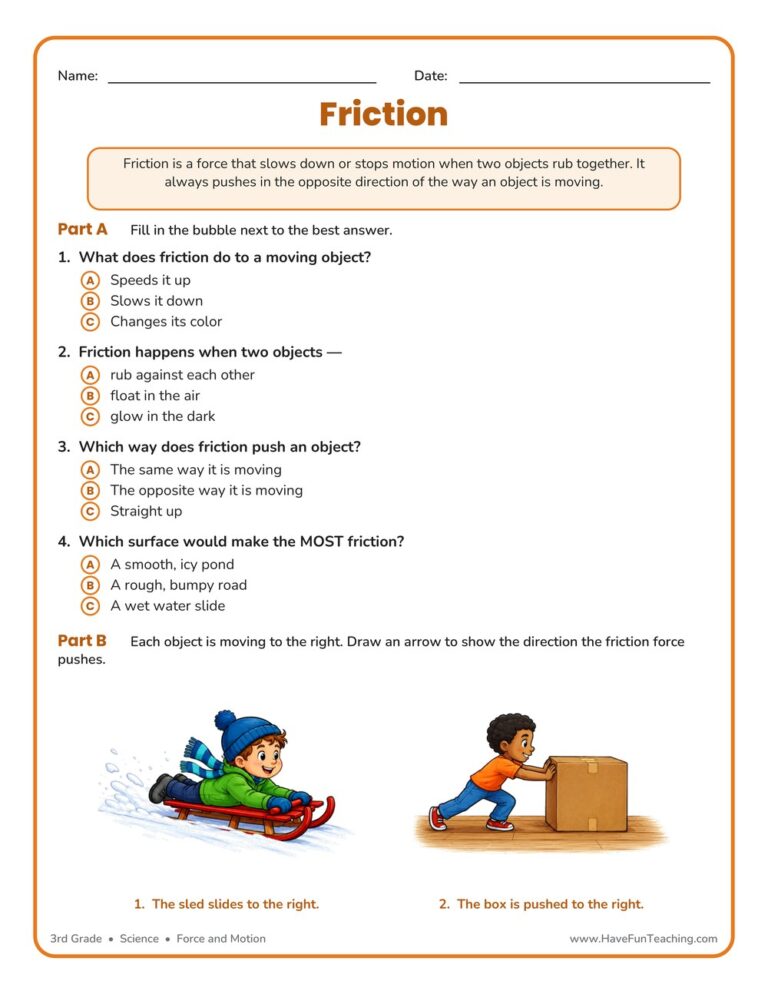
Worksheet3rd GradeDrawing Friction Worksheet

This drawing friction worksheet lets 3rd graders explore force and motion by answering questions and drawing arrows to show which way friction pushes. Answer key included for quick, no-prep science practice.

Worksheet
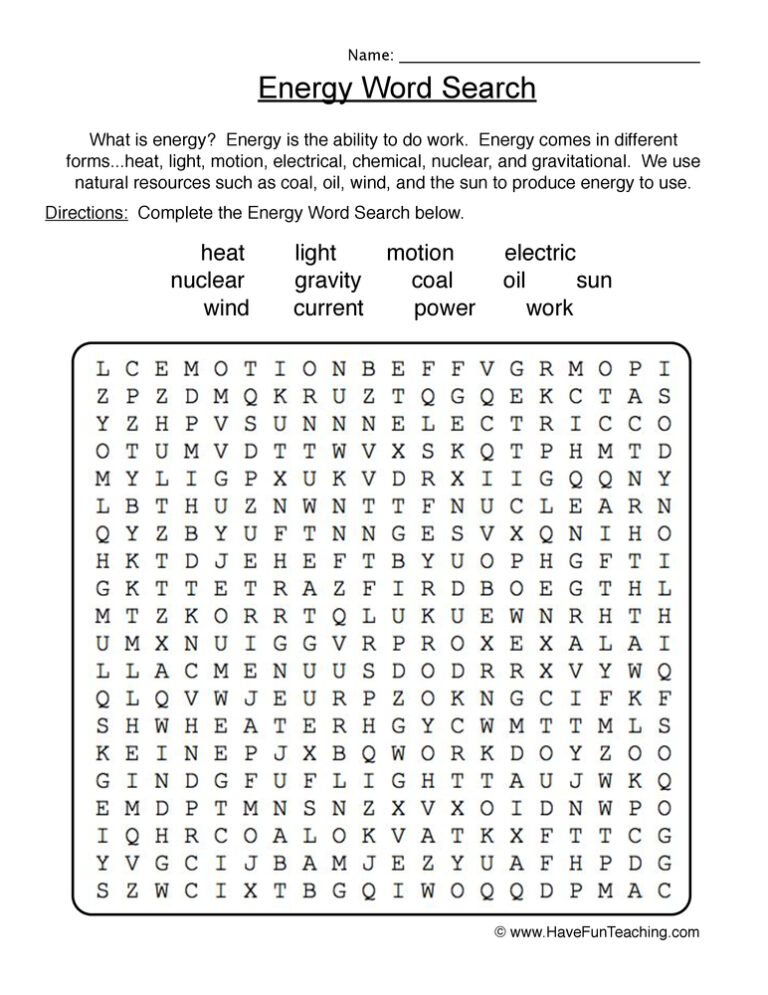
Worksheet3rd GradeEnergy Wordsearch Worksheet

A ten-word Energy Wordsearch Worksheet that helps 3rd graders name the forms and sources of energy, then use one in a sentence of their own. Answer key included for fast, no-prep science review.

Worksheet
Worksheet3rd GradeDrawing Heat Energy Worksheet

This Drawing Heat Energy Worksheet gives 3rd Grade students four picture cards for tracing where heat energy comes from and where it goes, plus an answer key, so heat transfer practice is ready to print.

Worksheet
Worksheet3rd GradeSound Pitch Worksheet

This Sound Pitch Worksheet helps 3rd grade students use sound waves and real instruments to tell whether a vibration makes a high or low pitch. An answer key is included, so science practice takes minutes to set up.

Worksheet
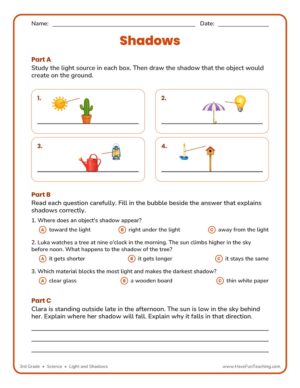
Worksheet3rd GradeShadows Drawing Worksheet

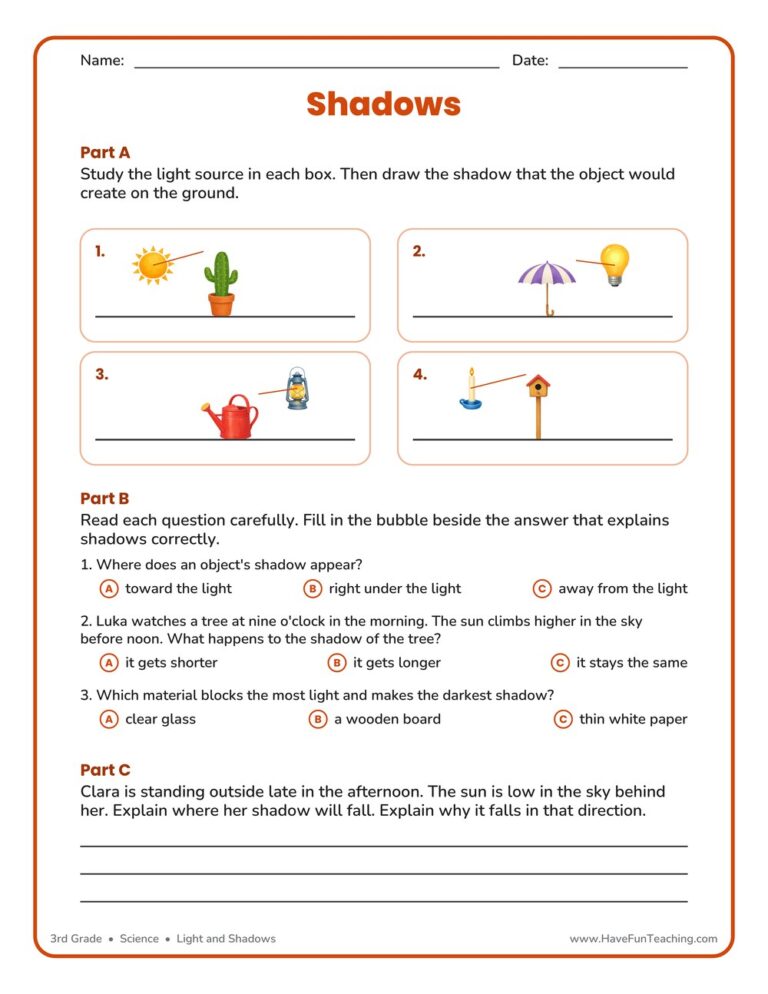
A shadows drawing worksheet where 3rd graders study four light sources, draw the shadow each object casts, and explain why it falls where it does. Answer key included for quick, no-prep science practice.

Worksheet
Worksheet3rd GradeFriction Worksheet - Draw

This friction drawing worksheet sends 3rd graders hunting for four real places where surfaces rub together. They sketch each one and write about it, turning an abstract force into something they can point to.

Worksheet
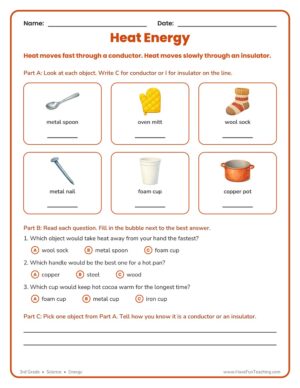
Worksheet3rd GradeConductors and Insulators Heat Energy Worksheet

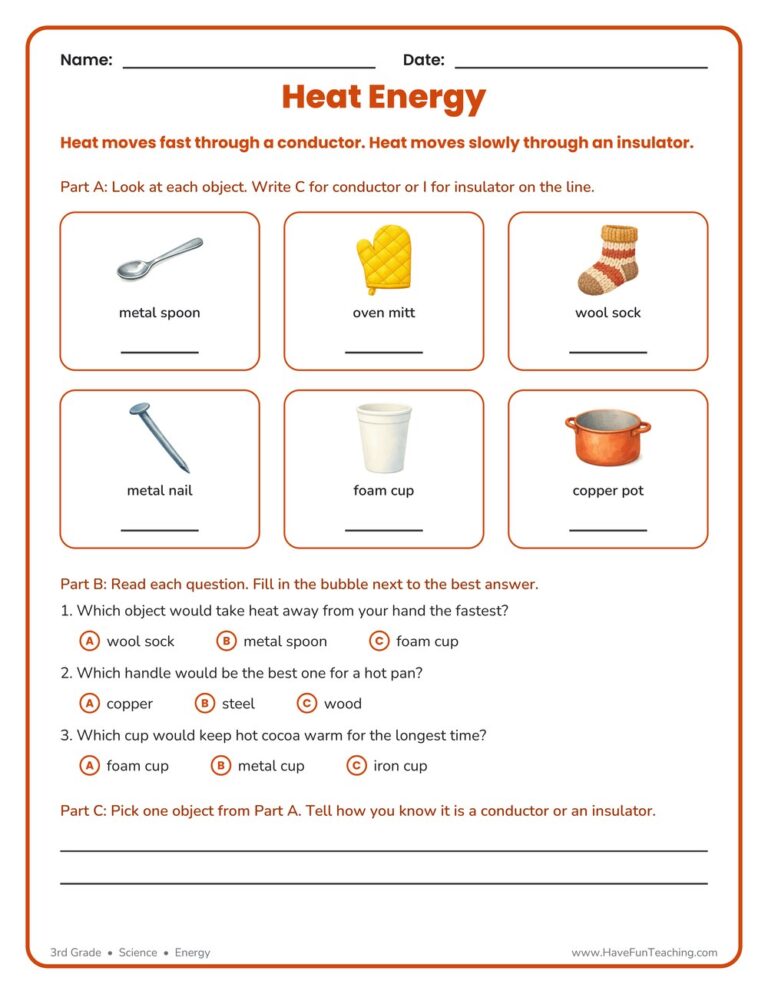
This Conductors and Insulators Heat Energy Worksheet helps 3rd grade students sort everyday objects, answer applied questions, and explain their thinking. Answer key included, so checking work takes seconds.

Worksheet
Worksheet3rd GradeIs it Magnetic Worksheet

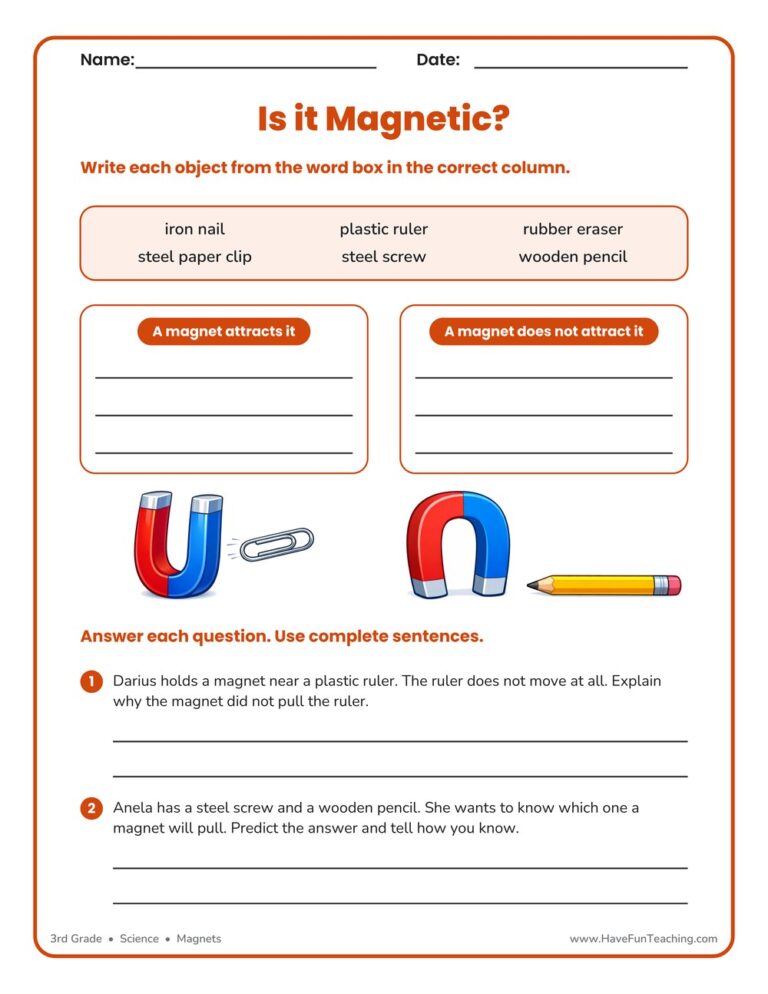
This Is it Magnetic Worksheet has 3rd Grade students sort six classroom objects by the material they are made of, then explain two predictions in writing. Answer key included, so checking work takes seconds.

Worksheet
Worksheet3rd GradeShadows Movement Worksheet

This shadows movement worksheet asks 3rd graders to sort eight light positions into longer and shorter shadows, then name what the light and the shadow did. Answer key included for no-prep science practice.

Worksheet
Worksheet3rd GradeMagnetism Experiment Worksheet

This magnetism experiment worksheet has 3rd graders sort eight objects by material, decide whether magnet poles attract or repel, and explain why steel is pulled and plastic is not. Answer key included for fast, no-prep science practice.

From our teachers' playbook

Heat, light, sound and motion, oh my!

What do 3rd graders learn about energy?

Third graders learn that energy comes in different forms they can sense every day: heat from the Sun, light that makes shadows, sound from things that vibrate, and the energy of things in motion. They test which materials let heat pass through easily (conductors like metal) and which slow it down (insulators like wool). They discover that a faster vibration makes a higher pitch, and that shadows change as the light source moves. Many classes pair this with forces, friction and magnets. The click comes when kids realize energy is everywhere, they just have to notice it.

Our favorite ways to teach energy in 3rd grade

Energy is invisible, so third graders need to feel it, hear it and see what it does.

Test the spoons

Put a metal spoon, a plastic spoon and a wooden spoon in a cup of warm water and have kids feel the handles after a minute. The metal one warms up fastest! Then they sort materials into conductors and insulators. Feeling it first makes the vocabulary stick.

Why it works: going from real objects to pictures to symbols is a core recommendation of the U.S. Department of Education's elementary math guide.
Conductors and Insulators Heat Energy WorksheetTry it withConductors and Insulators Heat Energy WorksheetWorksheetsOpen it →

Which energy is it?

Show a quick picture, like a campfire, a drum or a rolling wagon, and ask, "What forms of energy do you see?" Kids answer on a whiteboard. Fast daily checks keep all the forms fresh.

Why it works: researchers who compared ten study methods found practice testing is one of the two that work best (Dunlosky and colleagues, 2013).

Drawing Heat Energy WorksheetTry it withDrawing Heat Energy WorksheetWorksheetsOpen it →
Shadow check-ins

Trace a shadow on the playground in the morning, at lunch and before home time. Kids see it move and change size as the Sun moves. Coming back to it across the day shows energy changing over time.

Why it works: the brain holds on to what it meets again and again over time; spaced practice was rated among the very best methods (Dunlosky and colleagues, 2013).

Shadows Drawing WorksheetTry it withShadows Drawing WorksheetWorksheetsOpen it →

Questions parents and teachers ask about 3rd grade energy

What forms of energy do 3rd graders learn?

Third graders usually study heat, light, sound and motion energy. Many classes also explore forces, friction and magnets in the same unit.

What is the difference between a conductor and an insulator?

A conductor lets heat or electricity move through it easily, like metal. An insulator slows heat down, like wood, plastic or wool. That is why pot handles are often plastic.

How do you explain sound energy to kids?

Sound happens when something vibrates, or shakes back and forth very fast. Those vibrations travel through the air to your ears. Faster vibrations make higher sounds.

What is a simple energy experiment for 3rd grade?

Place metal, plastic and wooden spoons in warm water and feel which handle heats up first. It shows conductors and insulators in about two minutes.