

Animal Riddles Worksheet
This animal riddles worksheet has first graders read three clues about an animal, choose its name from a word box, and then write their own clues about an owl. Answer key included for quick, no-prep science practice.
$6.97
Or free with a membership — members pay $3.33/mo for all 10,000+ resources. See plans
Want this one free?
Tell us where to send it and it’s yours — no card, no catch.
One free resource per teacher. We’ll also send free teaching ideas each week — unsubscribe anytime.
Teaching is easier with a membership
Unlimited printables, games & videos for PreK–6th — for your classroom or homeschool. Cancel anytime.
Start your 3-day free trial$0 today · cancel anytime · Instant access to 10,000+ resources
About this resource
Description
Animals are easy to tell apart once children learn to notice the details — the fur, the feathers, the scales, the gills, and the way an animal moves and eats. This animal riddles worksheet turns those details into a guessing game, so first graders practice using observable traits as evidence instead of guessing from a picture. Every riddle names three characteristics, and a student has to hold all three in mind at once before choosing an answer.
This first grade animals worksheet is built in two parts. In Part A, students read four short riddles written in the animal’s own voice, then choose the matching animal from a five-word word box and write it on the line. The word box holds one extra animal that fits none of the clues, so students cannot solve the last riddle by elimination — they have to read it. In Part B, students look at a picture of an owl and write three clues of their own, which turns them from riddle solvers into riddle writers.
What’s Included
- 1 print-ready PDF worksheet
- Answer key
- 4 animal riddle cards with a five-word word box
- 1 write-your-own-clues activity with original owl artwork
There are three reasons this animal riddles worksheet helps children learn. First, it teaches students to gather several pieces of evidence before answering, which is the habit every early science standard is really after. Second, the clue sentences are short and decodable for first grade readers, so the reading load never gets in the way of the science thinking. Third, writing original clues in Part B asks students to reverse the task and describe an animal’s traits in their own words, which is how a teacher can tell the difference between a lucky guess and real understanding.
Teachers and parents can stretch this activity in a few easy ways. Read the riddles aloud together and pause after each clue so children can narrow the list, which models how good readers revise a first guess. Cut the word box apart and let students place the words on the cards before writing them, a helpful step for children who are still building writing stamina. Play the same game with classroom pets, backyard birds, or animals from a favorite picture book. You can also pair this sheet with a sorting activity so students group the same animals by body covering, then finish with an animal song for a quick brain break.
Related Resources
What teachers say
Reviews
You must be logged in to post a review.
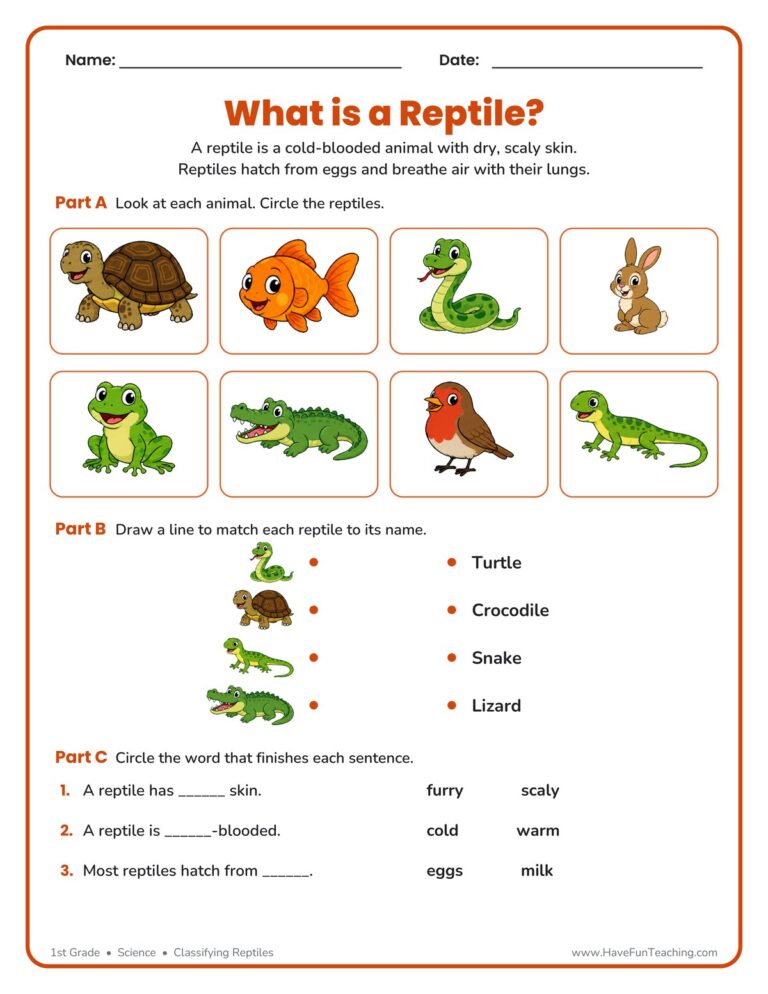
This reptile classification worksheet helps 1st graders sort animals by circling reptiles, matching them to their names, and completing simple reptile facts. Includes a complete answer key for fast, no-prep life science practice.
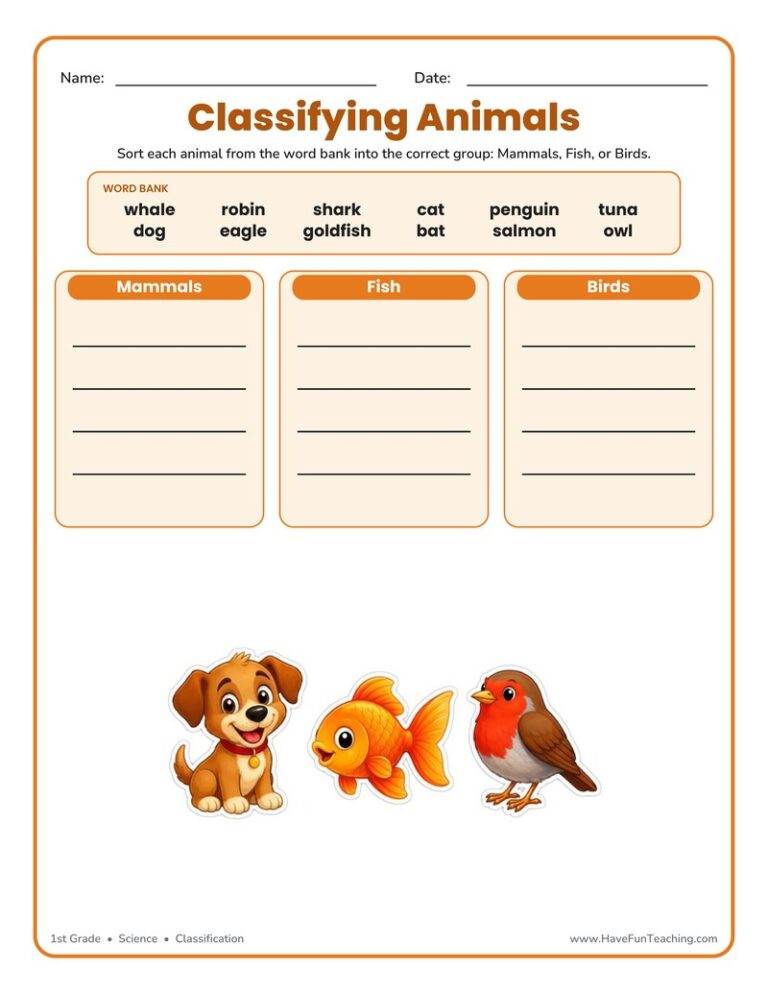
A 1st grade Mammals, Fish, or Birds Classifying Animals Worksheet where students sort a word bank of animals into three groups. Includes a complete answer key for quick, no-prep science practice.

Use this Importance of Farming Worksheet to help 1st Grade students sort six farm foods into plants and animals and decide what farms really give people. Answer key included for fast, no-prep science practice.

This Snake Rebus Worksheet gives 1st graders a picture-supported story to read aloud, then four pictures to label with the matching word. Answer key included, so fluency practice takes almost no prep.

Students label nine friendly animal pictures using a nine-word bank in this animal names worksheet. Built for 1st Grade science, with an answer key included so checking work takes seconds.

Using this Animal Song (Animated Music Video), your students learn about different types of animals and their sounds by watching this fun, catchy video.

This Ocean Animal Habitat Worksheet has 1st graders circle the animals that live in the sea, then write the three names on wide handwriting lines. Answer key included for quick, no-prep science practice.
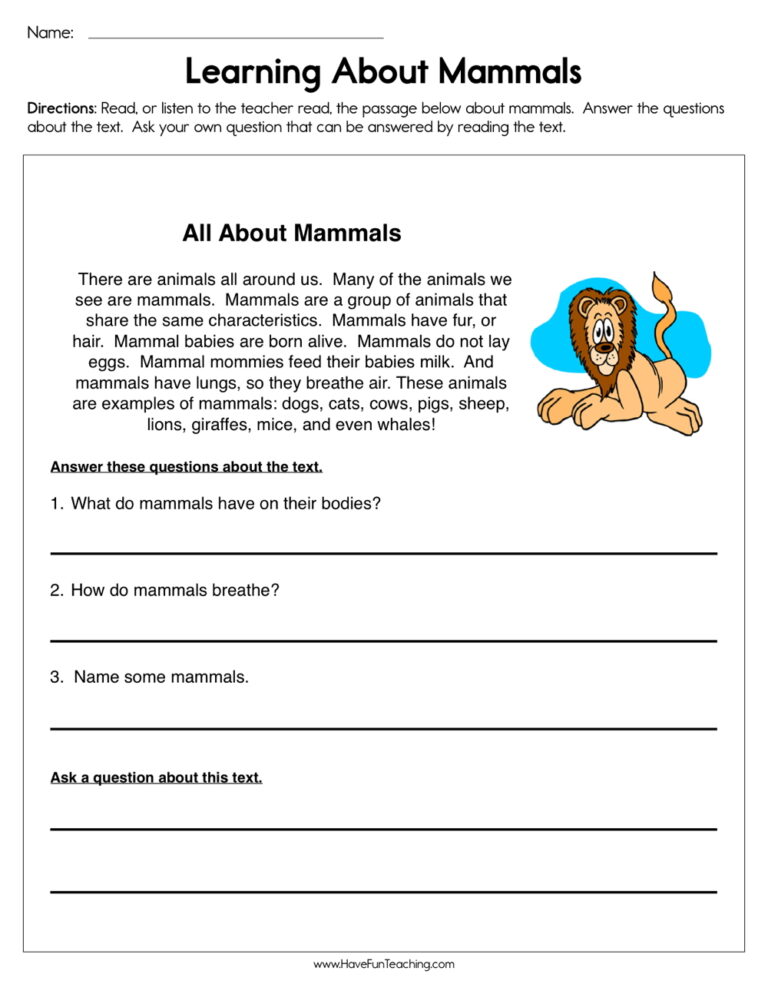
This Learning about Mammals Worksheet gives 1st graders a short informational passage and five fill-in-the-bubble questions about mammal traits. An answer key is included, so reading comprehension practice takes no prep at all.
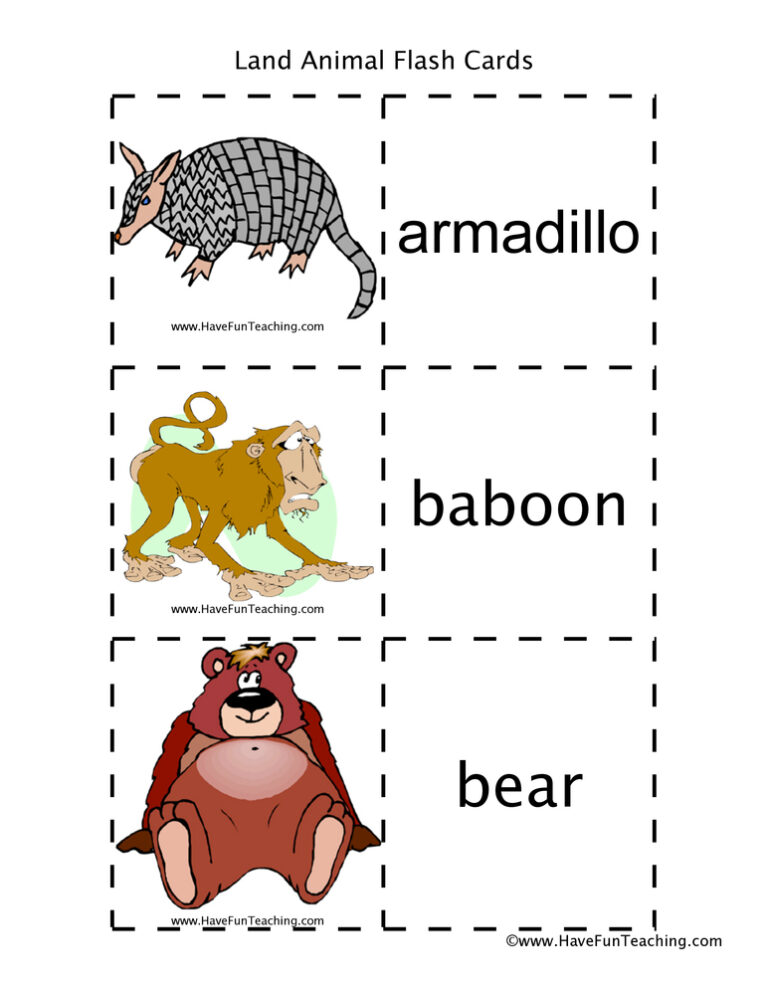
Using these Land Animal Flash Cards, students improve their Insect vocabulary by having a complete set of animal names they can use in their writing and discussions.

This animal habitats matching worksheet has first graders match five animals to their homes, then write the animal that lives in each pictured habitat. Answer key included.
The Life Science Stories Reading Comprehension Digital Worksheet Collection has online digital worksheets for Google Classroom & online distance learning.
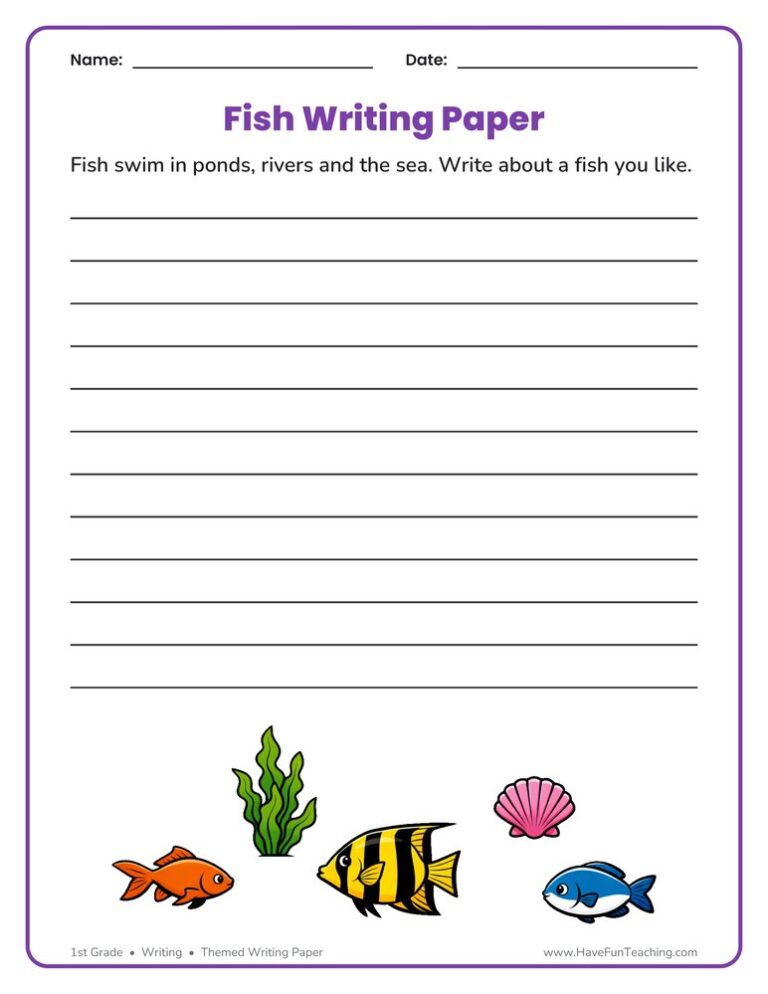
This fish writing paper worksheet gives 1st grade students wide lined paper and a fun fish prompt, so every child can write about a favorite fish and practice neat, complete sentences.




Reviews
There are no reviews yet