

Endings Worksheet
This endings worksheet helps 3rd grade students compare how two stories they have read end, explaining each ending and how the two are alike and different to build strong reading skills.
$6.97
Or free with a membership — members pay $3.33/mo for all 10,000+ resources. See plans
Want this one free?
Tell us where to send it and it’s yours — no card, no catch.
One free resource per teacher. We’ll also send free teaching ideas each week — unsubscribe anytime.
Teaching is easier with a membership
Unlimited printables, games & videos for PreK–6th — for your classroom or homeschool. Cancel anytime.
Start your 3-day free trial$0 today · cancel anytime · Instant access to 10,000+ resources
About this resource
Description
How to Teach Story Endings
Every good story builds to an ending, and the ending is where the problem gets solved and the events come together. This Endings Worksheet helps 3rd grade readers look closely at how two different stories finish, then compare those endings side by side. Thinking about how an author wraps up a plot is a key step toward understanding story structure, and it gives students a clear, concrete way to practice comparing and contrasting texts.
About This Worksheet
Students choose two stories they have read and write each title on the form lines at the top. Next, they explain how Story 1 ends and how Story 2 ends in the first two boxes. Finally, they write how the two endings are alike and how they are different. Because students bring their own stories, this compare story endings worksheet works with any read-aloud, library book, or anthology selection, and every response is the child’s own.
What’s Included
- One printable Endings Worksheet page for 3rd grade
- Two title lines for the stories students choose
- Four labeled writing boxes with roomy, grade-sized lines
- A compare and contrast layout that works with any pair of stories
Why This Helps Kids
First, it shows students that an ending is more than the last page: it is where the story problem gets solved. Second, writing each ending in their own words builds summarizing and retelling skills. Third, comparing two endings strengthens the compare and contrast thinking students use across reading, writing, and test prep.
Ideas for Teachers and Parents
Pair two versions of the same fairy tale, two books by the same author, or two stories from a reading unit. Model the first box together, then let students finish independently or with a partner. The Endings Worksheet also makes a quick literacy center, homework page, or book club follow-up, and it pairs well with the resources below.
Related Resources
What teachers say
Reviews
You must be logged in to post a review.
This blank Venn diagram graphic organizer worksheet gives 3rd grade students two roomy circles and a shared middle for comparing any two topics, so their thinking is sorted out before they write.
This Compare and Contrast Topics Graphic Organizer Worksheet gives 3rd graders a large Venn diagram to sort how two topics are alike and different. A flexible, no-prep reading tool for any two subjects at home or school.

This comparing and contrasting venn diagram worksheet has 3rd grade students sort eight facts about apples and oranges into a labeled Venn diagram, then write two comparison sentences. Answer key included.
This comparing two characters worksheet has 3rd graders sort facts about the tortoise and the hare into a Venn diagram and write a comparison, with an answer key included, to sharpen character analysis.

This similes worksheet gives 3rd grade students practice completing, analyzing, and writing similes, with an illustrated prompt and an answer key included so every child can describe the world more vividly.
Using this Frog and Toad Together Worksheet, studentsread Frog and Toad Together to compare and contrast the adventures the two characters have in the book.

This Compare Contrast Similar Texts Worksheet hands 3rd graders two short orchard passages and asks what each author's most important point is. Answer key included — an easy way to practice comparing texts with real evidence.

Using Compare and Contrast Across Cultures Activity, students compare and contrast two or more versions of the same story by different authors or from different cultures.
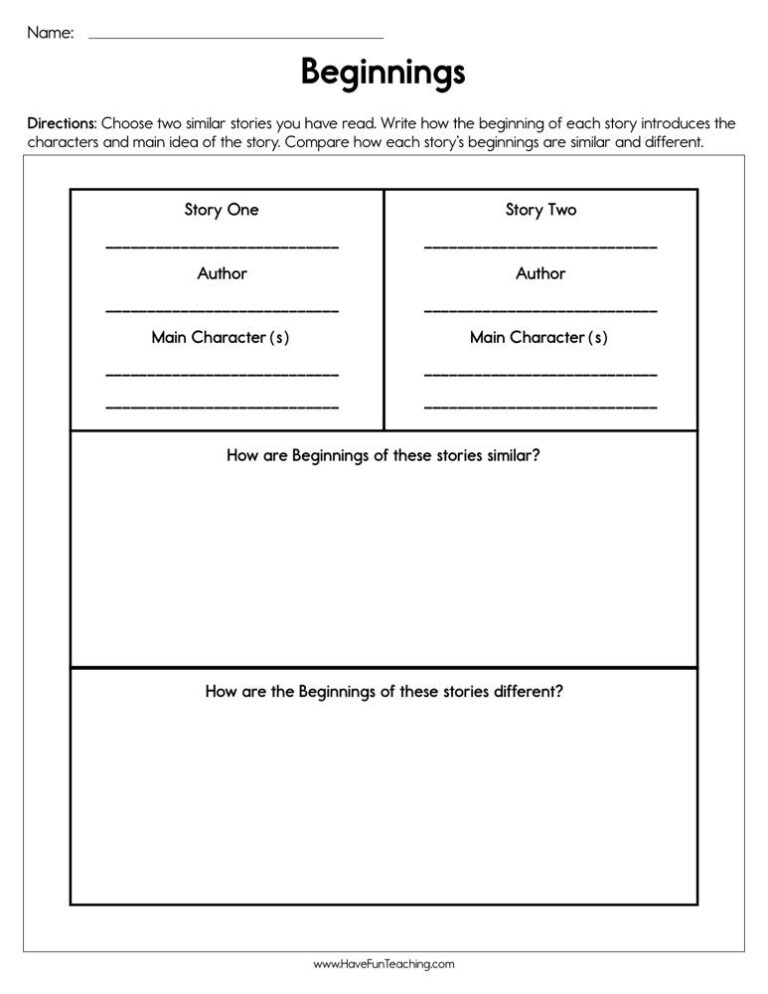
Using Beginnings Worksheet, students write how the beginning of each story introduces the characters and main idea of the story to compare the two similar stories read.

A compare and contrast cause and effect graphic organizer where 3rd graders chart what happened and why in two texts, then write how the texts compare. Works with any pair of books.

Using this Comparing Seasons Venn Diagram Worksheet, students compare two seasons using a Venn Diagram.
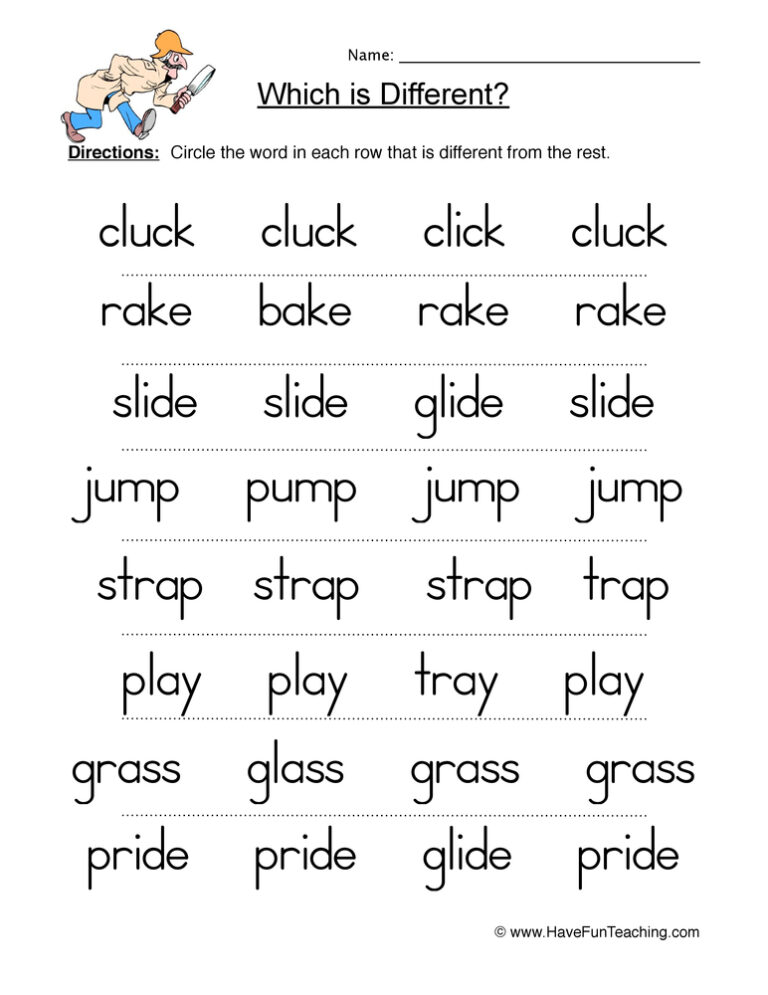
This same different blend words worksheet has 1st graders circle the odd word in each row of blends, then mark word pairs same or different. An answer key is included, so it prints and goes.




Reviews
There are no reviews yet