
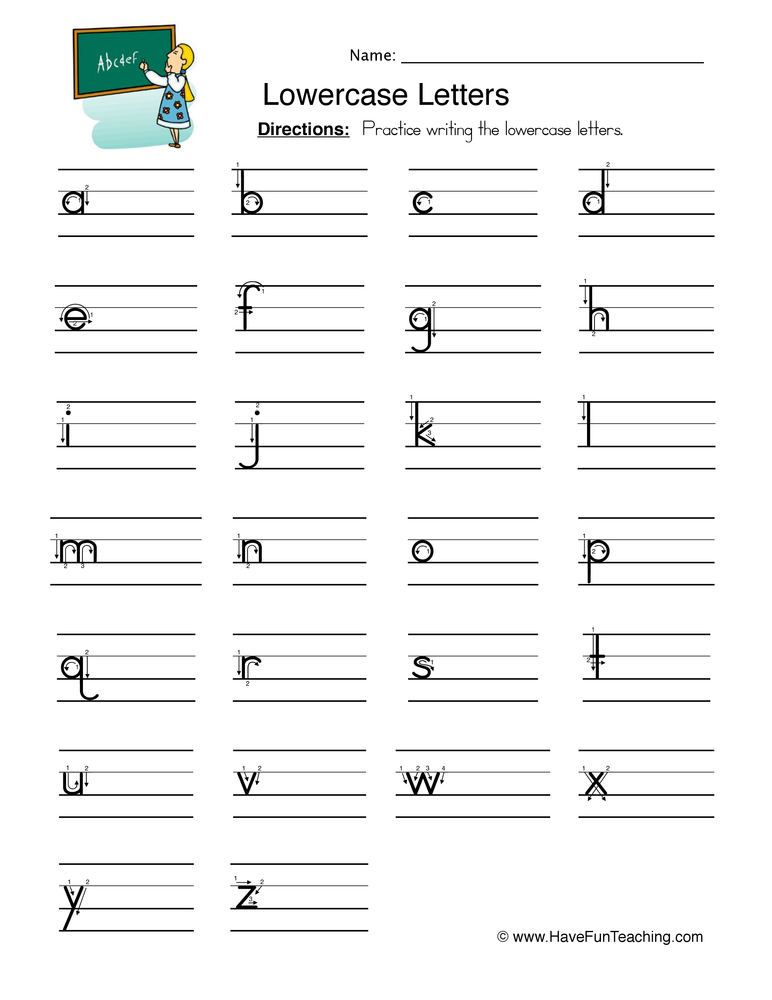
Lowercase Letters Writing Worksheet
This lowercase letters writing worksheet gives Kindergarten students guided lines to trace every lowercase letter from a to z. Answer key included for quick, no-prep alphabet and handwriting practice.
$6.97
Want this one free?
Tell us where to send it and it’s yours — no card, no catch.
One free resource per teacher. We’ll also send free teaching ideas each week — unsubscribe anytime.
Free teacher account · no credit card
Membership
Get every game, song, & printable
- Every game, on any device
- 10,000+ printables
- Assign online with HFT Classroom
Then $39.97/year · cancel anytime · See plans
- Instant digital download
- Printable PDF + answer key
- Made by real teachers
Teacher / Family membership
Teaching is easier with every resource
One membership for your whole year: 10,000+ worksheets, games, songs and videos for Preschool–6th, for your classroom or homeschool.
- Unlimited printables & downloads
- Every game, on any device
- Assign online with HFT Classroom
- Cancel anytime
Teacher / Family membership · 3 days free
Yearly
Monthly would be $119.64 a year
$3.33/month
Billed $39.97 once a year
You save $79.67 every year
Start My 3 Free Days$0 today · cancel anytime
Monthly
$9.97/month
Flexible, month to month
Yearly is just $3.33/mo. Switch and save $79.67
Start My 3 Free Days$0 today · cancel anytime
About this resource
Description
Learning to write the lowercase alphabet is one of the first big steps young writers take, and this lowercase letters writing worksheet gives them a clear, friendly place to practice. Forming each lowercase letter correctly — knowing where it starts, how tall it stands, and which letters dip below the line — builds the muscle memory and confidence kids need for neat, readable handwriting.
This kindergarten alphabet worksheet lays out all twenty-six lowercase letters from a to z in a simple grid, each sitting on a three-line handwriting guide with a dotted trace to follow. Students start at the top-left with “a” and work across each row, tracing the light gray letters between the top line, dashed middle line, and baseline. Print one copy per child, grab a pencil, and let students trace the whole alphabet — or focus on just a few letters at a time for shorter practice sessions.
What’s Included
- 1 print-ready PDF worksheet
- Answer key
- 26 lowercase letter tracing activities (a–z)
This lowercase letters writing worksheet helps children in three important ways. First, the dotted trace and guide lines show exactly how tall each letter should be, so kids learn proper letter formation instead of guessing. Second, practicing all twenty-six letters in one place helps children see the whole alphabet and remember the shape of each lowercase letter. Third, the repetition of tracing builds fine-motor control and pencil grip, making everyday writing smoother and faster.
Teachers and parents can extend this practice in playful ways. Try saying each letter’s sound as students trace it to connect handwriting with phonics, or challenge kids to find and circle the letters in their own name. Once the tracing feels easy, have children write a few letters on their own on a blank line, form letters in sand or shaving cream for a hands-on twist, or race to write the alphabet while still staying on the lines.
Related Resources
What teachers say
Reviews
You must be logged in to post a review.
The Letter A Song (Original Music Video) will help students learn all about the letter by watching a video about letter sounds, vocabulary words, and letter formation.

The Alphabet Song (Animated Music Video) will help students learn letter names and sounds by listening to the catchy lyrics and colorful video.

The Baby Shark Alphabet Song (Animated Music Video) will help students learn letter names and sounds by listening to the catchy lyrics and colorful video.
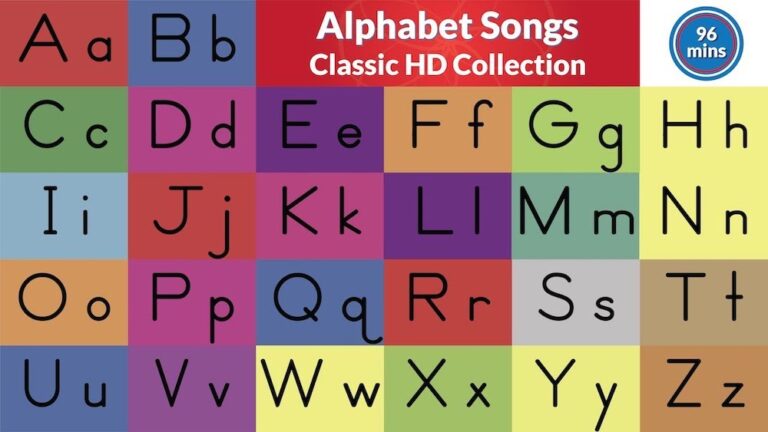
The Alphabet Songs Collection - Classic will help your kids gain a better understanding of letter names and sounds by listening to these ABC Songs.

The Alphabet Songs Pack - Animated will help support your visual learners gain a better understanding of letter names and sounds by listening to this song.

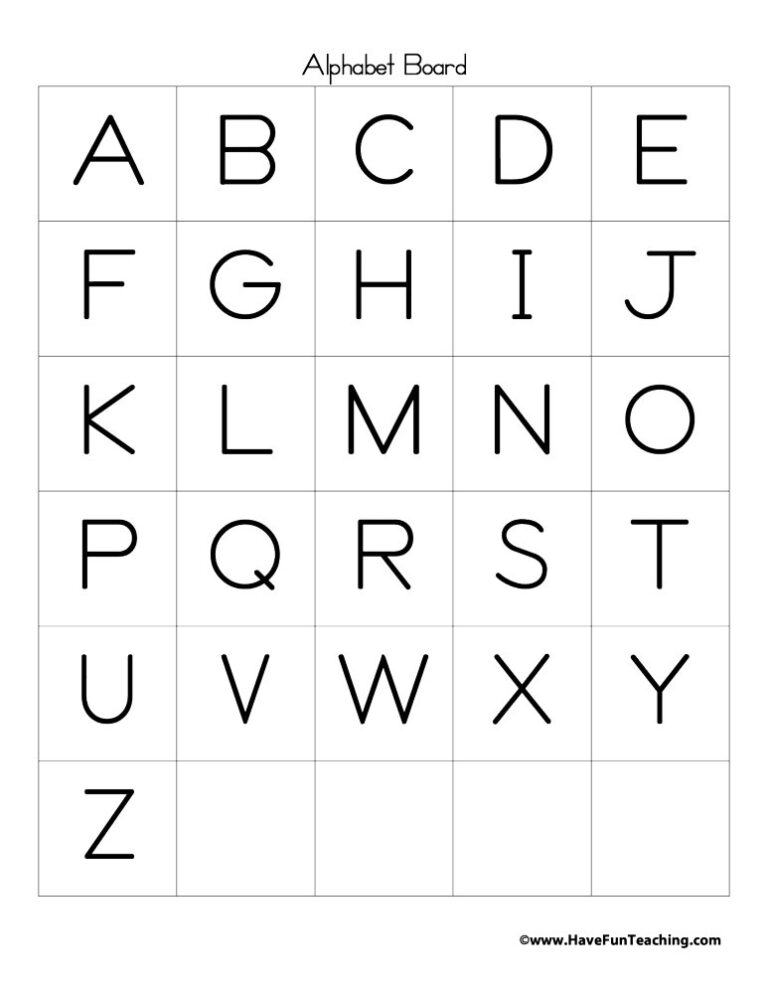
This alphabet letter recognition assessment helps kindergarten teachers quickly check which uppercase and lowercase letters a child can name. Includes a complete A-to-Z answer key for fast, low-prep progress checks.
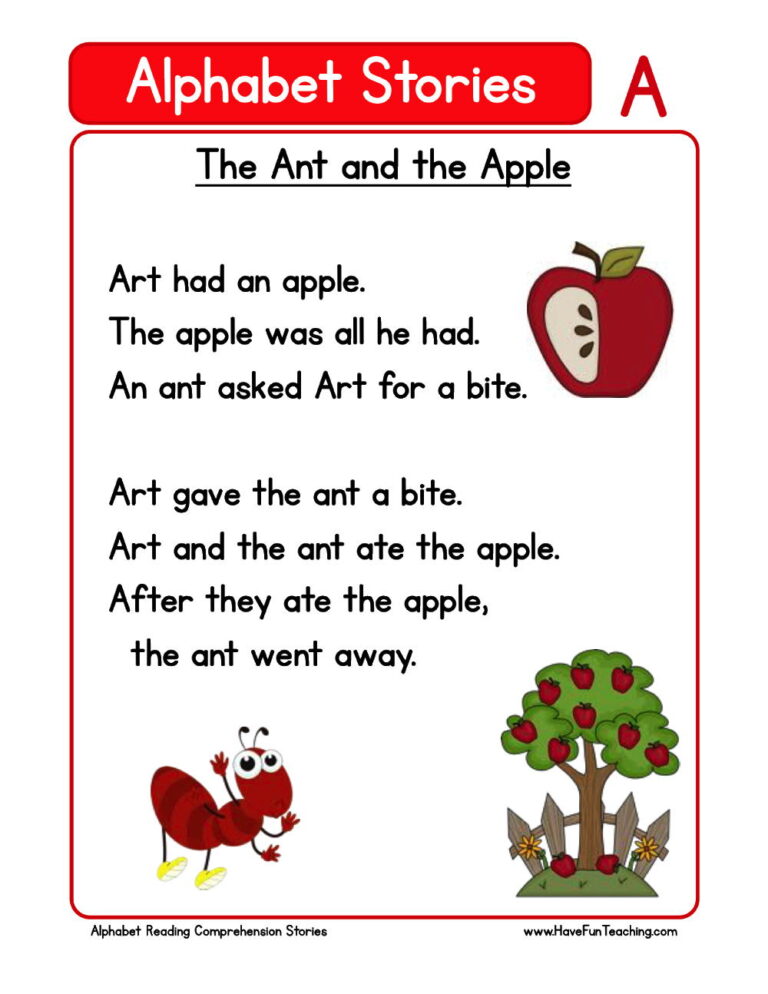
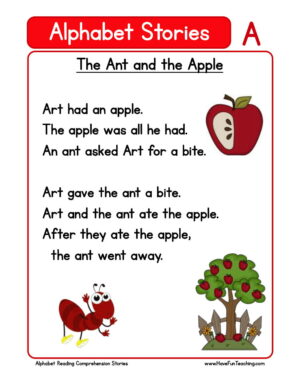
This free Alphabet Stories Letter A Reading Comprehension Worksheet pairs a short letter A story with fill-in-the-bubble questions for kindergarten readers. Includes an answer key — a fun, no-prep way to practice phonics and comprehension.

The Letter H Song (Original Music Video) will help students learn all about the letter by watching a video about letter sounds, vocabulary words, and letter formation.
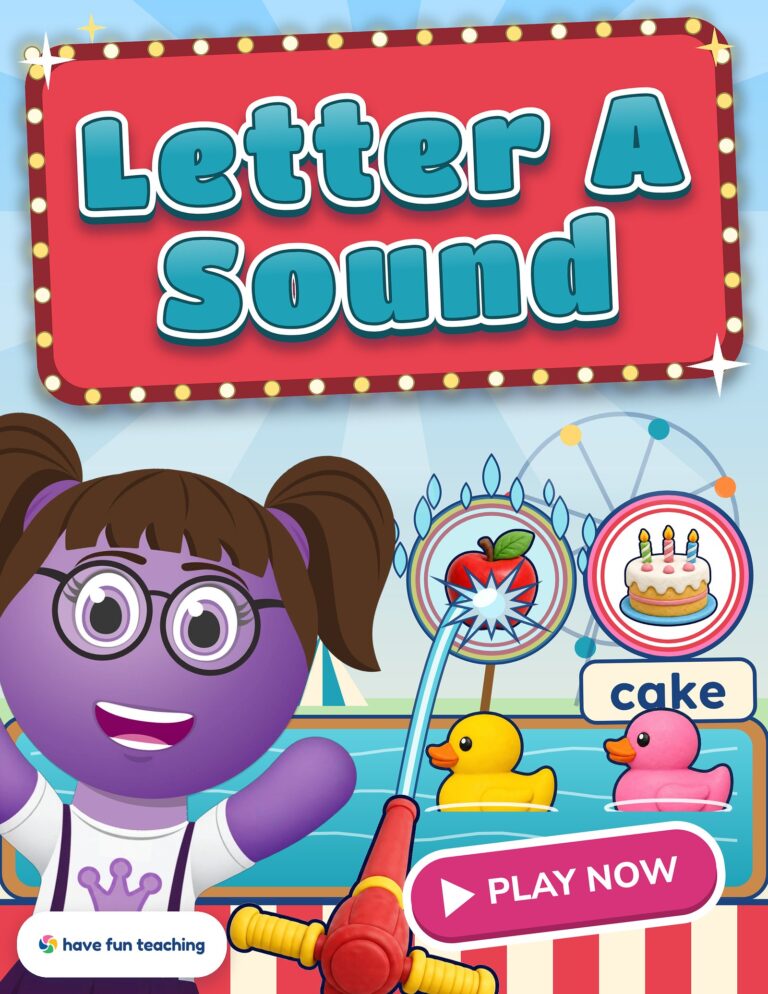
A carnival water-squirter letter A sound game where kindergarten kids squirt the targets with the short a and long a sounds, from apple and acorn to cat and cake. Play online on any phone, tablet, Chromebook or computer.

The Letter B Song (Original Music Video) will help students learn all about the letter by watching a video about letter sounds, vocabulary words, and letter formation.
Reviews
There are no reviews yet