

Natural Resources Sorting Worksheet
The Natural Resources Sorting Worksheet has 4th graders sort a word bank of twelve resources into renewable and non-renewable columns, then write a sentence. Answer key included for easy Earth Science practice.
$6.97
Or free with a membership — members pay $3.33/mo for all 10,000+ resources. See plans
Want this one free?
Tell us where to send it and it’s yours — no card, no catch.
One free resource per teacher. We’ll also send free teaching ideas each week — unsubscribe anytime.
Teaching is easier with a membership
Unlimited printables, games & videos for PreK–6th — for your classroom or homeschool. Cancel anytime.
Start your 3-day free trial$0 today · cancel anytime · Instant access to 10,000+ resources
About this resource
Description
Natural resources are the materials we get from the Earth to meet our needs, and learning to tell them apart is an important Earth Science skill. This Natural Resources Sorting Worksheet helps 4th grade students understand the difference between renewable resources, which can be replaced over time, and non-renewable resources, which cannot be replaced once they are used up. By sorting familiar resources like sunlight, water, coal, and oil, children build a clear mental model of how we use and conserve the Earth’s materials.
This renewable and non-renewable resources worksheet gives students a word bank of twelve natural resources and two labeled columns. Learners read each resource, decide whether it can be replaced quickly in nature, and write it under the correct heading. Then they write a sentence of their own using one of the resources, connecting the vocabulary to real life. Use it as independent practice, a science-center activity, or a quick review before a unit test.
What’s Included
- 1 print-ready PDF worksheet
- Answer key
- A 12-word sort into renewable and non-renewable columns plus a sentence-writing prompt
The Natural Resources Sorting Worksheet helps kids in three ways. First, sorting forces students to actively compare each resource instead of just memorizing a list, which deepens understanding. Second, the word bank and clear columns make the task approachable for all learners, building confidence. Third, the sentence-writing prompt pushes students to use science vocabulary in context, strengthening both their reading and writing skills alongside the science content.
To extend the lesson, ask students to add their own examples of renewable and non-renewable resources to each column, or to discuss ways people can conserve non-renewable resources at home and school. Teachers can turn the sort into a hands-on activity with picture cards, and parents can point out natural resources during a walk, a car ride, or a trip to the store.
Related Resources
What teachers say
Reviews
You must be logged in to post a review.

A layers of the Earth definition worksheet for 4th grade where students match each layer to its description and label a cross-section diagram. Answer key included for quick, no-prep earth science practice.
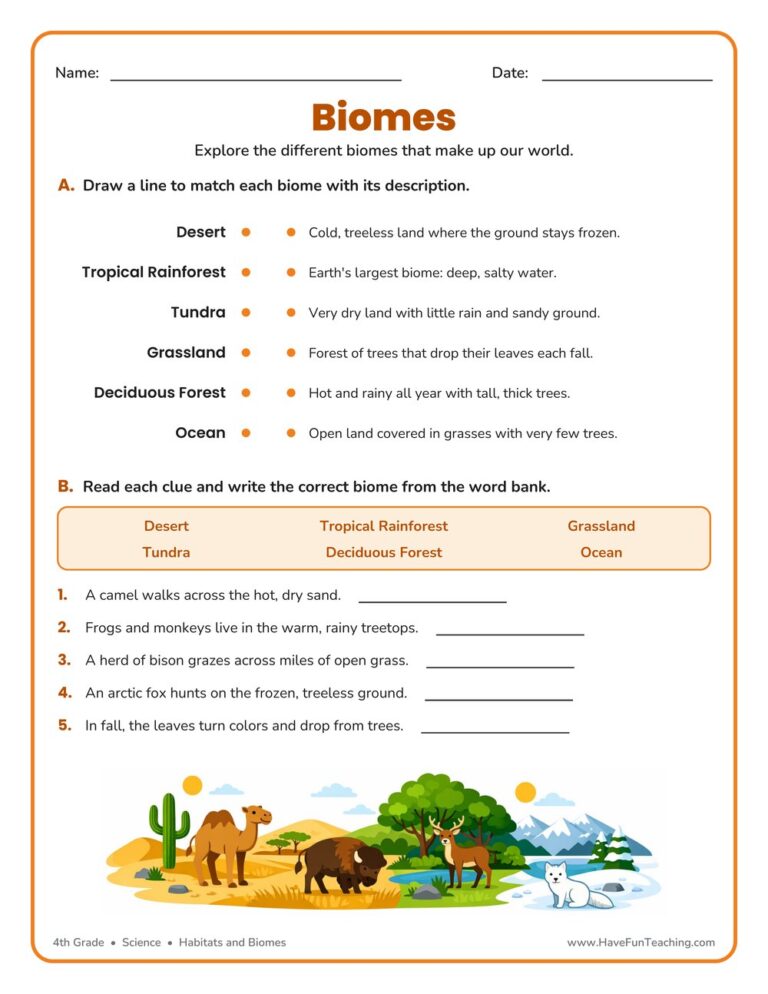
This Biomes Worksheet helps 4th grade students match major biomes to their climates and identify each one from real-world clues. Includes an answer key for fast, no-prep science practice at home or school.
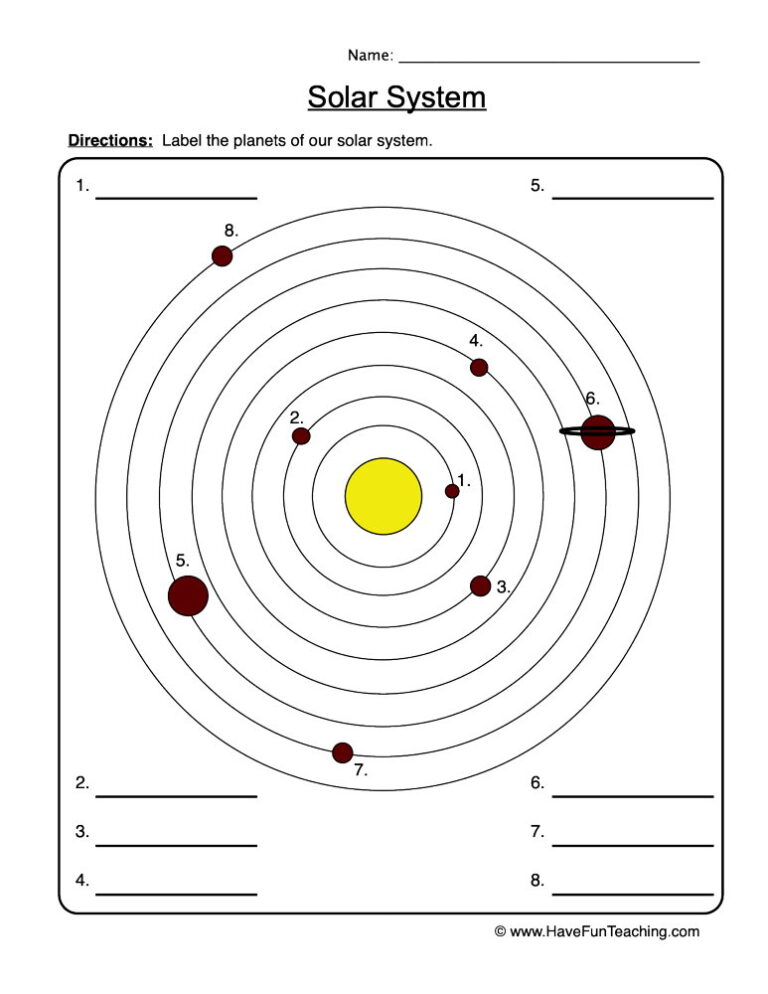
This solar system diagram worksheet has 4th graders label all eight planets in order from the Sun, then answer four questions about the diagram. An answer key is included, so review takes only minutes.
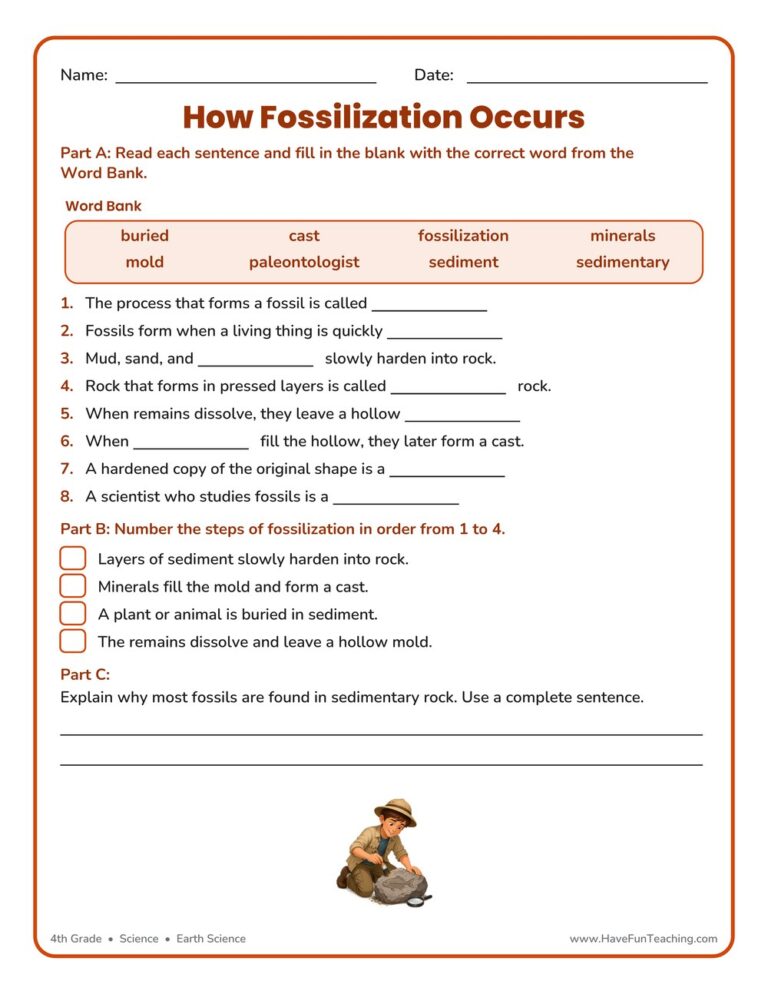
This Fossils Fill in the Blank Worksheet gives 4th grade students hands-on earth science practice with fossilization, sedimentary rock, and key vocabulary. Answer key included to make review quick and easy.

Our Natural Resources Worksheet asks 4th graders to sort eight resources into renewable and nonrenewable columns, then explain the difference in writing. Answer key included — easy no-prep Earth Science practice.

A weathering worksheet that helps 4th graders sort mechanical and chemical weathering, master key earth science vocabulary, and explain their thinking. Answer key included for fast, no-prep review.

This Earth Layers Worksheet has 4th graders label a colorful cross-section of the planet, then name each layer from a short description. An answer key is included, so it is ready to print and teach today.
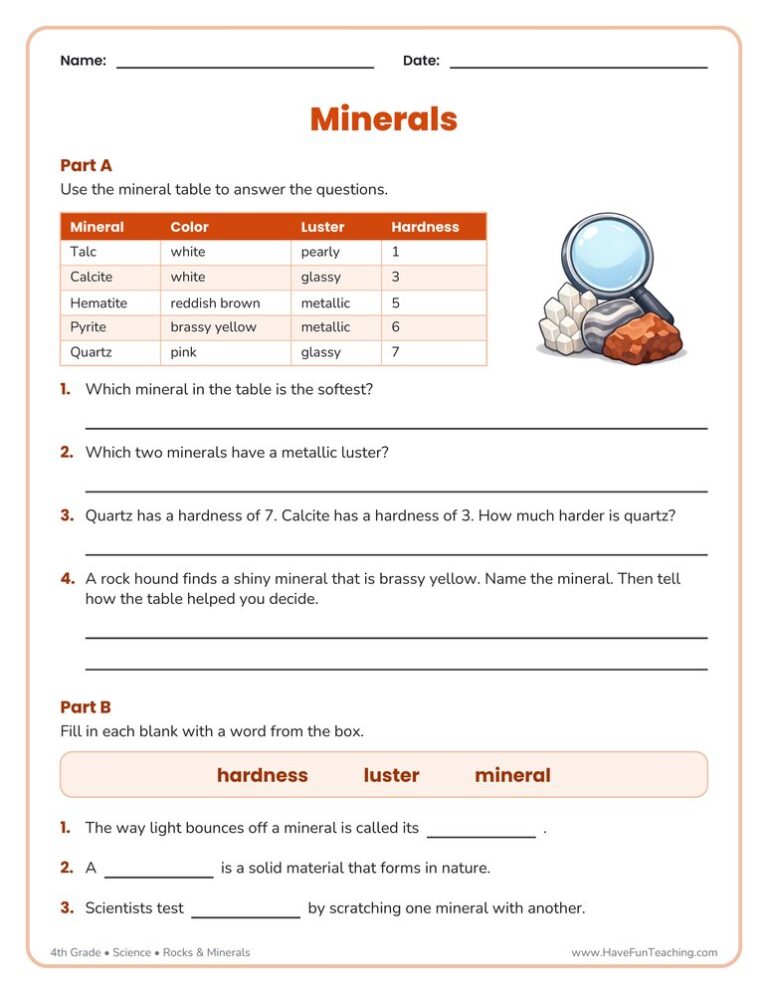
This Rocks & Minerals Worksheet gives 4th graders a real property table of talc, calcite, hematite, pyrite, and quartz to read and reason from. Answer key included, so mineral identification practice takes no prep at all.

This Drawing Moon Phases Worksheet gives 4th grade students eight circles to shade, one for every phase of the moon in order, plus two questions to explain what they see. An answer key is included.

A Weather Instruments Match Worksheet for 4th Grade: students match six weather tools to what they measure, pick the right instrument for real situations, and explain their thinking. Answer key included for fast, no-prep science practice.
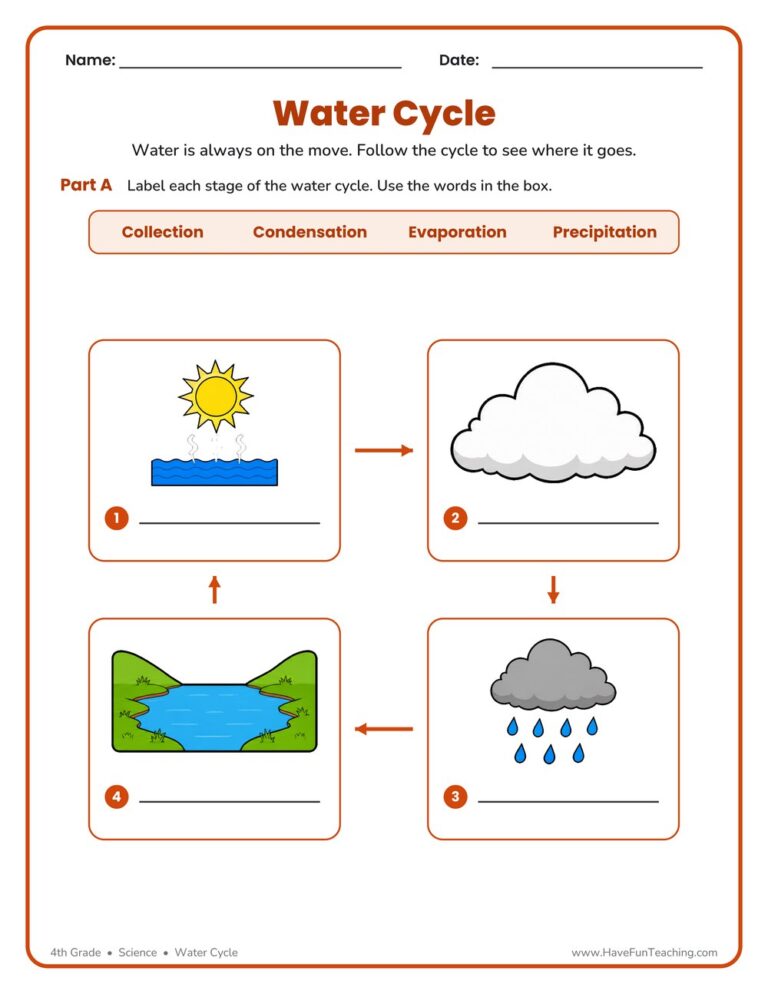
This Water Cycle Worksheet helps 4th graders label the stages of the water cycle, match science terms to clues, and explain the process in their own words. Includes an answer key — a no-prep way to reinforce earth science vocabulary.

While watching the Creation Song, students learn about the days of Creation perfect for Sunday school, kid's church, and Bible lessons for kids. Bring joy and understanding into your kid's church, Sunday school, and classroom with this song about the days of Creation. Your kids will love a new way…




Reviews
There are no reviews yet