

Using RF.5.4 Fifth Grade Common Core Lesson, students read with sufficient accuracy and fluency to support comprehension to improve fluency and accuracy.

Using RI.5.3 Fifth Grade Common Core Lesson, students explain therelationships between individuals, events, or ideasin a historical, scientific, or technical text based on specific information in the text.

Using RI.5.6 Fifth Grade Common Core Lesson, students analyze multiple accounts of the same event or topic, noting important similarities and differences in the point of view they represent.

Using RI.5.9 Fifth Grade Common Core Lesson, students use the graphic organizer to record what you read in multiple texts.

Using RL.5.2 Fifth Grade Common Core Lesson,students determine the main idea of a text and recount the key details and explain how they support the main idea.

Using RL.5.7 Fifth Grade Common Core Lesson, students analyze how visual and multimedia elements contribute to the meaning, tone, or beauty of a text.

Using this SL.5.1 Fifth Grade Common Core Lesson, students engage effectively in a range of collaborative discussionswith diverse partners on grade 5 topics and texts, building on others' ideas and expressing their own clearly.

Using W.5.1 Fifth Grade Common Core Lesson, students write opinion pieces on topics or texts, supporting a point of view with reasons and information.

Using W.5.10 Fifth Grade Common Core Lesson, students write routinely over extended time framesand shorter time framesfor a range of discipline-specific tasks, purposes, and audiences.

Using W.5.2 Fifth Grade Common Core Lesson, students write informative/explanatory texts to examine a topic and convey ideas andinformation clearly.

Using W.5.4 Fifth Grade Common Core Lesson, studentsproduce clear and coherent writing in which the development and organization are appropriate to task, purpose, and audience.

Using W.5.7 Fifth Grade Common Core Lesson, students conduct short research projects that use several sources to build knowledge through investigation of different aspects of a topic.
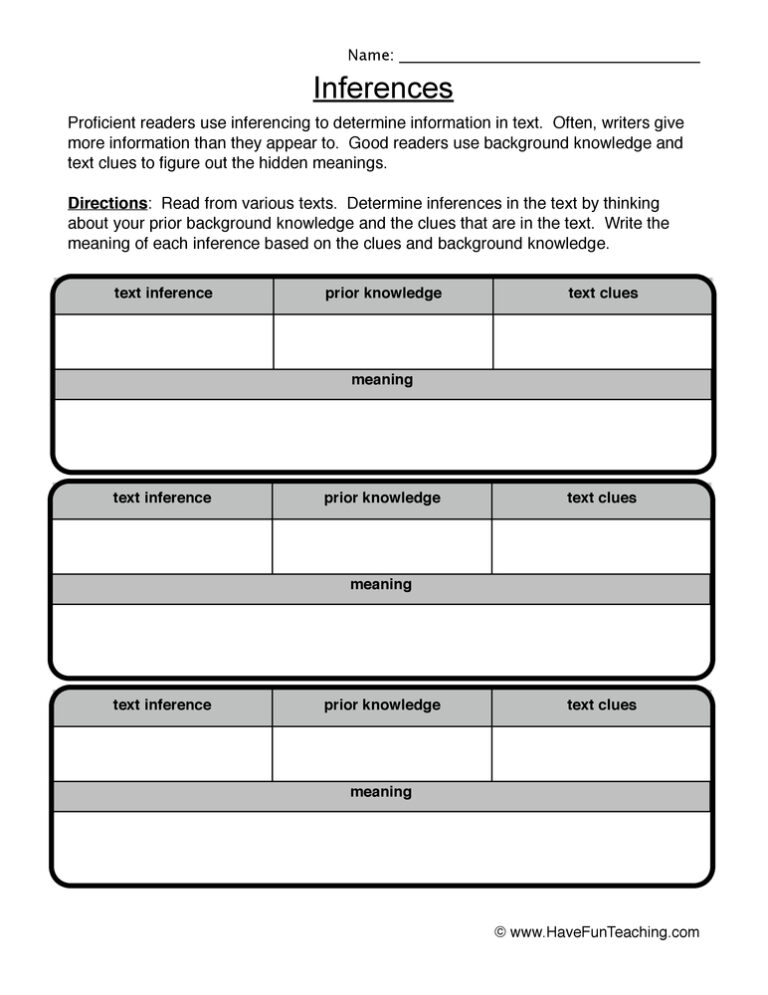
UsingInference Graphic Organizer Worksheet, students determine inferences in the text by thinking about your prior background knowledge and the clues that are in the text. This is perfect for making inferences and drawing conclusions.

Using Inference Recording Worksheet, students determine inferences in the text by thinking about your prior background knowledge and the clues that are in the text. This is perfect for making inferences and drawing conclusions.
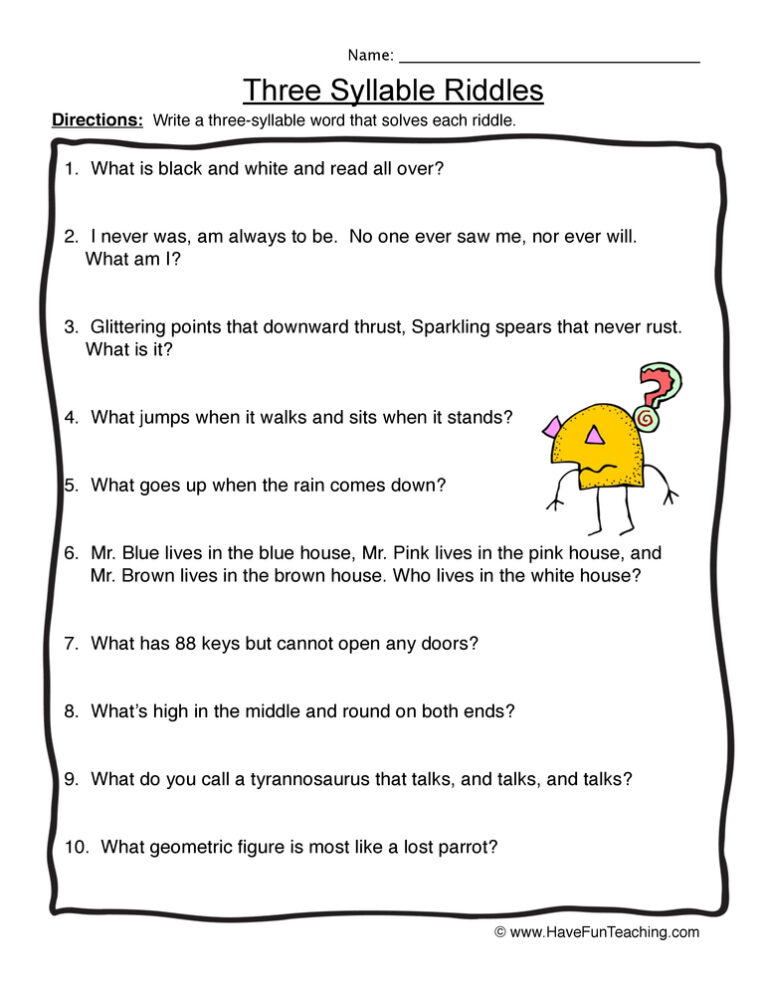
Using this Three Syllable Riddles Worksheet, students write a three-syllable word that solves each riddle to build their ability to break down words.

Using Categorizing Living and Non-Living Things Worksheet, students use a Frayer Model to describe characteristics and examples of living and nonliving things.
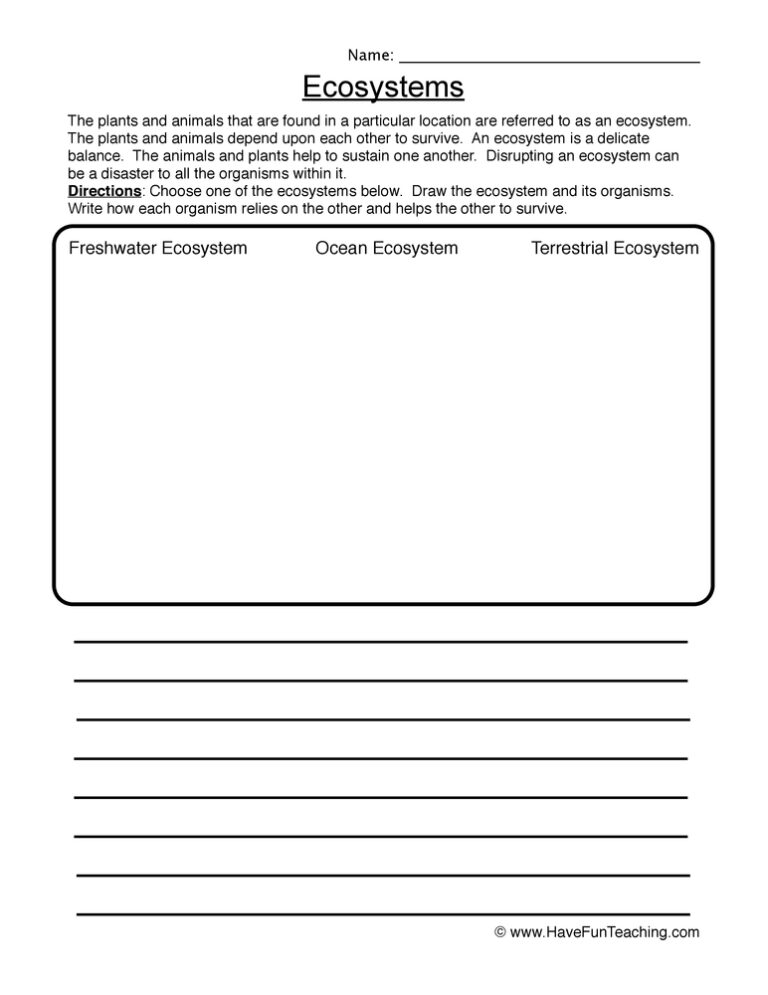
Using Drawing Ecosystems Worksheet, students draw an ecosystemand write how each organism relies on the other and helps the other to survive.

science worksheet, earth science worksheet, need and wants, resources, conservation
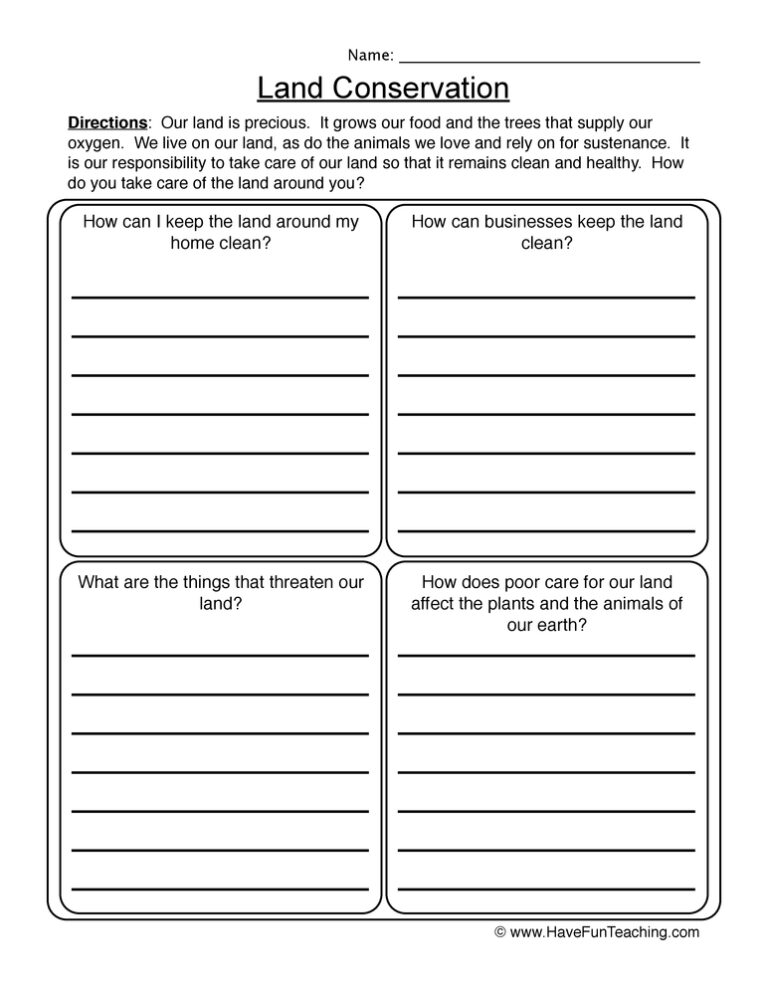
UsingLand Conservation Worksheet, students brainstorm ways that they can take care of our land so it remains clean and healthy.

Using this Matching Animal Needs Worksheet, students draw lines from animal needs to the animal that the description best fits.