
Using this Find and Measure Activity, students measure common objects to the nearest unit to build their measurement skills.

Using Position Words Butterfly Activity, students choose a word from the box to describe where the butterfly is located in relation to the object to build their positional word vocabulary.

Using this Using Objects to Count Assessment Worksheet, students use objects to count a number from 1 to 20 to build counting fluency.
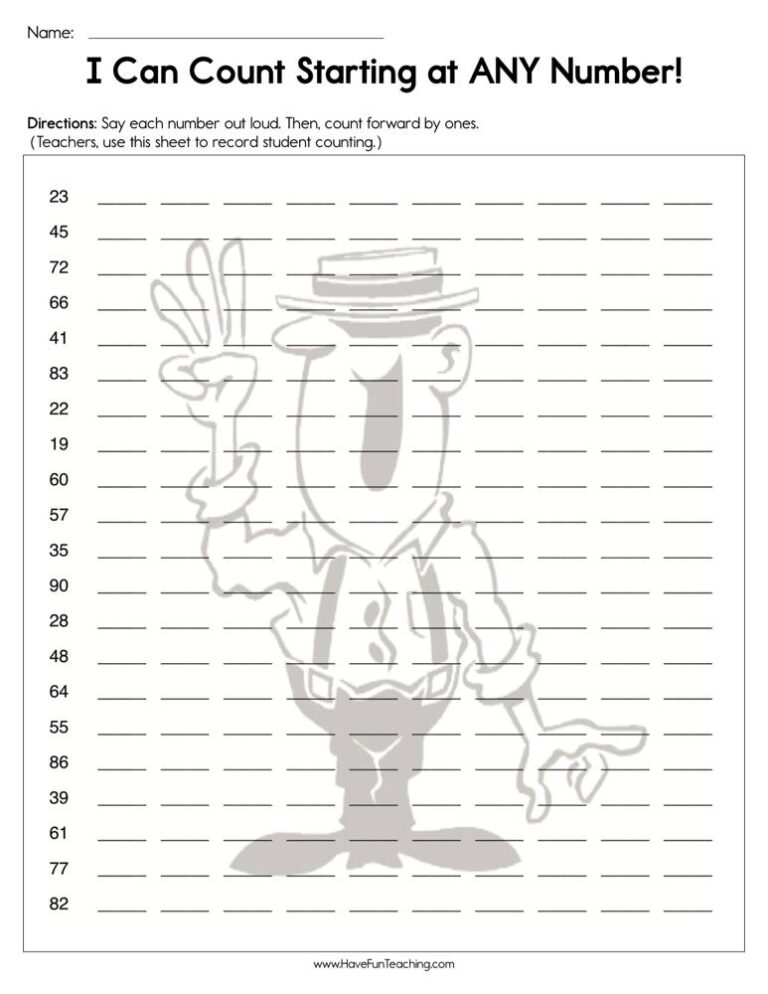
Using I Can Count Starting at any Number Worksheet, students start at the provided number and count forward by ones to build counting fluency skills.
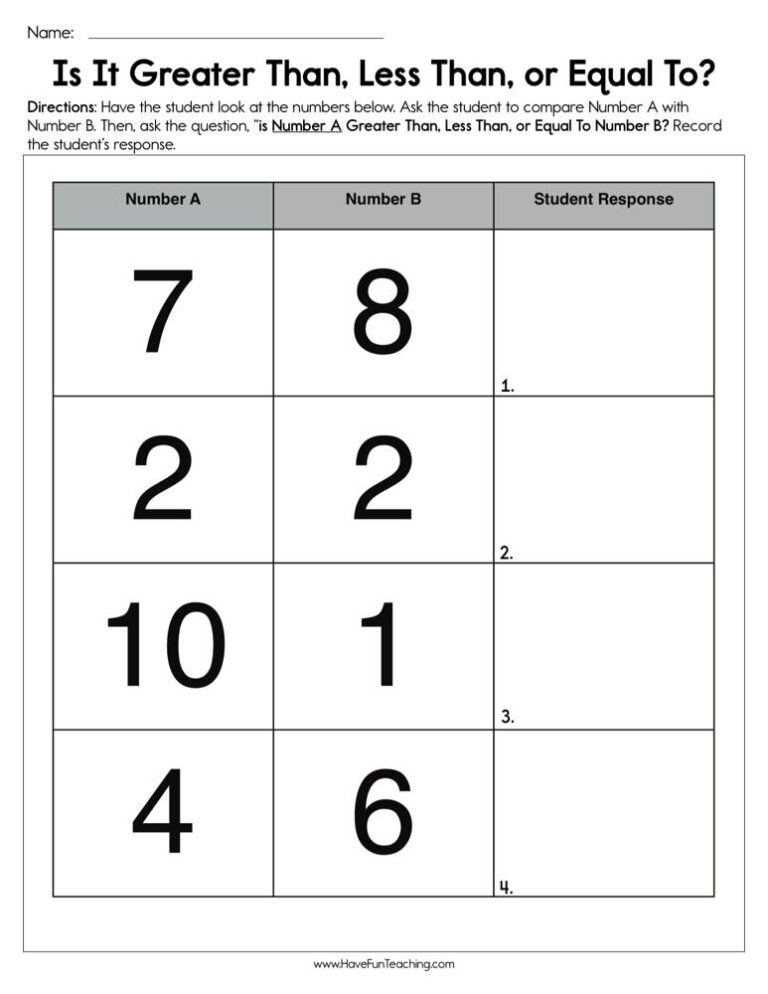
Using Is It Greater Than, Less Than, or Equal to Worksheet, students compare the two numbers to determine if they are greater than, less than, or equal to each other.
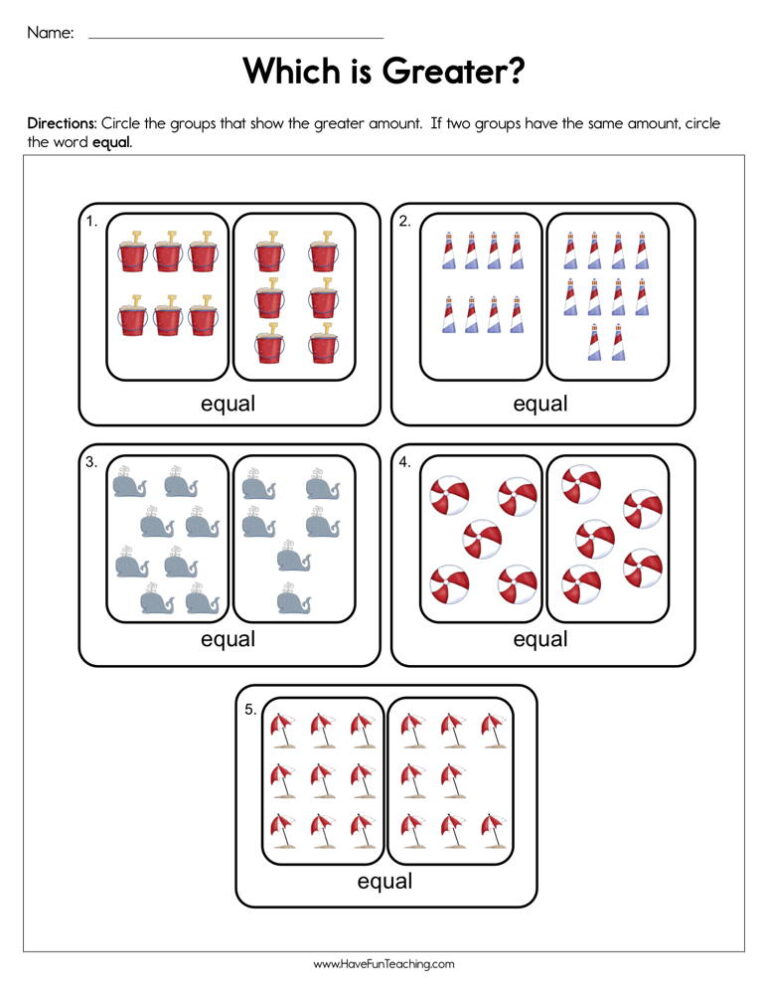
Using Which is Greater Worksheet, students circle groups of objects that show the greater amount to build number comparison skills.

Using Counting and Writing Numbers Worksheet, studentscount the circles up to 20 in a set in order to build their counting fluency.
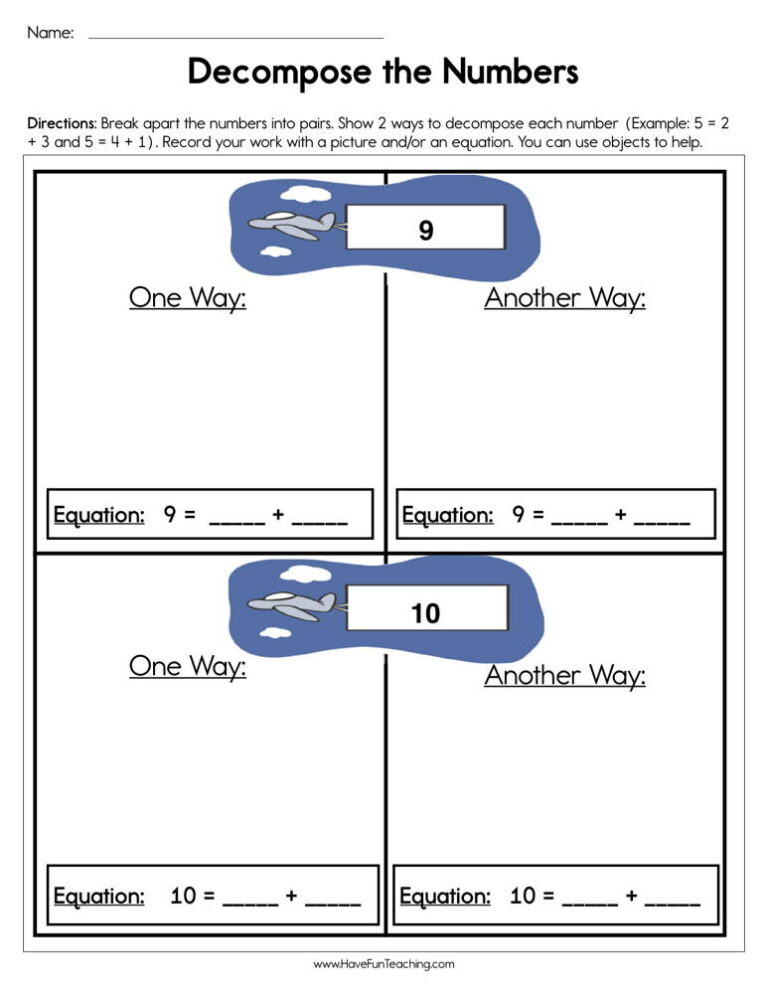
While using our Decomposing the Numbers Worksheet, students break apart the numbers into pairs by showing 2 ways to decompose each number.
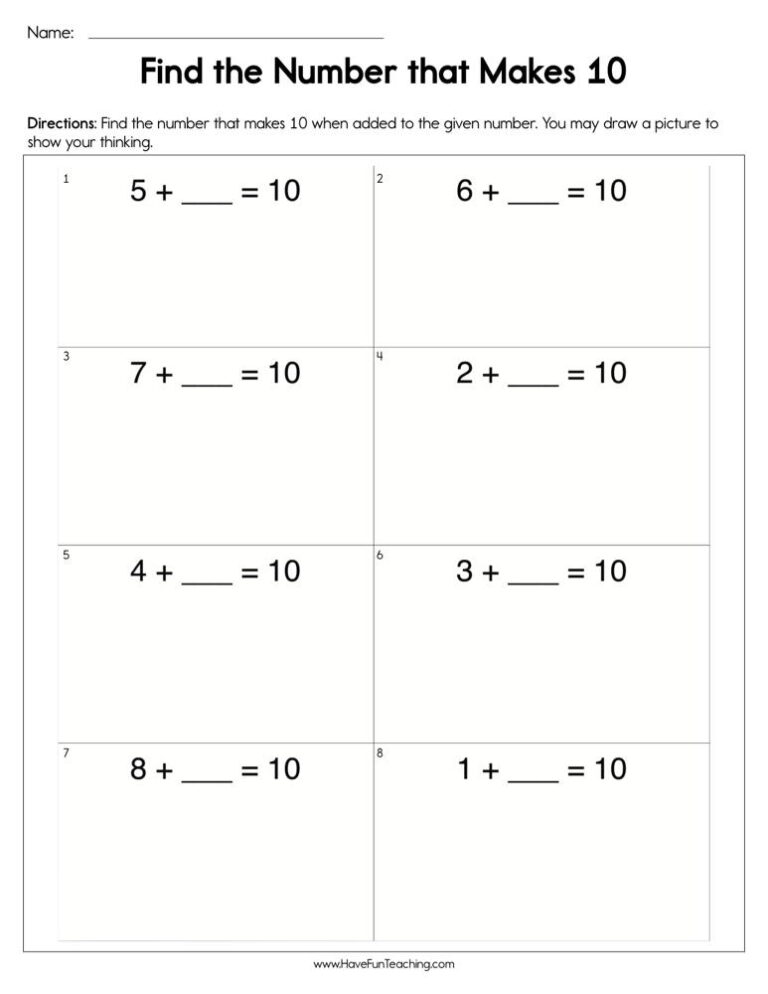
Using Find the Number that Makes 10 Worksheet, students determine the unknown number in each addition equation to make the sum of 10.

Using How Many Worksheet, studentscount the items up to 20 in a set in order to build their counting fluency.

While using our Breaking Apart Numbers Worksheet, students break apart the numbers into pairs to show 2 ways to decompose each number.

Using this Coloring the Shapes Worksheet, students identify 2D shapes by coloring each shape a different color to build shape recognition skills.
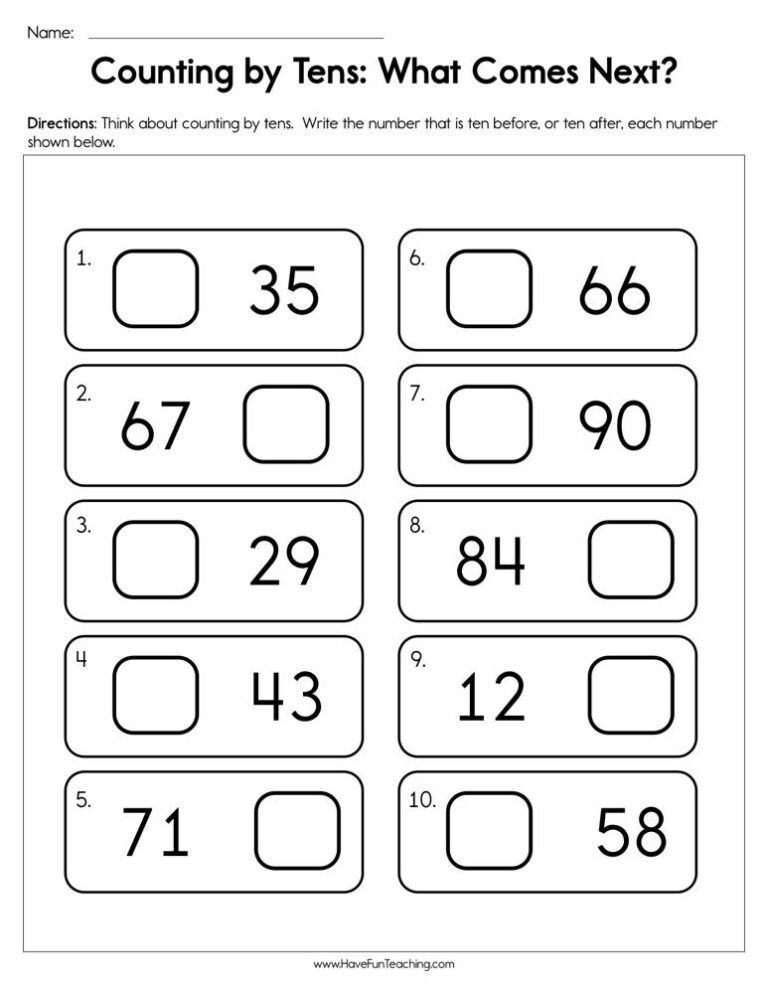
Using Counting by Tens What Comes Next Worksheet, students write the number that is ten more or less in order to build their counting fluency.

Using this Gathering Information from a Graph Worksheet, students answer questions about balloons for a party using the data from the graph.

While using our Addition Word Problems Worksheet, students solve addition word problems by drawing pictures and writing equations.

This Patterns Lesson Plan contains various materials for you to successfully teach patterns while cutting your planning time down so that you can enjoy more

This 1.G.1 First Grade Common Core Lesson teaches us that shapes can be put into many different categories.

In this 1.OA.3 First Grade Common Core Lesson, students discover that you can add in any order and get the same sum each time!

In this 1.OA.7 First Grade Common Core Lesson, students will decide given equations are true or false to understand the meaning of the equal sign.
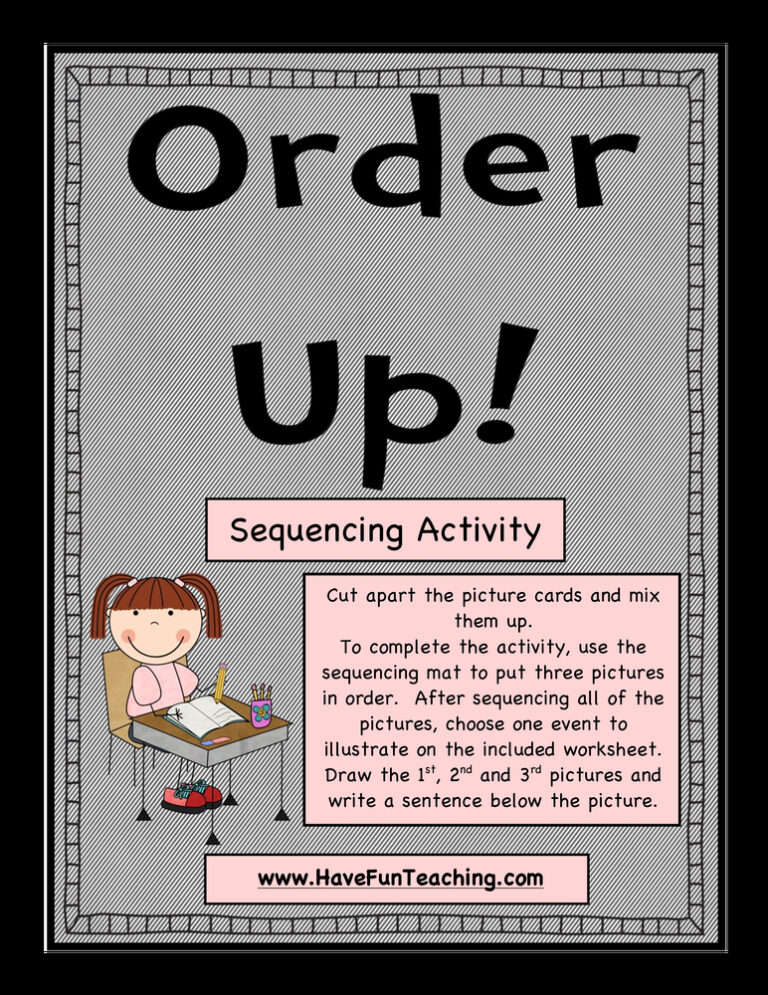
Using this Order Up Sequencing Activity, students match three pictures to show the beginning, middle, and end of an event to build their sequencing skills.