Skip to content
Start My 3 Free Days $0 today · cancel anytime

1st Grade Classification Resources

27 1st grade classification resources: 11 activities, 9 worksheets, 7 songs and more. How teachers use these

1st Grade Classification Resources

27 1st grade classification resources: 11 activities, 9 worksheets, 7 songs and more. How teachers use these

Video
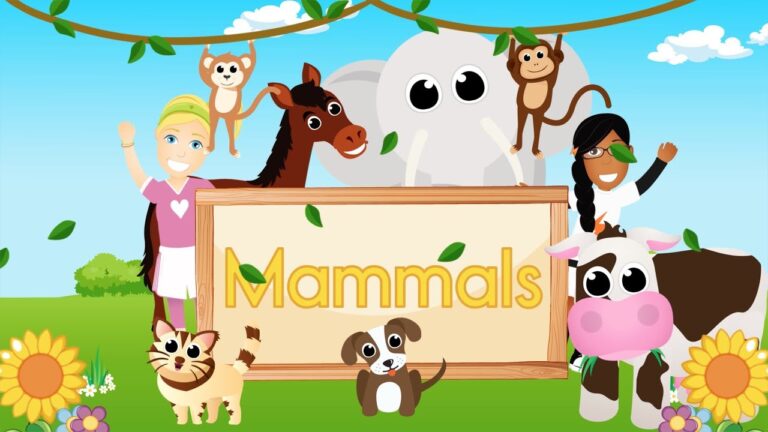
Video1st GradeMammal Song

The Mammal Song by Have Fun Teaching is perfect for teaching and learning all about mammals. This animated music video teaches that mammals breathe air with lungs, are warm-blooded, have fur or hair, give birth to live young and feed their babies milk. While watching the Mammal Song, students learn…

Worksheet
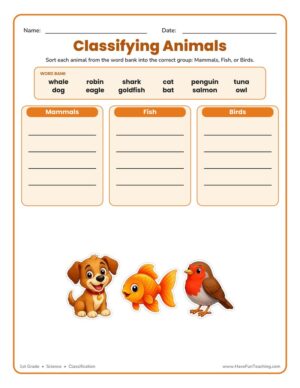
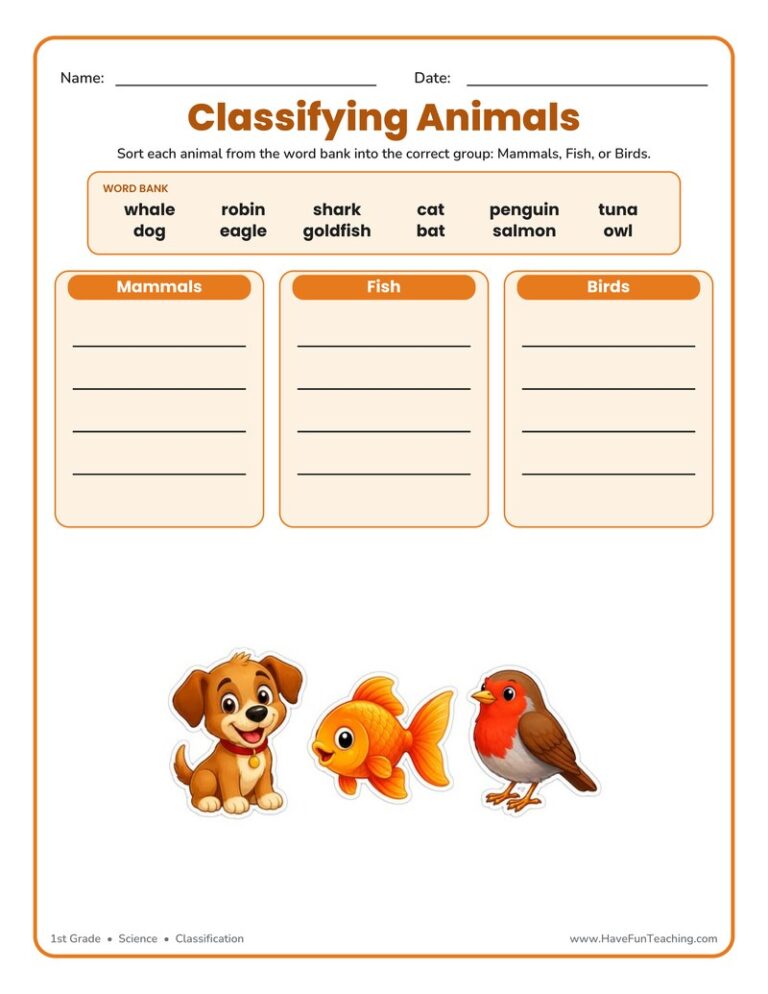
Worksheet1st GradeMammals, Fish, or Birds Classifying Animals Worksheet

A 1st grade Mammals, Fish, or Birds Classifying Animals Worksheet where students sort a word bank of animals into three groups. Includes a complete answer key for quick, no-prep science practice.

Worksheet
Worksheet1st GradeCategorizing Objects Worksheet

This Categorizing Objects Worksheet helps 1st graders read nine words and sort them into groups like animals, food, and colors. Includes a complete answer key for quick, no-prep classification practice.

Worksheet
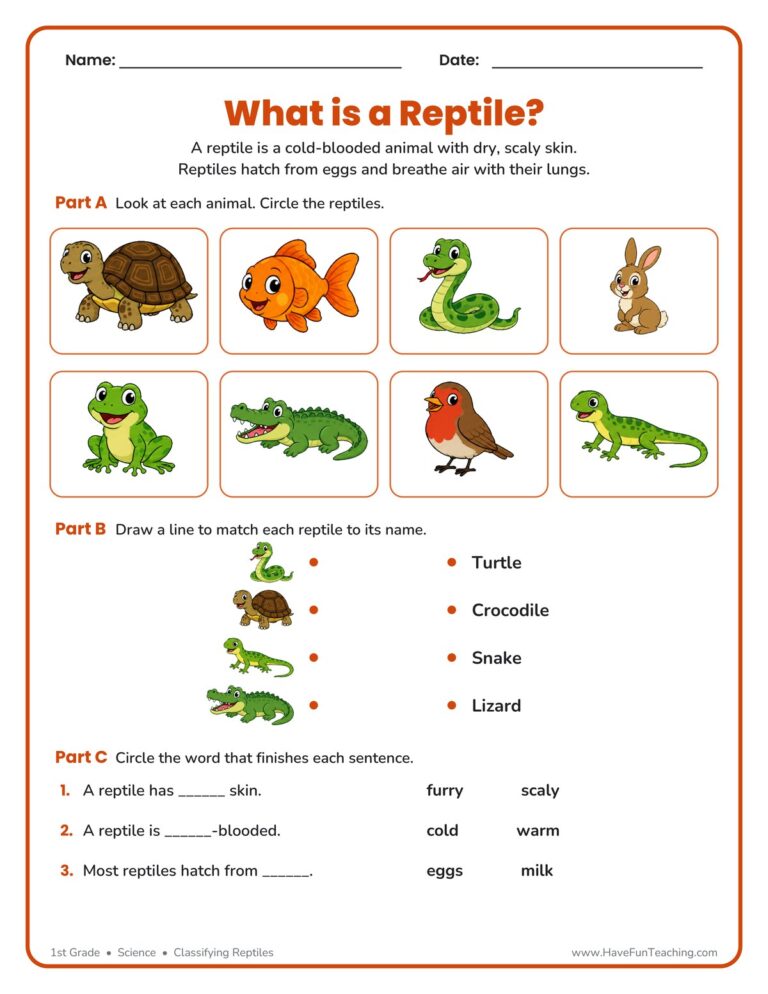
Worksheet1st GradeReptile Classification Worksheet

This reptile classification worksheet helps 1st graders sort animals by circling reptiles, matching them to their names, and completing simple reptile facts. Includes a complete answer key for fast, no-prep life science practice.

Worksheet
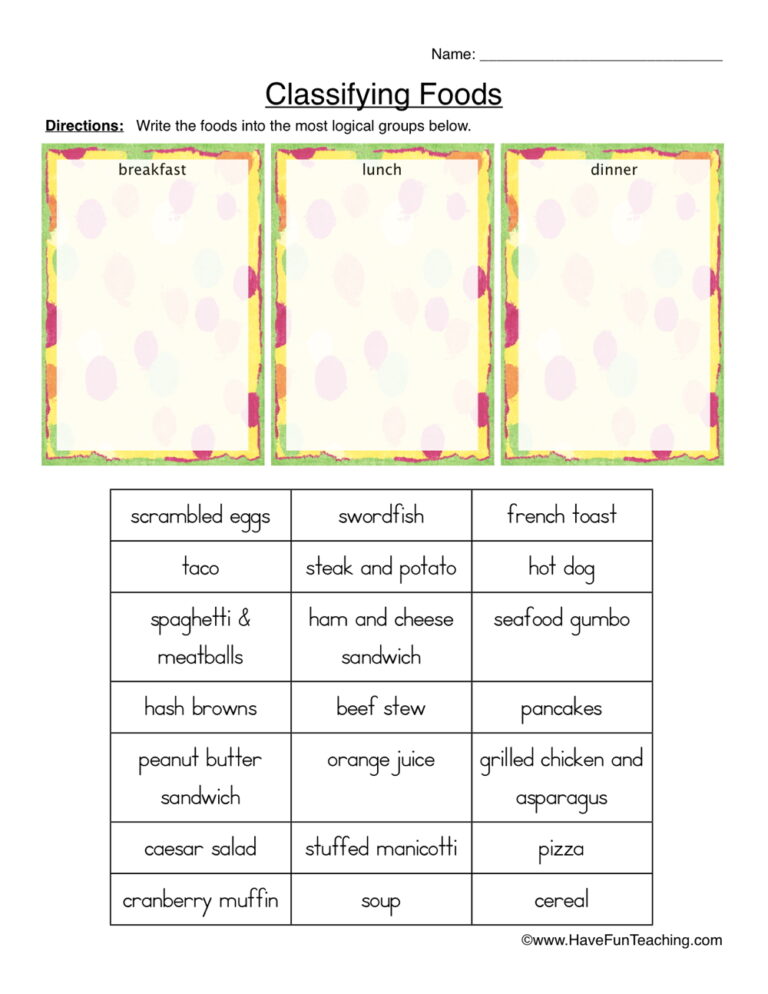
Worksheet1st GradeBreakfast, Lunch, or Dinner Classifying Food Worksheet

This Breakfast, Lunch, or Dinner Classifying Food Worksheet has 1st Grade students sort nine familiar foods into three meal columns. Answer key included, so sorting practice checks itself in minutes.

Video
Video1st GradeAnimal Song (Animated Music Video)

Using this Animal Song (Animated Music Video), your students learn about different types of animals and their sounds by watching this fun, catchy video.

Worksheet
Worksheet1st GradeCount Classify and Sort Worksheet

This Count Classify and Sort Worksheet has 1st graders group nine animal pictures into birds, fish, and bugs, count each group, and compare them. Answer key included for quick, no-prep practice.

Video
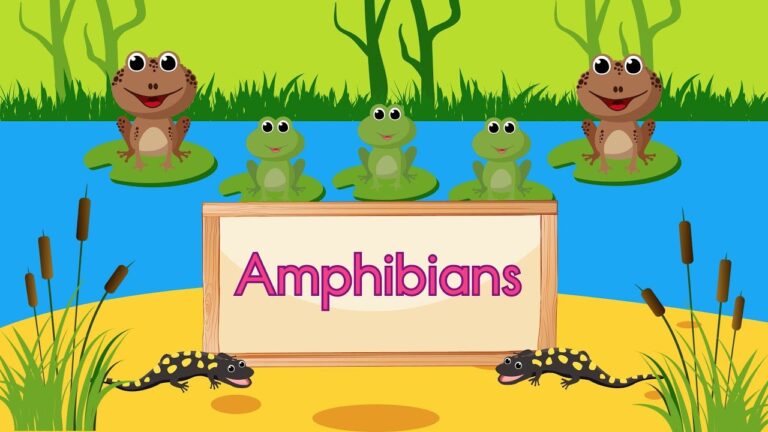
Video1st GradeAmphibian Song

The Amphibian Song by Have Fun Teaching is perfect for teaching and learning all about amphibians. This animated music video teaches that amphibians live on land and in water, start life with gills, go through metamorphosis and have moist skin without scales. While watching the Amphibian Song, students learn the…

Video
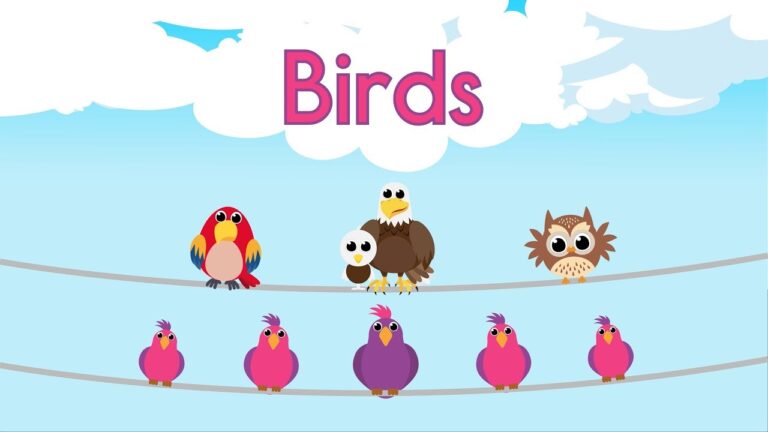
Video1st GradeBird Song

The Bird Song by Have Fun Teaching is perfect for teaching and learning all about birds. This animated music video teaches that birds have beaks but no teeth, walk on two feet, lay eggs, are warm-blooded, have backbones and are covered with feathers. While watching the Bird Song, students learn…

Video
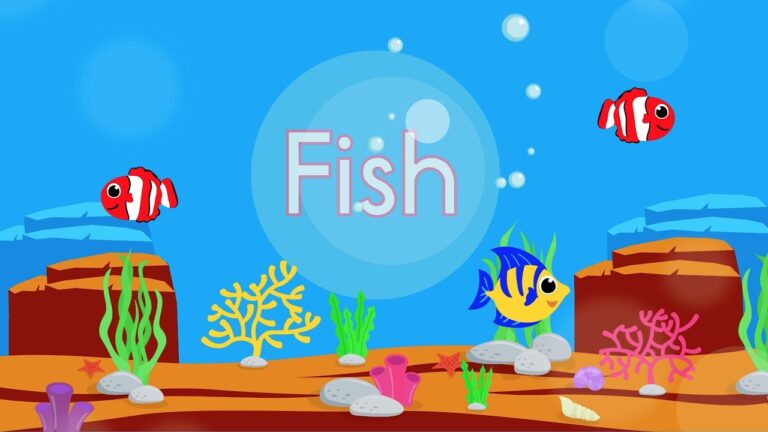
Video1st GradeFish Song

The Fish Song by Have Fun Teaching is perfect for teaching and learning all about fish. This animated music video teaches that fish have fins and scales, swim in water, breathe with gills, have skeletons of cartilage or bone, and live in freshwater and saltwater. While watching the Fish Song,…

Video
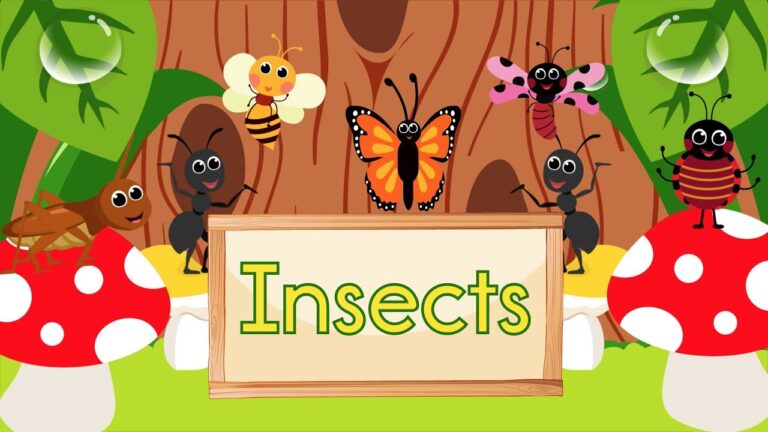
Video1st GradeInsect Song

The Insect Song by Have Fun Teaching is perfect for teaching and learning all about insects. This animated music video teaches what makes an insect an insect: an exoskeleton, three body parts (head, thorax and abdomen), six legs and two antennae. While watching the Insect Song, students learn the traits…

Activity
Activity1st GradeSize Activity

Using this Size Activity, students play Categories to practice identifying the sizes tall, short, big and small.

Video
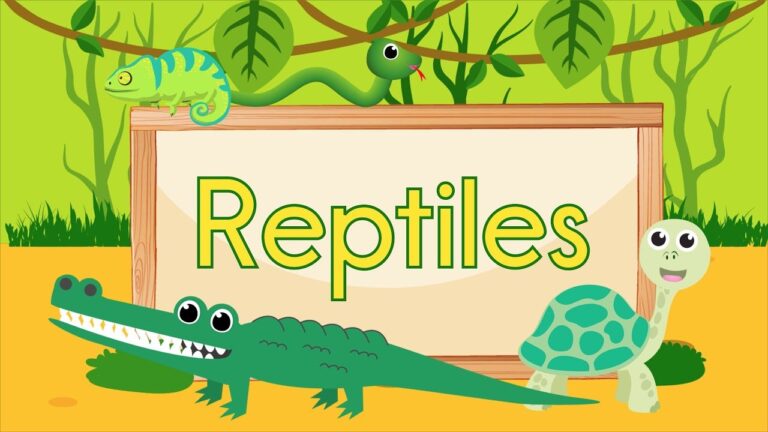
Video1st GradeReptile Song

The Reptile Song by Have Fun Teaching is perfect for teaching and learning all about reptiles. This animated music video teaches that reptiles breathe with lungs, have claws and scales, lay eggs on land, use the sun for heat and are cold-blooded. While watching the Reptile Song, students learn the…

Worksheet
Worksheet1st GradeClassify Count and Sort By Color Worksheet

This Classify Count and Sort By Color Worksheet asks Kindergarten students to sort six colorful pictures into green, red, and yellow boxes, then count each group. An answer key is included, so checking work takes seconds.

Activity
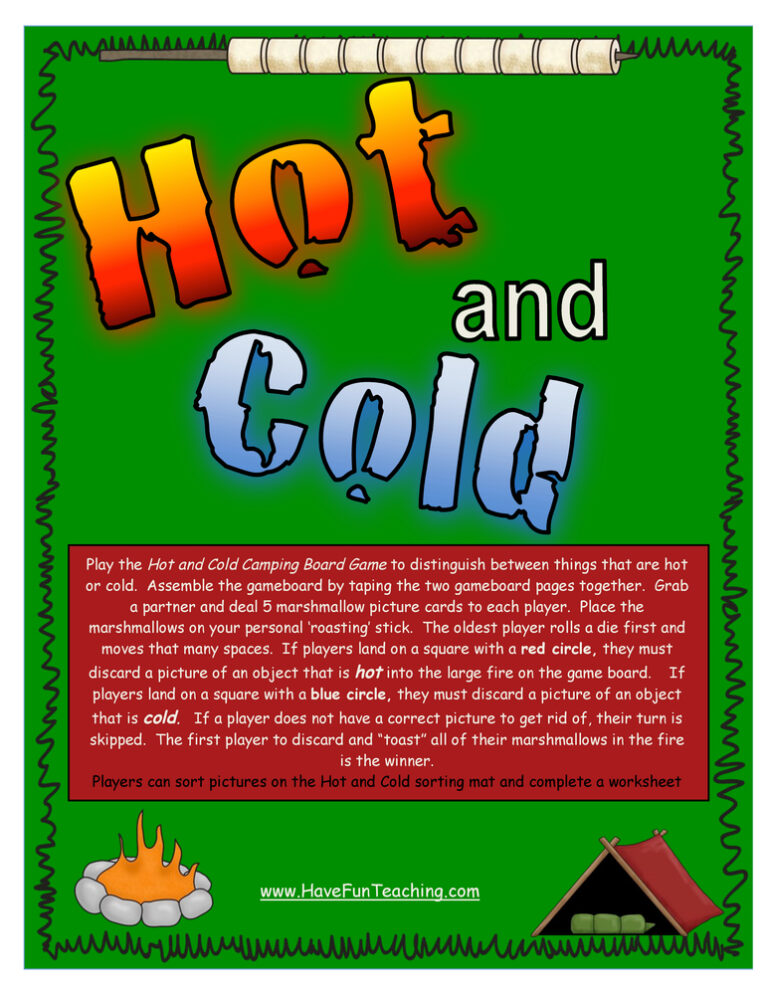
Activity1st GradeHot and Cold Activity

This hot and cold activity lets children sort 12 picture cards onto a Hot and Cold mat to learn about temperature. For kindergarten to 2nd grade, answer key included.

Worksheet
Worksheet1st GradeClassifying Seasons Pictures Worksheet

This classifying seasons pictures worksheet gives 1st Grade students six picture cards to sort into fall, spring, summer, and winter, with a word box and an answer key included.

Worksheet
Worksheet1st GradeSorting and Grouping Worksheet

This Sorting and Grouping Worksheet gives 1st Grade students an eight-word bank to sort into two labeled groups, plus a circle-the-odd-word challenge. An answer key is included, so checking work takes seconds.

Activity
Activity1st GradeAnimal Riddles Activity

This animal riddles activity has students read clues and match each riddle to the right animal card. Made for 1st-2nd grade with self-check cards, a practice page and an answer key included.

Activity
Activity1st GradeCounting and Sorting Pictures Activity

This counting and sorting pictures activity lets PreK to 1st grade children sort picture cards into groups, count each group and graph the results. Answer key included.

Activity
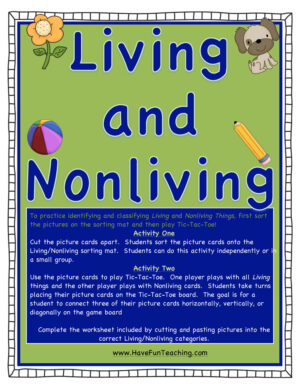
Activity1st GradeLiving and Nonliving Activity

This living and nonliving activity gives kindergarten to 2nd grade students 12 picture cards and a sorting mat to classify things that are alive. A practice page and answer key are included.

From our teachers' playbook

Sort it, group it, name it!

What do 1st graders learn about classification?

First graders learn that sorting things into groups helps scientists understand the world. They sort objects by color, size and shape, then move on to living and nonliving things and simple animal groups like mammals, birds and fish. They describe what a group has in common: feathers + beak = bird. Kids also explain their rule for a sort. The click moment comes when a child says, "These all go together because they live in water!"

Our favorite ways to make classification stick

First graders love to sort. These moves turn that love into real science thinking.

Sort real objects first

Dump a basket of buttons, blocks or toys on the table and ask, "How could we group these?" Let kids choose the rule, then sort again a new way. Handling real objects builds the idea before they ever sort on paper.

Why it works: the U.S. Department of Education's guide for teaching elementary math recommends moving from hands-on objects to drawings to numbers.

Categorizing Objects WorksheetTry it withCategorizing Objects WorksheetWorksheetsOpen it →
Sing the bird clues

Play the Bird Song and have kids flap their arms every time they hear a bird trait. Afterward, list the clues together. Music makes the traits easy to remember when they sort animal pictures later.

Why it works: words set to a repeating melody are easier to recall than the same words spoken (Wallace, 1994).

Bird SongTry it withBird SongSongsOpen it →

Picture sort: fish, bird or mammal?

Show one animal picture at a time and have kids hold up a card for its group. Then ask one child to share the clue they used. Seeing lots of examples helps kids notice the traits that matter.

Why it works: pairing a picture with each word gives kids two ways to remember it, a well-tested principle of how people learn (Mayer, 2009).

Mammals, Fish, or Birds Classifying Animals WorksheetTry it withMammals, Fish, or Birds Classifying Animals WorksheetWorksheetsOpen it →

Questions teachers and parents ask

What is classification for 1st grade?

It's sorting objects or living things into groups by what they have in common. First graders sort by color, size and shape, by living and nonliving, and into simple animal groups.

How do I teach classification to 1st graders?

Start with real objects and let kids choose their own sorting rule. Then sort pictures of animals or food by a given rule, and always ask them to explain why things belong together.

What animal groups do 1st graders learn?

Many first grade classes introduce mammals, birds, fish, reptiles, amphibians and insects with simple traits like fur, feathers, scales or six legs.

How can I practice sorting at home?

Sort laundry by color, groceries by type, or toys by size. Ask "Why do these go together?" and then challenge your child to find a new way to sort the same things.