
Skip to content
Start My 3 Free Days $0 today · cancel anytime

Kindergarten Classification Resources

26 kindergarten classification resources: 11 activities, 7 worksheets, 7 songs and more. How teachers use these

Kindergarten Classification Resources

26 kindergarten classification resources: 11 activities, 7 worksheets, 7 songs and more. How teachers use these

Worksheet
WorksheetKindergartenGrouping into Categories Worksheet

This Grouping into Categories Worksheet asks kindergarten students to sort eight pictures into fruit, animals, plants, and shapes by writing each one's category number. Includes an answer key for fast, no-prep classification practice.

Worksheet
WorksheetKindergartenSorting Objects Worksheet

This Sorting Objects Worksheet has kindergarten students sort twelve pictures into animals, plants, vehicles, and people, then count each group. Includes an answer key — a no-prep way to build classification and early counting skills.

Video
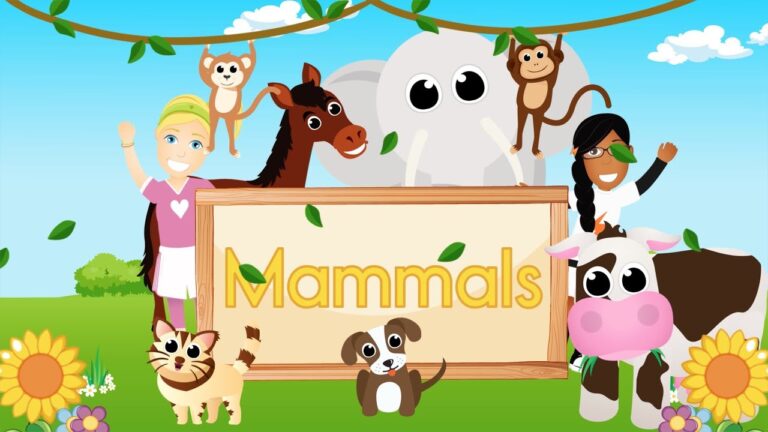
VideoKindergartenMammal Song

The Mammal Song by Have Fun Teaching is perfect for teaching and learning all about mammals. This animated music video teaches that mammals breathe air with lungs, are warm-blooded, have fur or hair, give birth to live young and feed their babies milk. While watching the Mammal Song, students learn…

Video
VideoKindergartenAnimal Song (Animated Music Video)

Using this Animal Song (Animated Music Video), your students learn about different types of animals and their sounds by watching this fun, catchy video.

Worksheet
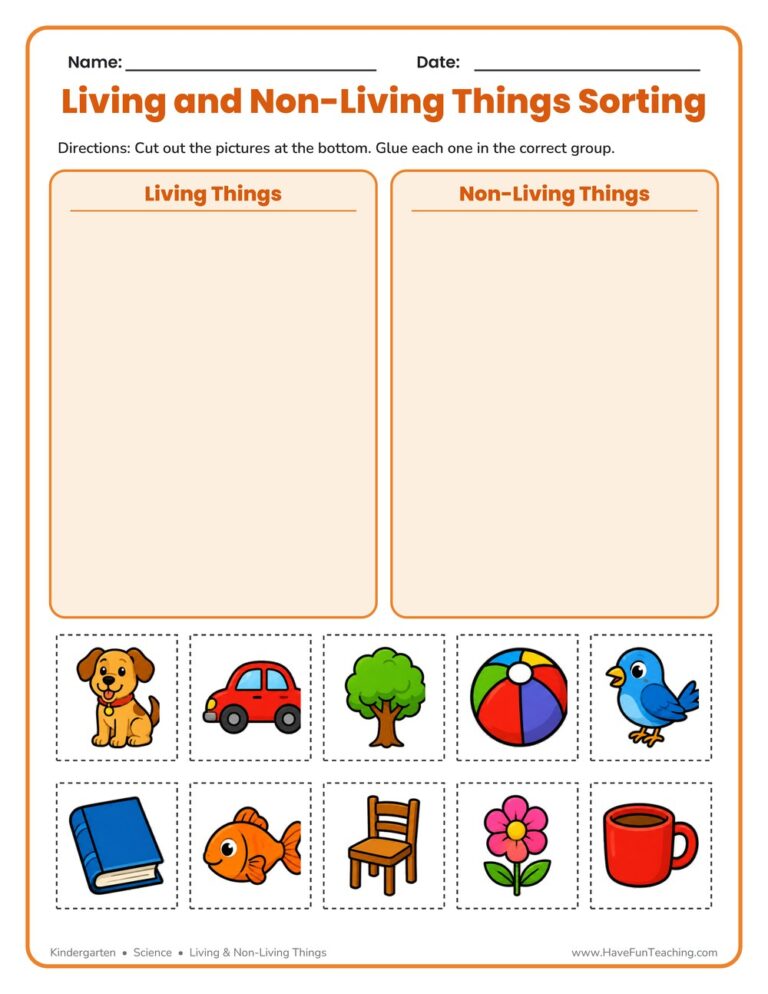
WorksheetKindergartenLiving Things and Non Living Things Sorting Worksheet

This Living Things and Non Living Things Sorting Worksheet has kindergarten students cut out ten pictures and sort them into living and non-living groups. Answer key included for quick, hands-on science practice.

Worksheet
WorksheetKindergartenSort Classify and Count Worksheet

This Sort Classify and Count Worksheet asks kindergartners to sort twelve mixed shapes, count each kind, and answer three questions about which has the most and fewest. Answer key included.

Video
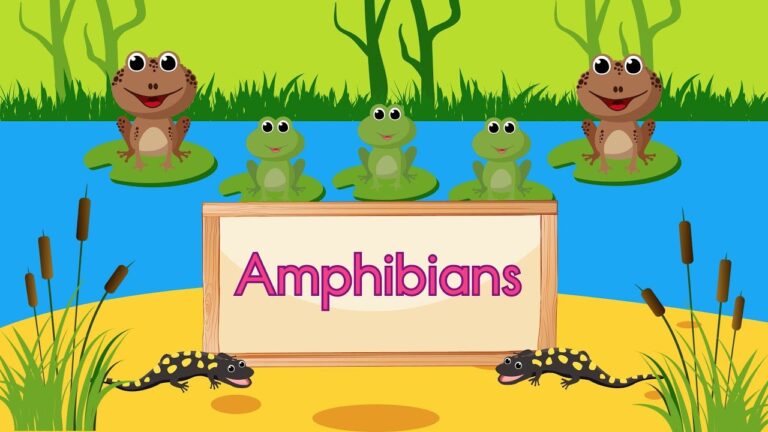
VideoKindergartenAmphibian Song

The Amphibian Song by Have Fun Teaching is perfect for teaching and learning all about amphibians. This animated music video teaches that amphibians live on land and in water, start life with gills, go through metamorphosis and have moist skin without scales. While watching the Amphibian Song, students learn the…

Video
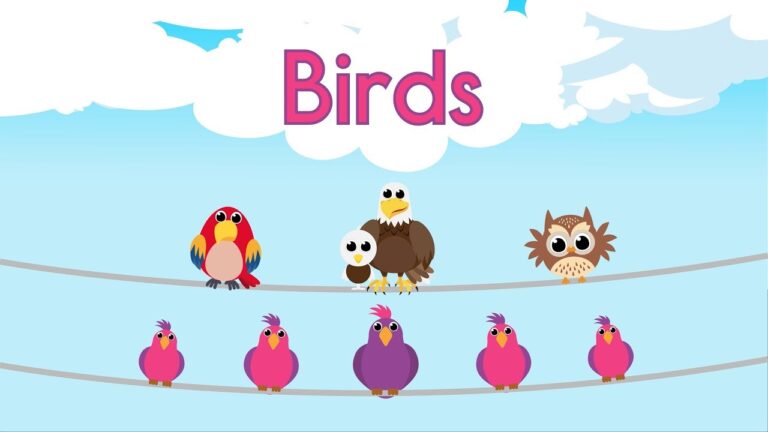
VideoKindergartenBird Song

The Bird Song by Have Fun Teaching is perfect for teaching and learning all about birds. This animated music video teaches that birds have beaks but no teeth, walk on two feet, lay eggs, are warm-blooded, have backbones and are covered with feathers. While watching the Bird Song, students learn…

Video
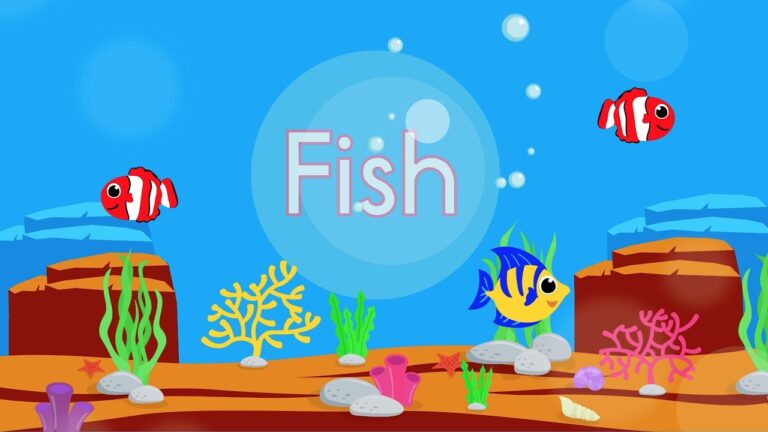
VideoKindergartenFish Song

The Fish Song by Have Fun Teaching is perfect for teaching and learning all about fish. This animated music video teaches that fish have fins and scales, swim in water, breathe with gills, have skeletons of cartilage or bone, and live in freshwater and saltwater. While watching the Fish Song,…

Video
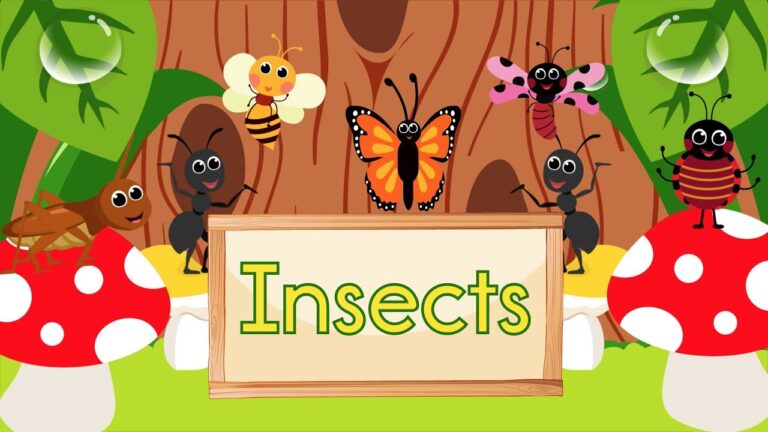
VideoKindergartenInsect Song

The Insect Song by Have Fun Teaching is perfect for teaching and learning all about insects. This animated music video teaches what makes an insect an insect: an exoskeleton, three body parts (head, thorax and abdomen), six legs and two antennae. While watching the Insect Song, students learn the traits…

Activity
ActivityKindergartenSize Activity

Using this Size Activity, students play Categories to practice identifying the sizes tall, short, big and small.

Video
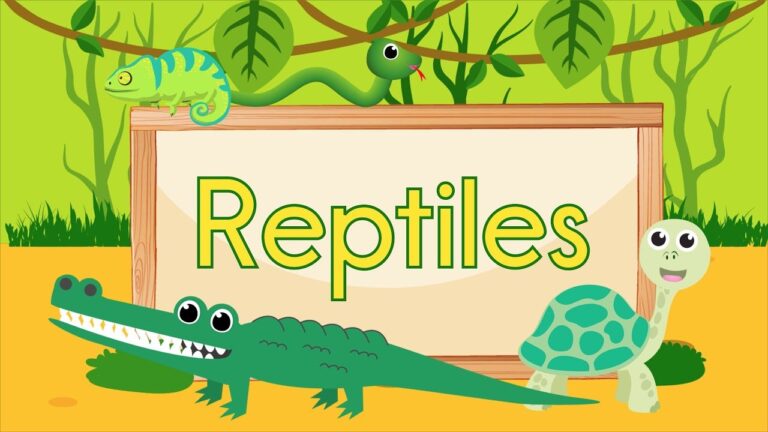
VideoKindergartenReptile Song

The Reptile Song by Have Fun Teaching is perfect for teaching and learning all about reptiles. This animated music video teaches that reptiles breathe with lungs, have claws and scales, lay eggs on land, use the sun for heat and are cold-blooded. While watching the Reptile Song, students learn the…

Worksheet
WorksheetKindergartenClassify Count and Sort By Color Worksheet

This Classify Count and Sort By Color Worksheet asks Kindergarten students to sort six colorful pictures into green, red, and yellow boxes, then count each group. An answer key is included, so checking work takes seconds.

Activity
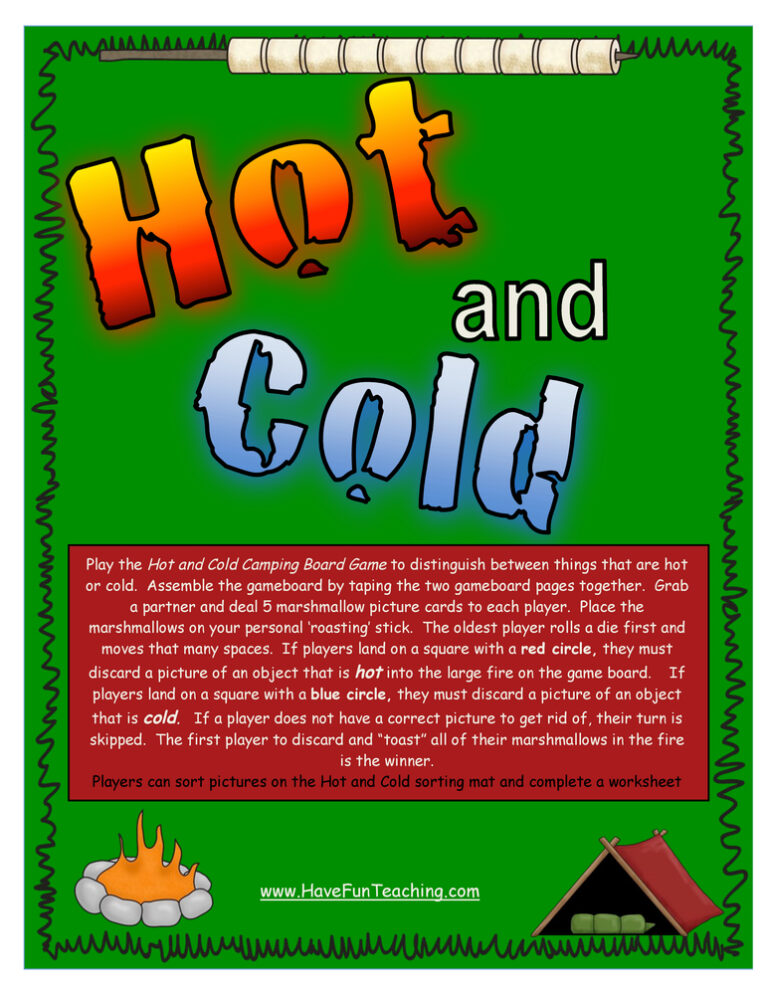
ActivityKindergartenHot and Cold Activity

This hot and cold activity lets children sort 12 picture cards onto a Hot and Cold mat to learn about temperature. For kindergarten to 2nd grade, answer key included.

Worksheet
WorksheetKindergartenMatching Words that Go Together Worksheet

This matching words that go together worksheet gives Kindergarten students five picture-and-word pairs to connect, building early classification and vocabulary skills. An answer key is included, so checking takes seconds.

Worksheet
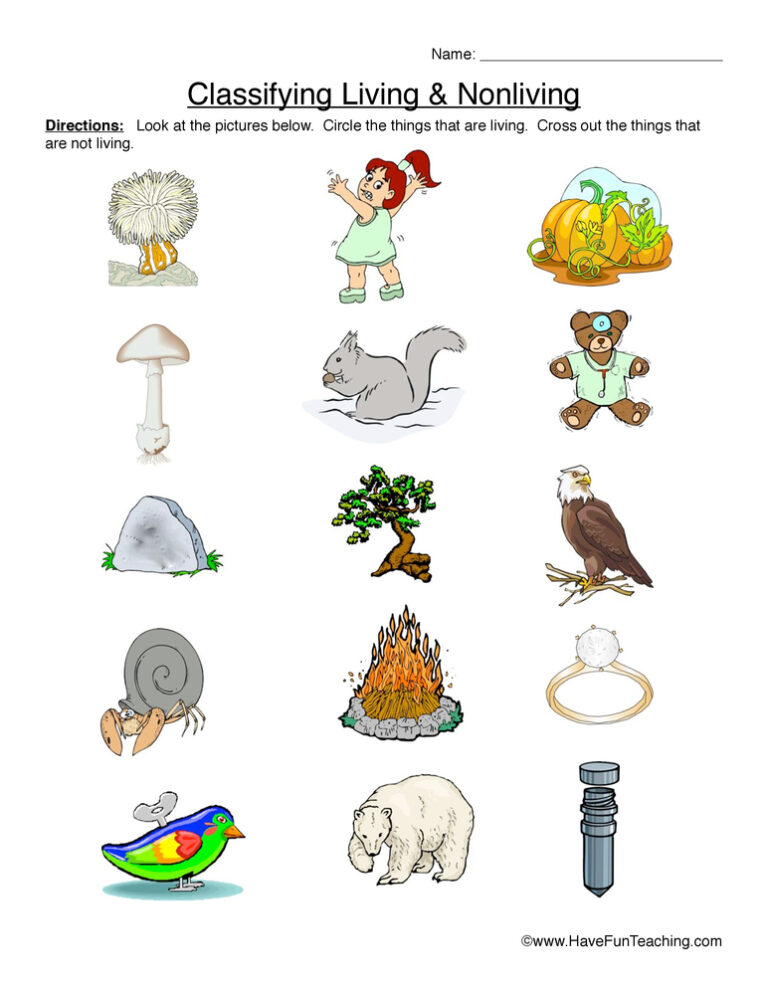
WorksheetKindergartenClassifying Living and Nonliving Things Primary Version Worksheet

The Classifying Living and Nonliving Things Primary Version Worksheet asks Kindergarten students to sort six familiar pictures into living and nonliving groups. An answer key is included, so this hands-on science practice takes no prep at all.

Activity
ActivityKindergartenCounting and Sorting Pictures Activity

This counting and sorting pictures activity lets PreK to 1st grade children sort picture cards into groups, count each group and graph the results. Answer key included.

Activity
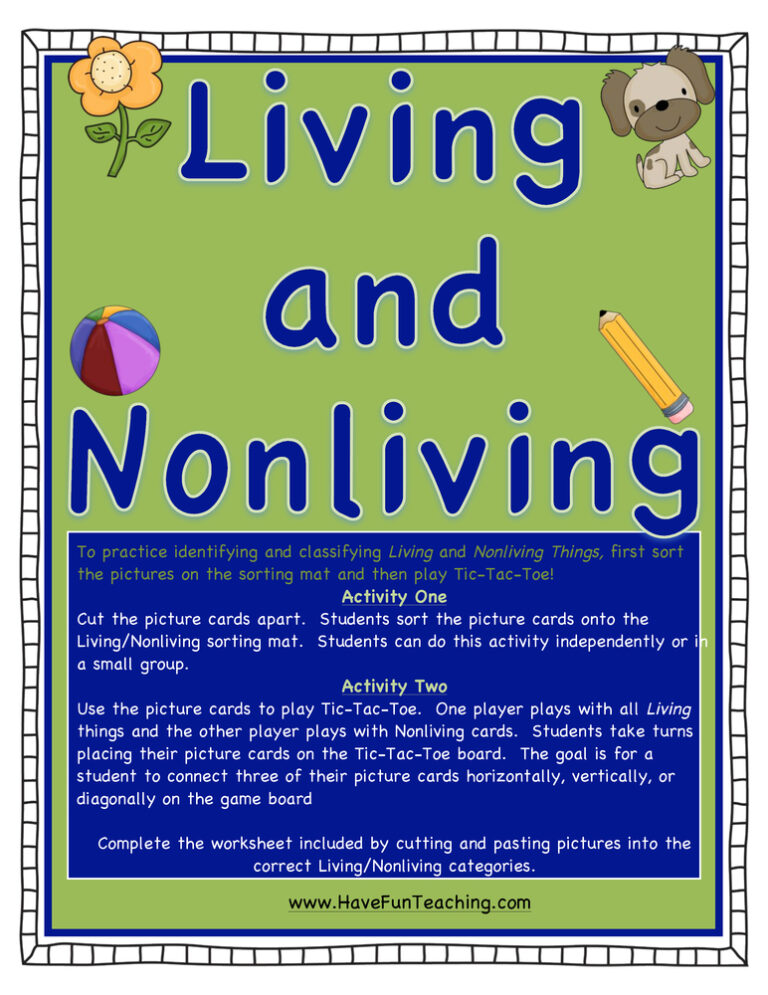
ActivityKindergartenLiving and Nonliving Activity

This living and nonliving activity gives kindergarten to 2nd grade students 12 picture cards and a sorting mat to classify things that are alive. A practice page and answer key are included.

Activity
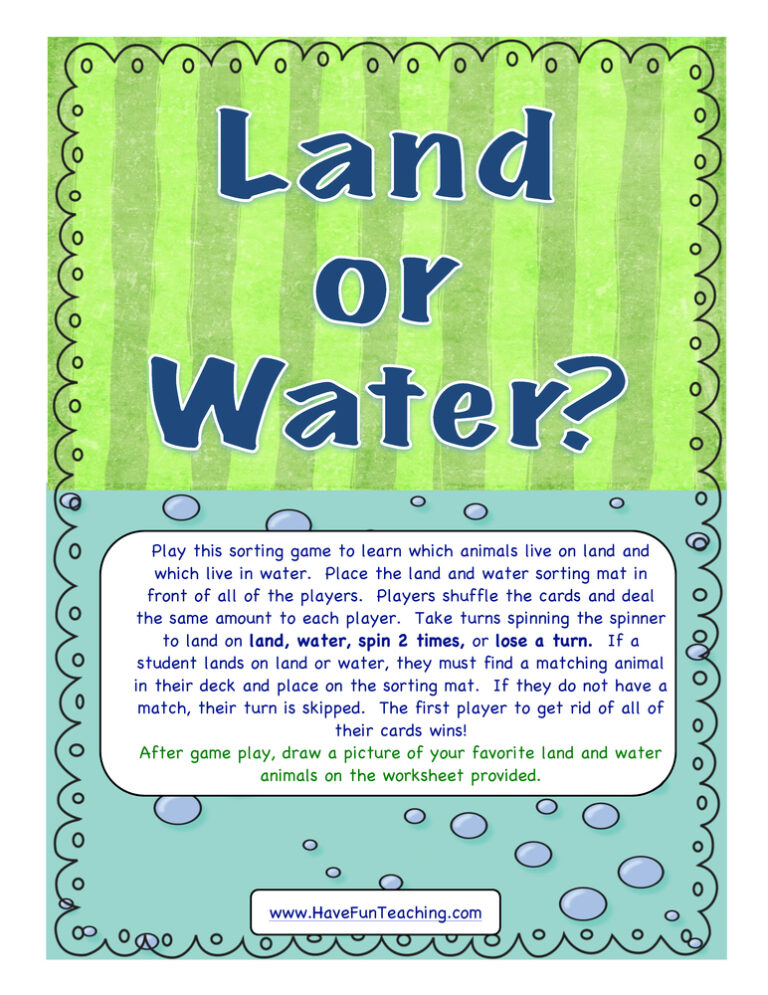
ActivityKindergartenLand or Water Activity

This land or water activity is a K-2nd grade animal sorting card game with a spinner and sorting mat. Children classify animals by where they live, and an answer key is included.

Activity
ActivityKindergartenWe Go Together Activity

This we go together activity is a picture memory game for Preschool to 1st Grade where children match two things that belong together, with a matching mat, practice page and answer key included.

From our teachers' playbook

Same, different, sort it out!

What do kindergartners learn about classification?

Kindergartners learn to sort things into groups and tell why they belong together. They start with color, size and shape, then sort living from nonliving things and notice simple animal features like fur, feathers and wings. They count each group and compare: which pile has more? Kids also learn to name their sorting rule out loud. The click moment comes when a child looks at a jumbled pile and says, "I'll sort them by color this time!"

Our favorite ways to make classification stick

Sorting is one of the first science skills, and kindergartners are natural sorters. Here's how we build on it.

Hands-on sorting trays

Put a mix of buttons, leaves and blocks in a tray and give kids two or three bowls. Let them decide the rule, then tell a friend what it is. Kindergartners need to touch and move objects before sorting pictures.

Why it works: going from real objects to pictures to symbols is a core recommendation of the U.S. Department of Education's elementary math guide.

Sorting Objects WorksheetTry it withSorting Objects WorksheetWorksheetsOpen it →
Bug song wiggle

Play the Insect Song and have kids wiggle six fingers like legs every time they hear about insect bodies. Afterward, hold up pictures and ask, "Insect or not?" A song makes the clues easy to remember.

Why it works: a catchy, repeating tune gives the brain a hook to hang words on, so sung text is remembered better (Wallace, 1994).

Insect SongTry it withInsect SongSongsOpen it →

What goes together?

Show two cards, like a sock and a shoe, and ask kids why they go together. Then mix up the cards and have them find all the pairs. Talking about why builds the thinking behind classification.

Why it works: in a well-known study, a few short sessions of a simple number board game measurably boosted young children's number skills (Ramani and Siegler, 2008).

We Go Together ActivityTry it withWe Go Together ActivityActivitiesOpen it →

Questions teachers and parents ask

What is classification for kindergarten?

It's sorting objects into groups based on how they are alike, such as color, size, shape, or living and nonliving. Kindergartners also explain their rule and count the items in each group.

How do I teach sorting to kindergartners?

Start with real objects and just two groups. Model a rule, then let kids try their own. Ask "Why does this one go here?" often, and add more groups as they get comfortable.

What is the difference between living and nonliving for kindergarten?

Living things grow, need food and water, and can make more of themselves, like plants and animals. Nonliving things don't, like rocks, toys and water.

How can I practice classification at home?

Sort laundry, toys or snacks together. Let your child choose the rule and explain it, then sort the same things a different way.



