
Skip to content
Start My 3 Free Days $0 today · cancel anytime

2nd Grade Classification Resources

33 2nd grade classification resources: 16 worksheets, 10 activities, 7 songs and more. How teachers use these

2nd Grade Classification Resources

33 2nd grade classification resources: 16 worksheets, 10 activities, 7 songs and more. How teachers use these

Video
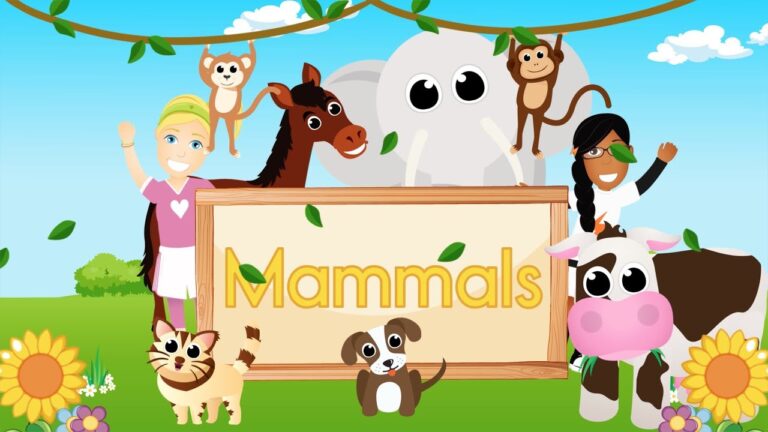
Video2nd GradeMammal Song

The Mammal Song by Have Fun Teaching is perfect for teaching and learning all about mammals. This animated music video teaches that mammals breathe air with lungs, are warm-blooded, have fur or hair, give birth to live young and feed their babies milk. While watching the Mammal Song, students learn…

Worksheet
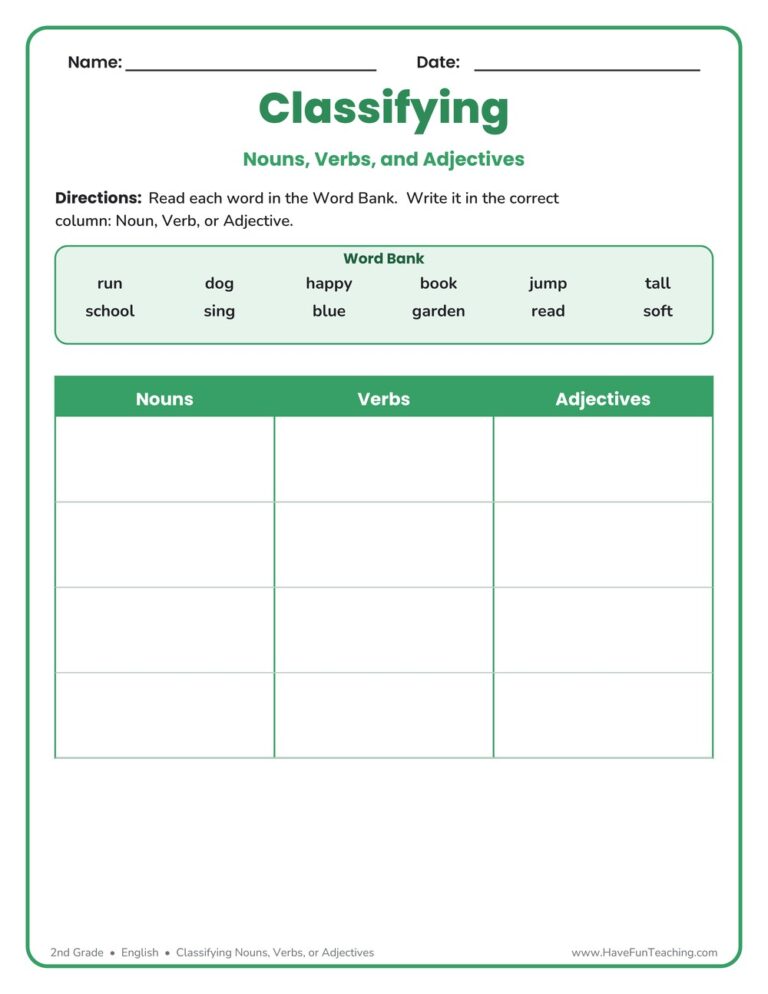
Worksheet2nd GradeClassifying Nouns, Verbs, or Adjectives Worksheet

Sort twelve everyday words into nouns, verbs, and adjectives with this Classifying Nouns, Verbs, or Adjectives Worksheet for 2nd grade. Includes a complete answer key for quick, no-prep grammar practice.

Worksheet
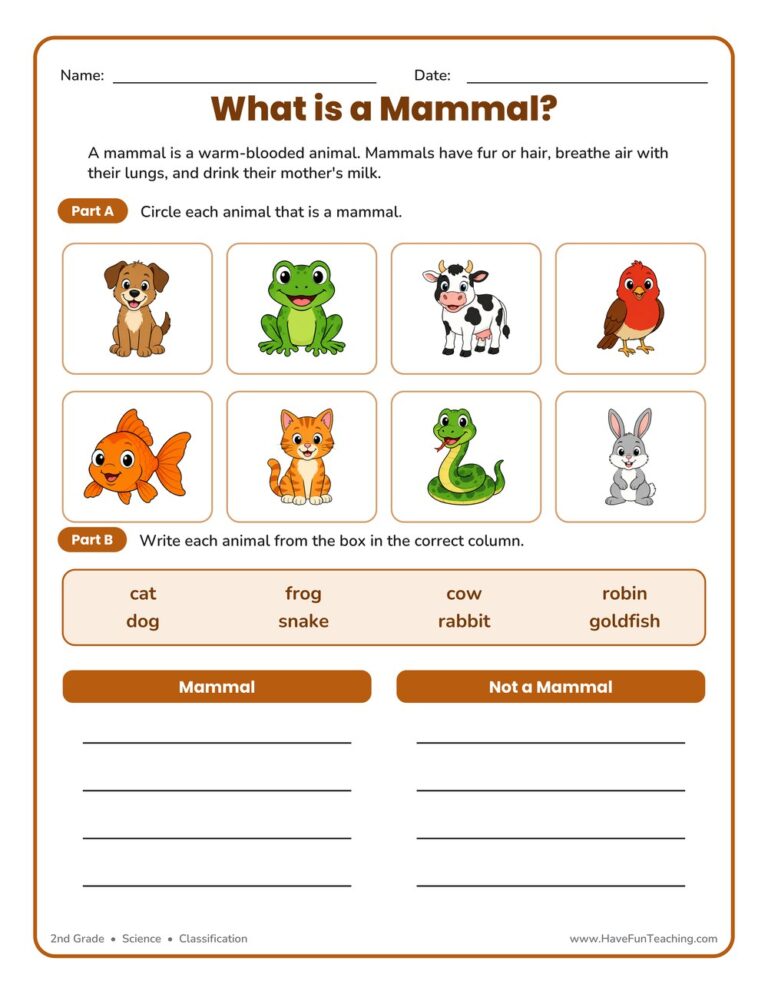
Worksheet2nd GradeMammal Classification Worksheet

This mammal classification worksheet helps 2nd graders spot mammals and sort animals into mammal and not-a-mammal groups. It includes a complete answer key, making it perfect for no-prep science practice at home or in the classroom.

Video
Video2nd GradeAnimal Song (Animated Music Video)

Using this Animal Song (Animated Music Video), your students learn about different types of animals and their sounds by watching this fun, catchy video.

Worksheet
Worksheet2nd GradeAnimal Classification Worksheet

This animal classification worksheet lets 2nd graders sort twelve animals into mammals, birds, fish, and reptiles using a picture-clued word box. An answer key is included — great for no-prep science practice at home or in class.

Video
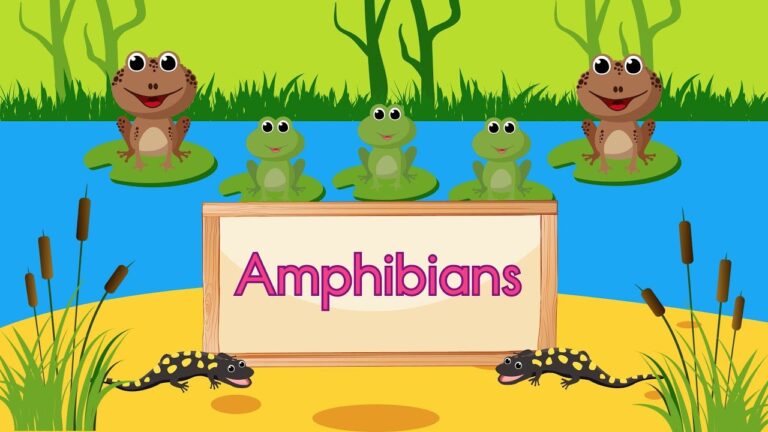
Video2nd GradeAmphibian Song

The Amphibian Song by Have Fun Teaching is perfect for teaching and learning all about amphibians. This animated music video teaches that amphibians live on land and in water, start life with gills, go through metamorphosis and have moist skin without scales. While watching the Amphibian Song, students learn the…

Worksheet
Worksheet2nd GradeClassifying Proteins, Grains, Fruits and Veggies Worksheet

The Classifying Proteins, Grains, Fruits and Veggies Worksheet asks 2nd grade students to sort fifteen everyday foods into three labeled food groups. An answer key is included, so classifying practice checks itself.

Worksheet
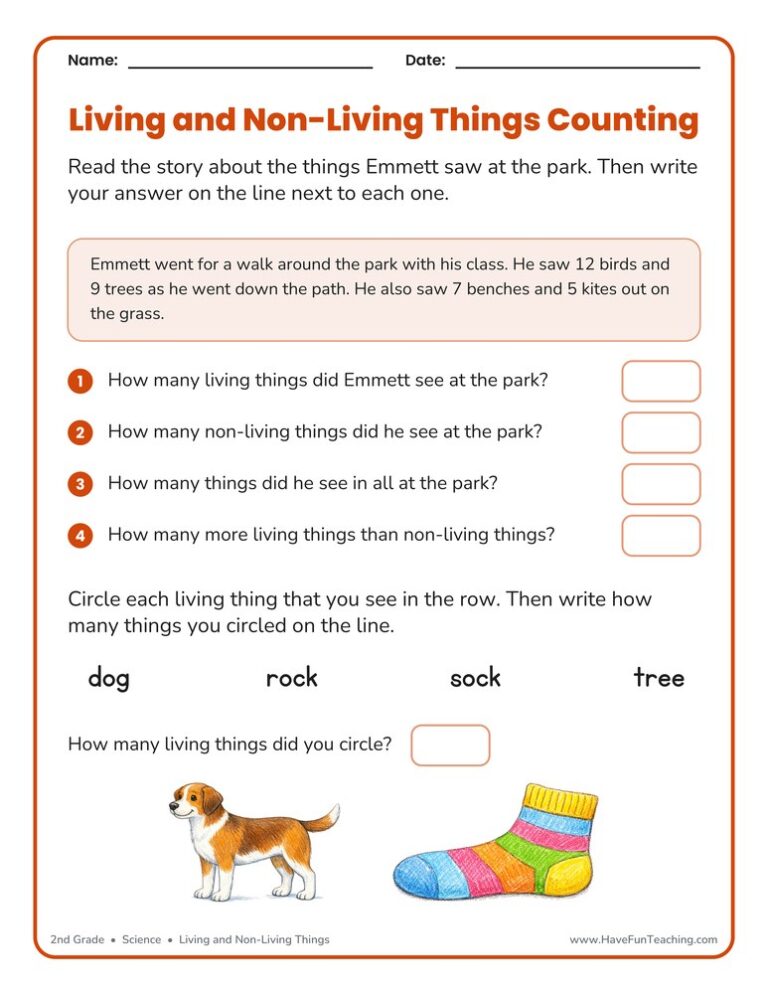
Worksheet2nd GradeLiving Things and Non Living Things Counting Worksheet

This Living Things and Non Living Things Counting Worksheet gives 2nd grade students a park number story to count, classify and compare, with an answer key included so checking the whole page takes seconds.

Video
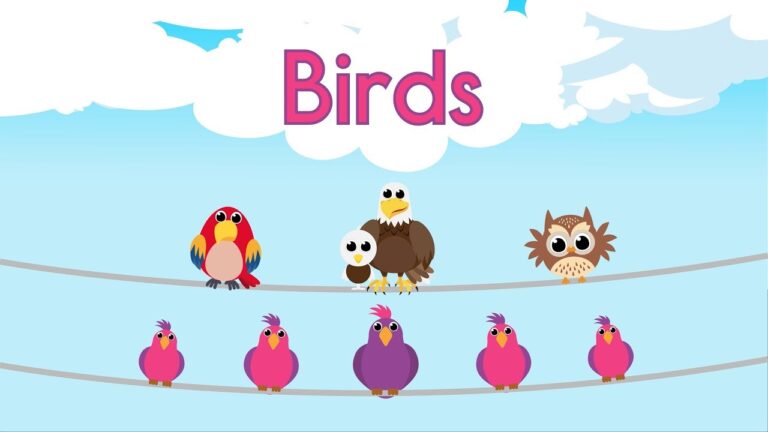
Video2nd GradeBird Song

The Bird Song by Have Fun Teaching is perfect for teaching and learning all about birds. This animated music video teaches that birds have beaks but no teeth, walk on two feet, lay eggs, are warm-blooded, have backbones and are covered with feathers. While watching the Bird Song, students learn…

Video
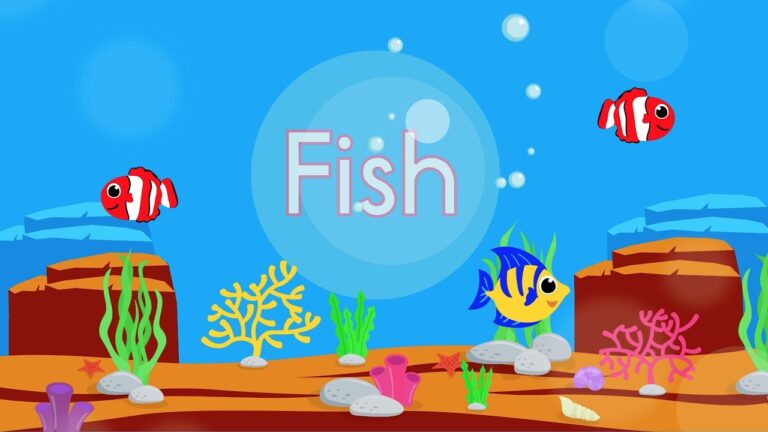
Video2nd GradeFish Song

The Fish Song by Have Fun Teaching is perfect for teaching and learning all about fish. This animated music video teaches that fish have fins and scales, swim in water, breathe with gills, have skeletons of cartilage or bone, and live in freshwater and saltwater. While watching the Fish Song,…

Video
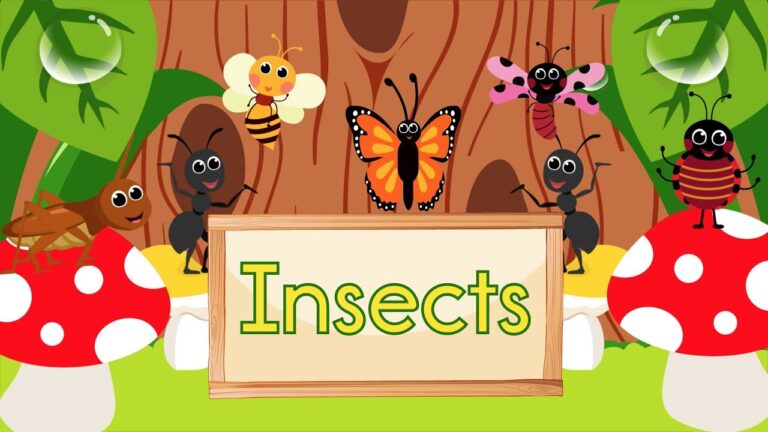
Video2nd GradeInsect Song

The Insect Song by Have Fun Teaching is perfect for teaching and learning all about insects. This animated music video teaches what makes an insect an insect: an exoskeleton, three body parts (head, thorax and abdomen), six legs and two antennae. While watching the Insect Song, students learn the traits…

Video
Video2nd GradeReptile Song

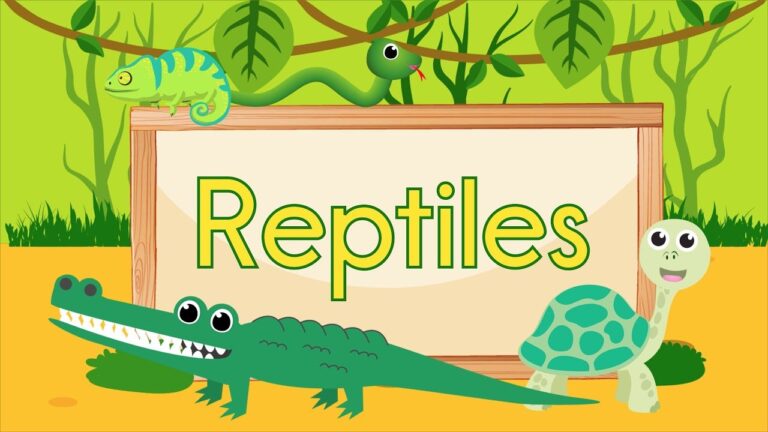
The Reptile Song by Have Fun Teaching is perfect for teaching and learning all about reptiles. This animated music video teaches that reptiles breathe with lungs, have claws and scales, lay eggs on land, use the sun for heat and are cold-blooded. While watching the Reptile Song, students learn the…

Worksheet
Worksheet2nd GradeClassifying List Worksheet

This classifying list worksheet has 2nd grade students sort nine everyday words into solid, liquid, and gas columns. An answer key is included, making it easy to check their thinking about matter.

Activity
Activity2nd GradeHot and Cold Activity

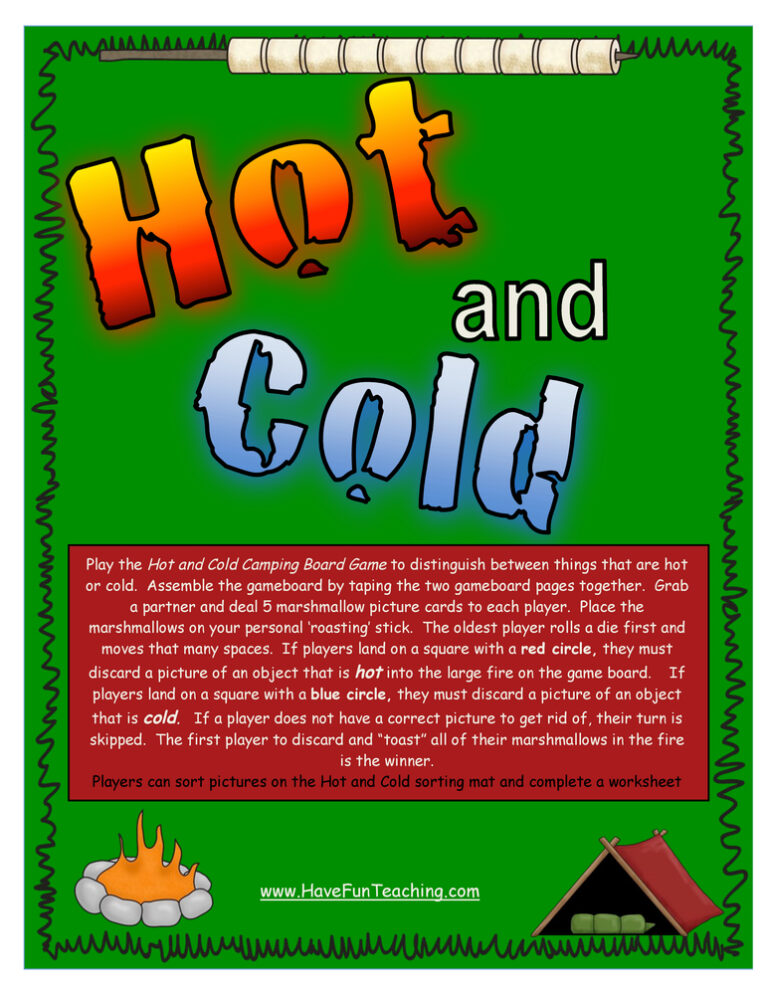
This hot and cold activity lets children sort 12 picture cards onto a Hot and Cold mat to learn about temperature. For kindergarten to 2nd grade, answer key included.

Worksheet
Worksheet2nd GradeLiving Non-Living Venn Diagram Worksheet

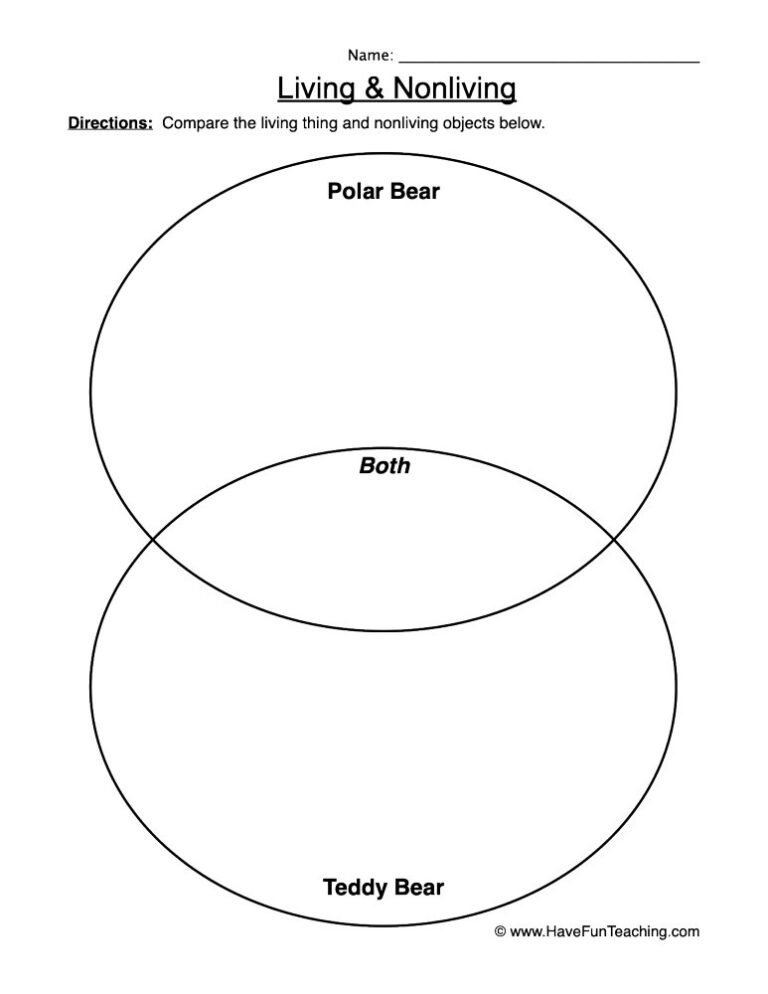
This living non-living venn diagram worksheet has 2nd grade students sort six facts about a polar bear and a teddy bear into a Venn diagram. An answer key is included for quick, easy checking.

Worksheet
Worksheet2nd GradeInsect Classification Worksheet

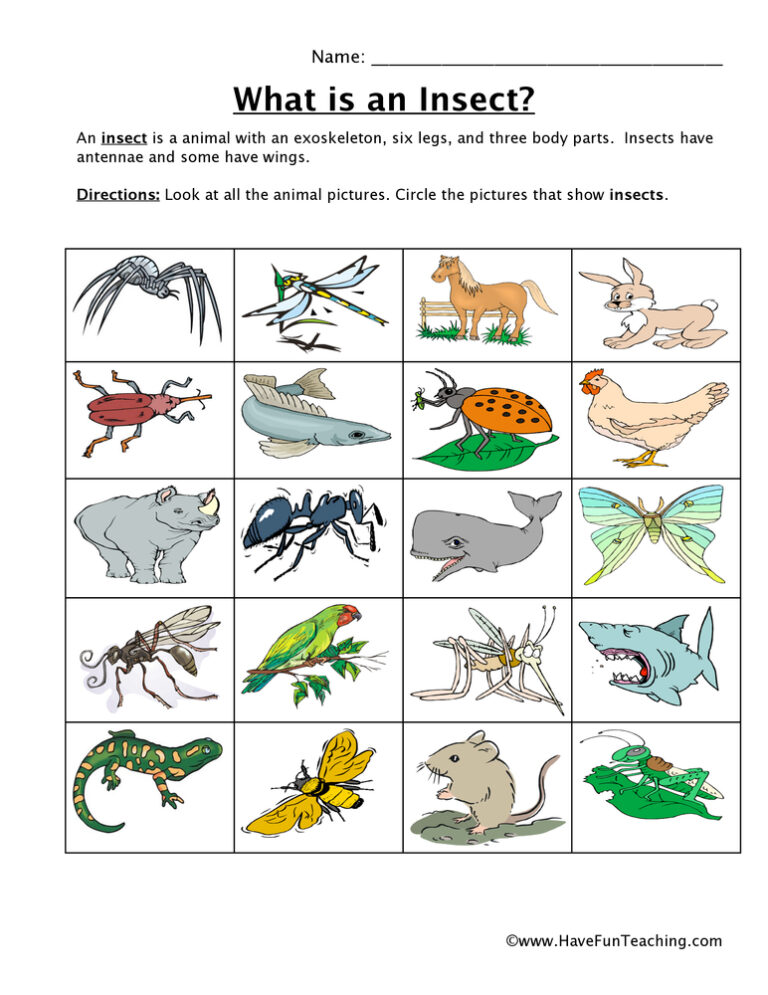
A picture-sorting insect classification worksheet that has 2nd Grade students test six animals against one simple three-part rule. Includes an answer key, so it works as no-prep science practice at home or school.

Activity
Activity2nd GradeAnimal Riddles Activity

This animal riddles activity has students read clues and match each riddle to the right animal card. Made for 1st-2nd grade with self-check cards, a practice page and an answer key included.

Worksheet
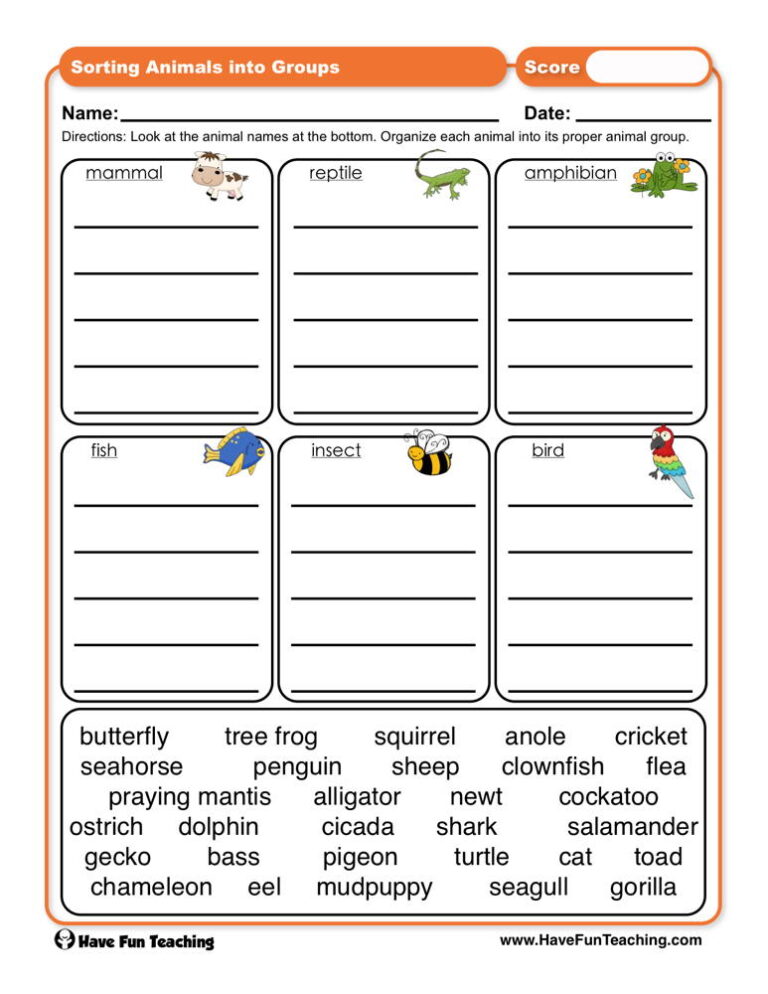
Worksheet2nd GradeSorting Animals into Groups Worksheet

Practice animal classification with this Sorting Animals into Groups Worksheet for 2nd grade. Students sort twelve animals into six groups, with an answer key included for easy checking.

Worksheet
Worksheet2nd GradeMammal Fish Bird Worksheet

This mammal fish bird worksheet asks 2nd graders to name the animal group for six pictures and four trait clues. An answer key is included, so checking the work takes only a minute.

Worksheet
Worksheet2nd GradeMammal VS Reptile Pictures Worksheet

This Mammal VS Reptile Pictures Worksheet has 2nd graders sort six animals by fur or scales, then classify four more by name. Answer key included, so a quick science check takes minutes.

From our teachers' playbook

Sort it, group it, name it

What do 2nd graders learn about classification?

Classification is how scientists organize the world, and second graders love being the sorters. They start with living versus nonliving: does it grow, need food and water, and make more of itself? Then they group animals by features they can observe: mammals have fur and feed milk to babies, birds have feathers, fish have gills and scales, and insects have six legs. They also sort by habitat, like land or water. The click moment comes when a child insists a whale goes with the mammals, not the fish, and can explain why.

Our favorite ways to teach classification

Sorting is natural for kids. These moves turn it into real science thinking.

Sing the animal groups

Play the mammal song and have kids list every feature they hear. Do the same with insect and reptile songs on other days. By the end of the week, the class has built its own chart of animal group features.

Why it works: a catchy, repeating tune gives the brain a hook to hang words on, so sung text is remembered better (Wallace, 1994).
Mammal SongTry it withMammal SongSongsOpen it →

Sort and defend

Give groups a stack of animal pictures to sort however they want, then ask them to explain their rule. Next, sort by scientist groups. Comparing kid rules to science rules shows why features matter.

Why it works: pairing a picture with each word gives kids two ways to remember it, a well-tested principle of how people learn (Mayer, 2009).

Sorting Animals into Groups WorksheetTry it withSorting Animals into Groups WorksheetWorksheetsOpen it →

Living or nonliving?

Draw a big Venn diagram on the floor with yarn. Kids place real objects and pictures in living, nonliving or both. Is a seed living? It sparks great debates.

Why it works: kids understand an idea best when they touch it, then draw it, then write it, the order the U.S. Department of Education recommends for elementary math.

Living Non-Living Venn Diagram WorksheetTry it withLiving Non-Living Venn Diagram WorksheetWorksheetsOpen it →

Questions parents and teachers ask us

What is classification in 2nd grade science?

Classification means sorting living and nonliving things into groups based on features they share. Second graders sort animals into groups like mammals, birds, fish, reptiles, amphibians and insects.

What are the main animal groups for kids?

The main groups are mammals, birds, fish, reptiles, amphibians and insects. Each group shares features, like feathers for birds or six legs for insects.

How do kids tell living from nonliving things?

Living things grow, need food, water and air, and make more of their kind. Nonliving things, like rocks or toys, don't do these things.

Is a whale a fish or a mammal?

A whale is a mammal. It breathes air with lungs, is warm-blooded and feeds its babies milk, even though it lives in water.



