
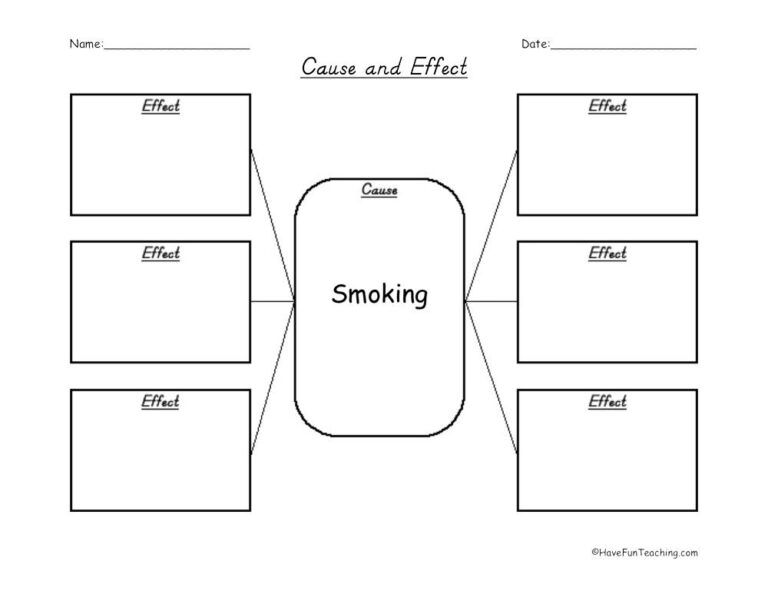
Using thisSmoking Cause and Effect Graphic Organizer, students organize effects of smoking using this graphic organizer.

Using this Fact and Opinion Graphic Organizer, students organize their ideas using this graphic organizer to determine whether statements are fat or opinions.

Using this Fact and Opinion Lined Graphic Organizer, students organize their ideas using this graphic organizer to determine whether statements are fact or opinions.

Using this Fantasy and Realism Story Elements Graphic Organizer, students fill in as many details as you can to show the difference between Fantasy and Realism.
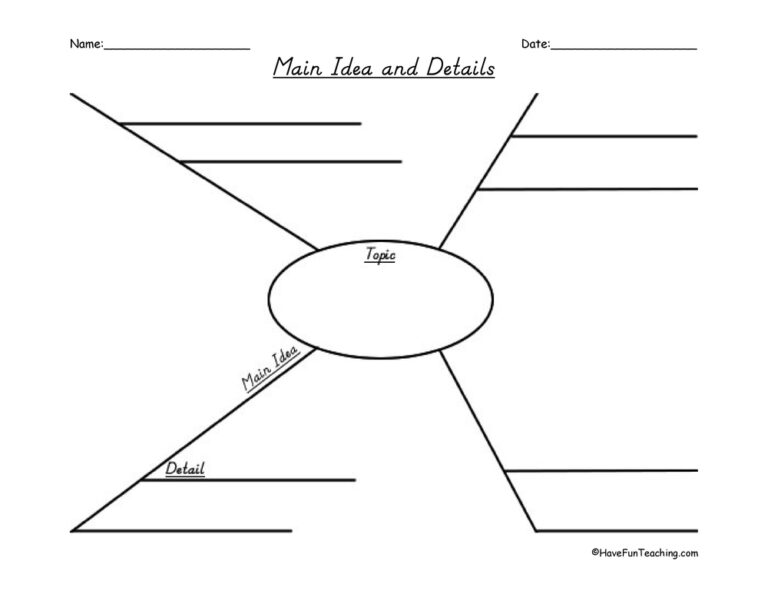
Using this Main Idea and Details Graphic Organizer, students organize details as they independently read to determine the main idea.
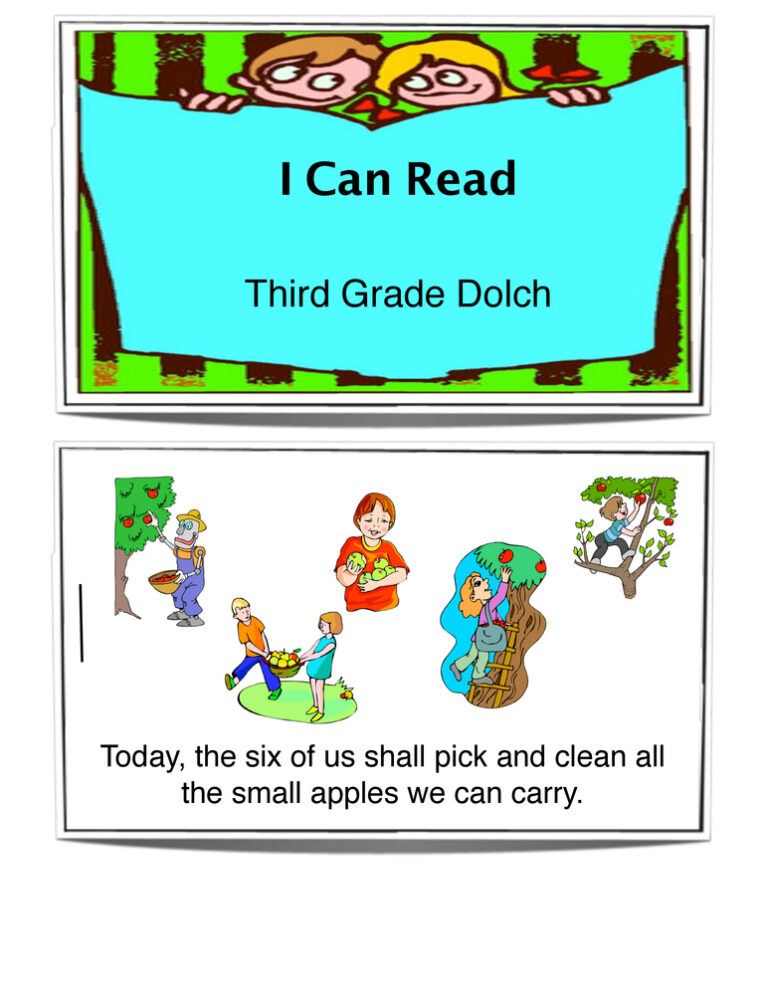
Using Third Grade Sight Words Book, students practice sight words as they read this Third Grade Dolch Sight Word Book.

Using the Comparing Themes of Two Stories Activity, students use a Venn Diagram to compare and contrast the theme of two passages.
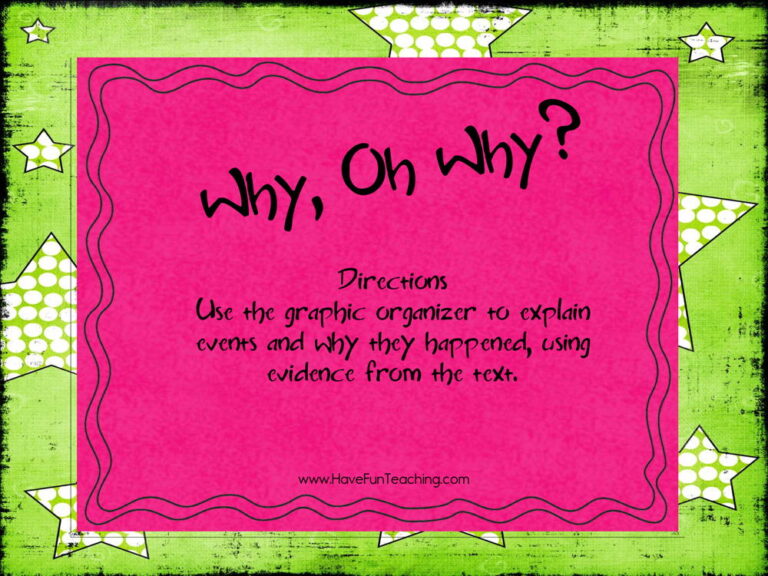
Using this Why oh Why Story Details Activity, students answer the questions "What happened?" and "why did it happen?" while citing their textual evidence.

Using this Whose Point of View Compare and Contrast Activity, students identify whether a story is being told in a first- or third-person POV, while comparing and contrasting the two.

Using this What's the Main Idea Activity, students recount the key details and explain how they support the main idea to build their comprehension skills.

Using the Practice Makes Perfect Fluency Activity, students read the passage with accuracy and fluency while you take notes on their reading.

With this activity, your students can work independently to map their thinking as they read nonfiction texts.

Using Animal Myth Busters Author's Purpose Activity, students read animal myths to explain how an author uses evidence to support points in a text.

Using Identifying Literary Elements Activity, students find examples of text features and story elements to build their reading comprehension.
Using What Does This Word Mean Context Clues Activity, students determine the meaning of general academic and domain-specific words and phrases in a text.

Using this Look in the Text Activity, students ask and answer questions to demonstrate understanding of a text, referring explicitly to the text as the basis for the answers.
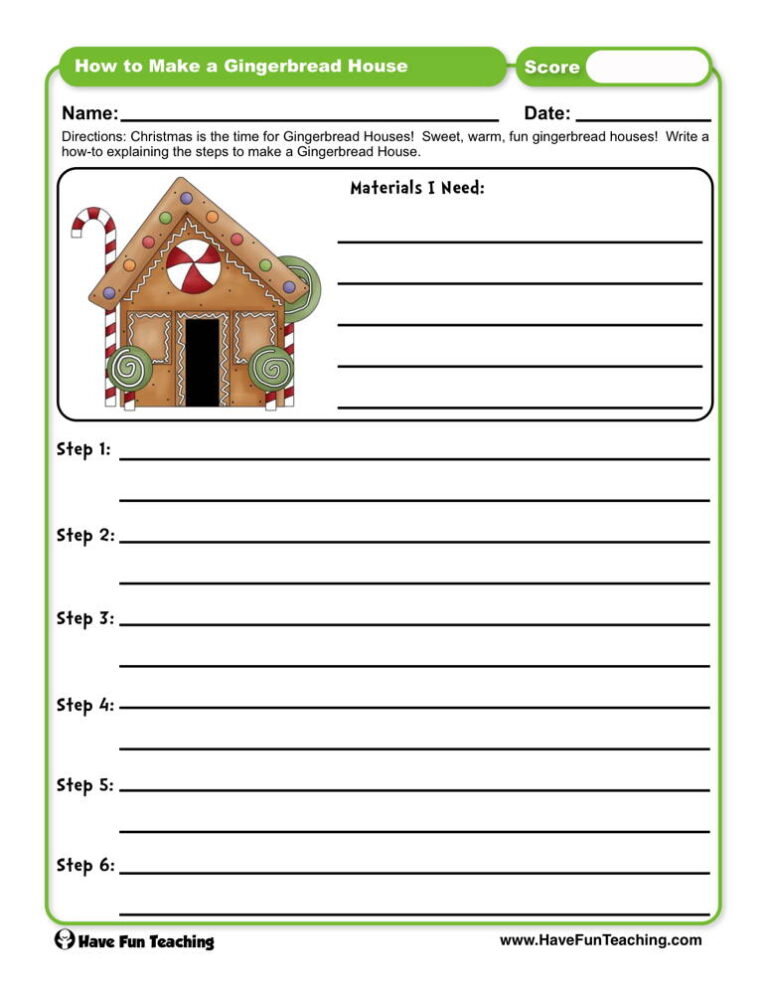
Using How to Make a Gingerbread House Worksheet, students write ahow-to explaining the steps to make a Gingerbread House.
Using Comparing Points of View Activity, students distinguish their own point of view from that of the author of a text.
Using Looking at the Character's Viewpoints Activity, students acknowledge differences in the points of view of characters to gain a different perspective.

Using Reading Informational Texts Book Review Activity, students read and comprehend informational texts, including history/social studies, science, and technical texts.