Skip to content
Start My 3 Free Days $0 today · cancel anytime

Life Science Activities

21 life science activities. Teacher favorites: Frog Facts Activity and Fish Parts Activity. How teachers use these

Life Science Activities

21 life science activities. Teacher favorites: Frog Facts Activity and Fish Parts Activity. How teachers use these

Activity
ActivityKindergartenFrog Facts Activity

This frog facts activity has children sort 12 fact cards onto TRUE and FALSE lily pads. Made for Kindergarten to 3rd Grade, with a practice page and answer key included.

Activity
ActivityKindergartenFish Parts Activity

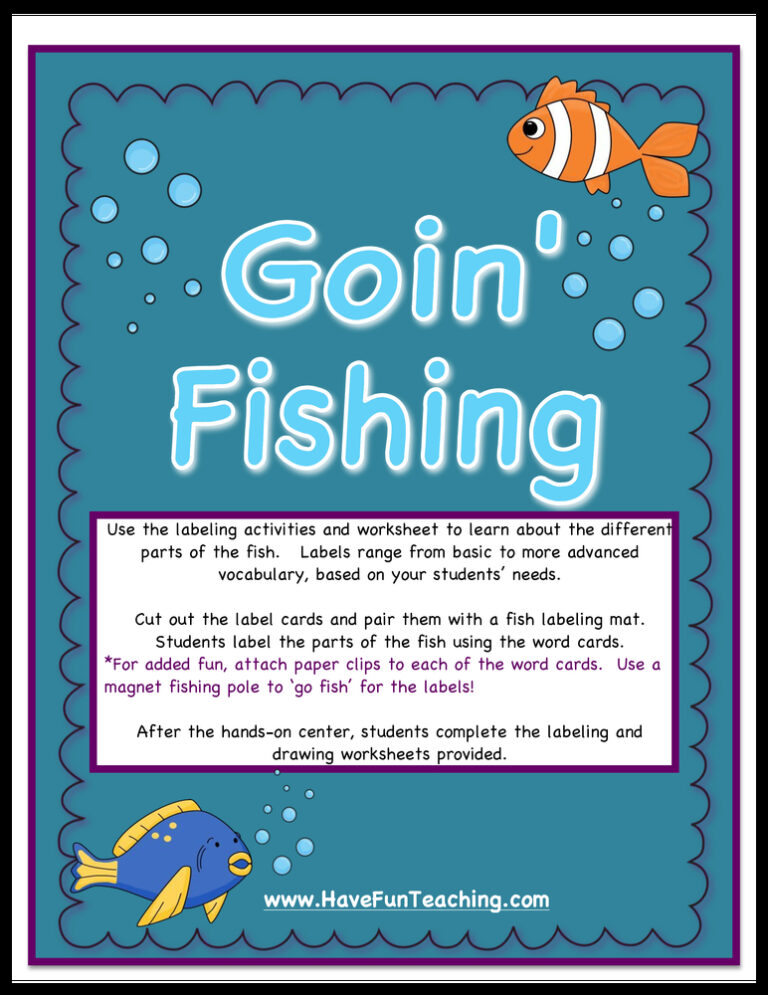
This fish parts activity has kindergarten and 1st grade children catch picture cards and label the eye, mouth, gills, fin, scales and tail, with an answer key included for quick checking.

Activity
ActivityKindergartenAnimal Habitats Activity - Freshwater, Grasslands, Forest, Ocean

This animal habitats activity has kindergarten to 2nd grade students sort 16 animal cards onto freshwater, grassland, forest and ocean mats. A practice page and an answer key are included.

Activity
Activity1st GradeAnimal Riddles Activity

This animal riddles activity has students read clues and match each riddle to the right animal card. Made for 1st-2nd grade with self-check cards, a practice page and an answer key included.

Activity
ActivityKindergartenLiving and Nonliving Activity

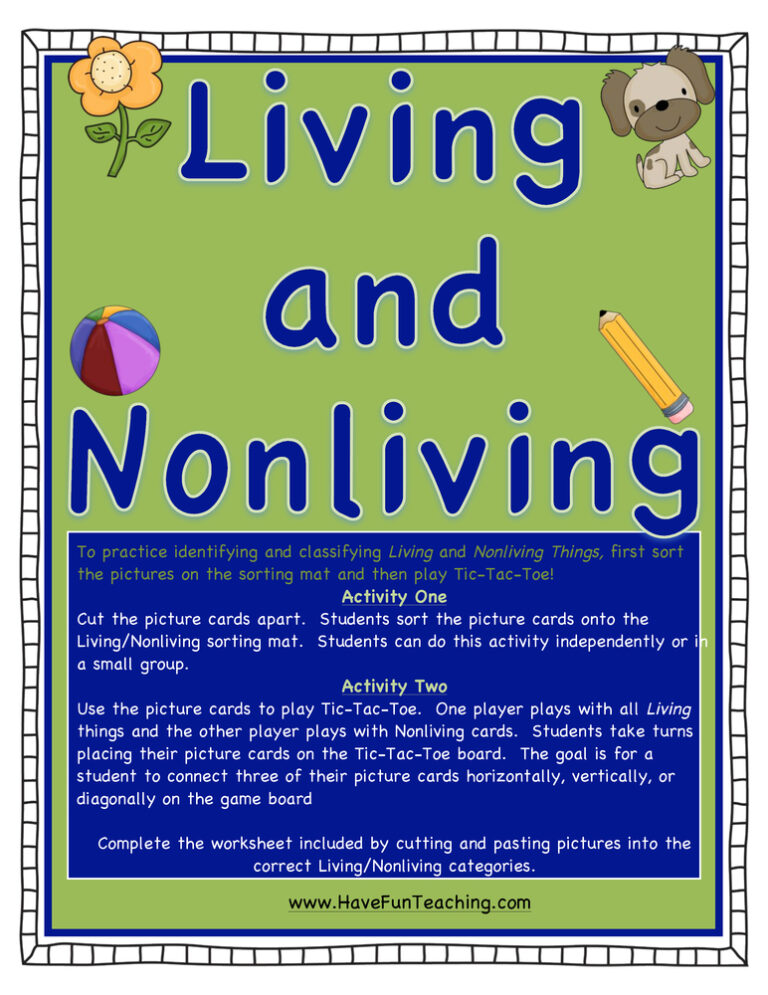
This living and nonliving activity gives kindergarten to 2nd grade students 12 picture cards and a sorting mat to classify things that are alive. A practice page and answer key are included.

Activity
ActivityKindergartenWhat Does a Plant Need Activity

This what does a plant need activity has kindergarten and 1st grade children sing, sort picture cards and write about sunlight, water, air and soil. Answer key included.

Activity
ActivityKindergartenLand or Water Activity

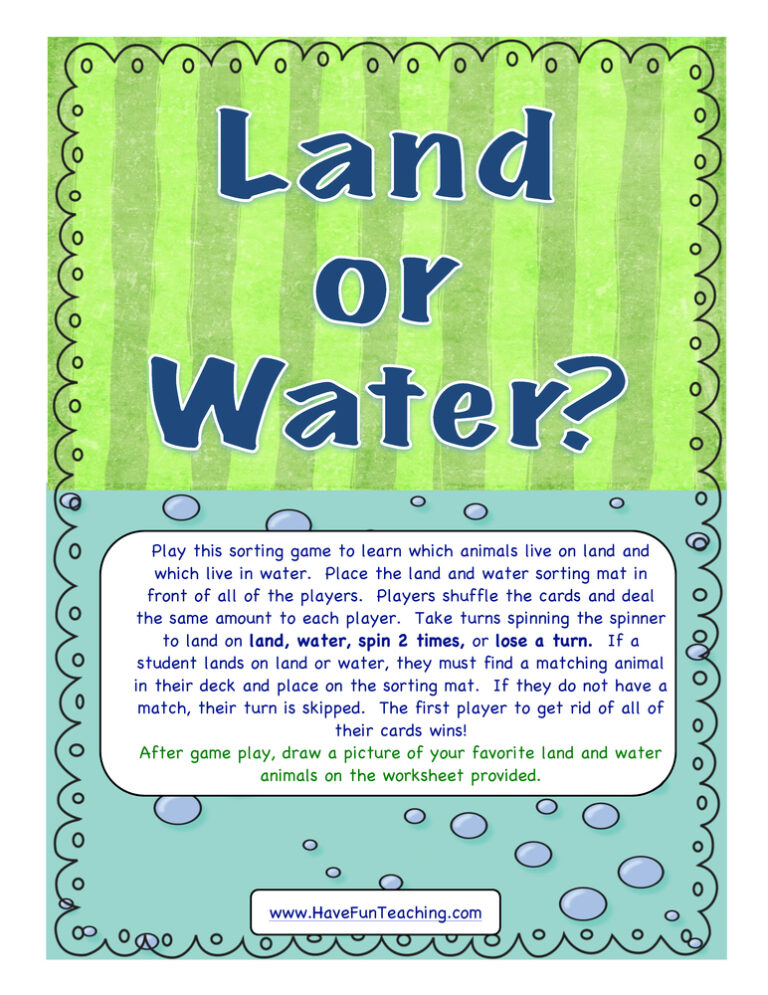
This land or water activity is a K-2nd grade animal sorting card game with a spinner and sorting mat. Children classify animals by where they live, and an answer key is included.

Activity
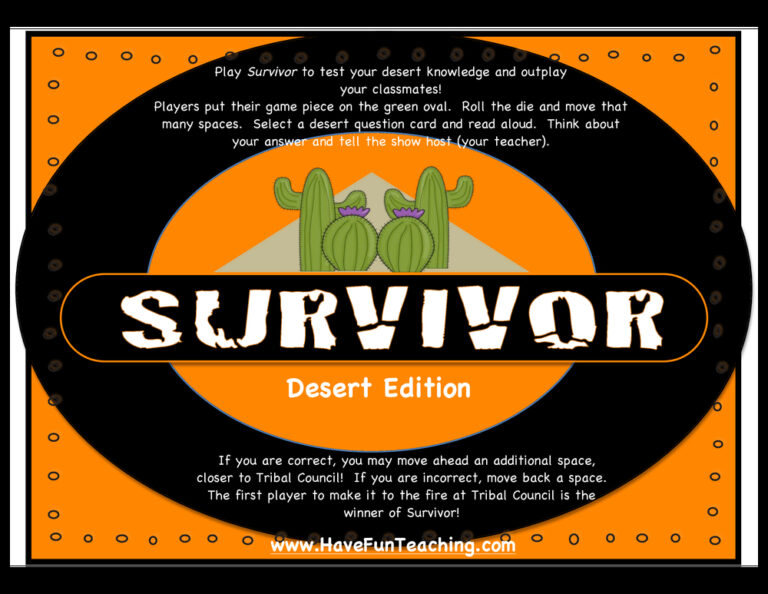
Activity2nd GradeSurvivor Desert Edition Activity

Using this Survivor Desert Edition Activity, students play the survivor board game to test your knowledge of animals and their habitats.

Activity
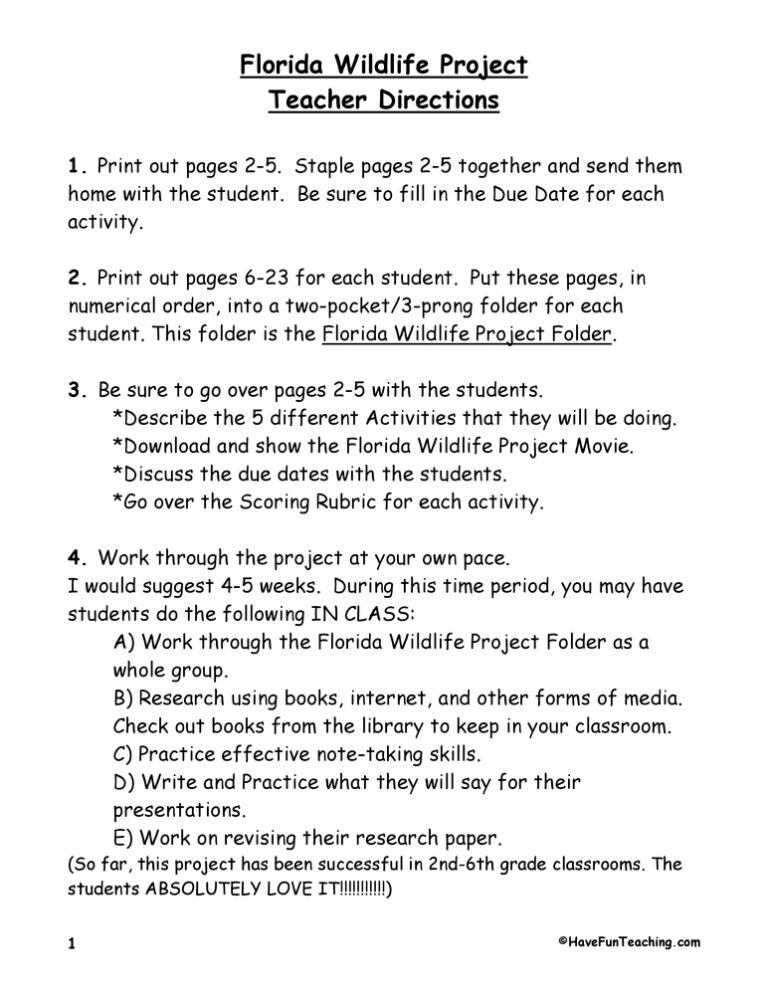
Activity3rd GradeFlorida Wildlife Animal Project

Using this Florida Wildlife Animal Project, students research, design a poster, create a model and give a presentation to learn about the animals that live in Florida.

Activity
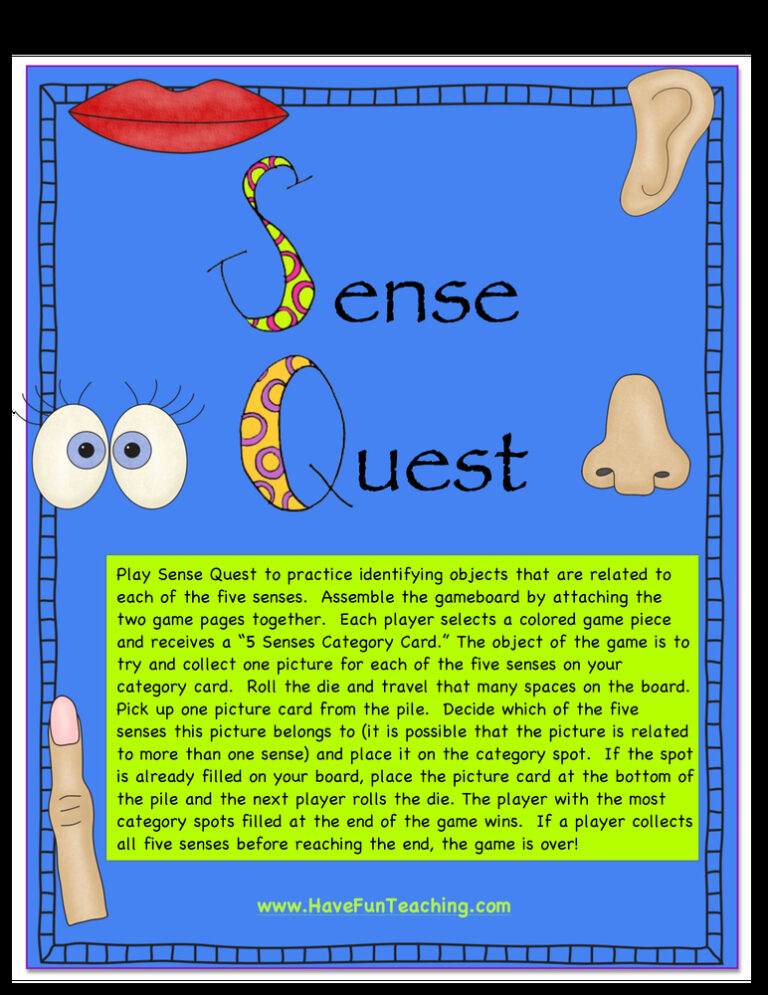
ActivityKindergartenFive Senses Sense Quest Activity

This five senses sense quest activity is a board game where children match 15 picture cards to a sense. Made for Kindergarten and 1st grade, with a practice page and answer key included.

Activity
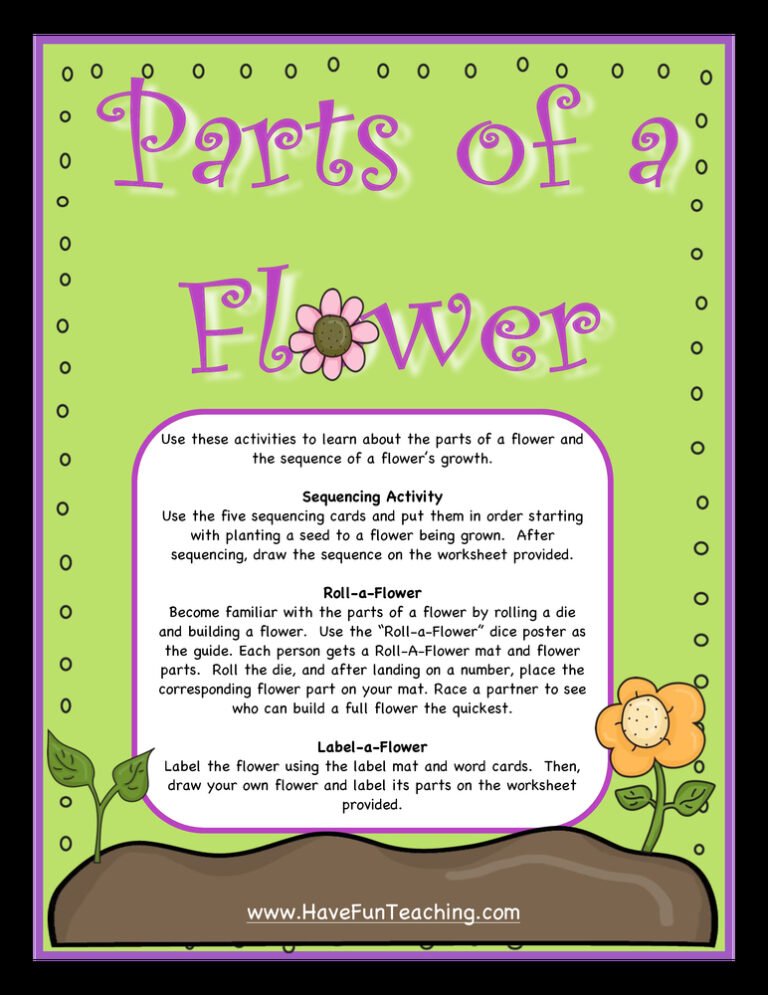
ActivityKindergartenParts of a Flower Activity

Explore this parts of a flower activity with kindergarten to 2nd grade students. Kids order life cycle cards, spin and color flower parts, and an answer key is included.

Activity
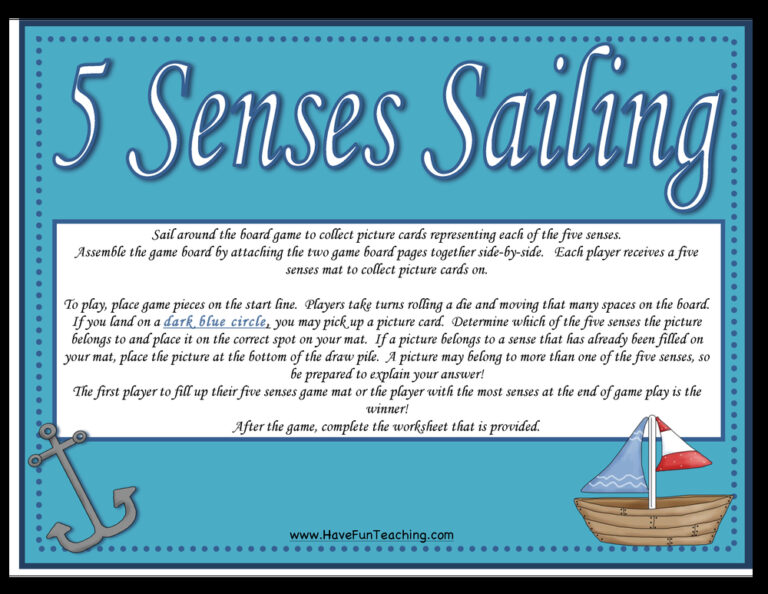
ActivityKindergartenFive Senses Board Game Activity

Using Five Senses Board Game Activity, studentssail around the board game to collect picture cards representing each of the five senses.

Activity
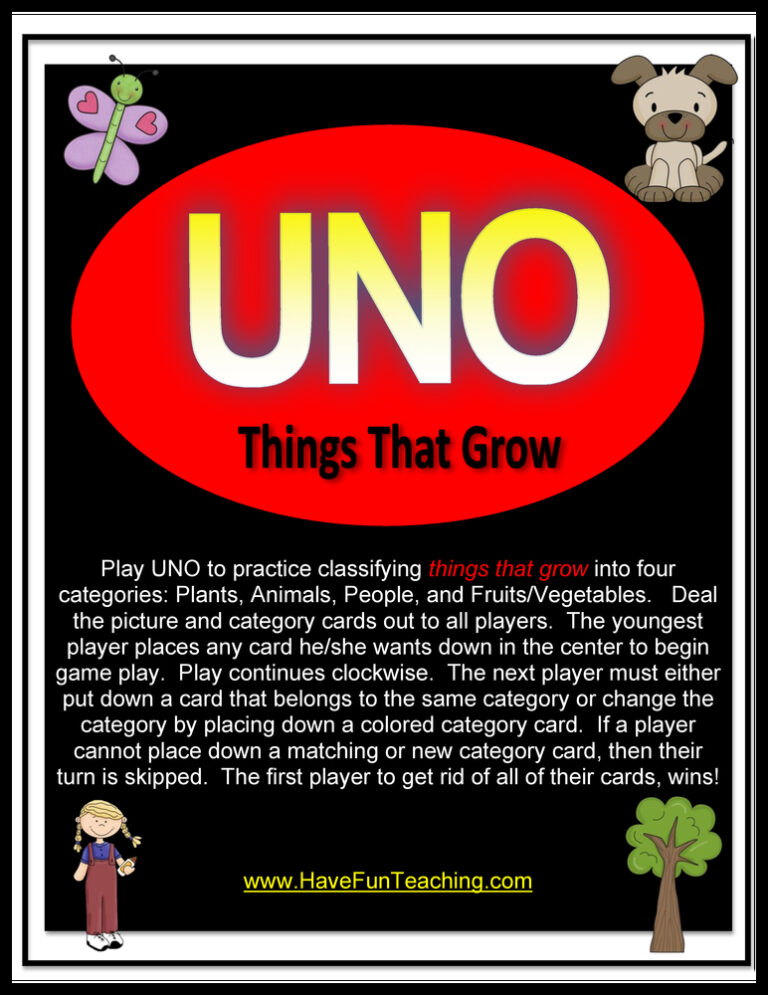
ActivityKindergartenThings That Grow Activity

Using Things That Grow Activity, students play UNO to practice classifying things that grow into four categories.

Activity
Activity3rd GradeBrazil Wildlife Animal Project

This Brazil wildlife animal project activity has students sort ten rainforest animals by layer, then research one animal and share it. Made for 3rd to 5th grade, answer key included.

Activity
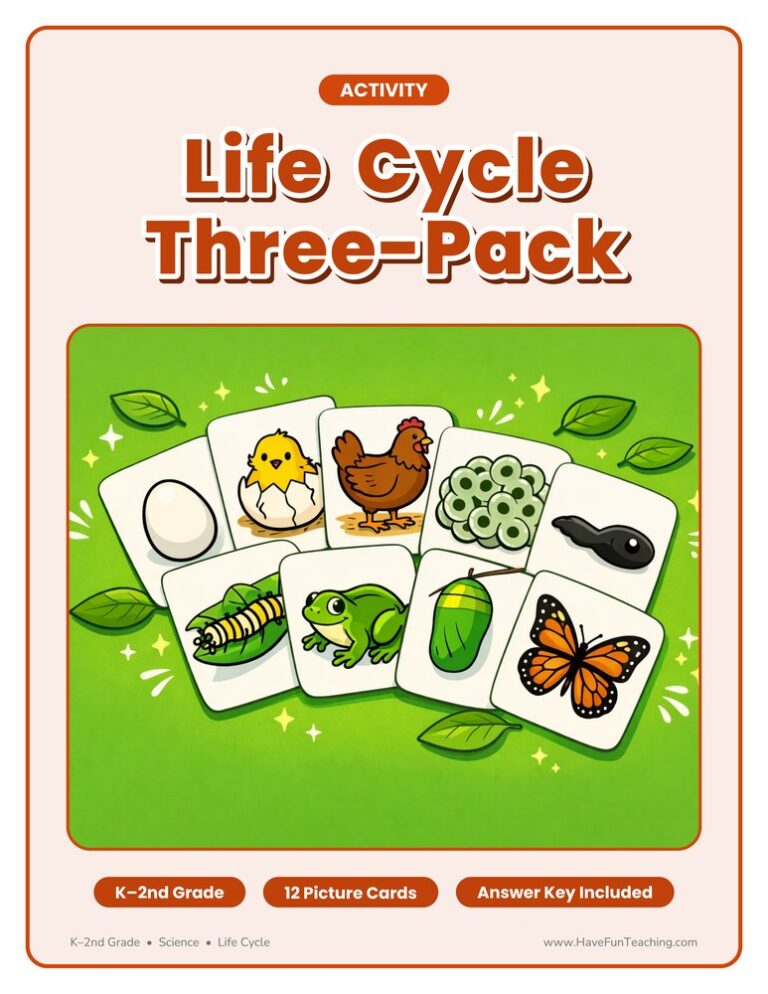
ActivityKindergartenLife Cycle Three Pack Science Life Cycles Activity

Try this life cycle three pack science life cycles activity with kindergarten to 2nd grade students. Kids sequence chicken, frog and butterfly picture cards; an answer key is included.

Activity
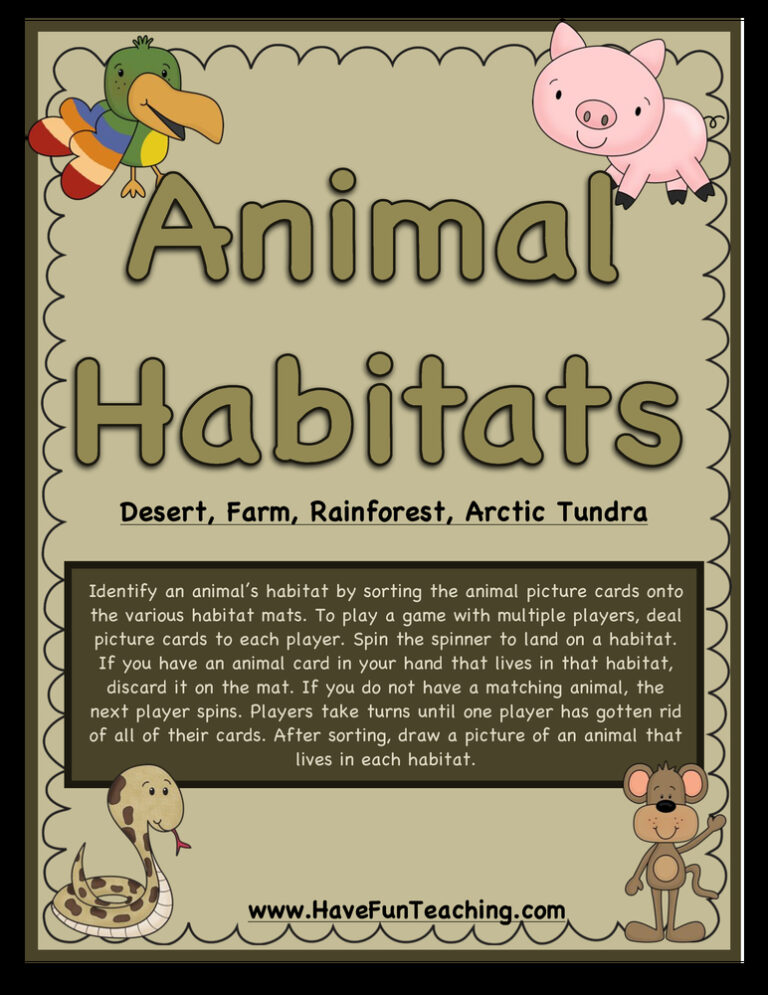
ActivityKindergartenAnimal Habitats Desert, Farm, Rainforest, Arctic Tundra Sort Activity

This animal habitats sort activity has kindergarten to 2nd Grade children sort animal cards into desert, farm, rainforest and arctic tundra homes. Spinner game and answer key included.

Activity
ActivityPreschoolBody Parts Matching Activity

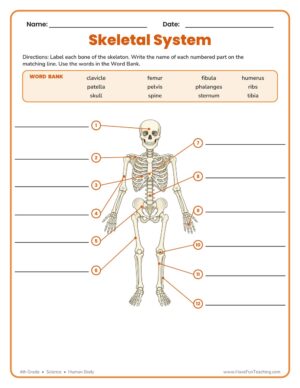
This body parts matching activity helps preschool to 1st grade children match six body part pictures to their words in a fun memory game, with a practice page. Answer key included.

Activity
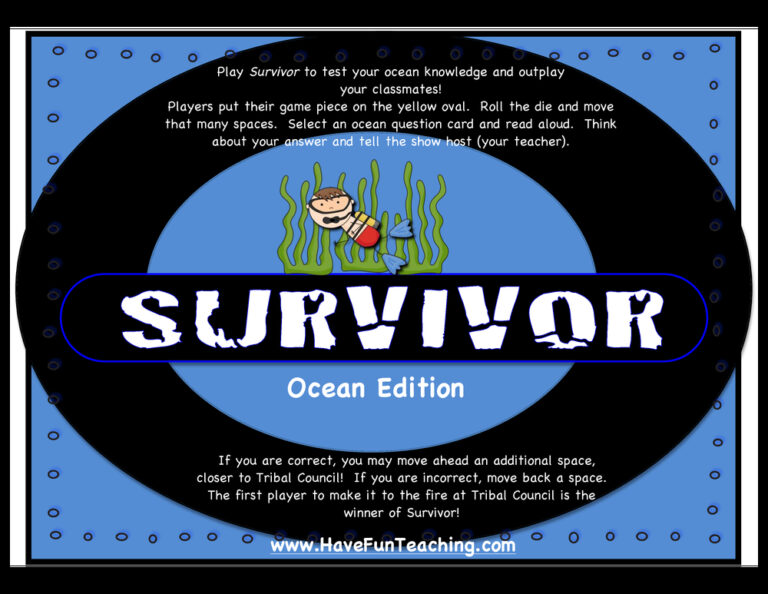
Activity2nd GradeSurvivor Ocean Edition Activity

Using this Survivor Ocean Edition Activity, students play the survivor board game to test your knowledge of animals and their habitats.

Activity
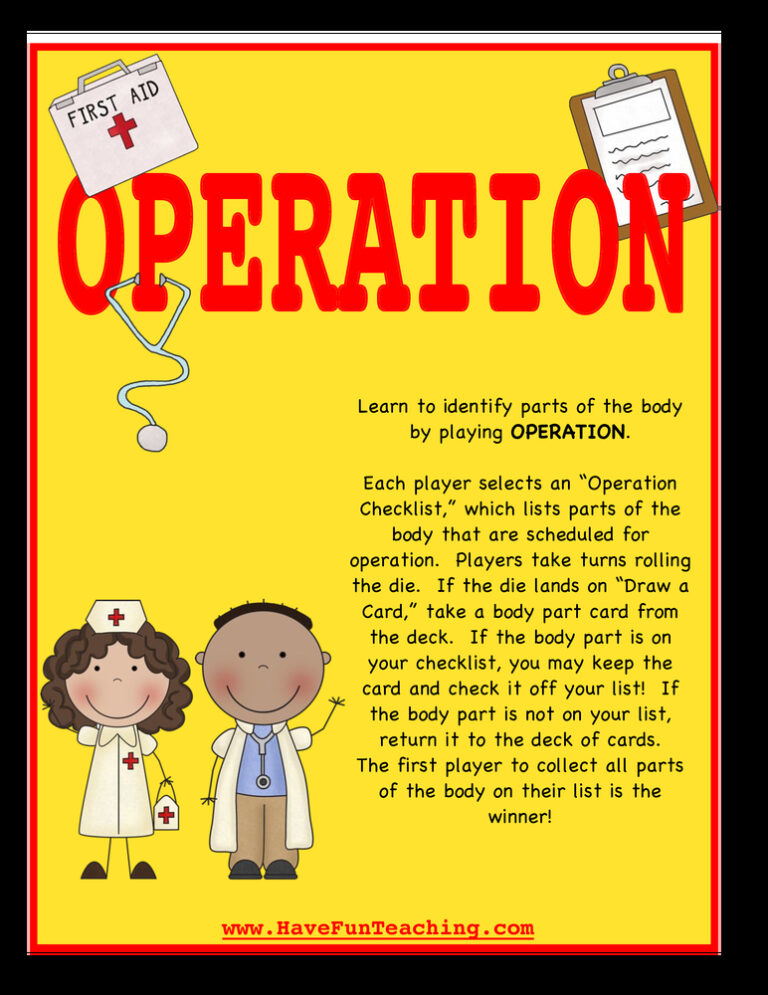
ActivityKindergartenBody Parts Operation Activity

Using this Body Parts Operation Activity, studentsplayOperation to identify different parts of the body in an engaging way.

Activity
ActivityKindergartenFarm Writing Activity

Using this Farm Writing Activity, students practice their comparing, sequencing, and story writing skills while writing all about farm!

From our teachers' playbook

Plants, animals and the amazing human body!

What do kids learn in life science?

Life science is the study of living things. Kids learn what plants need to grow, name the parts of a plant and a flower, and watch life cycles like a caterpillar becoming a butterfly. They group animals into mammals, birds, reptiles, fish and more, and learn how adaptations help animals survive. They also explore their own bodies: bones, muscles, skin and the five senses. As they grow, kids look closer at cells, the tiny building blocks of every living thing. The click moment is when kids see how every living thing fits its environment.

Our favorite ways to teach life science

Life science comes alive when kids can observe, sort and draw. These moves make it hands-on.

Label a real flower

Bring in a real flower and have kids gently pull it apart to find the petals, stem and roots. Then they label a diagram. Matching the real thing to a picture builds strong vocabulary.

Why it works: children learn more from words and pictures together than from words alone (Mayer, 2009).
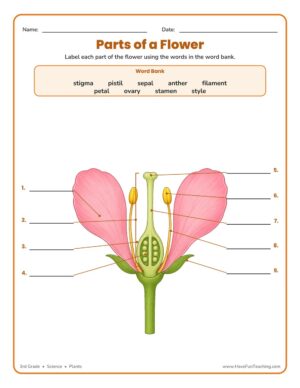
Flower Parts of a Plant WorksheetTry it withFlower Parts of a Plant WorksheetWorksheetsOpen it →
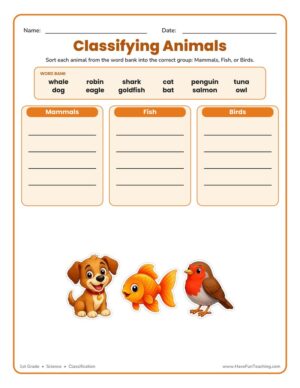
Animal word match

Quick matching rounds of animal words and pictures keep new vocabulary fresh. Repeat a few times a week as a warm-up.

Why it works: a big review of study methods ranked quick self-quizzing among the most powerful ways to remember (Dunlosky and colleagues, 2013).

Animal Words Matching WorksheetTry it withAnimal Words Matching WorksheetWorksheetsOpen it →

Questions parents and teachers ask us

What is life science for kids?

Life science is the study of living things, including plants, animals and people. Kids learn about life cycles, habitats, body systems and what living things need to survive.

What topics are in elementary life science?

Common topics include plant parts and needs, animal groups, life cycles, habitats and adaptations, the human body and the five senses. Older grades add cells and ecosystems.

How can I teach life science at home?

Plant seeds, watch birds, visit a park or zoo, and talk about how animals live. Simple observations and questions build real science skills.

What is the difference between life science and physical science?

Life science studies living things like plants and animals. Physical science studies matter, energy, forces and motion.