3 days free
Ready for the whole library?
You’ve had your freebie — but members download 10,000+ resources for every grade, all year long. Try it free — $0 today, cancel anytime.
Free for teachers
Pick your grade. We’ll send 10 free resources.
Worksheets, activities and a video — picked for your classroom, ready to print tonight.
One free bundle per teacher. We’ll also send free teaching ideas each week — unsubscribe anytime.




This Ounces Pound Ton Worksheet asks 4th graders to pick the best unit for six objects, finish four weight conversions, and solve two word problems. An answer key is included, so checking work takes seconds.
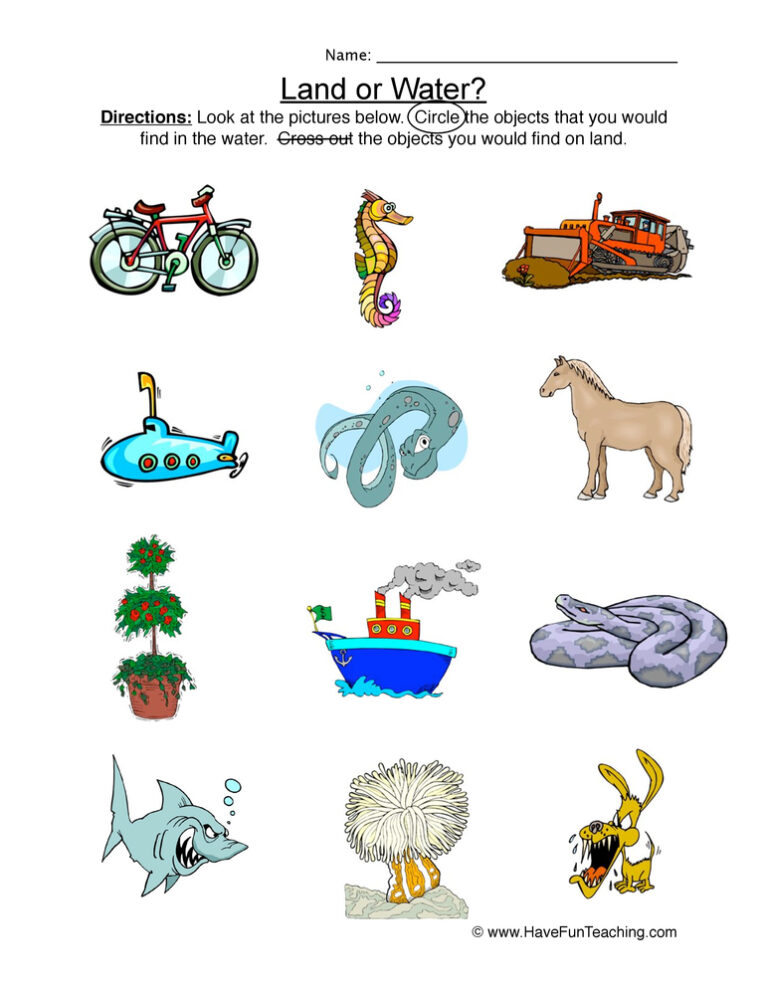
This Land and Water Sorting Worksheet asks Kindergarten students to fill in a bubble for each picture, then draw one thing they see in the water. Answer key included for quick, no-prep science practice.

A showing the time on a clock worksheet where 2nd graders draw the hour and minute hands for six five-minute times, then solve two clue problems. Answer key included for fast, no-prep practice.

This How to Solve a Problem Worksheet asks kindergarten students to pick the kindest fix for three everyday classroom mix-ups, then draw a problem of their own. An answer key is included for quick checking.
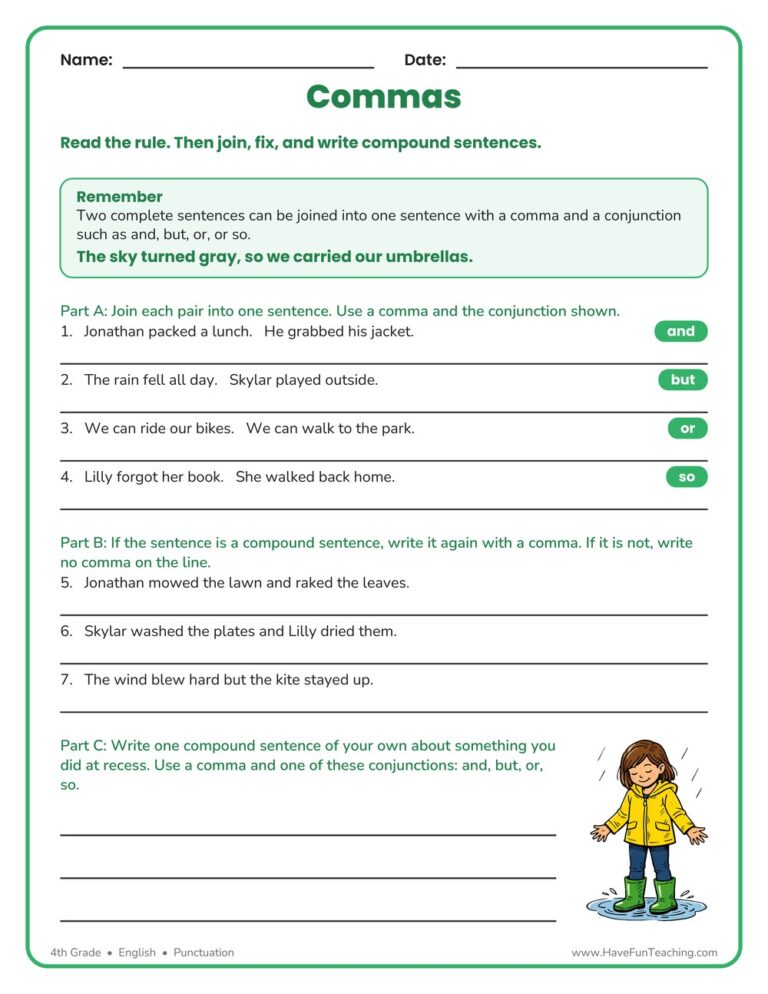
This independent clauses comma worksheet gives 4th graders eight chances to join, fix, and write compound sentences with a comma. Answer key included, so students can check their own punctuation and write with confidence.
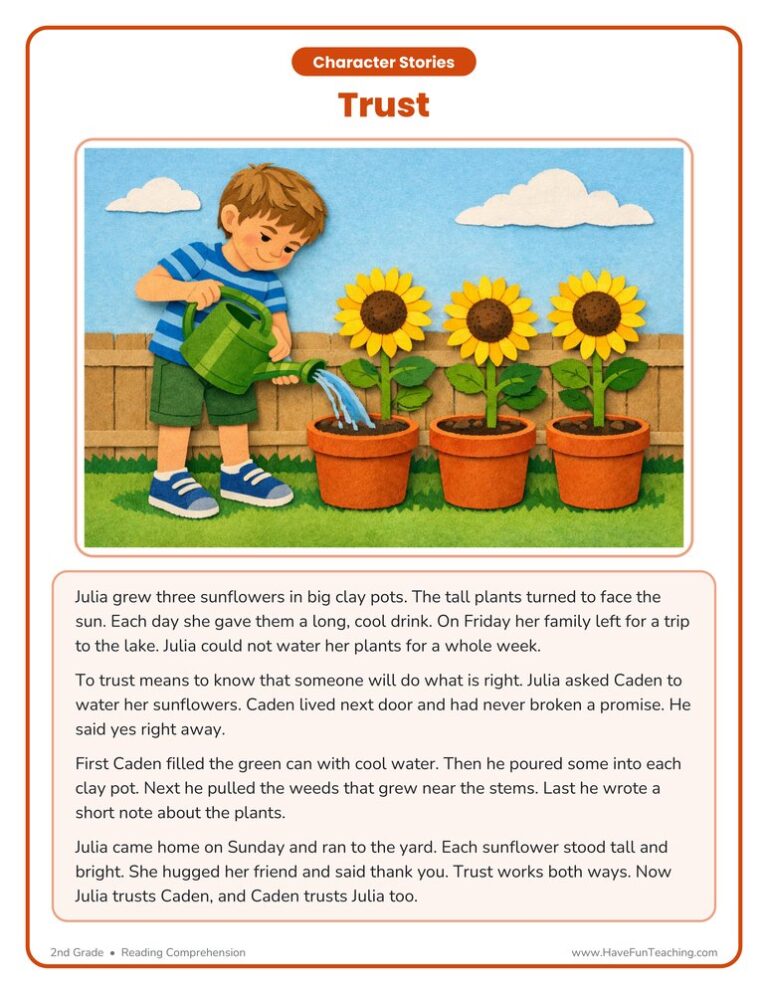
This Trust Character Reading Comprehension Worksheet gives 2nd graders a friendly story about keeping a promise, plus four questions and a write-about-it prompt. Answer key included, so reading practice and character talk take no prep.
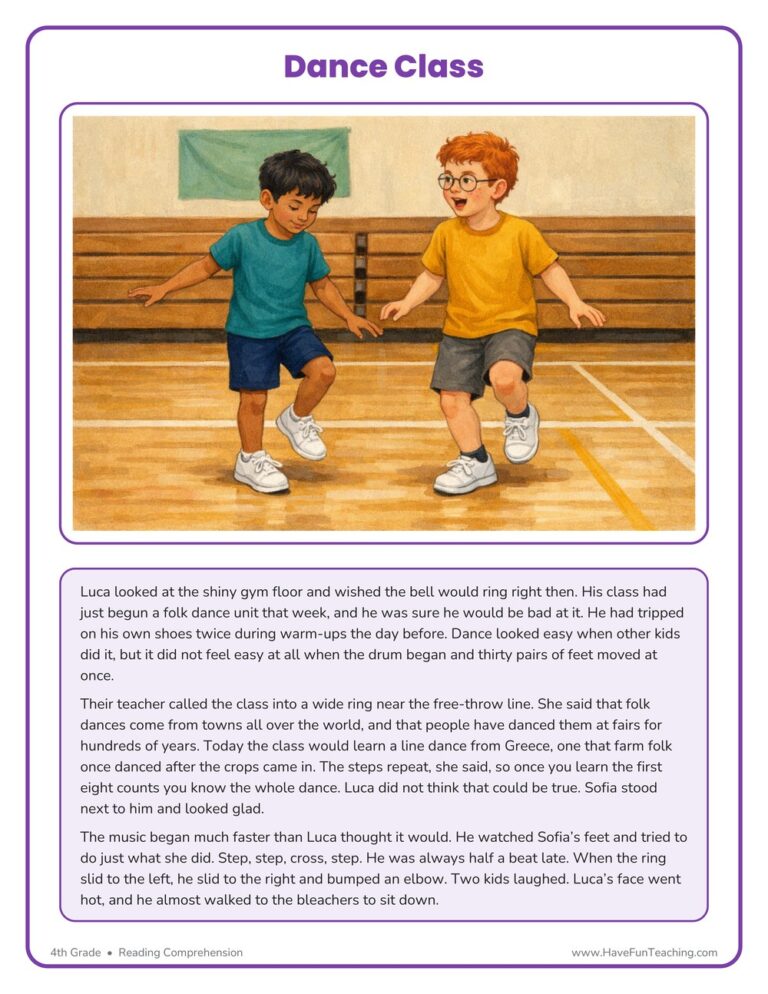
The Dance Class Reading Comprehension Worksheet gives 4th Grade readers a 776-word story about a boy who learns a folk dance, plus four bubble questions and two written responses. Answer key included.

This Grandpa's Books - Reading Comprehension Worksheet gives 5th graders a two-page story about a family book room, plus questions that ask for text evidence. Answer key included for fast, no-prep practice.
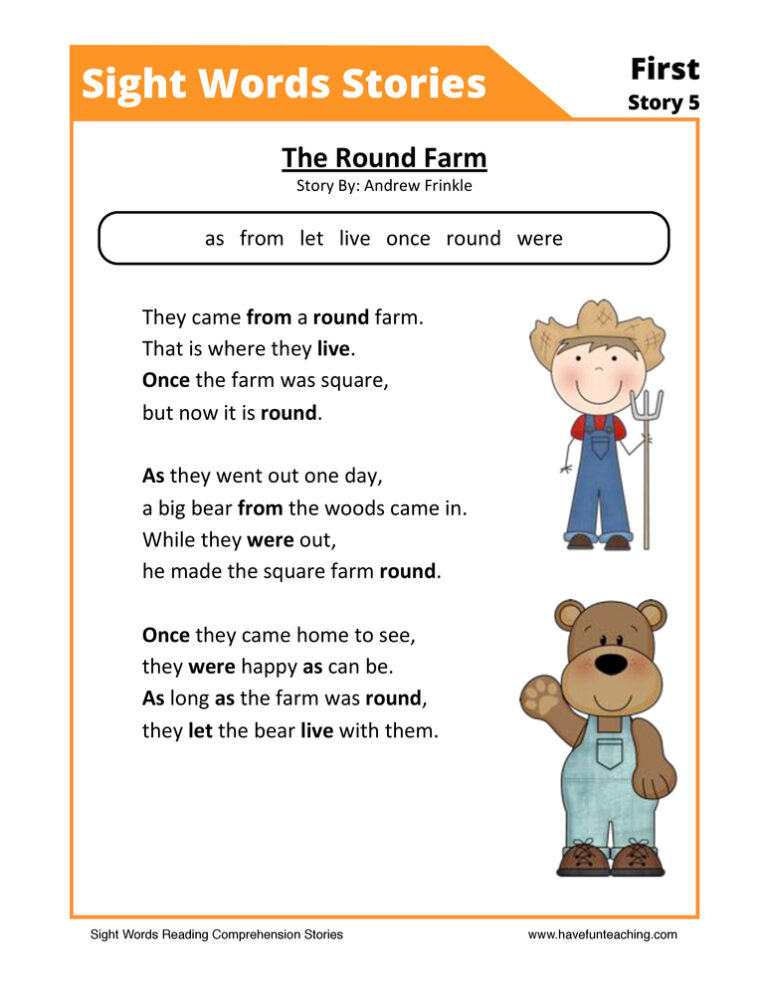
The Round Farm is a first sight words reading comprehension worksheet that gives 1st graders a short farm story with the sight words in dark type, plus five questions and an answer key for quick, no-prep practice.

This Connect and Draw Compound Words Worksheet has 1st graders match word pairs, build three new words, and name three pictures. An answer key is included, so a quick word-building lesson is ready to print.

This We Want a Pet Reading Comprehension Worksheet gives 3rd Grade readers an original story, four multiple choice questions, word-bank sentences, and a short written response. An answer key is included, so checking comprehension takes a minute.
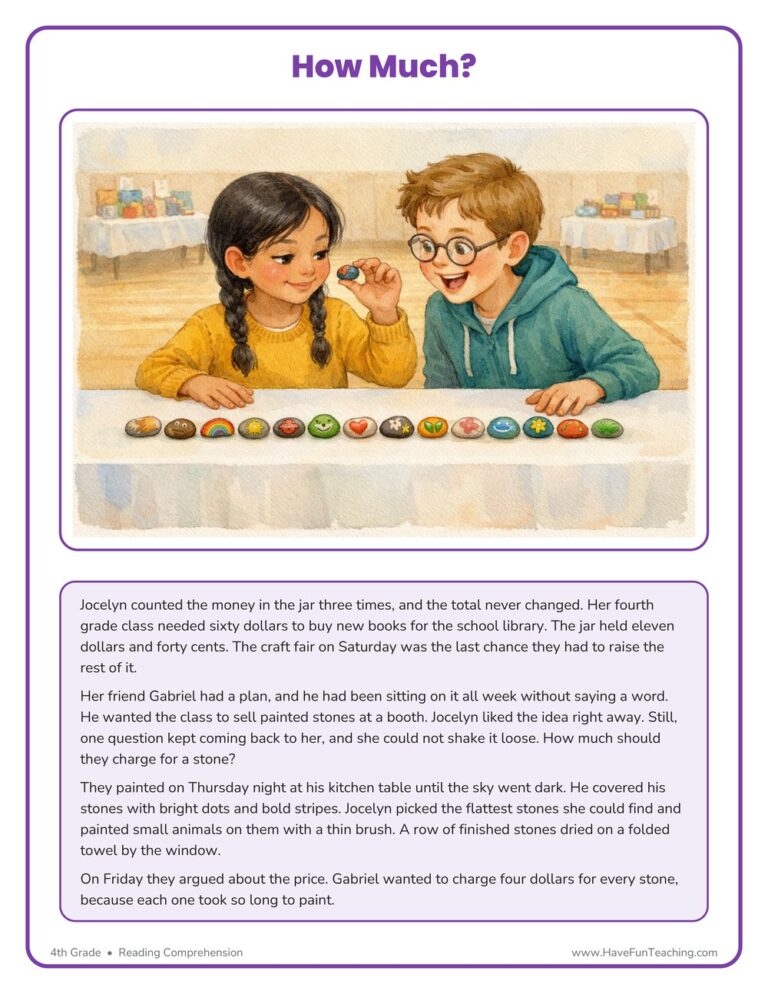
The How Much? Reading Comprehension Worksheet follows two 4th Grade friends running a craft fair booth and asks readers to track the money they raise. Answer key included, so checking work takes seconds.
This 9 Boxes Comic Strip Worksheet gives 2nd Grade writers nine numbered panels to draw a story and add speech bubbles, turning sequencing and dialogue into a creative, no-prep writing activity.
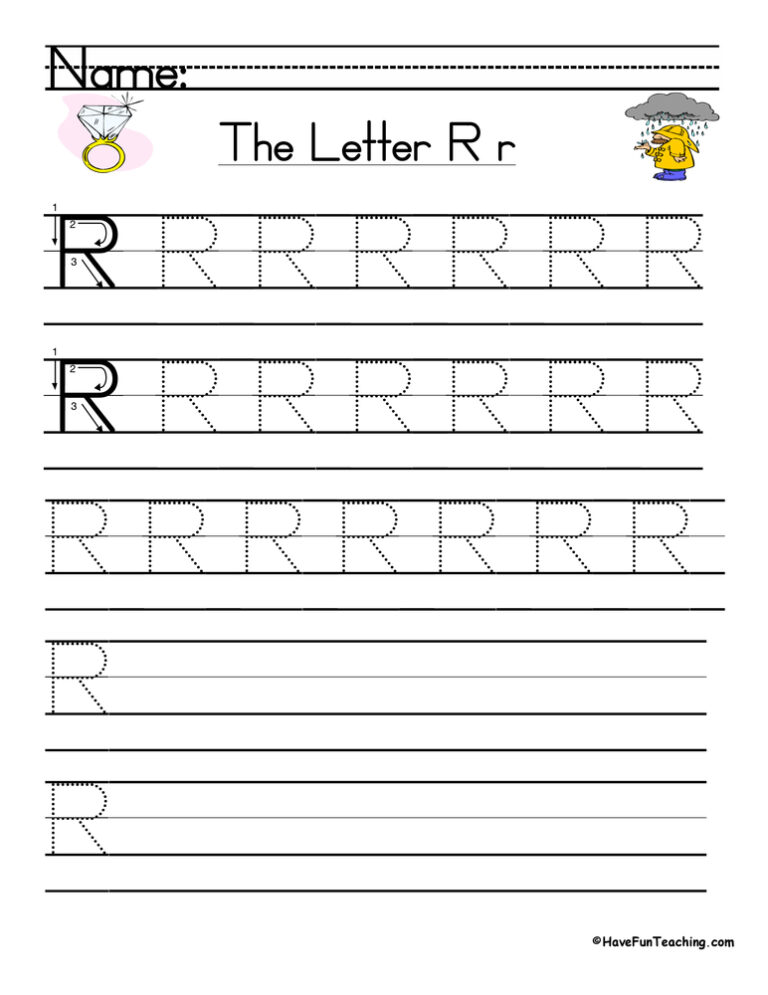
This Letter R Handwriting Practice Worksheet has Kindergarten students trace and write uppercase R and lowercase r on three-line guides, then trace the words rabbit and rainbow. Answer key included, so handwriting checks take seconds.

This Circling CVC E Words Worksheet asks 1st graders to pick the CVC or silent e word that finishes each sentence, then build three new words. An answer key is included, so phonics practice takes no prep.
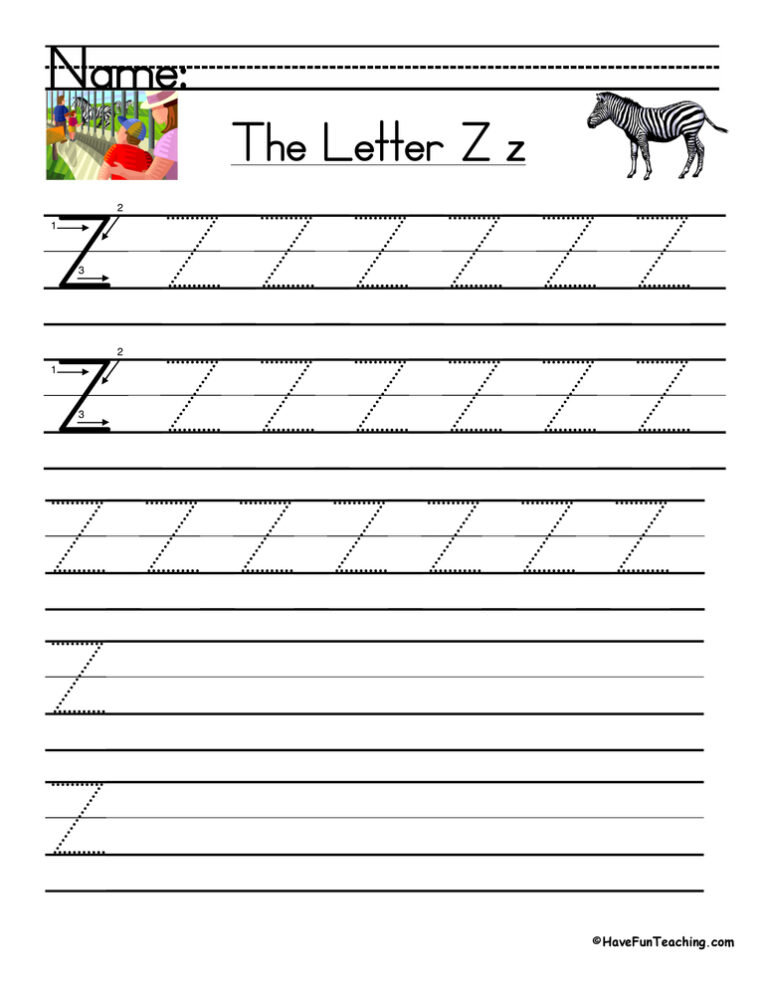
This Letter Z Handwriting Practice Worksheet gives Kindergarten students dotted models and open lines for capital Z and lowercase z, plus a picture activity for the /z/ sound. Answer key included for quick, no-prep letter practice.
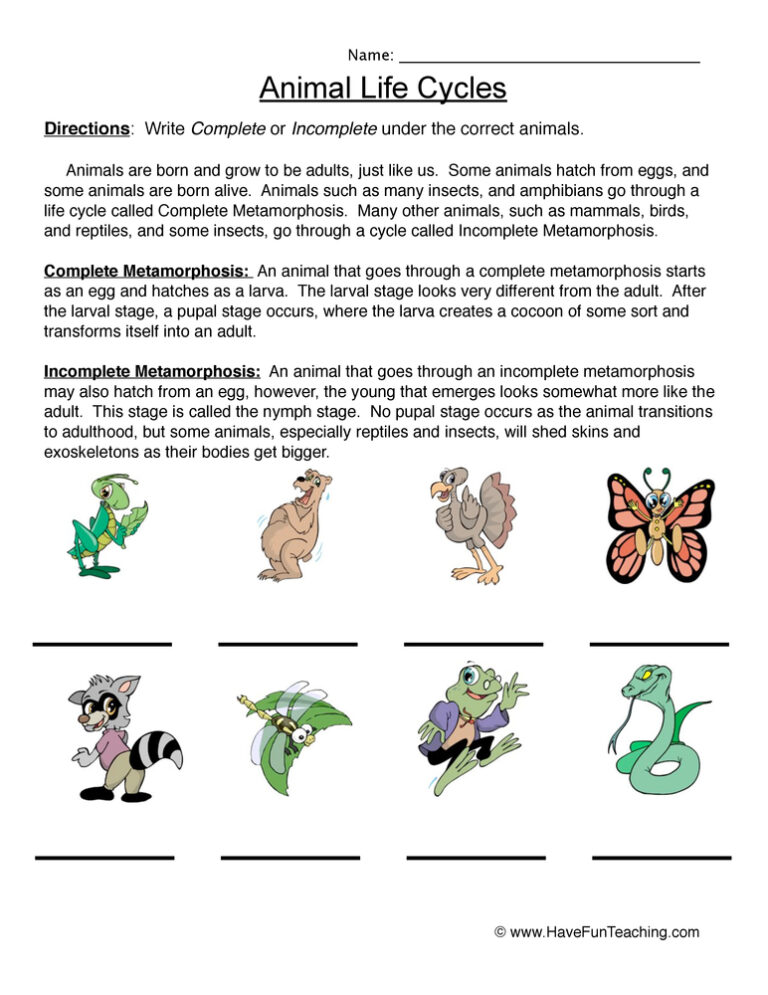
This animal life cycles worksheet has 3rd graders order a butterfly's four stages, sort six insects by complete or incomplete metamorphosis, and explain the difference. Answer key included for fast, no-prep life science practice.
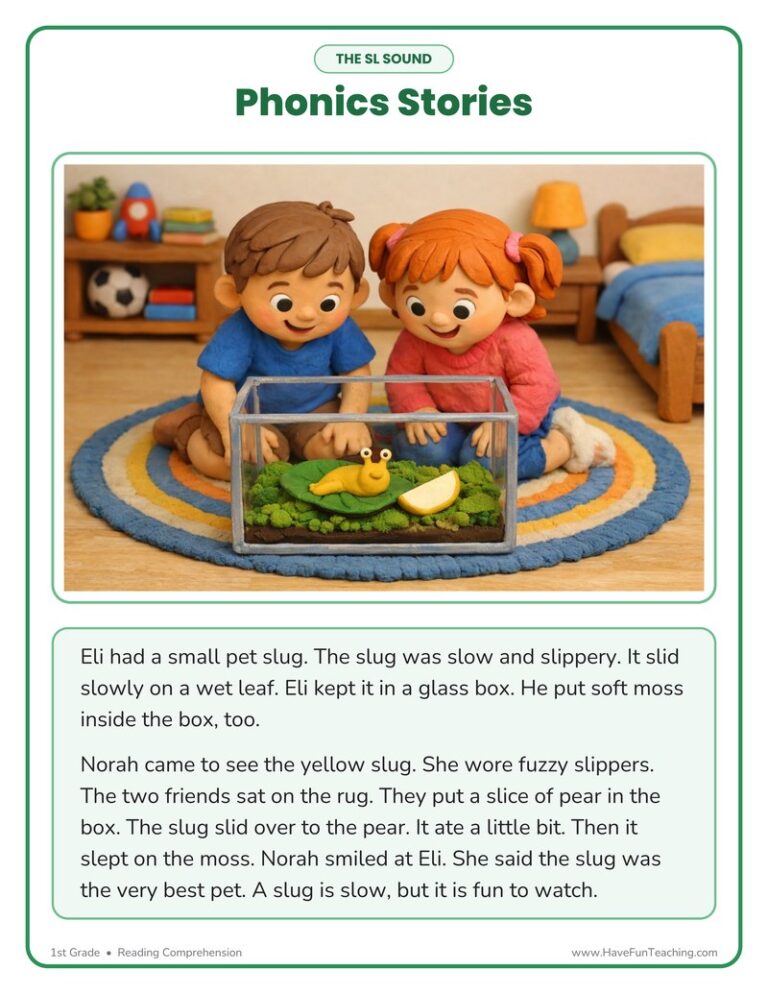
The Slater and the Slug SL Phonics Stories Reading Comprehension Worksheet gives 1st graders a short SL blend story plus five comprehension questions. Answer key included, so it is ready for quick, no-prep phonics practice.

This New School Jitters Reading Comprehension Worksheet gives 2nd graders a short back-to-school story and seven text-based questions. An answer key is included, so first-day nerves turn into confident, independent reading practice.
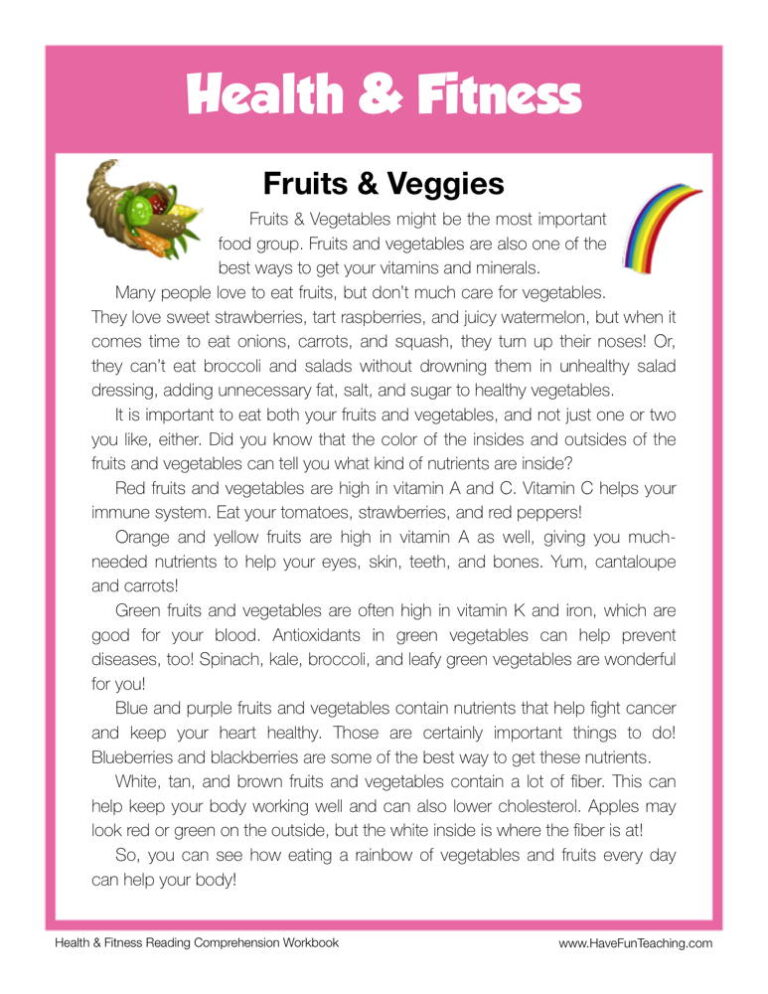
The Fruits and Veggies Health and Fitness Reading Comprehension Worksheet gives 4th grade readers a two-page nonfiction passage on the nutrients in every color of produce, plus comprehension questions and an answer key for confident, evidence-based reading.