

Beginning and Ending of a Story Worksheet
Use this beginning and ending of a story worksheet with any book your 3rd grade class reads. Students record the characters, the problem, and how the story starts and ends to build strong plot skills.
$6.97
Or free with a membership — members pay $3.33/mo for all 10,000+ resources. See plans
Want this one free?
Tell us where to send it and it’s yours — no card, no catch.
One free resource per teacher. We’ll also send free teaching ideas each week — unsubscribe anytime.
Teaching is easier with a membership
Unlimited printables, games & videos for PreK–6th — for your classroom or homeschool. Cancel anytime.
Start your 3-day free trial$0 today · cancel anytime · Instant access to 10,000+ resources
About this resource
Description
Every good story has a beginning that pulls the reader in and an ending that ties everything together. This beginning and ending of a story worksheet helps third graders look closely at both. The beginning of a story introduces the characters, the setting, and the problem, while the ending shows how that problem is solved. When students learn to notice these two parts, they understand how a whole plot fits together and they become stronger, more thoughtful readers.
This printable 3rd grade plot worksheet works with any story your class is reading. Students write the story title and author at the top. Then they fill in four clear boxes: how the story begins, who is in the story, what the problem is, and how the story ends. Each box has four roomy writing lines sized for third grade handwriting. Because every answer depends on the story each child chooses, the page is one flexible organizer you can use again and again all year long.
What’s Included
- 1 print-ready PDF worksheet
- Story title and author lines
- 4 labeled boxes for the beginning, characters, problem, and ending
- Four writing lines in every box
- Short directions written on grade level
There are three reasons this resource helps kids understand plot. First, it asks students to connect the beginning and the ending, which shows them that a story moves from a problem to a solution. Second, naming the characters and the problem gives students the key details they need to retell a story in order. Third, writing about their own reading builds the habit of thinking about structure every time they open a book.
Teachers and parents can use this beginning and ending of a story worksheet in many ways. Pair it with a class read aloud and fill in the first box together as a model. Send it home with a library book for independent reading practice. You can also have partners read the same story, complete the organizer on their own, and then compare how they described the beginning and the ending.
Related Resources
What teachers say
Reviews
You must be logged in to post a review.
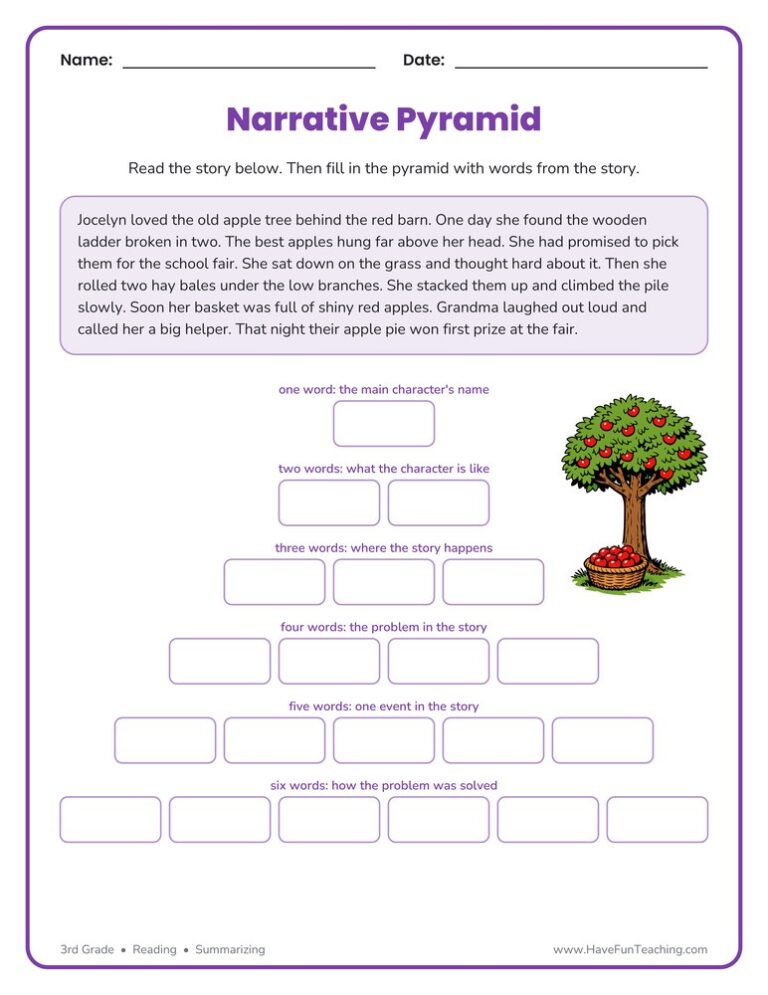
This Narrative Pyramid Worksheet prints an original story for 3rd graders, then asks them to summarize it row by row, from one word up to six. An answer key is included, so it works as a quick reading check or a pre-writing plan.
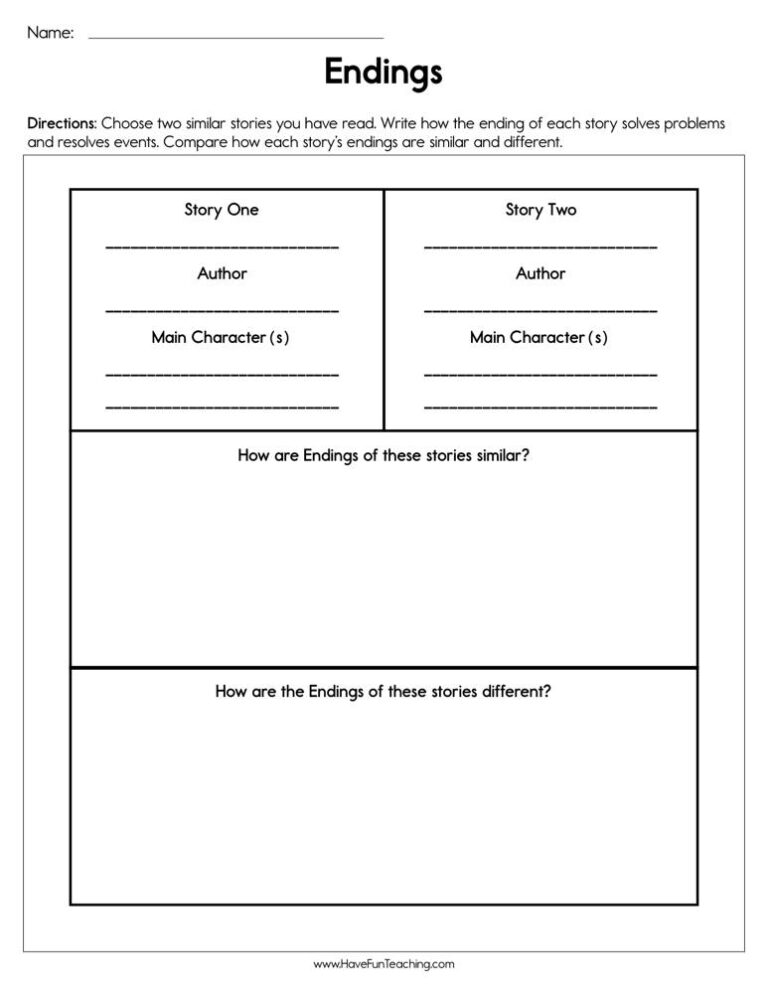
This endings worksheet helps 3rd grade students compare how two stories they have read end, explaining each ending and how the two are alike and different to build strong reading skills.
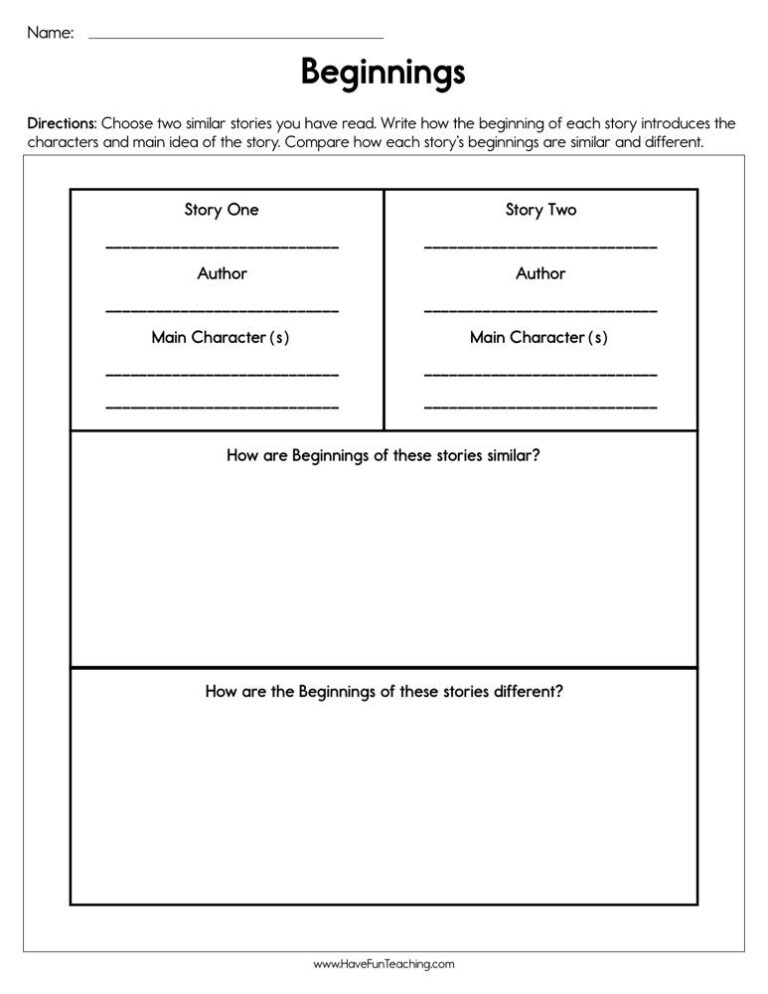
Using Beginnings Worksheet, students write how the beginning of each story introduces the characters and main idea of the story to compare the two similar stories read.
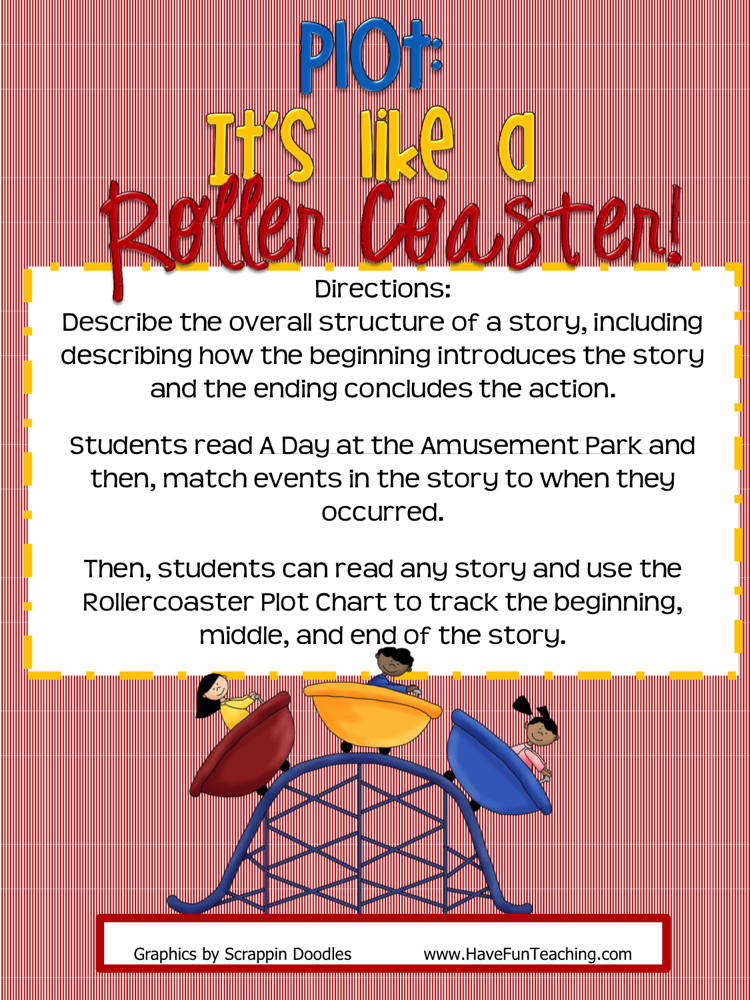
Using Beginning Middle End Plot Activity, students describe the overall structure of a story, including describing how the beginning introduces the story and the ending concludes the action.

A Morning Routine Sequence Worksheet that has 3rd Grade readers number six mixed-up morning events and prove the order with words from the text. Answer key included for fast, no-prep sequencing practice.
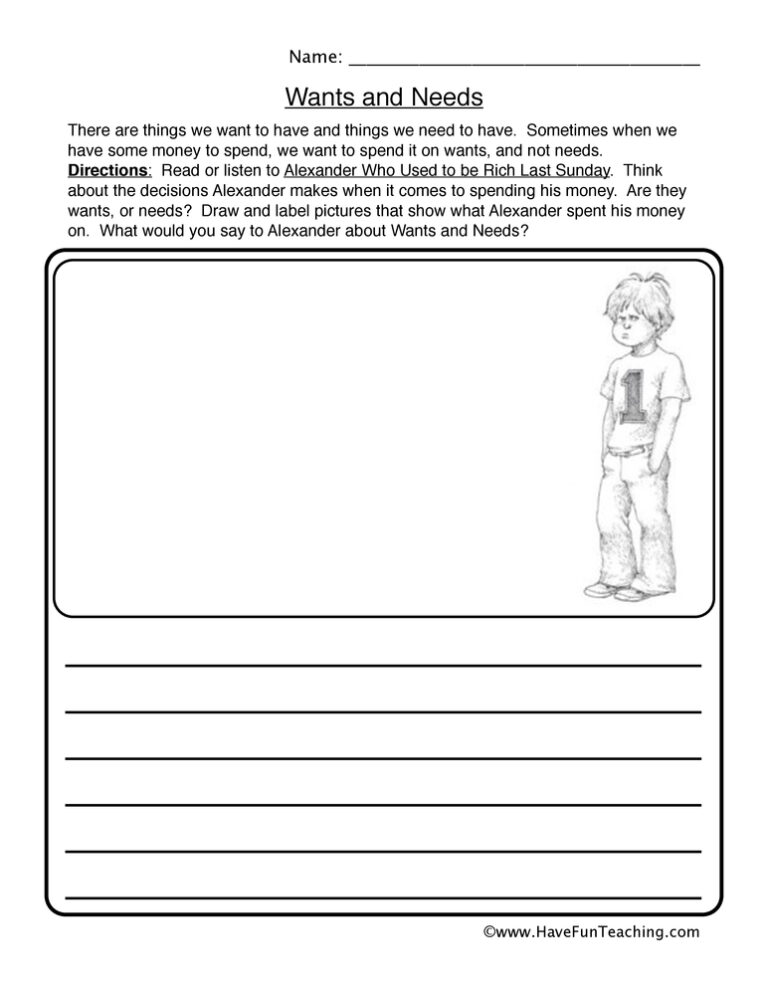
Using this Wants Needs Reading Response Worksheet, students readAlexander Who Used to be Rich Last Sunday to build their understanding of wants and needs.
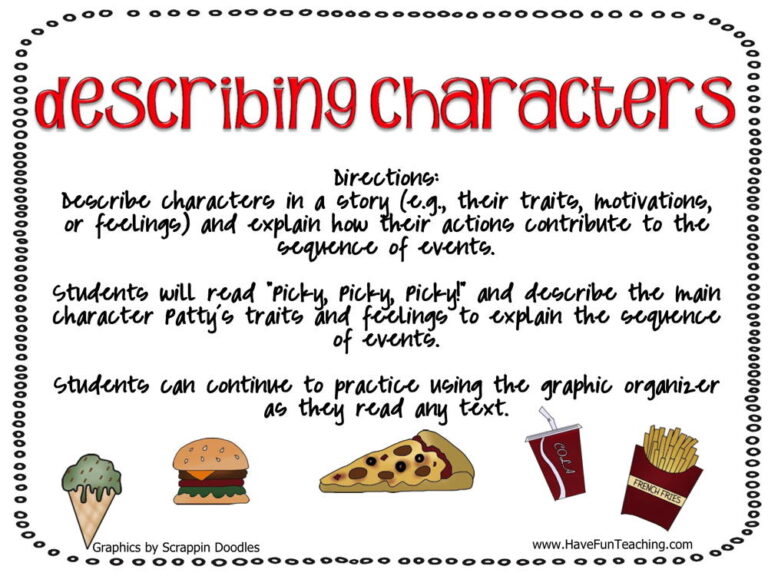
Using Describing Characters Beginning Middle and End Activity, students describe the overall structure of a story, including describing how the beginning introduces the story and the ending concludes the action.

Using Beginnings and Endings Worksheet, students write about the beginning and end of the story to show the purpose of each.
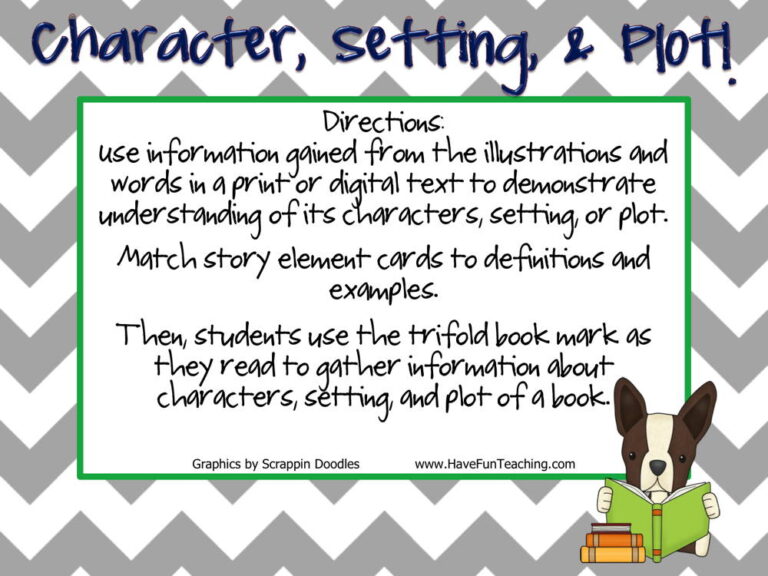
Using Character Setting Plot Activity, studentsfind examples of story elements as they read to build their reading comprehension.
Using this RL.3.1 Third Grade Common Core Lesson, students answer questions aboutkey details in a fiction text.
Using RL.3.5 Third Grade Common Core Lesson, students refer to parts of stories, dramas, and poems when writing or speaking about a text, using terms such as chapter, scene, and stanza.

Using Sequencing Events Organizer Worksheet, students use the planner to write your own story or to write 5 events from a story in order.
Reviews
There are no reviews yet