3 days free
Ready for the whole library?
You’ve had your freebie — but members download 10,000+ resources for every grade, all year long. Try it free — $0 today, cancel anytime.
Free for teachers
Pick your grade. We’ll send 10 free resources.
Worksheets, activities and a video — picked for your classroom, ready to print tonight.
One free bundle per teacher. We’ll also send free teaching ideas each week — unsubscribe anytime.


This feelings worksheet gives 3rd grade students a short passage about emotions plus reading comprehension questions and a reading-response prompt. Includes a complete answer key, a gentle way to build reading skills and emotional awareness.

The Simple Machines Reading Comprehension Worksheet gives 3rd Grade readers a short science passage about levers, ramps, and pulleys, plus questions that check real understanding. An answer key is included for quick grading.

Using Feeling Words Activity, students read Amy Goes to First Grade to find words and phrases that describe Amy's feelings on the first day of school.
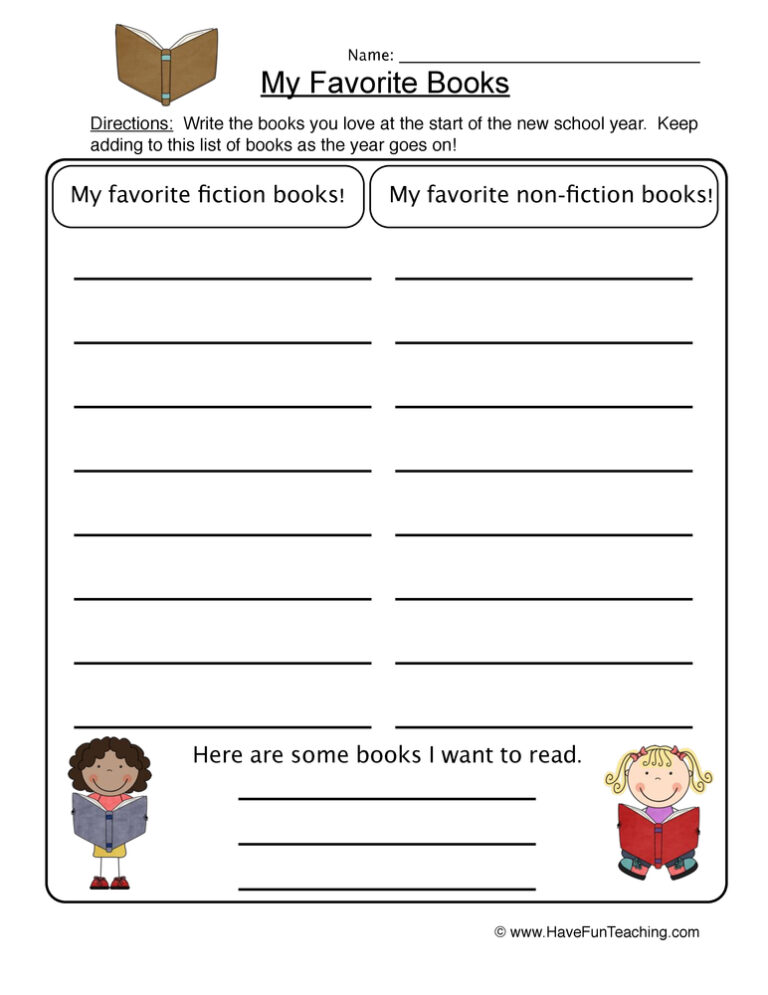
Using Fiction and Non-Fiction Favorite Books Worksheet, students create a list of their favorite fiction and non-fiction books that they have read.
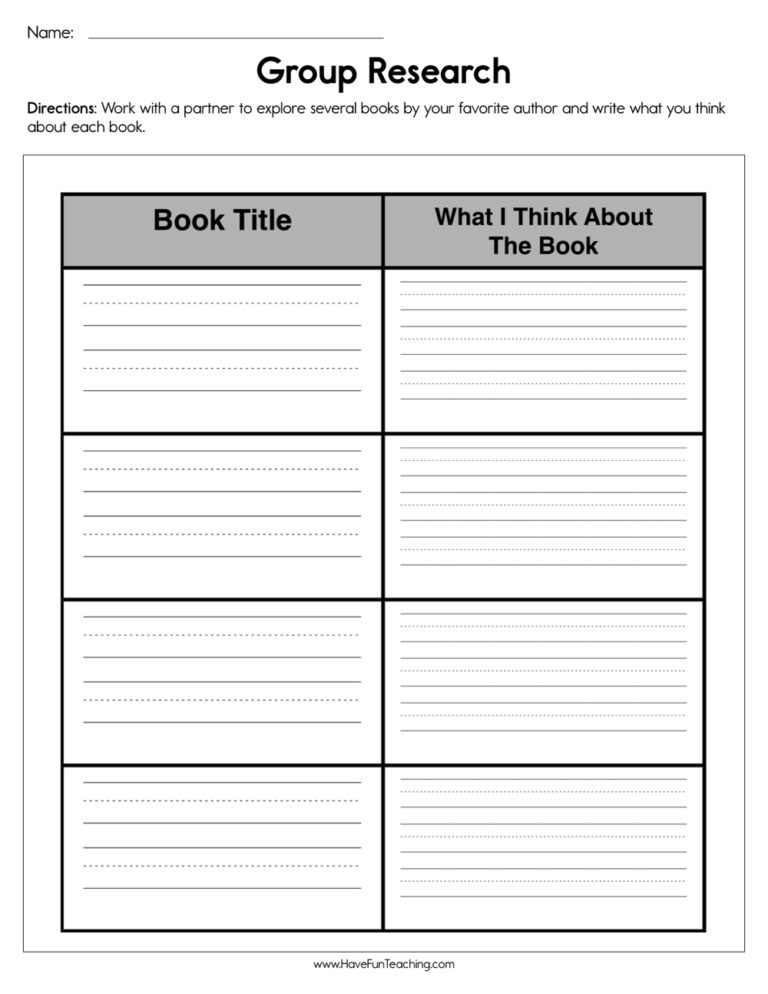
Using the Group Research Worksheet, students read with a partner to explore several books by your favorite author and write what you thinkabout each book.

Using Compare and Contrast Across Cultures Activity, students compare and contrast two or more versions of the same story by different authors or from different cultures.
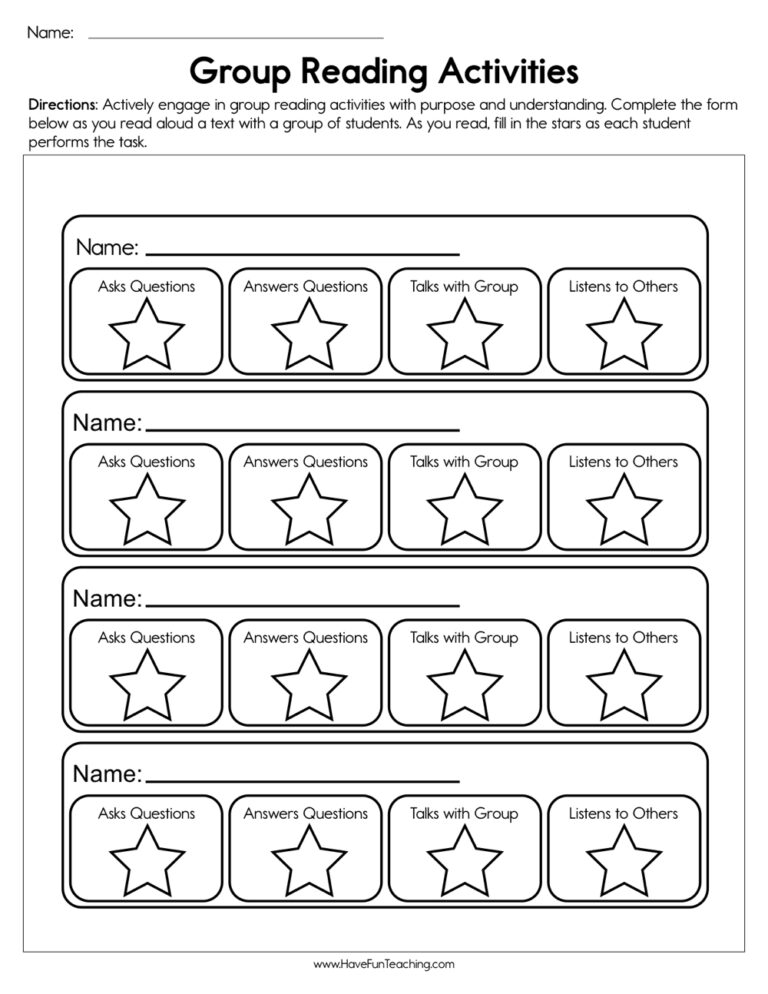
This group reading activities worksheet helps 2nd grade teachers record how each student asks, answers, shares, and listens during a small reading group, with lines to log the text and genre.

The Who Is Talking Now Worksheet gives 3rd Grade readers three short stories and asks who is telling each one. An answer key is included, so students build point of view skills with quick feedback.

Using Reading Prose and Poetry Worksheet, students keep track of the stories they read this year by writing the title and the rating each book.

Using Determining Theme Activity, students determine the theme of a story or poem from details in the text to learn a lesson that can be used in their life.
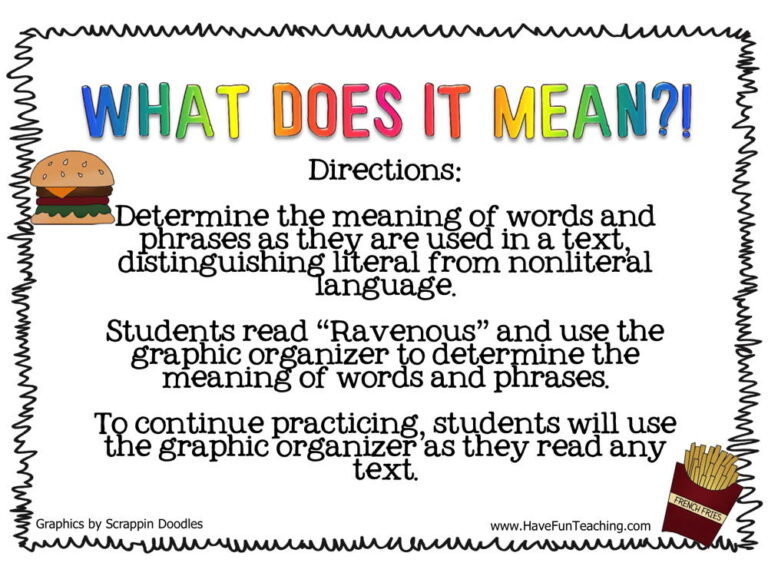
Using this What Does it Mean Literal Non-Literal Language Activity, students determine the meaning of words and phrases as they are used in a text, distinguishing literal from non-literal language.

Using Identifying Theme Activity, students determine the theme of a story, drama, or poem from details in the text in order to apply to their own life.
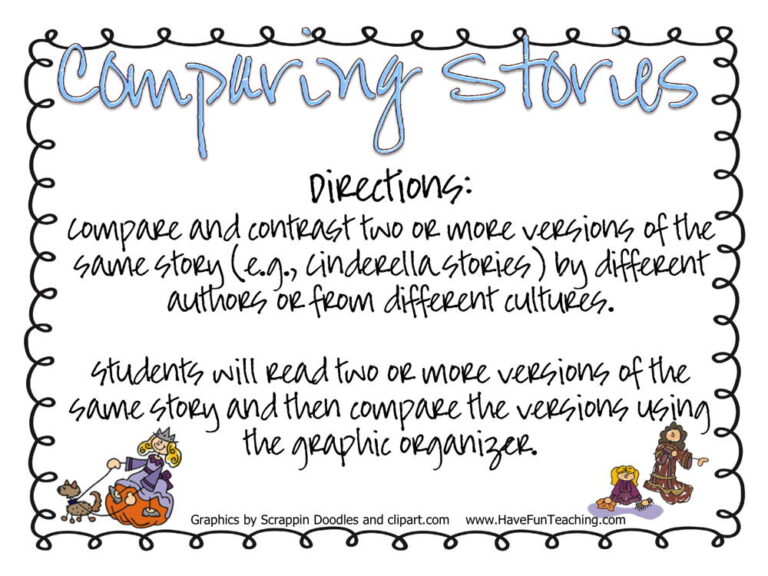
Using Comparing Two Stories Activity, students compare and contrast two or more versions of the same story by different authors or from different cultures.

Using Hurricanes Reading Comprehension Activity, students refer to details to explain what the text says explicitly and when drawing inferences. This is perfect for making inferences and drawing conclusions.
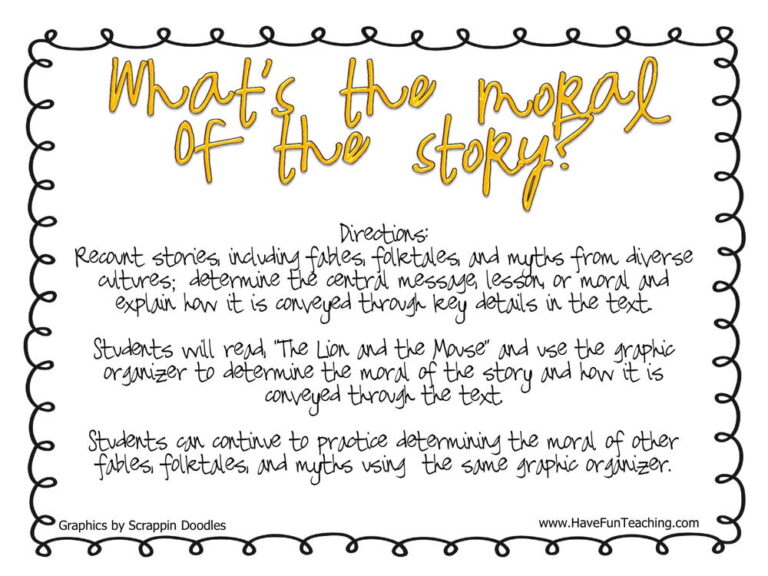
Using What's the Moral of the Story Activity,students recount fables and folktales from diverse cultures, and determine their central message, lesson, or moral.
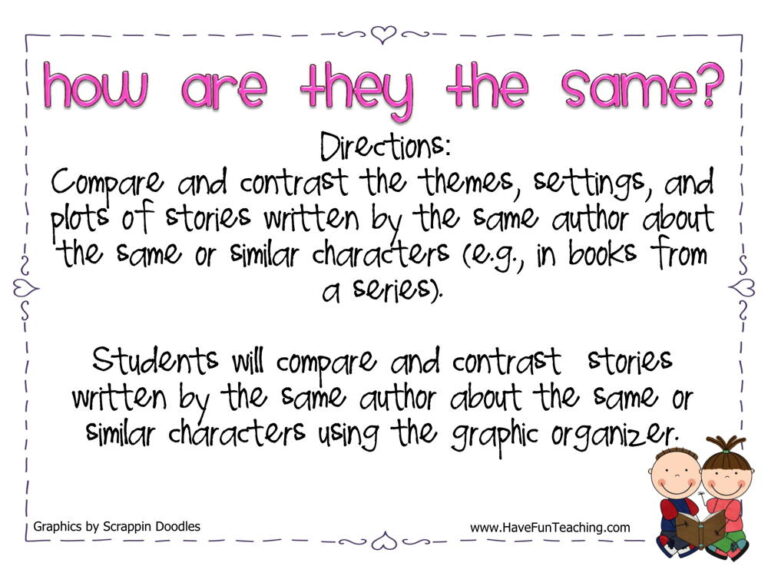
Using How are They the Same Compare and Contrast Story Elements Activity, students compare and contrast the themes, settings, and plots of stories written by the same author about the same or similar characters.

Using Asking Questions about a Story Activity, students Discuss a topic or read a book aloud using Question Cards to help guide questions andanswers about the topic.

Using the Comparing Themes of Two Stories Activity, students use a Venn Diagram to compare and contrast the theme of two passages.

Using Reading Questions Camping Activity, students ask and answer questions to demonstrate understanding of key details in a text.

Using Who What When Where Why How Activity, students ask and answer questions to demonstrate understanding of key details in a text.