
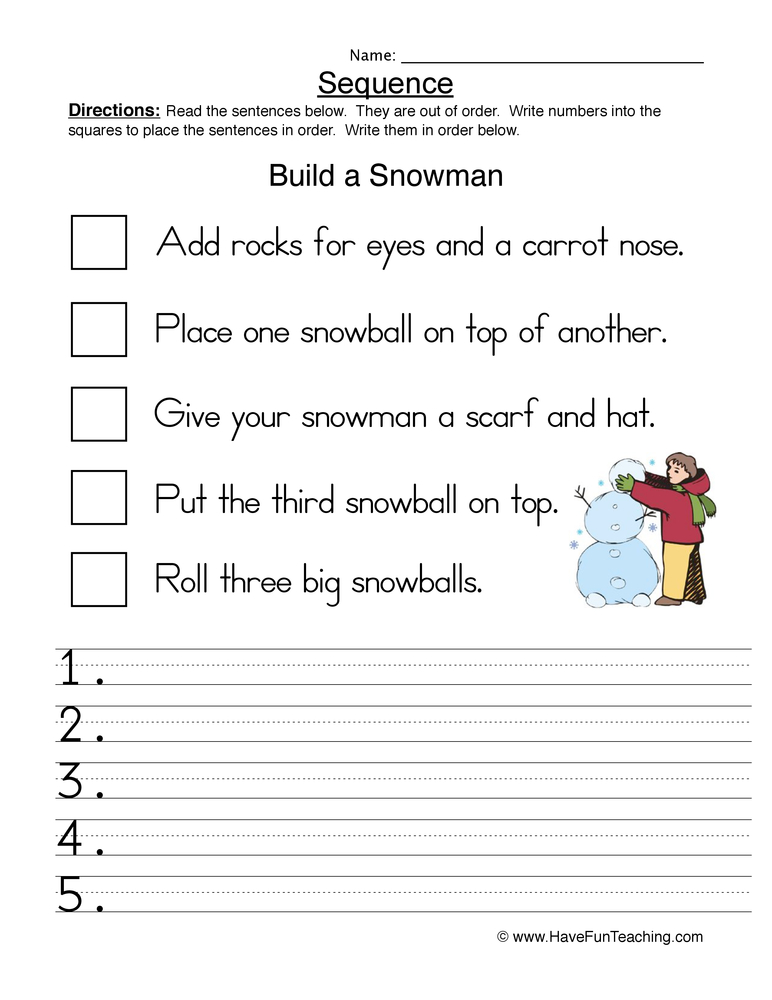
Build a Snowman Sequence Worksheet
The Build a Snowman Sequence Worksheet asks 1st grade readers to number five winter steps in order, then write the first, middle, and last one. Answer key included, so ordering practice checks itself.
$6.97
Or free with a membership — members pay $3.33/mo for all 10,000+ resources. See plans
Want this one free?
Tell us where to send it and it’s yours — no card, no catch.
One free resource per teacher. We’ll also send free teaching ideas each week — unsubscribe anytime.
Teaching is easier with a membership
Unlimited printables, games & videos for PreK–6th — for your classroom or homeschool. Cancel anytime.
Start your 3-day free trial$0 today · cancel anytime · Instant access to 10,000+ resources
About this resource
Description
Sequencing is one of the first comprehension skills a young reader builds, and this Build a Snowman Sequence Worksheet gives first graders a warm, familiar story to practice it on. When children put the steps of building a snowman in the right order, they are learning that events follow a logical sequence, that words like first, next, and last carry real meaning, and that retelling a story means keeping its events in the order they happened.
Using this Build a Snowman Sequence Worksheet, students read five short steps printed out of order, then write the numbers 1 through 5 in the boxes to arrange them correctly. A second section asks them to write out the first step, the middle step, and the last step in their own handwriting, so they move from recognizing order to producing it. The activity works as morning work, a literacy center, a small-group lesson, or a quick winter-themed review.
What’s Included
- One printable worksheet page with five out-of-order snowman-building steps
- Numbered answer boxes for ordering the steps from 1 to 5
- Three written-response questions on first, middle, and last
- Full-page answer key
- Original winter illustration
This 1st grade sequencing worksheet helps children in three ways. First, it strengthens reading comprehension by asking students to hold five events in mind and compare them. Second, it builds the vocabulary of order that reading and writing standards test directly. Third, the written-response section gives students authentic handwriting and sentence practice inside a task they already understand.
Teachers and parents can extend the lesson by acting out the steps as a class, by asking students to add a sixth step of their own, or by having partners read their ordered steps aloud to each other and check that the sequence makes sense. Try the same routine with other everyday activities your students know well.
Related Resources
What teachers say
Reviews
You must be logged in to post a review.
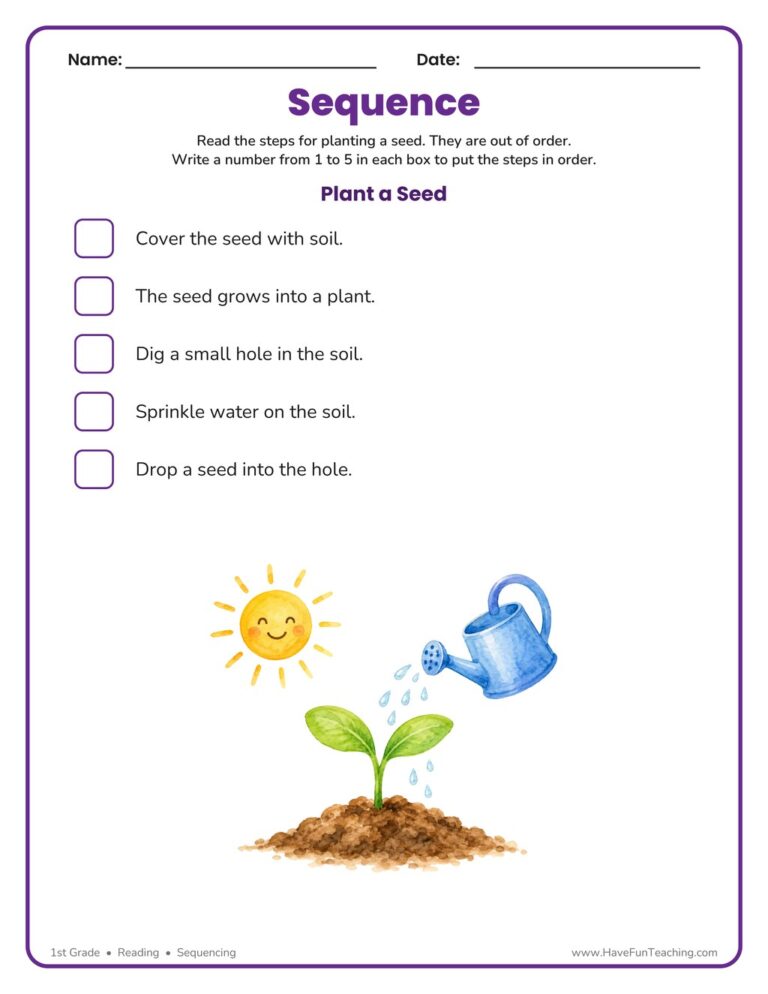
The Plant a Seed Sequence Worksheet helps 1st graders put five planting steps in order from first to last. Includes a complete answer key—perfect for quick, no-prep sequencing practice at home or school.
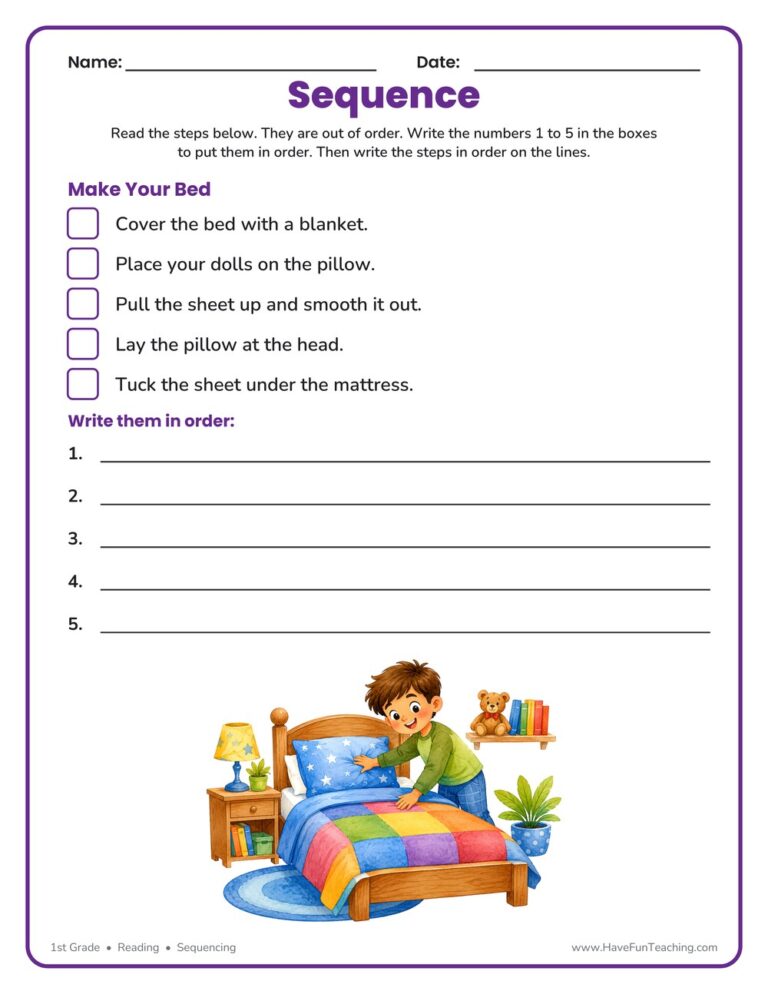
This Making a Bed Sequence Worksheet has 1st graders order five steps, number the boxes 1 to 5, and rewrite them in sequence. Answer key included — a fun, no-prep way to practice sequencing.
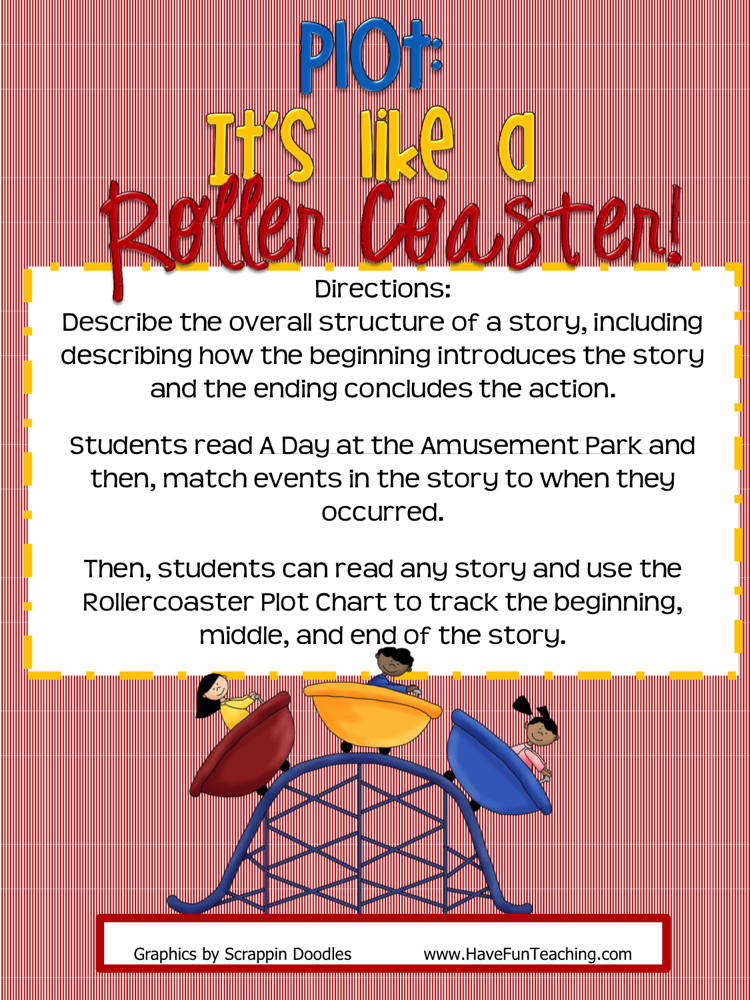
Using Beginning Middle End Plot Activity, students describe the overall structure of a story, including describing how the beginning introduces the story and the ending concludes the action.
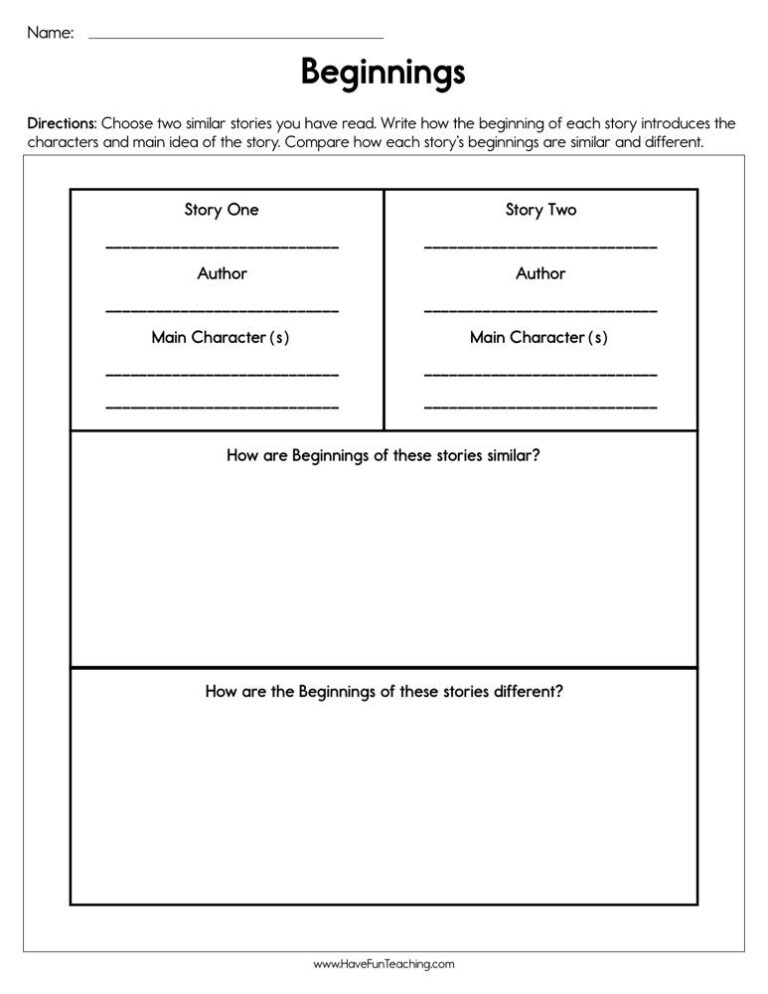
Using Beginnings Worksheet, students write how the beginning of each story introduces the characters and main idea of the story to compare the two similar stories read.
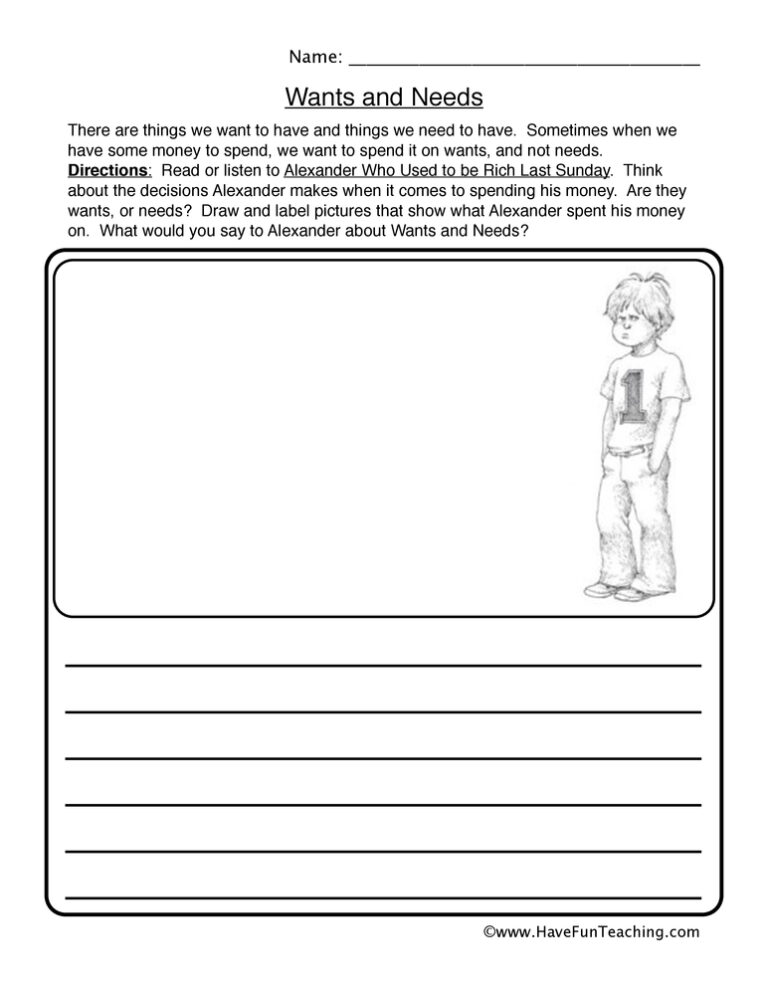
Using this Wants Needs Reading Response Worksheet, students readAlexander Who Used to be Rich Last Sunday to build their understanding of wants and needs.
This important events worksheet has 1st graders read a short story about Little Bear and answer five questions about the plot. An answer key is included for fast, easy checking.
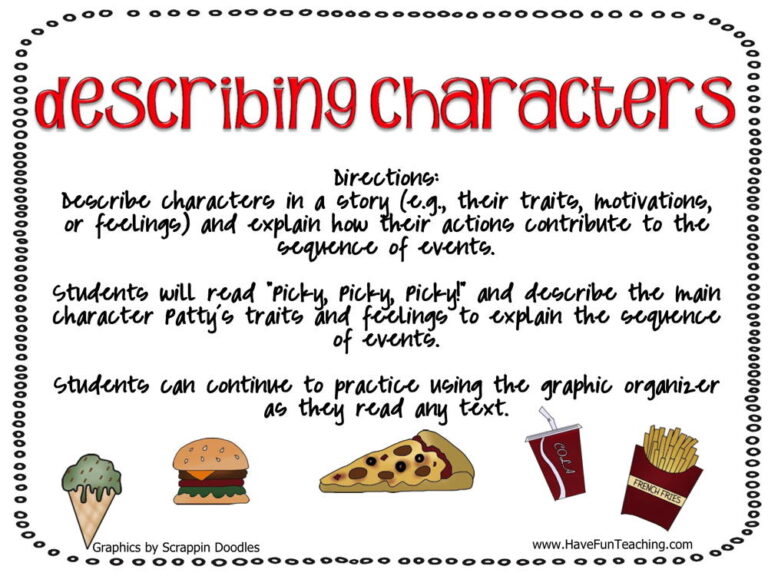
Using Describing Characters Beginning Middle and End Activity, students describe the overall structure of a story, including describing how the beginning introduces the story and the ending concludes the action.

Using Beginnings and Endings Worksheet, students write about the beginning and end of the story to show the purpose of each.
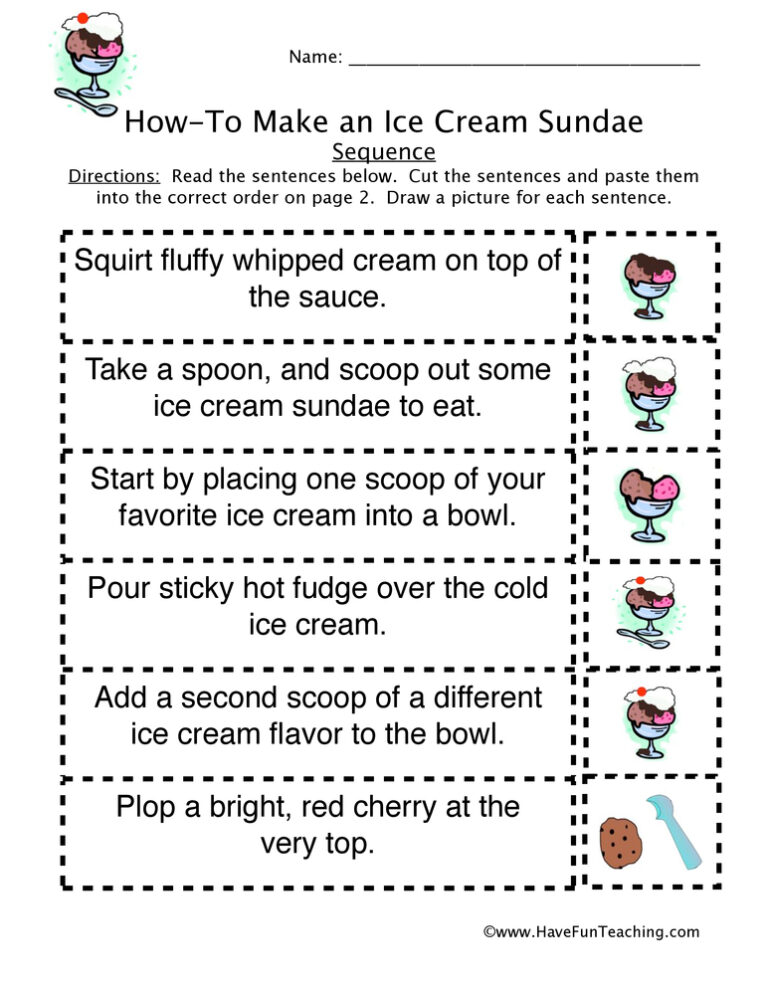
This How to Make a Sundae Sequence Worksheet asks 1st graders to read five how-to steps and number them from first to last. An answer key is included, so it is ready for no-prep sequencing practice.
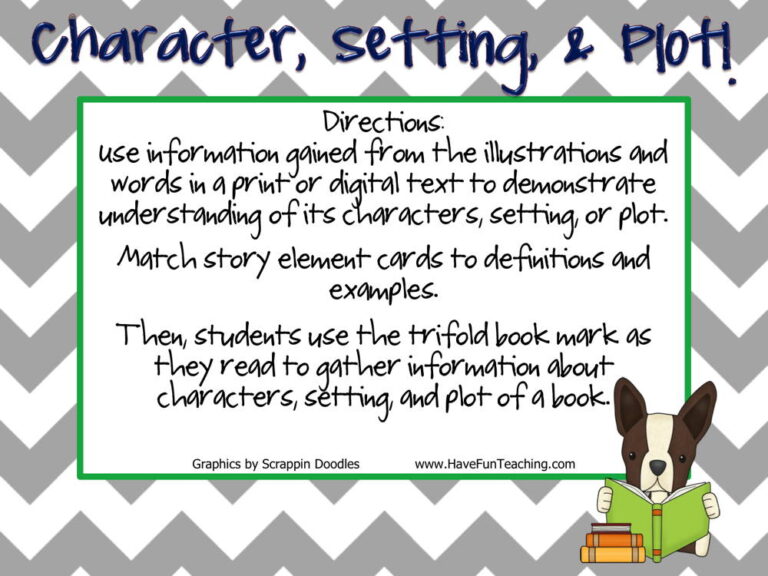
Using Character Setting Plot Activity, studentsfind examples of story elements as they read to build their reading comprehension.

Using Sequencing Events Organizer Worksheet, students use the planner to write your own story or to write 5 events from a story in order.

Using Sequencing Organizer Worksheet , students use the planner to write your own story or to write 5 events from a story in order.
Reviews
There are no reviews yet