

How to Make a Sundae Sequence Worksheet
This How to Make a Sundae Sequence Worksheet asks 1st graders to read five how-to steps and number them from first to last. An answer key is included, so it is ready for no-prep sequencing practice.
$6.97
Or free with a membership — members pay $3.33/mo for all 10,000+ resources. See plans
Want this one free?
Tell us where to send it and it’s yours — no card, no catch.
One free resource per teacher. We’ll also send free teaching ideas each week — unsubscribe anytime.
Teaching is easier with a membership
Unlimited printables, games & videos for PreK–6th — for your classroom or homeschool. Cancel anytime.
Start your 3-day free trial$0 today · cancel anytime · Instant access to 10,000+ resources
About this resource
Description
Sequencing is the reading skill that lets a child hold a set of events in order and explain what happened first, next, and last. This How to Make a Sundae Sequence Worksheet gives young readers five simple how-to steps and asks them to decide which one starts the job and which one finishes it. Putting steps in order is the first form of plot a young reader meets: the same thinking a child uses to follow a recipe is the thinking he will later use to retell a story from beginning to middle to end, and it is the thinking a reading test asks for when it says what happened next.
Print this 1st grade sequencing worksheet and hand it out during a reading block, a small-group rotation, or a quiet morning start. Students read each of the five sundae steps, think about what has to happen before anything else can, and write the numbers 1 to 5 in the boxes. Two short questions at the bottom ask them to name what goes in the bowl first and what is added on the very top, so they have to look back at the steps instead of guessing. The full answer key on page two makes checking the page a two-minute job.
What’s Included
- 1 print-ready PDF worksheet
- Answer key
- 5 out-of-order how-to steps to number and 2 short-answer sequencing questions
Three things make this How to Make a Sundae Sequence Worksheet work for first graders. First, the topic is one every child already knows, so no reading energy is spent decoding an unfamiliar situation and all of it goes into the ordering. Second, the steps are printed out of order, which forces real reading: a child who simply matches the top sentence to the first box will get it wrong. Third, the two written questions turn a sorting task into a comprehension task, because the answer has to be found in the text and written down in the student’s own hand.
Away from the page, sequencing practice is everywhere. Ask your students to tell you the steps for brushing their teeth, packing a backpack, or planting a bean seed, then write each step on a sentence strip they can shuffle and rebuild. Read a familiar picture book and stop after each page to ask what happened first and what will probably come next. Cooking together is the best practice of all: let a child read a recipe aloud one line at a time while you follow along, and pause cheerfully whenever a step gets skipped so they can hear why order matters. Signal words such as first, next, then, and last are worth naming out loud, because those are the words a reading passage will use.
Related Resources
What teachers say
Reviews
You must be logged in to post a review.
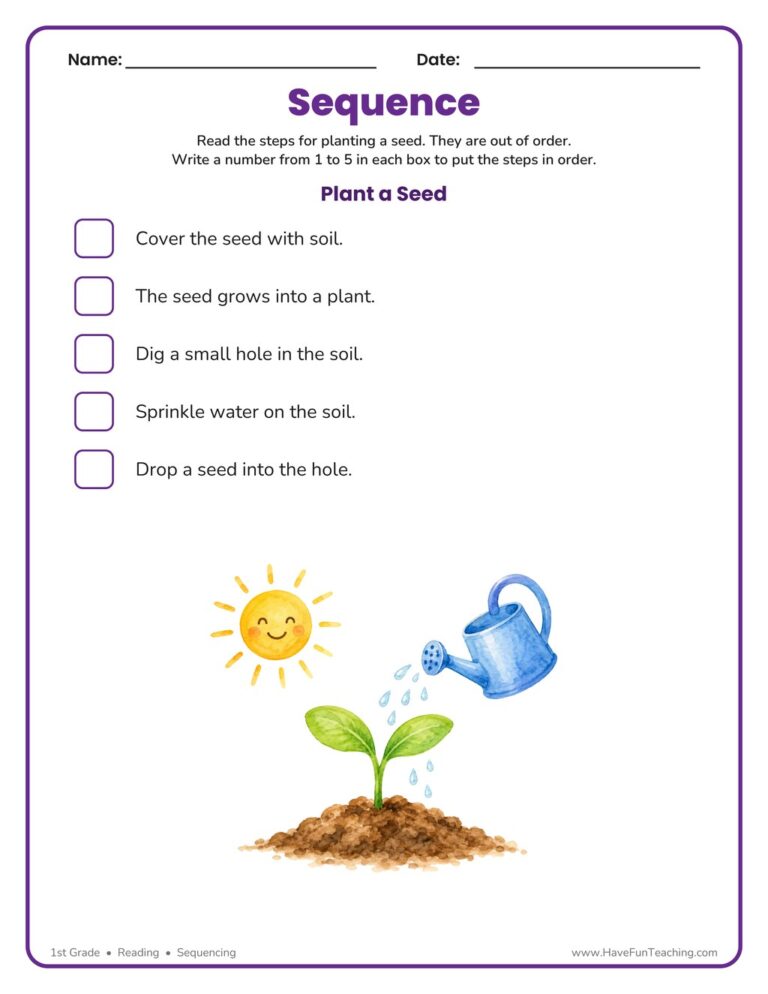
The Plant a Seed Sequence Worksheet helps 1st graders put five planting steps in order from first to last. Includes a complete answer key—perfect for quick, no-prep sequencing practice at home or school.
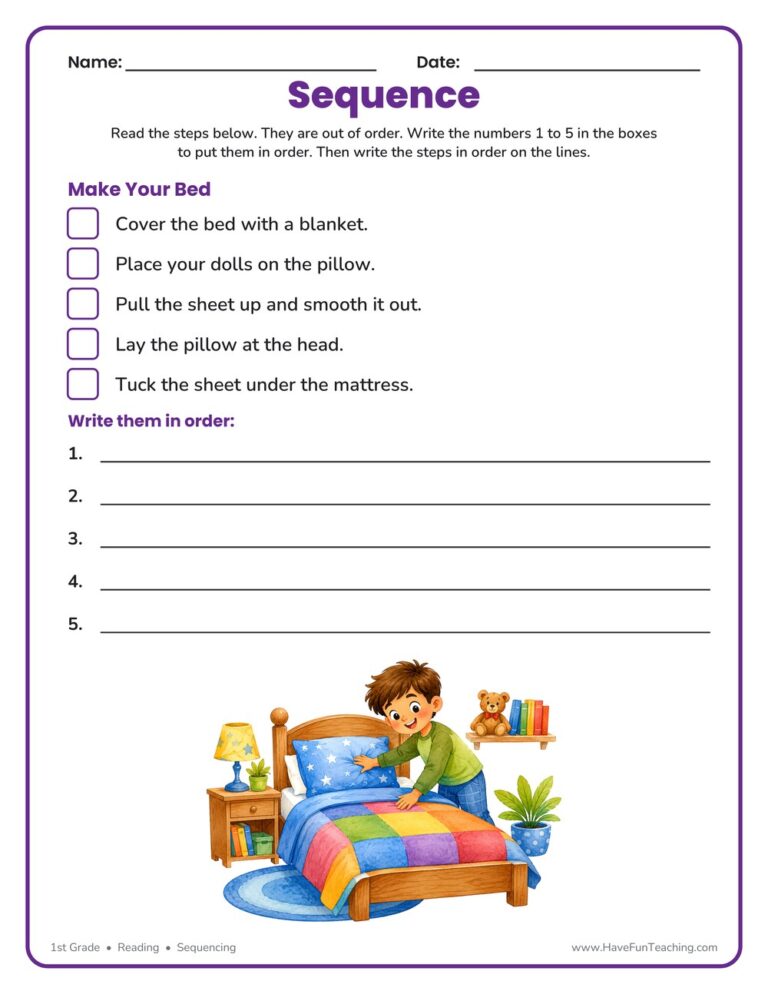
This Making a Bed Sequence Worksheet has 1st graders order five steps, number the boxes 1 to 5, and rewrite them in sequence. Answer key included — a fun, no-prep way to practice sequencing.
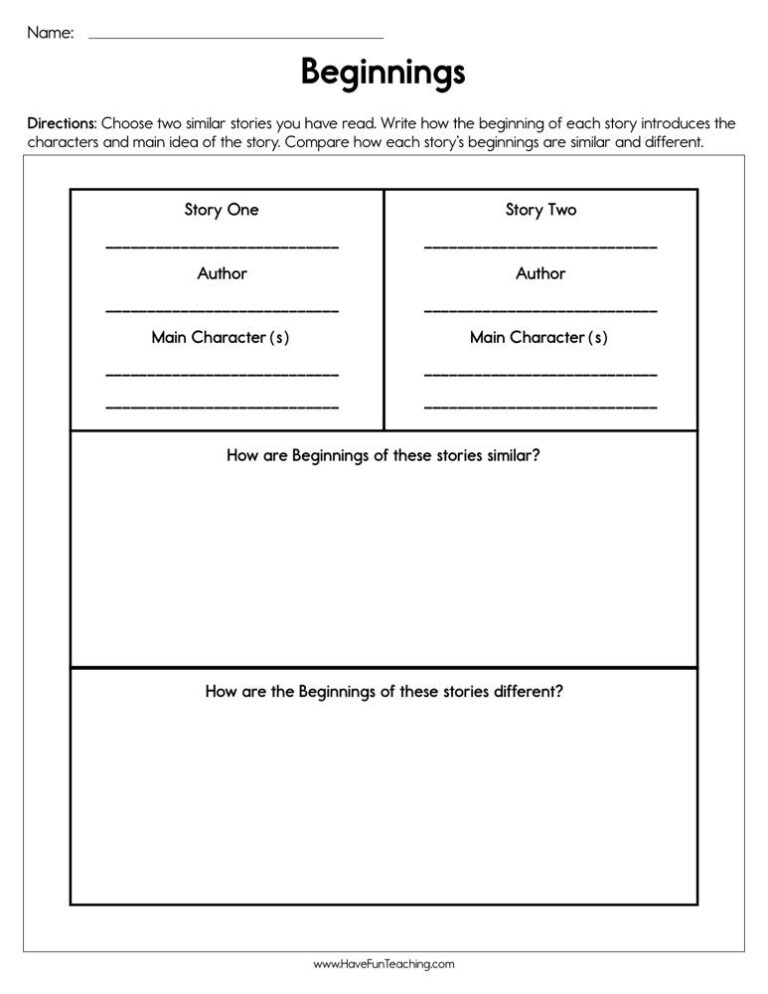
Using Beginnings Worksheet, students write how the beginning of each story introduces the characters and main idea of the story to compare the two similar stories read.
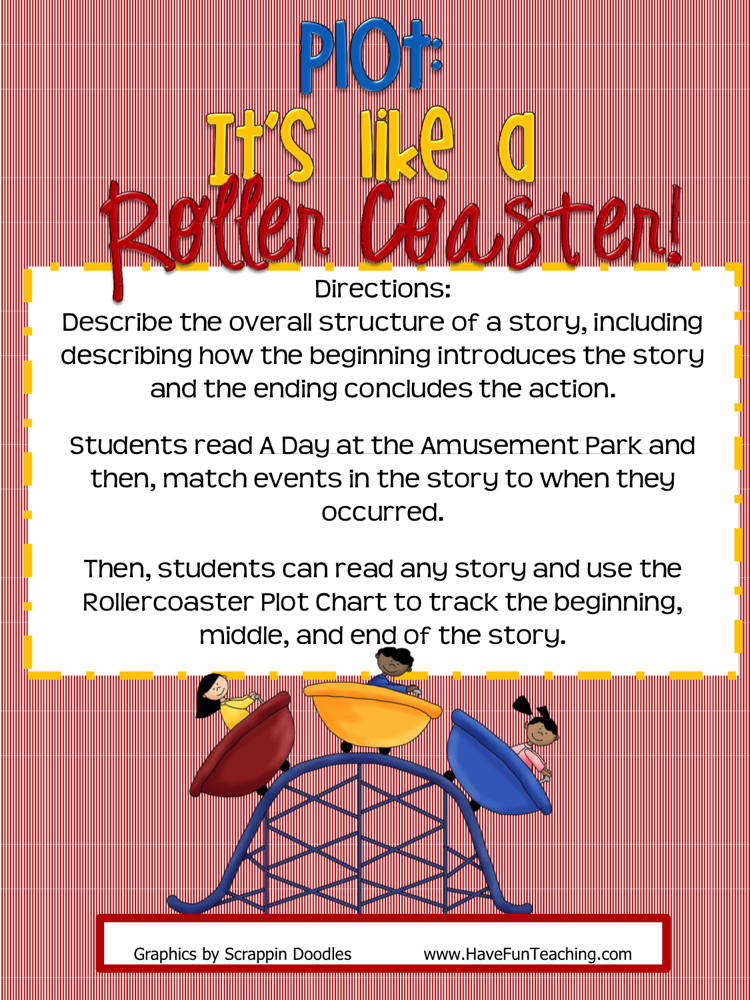
Using Beginning Middle End Plot Activity, students describe the overall structure of a story, including describing how the beginning introduces the story and the ending concludes the action.
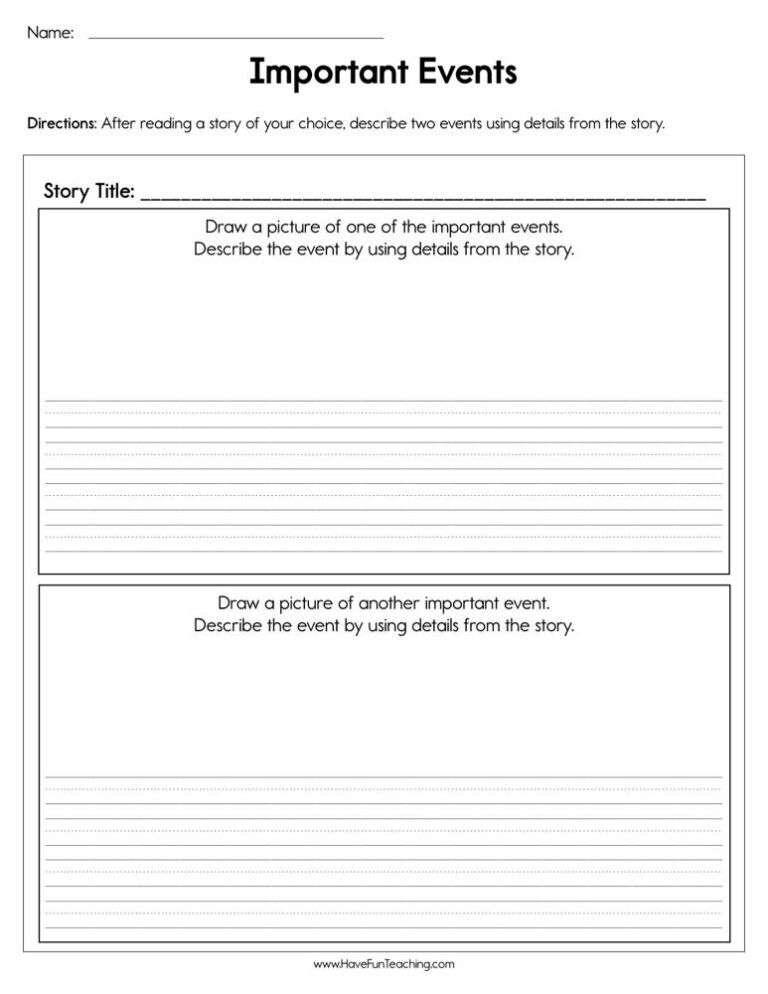
This important events worksheet has 1st graders read a short story about Little Bear and answer five questions about the plot. An answer key is included for fast, easy checking.
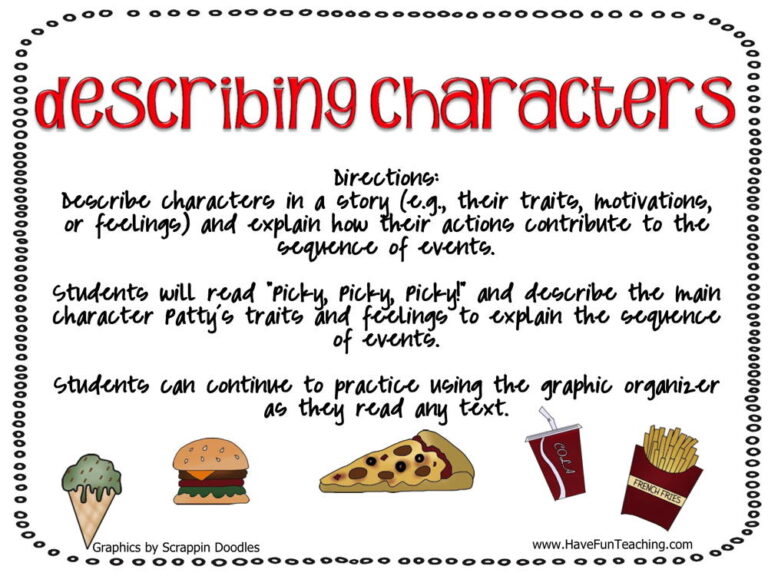
Using Describing Characters Beginning Middle and End Activity, students describe the overall structure of a story, including describing how the beginning introduces the story and the ending concludes the action.

Using Beginnings and Endings Worksheet, students write about the beginning and end of the story to show the purpose of each.
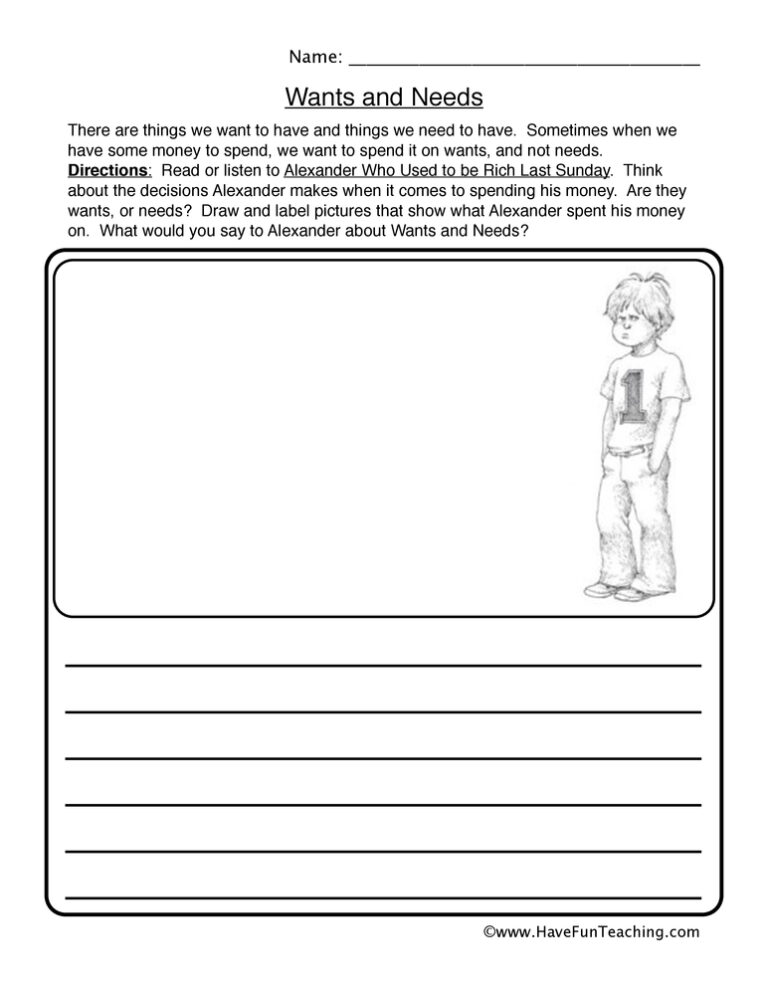
Using this Wants Needs Reading Response Worksheet, students readAlexander Who Used to be Rich Last Sunday to build their understanding of wants and needs.

The Build a Snowman Sequence Worksheet asks 1st grade readers to number five winter steps in order, then write the first, middle, and last one. Answer key included, so ordering practice checks itself.
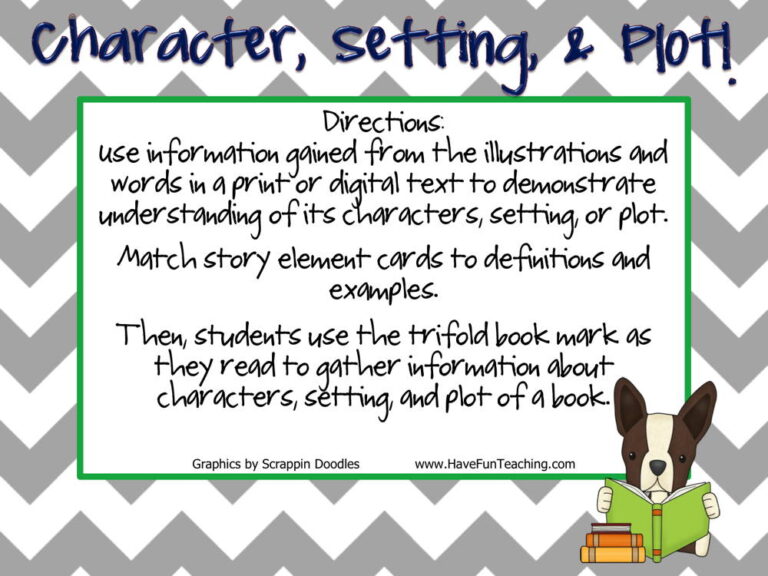
Using Character Setting Plot Activity, studentsfind examples of story elements as they read to build their reading comprehension.

Using Sequencing Events Organizer Worksheet, students use the planner to write your own story or to write 5 events from a story in order.

Using Sequencing Organizer Worksheet , students use the planner to write your own story or to write 5 events from a story in order.
Reviews
There are no reviews yet